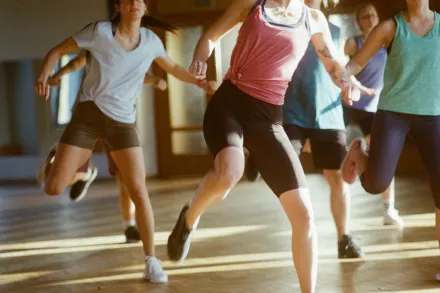
Dance based workouts offer a unique blend of physical challenge and creative expression that can transform the way people relate to fitness. When movement becomes a dialogue between the body and music, motivation shifts from counting repetitions to following a flow of steps, breath, and emotion. This shift can convert a cautious beginning into a confident habit, because rhythm provides an internal cue that keeps the body moving even when fatigue starts to press in. The experience is not merely about burning calories; it is about inviting joy into training and allowing pleasure to accompany effort. In this way dance based workouts become a sustainable approach to health rather than a temporary experiment rooted in rigid routines and external expectations, and this distinction often makes all the difference for long term adherence and genuine wellness.
Introduction to Movement That Feels Like Play
In many traditional fitness formats the emphasis rests on performance and meet the goal style programming, yet dance based workouts invite a different mindset where movement feels like play, curiosity, and personal discovery. When the music rises and the body responds, participants experience a sense of immersion that engages the senses as well as the muscles. This immersion helps to reduce the perceived effort because attention shifts toward expression, timing, and social connection rather than toward strenuous counting or punitive self critique. The result is a workout that stretches endurance and builds confidence at the same time, because progress is not only measured by a stopwatch but by an evolving ability to navigate tempo, space, and coordination with greater ease.
Physiological Foundations and Endurance Building
Dance based workouts recruit a broad spectrum of muscle groups in ways that typical isolated exercises may not. In practice, momentum generated by the hips, the alignment of the spine, the subtle engagement of the core, and the stabilization work of the legs combine to support fluid, continuous movement. This holistic approach challenges both postural endurance and cardiovascular capacity, often elevating heart rate to zones that improve aerobic efficiency while requiring muscular endurance across multiple joints. The creative choreography ensures that large muscle groups participate alongside smaller stabilizers, cultivating both raw power and refined control. Over time this integrated pattern contributes to better overall fitness and resilience, with improvements in stamina that translate into daily activities such as walking, climbing stairs, or carrying groceries with greater ease and less fatigue.
Neuromuscular Coordination and Motor Learning
The act of learning dance sequences stimulates neural pathways responsible for timing, balance, and spatial orientation. Repeated exposure to rhythmic cues strengthens automaticity in movement, which in turn reduces the cognitive load during physical tasks. This is especially valuable as people age, because enhanced coordination can help mitigate the risk of falls and improve overall functional performance. The brain benefits from the novelty of new steps and patterns, which promotes ongoing neuroplastic changes that support improved reaction time and smoother execution of complex movements. Even when routines are challenging, the gradual refinement of technique fosters a sense of mastery that reinforces continued engagement in exercise and creative exploration alike.
Psychological Wellbeing and Mood Regulation
The emotional landscape of a dance based workout tends to brighten in ways that go beyond the release of endorphins. Music shapes mood, rhythm anchors attention, and social interaction provides emotional nourishment. Participants often notice a reduction in stress markers and a greater sense of psychological safety within the activity, which translates into enhanced self esteem and a more hopeful outlook. The narrative aspect of dance—storytelling through movement, character exploration, or simply self expression—invites a kind of cognitive distraction from anxious rumination. This combination of mood elevation, stress relief, and cognitive engagement supports mental health and contributes to a more balanced daily life.
Social Connection and Community Support
Dance based workouts frequently unfold in group settings where shared energy and mutual encouragement become a powerful catalyst for consistency. The social dimension of learning choreography, rotating partners, or simply moving in synchrony with others fosters a sense of belonging and accountability that is often missing in solitary workouts. The presence of supportive instructors and peers can improve motivation, persistence, and enjoyment, transforming fitness into a social experience rather than a solitary obligation. Even for introverted individuals, the inclusive environment of many dance classes can create welcoming spaces where people feel seen, heard, and valued as they pursue healthier lifestyles.
Flexibility, Mobility, and Range of Motion Enhancements
One of the notable benefits of dance based workouts is the natural integration of flexibility with strength. Dynamic stretching is woven into warm ups and sequences, and the demands of varied steps encourage joints to move through their full ranges of motion. Over time, this exposure can lead to improved joint health, reduced stiffness, and enhanced range of motion, which in turn support better technique and reduced injury risk during training. The constant exploration of different tempos, directions, and foot patterns keeps the body's tissues adaptable, promoting long term mobility that complements cardiovascular gains and muscular development.
Caloric Expenditure and Metabolic Health
The energy cost of dance varies with style, intensity, and individual conditioning, yet many dance based workouts deliver meaningful caloric burn while maintaining enjoyment. Intense styles can push heart rates into zones that optimize fat utilization, while slower, controlled sequences enhance muscular endurance and postural control. The variability inherent in dance reduces monotony and helps sustain longer sessions, which supports caloric expenditure and metabolic health over weeks and months. Beyond weight management, improved metabolic flexibility and insulin sensitivity can accompany regular participation in dance workouts, contributing to a healthier energy balance and better overall metabolic function.
Accessibility, Inclusivity, and Adaptive Potential
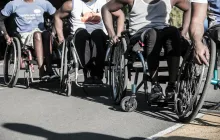
Dance based workouts can be adapted to a wide range of ages, body types, and physical abilities without sacrificing the core benefits. Instructors who emphasize clear cueing, supportive feedback, and thoughtful modification create environments where beginners can start at a comfortable level and gradually progress. The adaptability of music choices, tempo adjustments, and step complexity means that people with knee concerns, back pain, or limited mobility can still participate meaningfully, reaping cardiovascular benefits and improved confidence. This inclusive approach helps democratize fitness, inviting more people to experience the rewards of consistent movement and joyful engagement with their own bodies.
Choosing Dance Styles that Align with Personal Goals
The world of dance offers a spectrum of workouts, each with its own flavor and emphasis. A high energy cardio focus may be found in lively upbeat styles, where rapid footwork and dynamic isolation sequences drive vigorous movement and a strong cardio response. Alternatively, graceful forms that emphasize flow, alignment, and extension can cultivate thoughtful breathing and gentle muscular work that fosters longevity in practice. Styles rooted in cultural traditions may provide meaningful artistic context while still offering substantial physical benefits. The key is to connect with a style that resonates personally, cultivating intrinsic motivation that sustains practice and deepens enjoyment over time.
Movement Quality, Breath, and Conscious Practice
A hallmark of dance based workouts is attention to breath, posture, and the quality of movement rather than solely the outcome. Conscious breathing supports endurance, reduces tension, and coordinates energy with rhythm, helping participants sustain longer efforts with lowered perceived effort. The emphasis on alignment and control encourages a mindful approach to training, making it easier to listen to the body’s signals and adjust intensity to stay safe and resilient. Over the course of weeks and months, this deliberate practice fosters a refined sense of body awareness that enhances performance in daily life and in other athletic pursuits alike.
Programming, Progression, and Long Term Sustainability
Effective dance based programs blend variety with progressive challenge, gradually introducing more complex steps, faster tempos, or longer sequences as fitness improves. This approach keeps training from becoming stagnant, providing ongoing opportunities for growth while maintaining safety. A sustainable plan might rotate through different styles, incorporate periods of higher intensity alongside restorative sessions, and include regular rest and recovery. The result is a balanced framework that respects the body's needs and honors the playful, expressive core of dance while still delivering measurable health benefits over the months and years that follow.
Practical Tips for a Successful Start
To begin a dance based workout journey, create a comfortable space, choose music that uplifts you, and approach the first sessions with patience. Focus on learning a few foundational patterns rather than chasing perfection, allowing movement to become second nature rather than a source of self criticism. Wear supportive footwear and dress for the tempo of the class, and maintain hydration to sustain energy. It is beneficial to set a gentle routine that prioritizes consistency over intensity, allowing your body to adapt gradually while the mind grows accustomed to new patterns. In time, the combination of regular practice, positive reinforcement, and the intrinsic enjoyment of music and movement yields lasting changes that extend beyond the mat or studio.
Integrating Dance Workouts into Daily Life
The beauty of dance based workouts lies in their adaptability to everyday routines. Short, focused sessions can be woven into mornings before work or evenings after tasks are complete, and social dances or community events can serve as informal training grounds that reinforce habit formation. When movement is embedded in daily rituals, the workout ceases to be an isolated activity and becomes a natural expression of self care. The flexibility of scheduling, the low barrier to entry in many styles, and the broad range of tempos and intensities make it feasible to sustain a dance oriented practice across seasons, life transitions, and varying commitments, ensuring ongoing access to health benefits and personal joy alike.
As people continue to explore the benefits of dance based workouts, they may discover that the most profound gains are not only physical but also relational and existential. The body gains strength, balance, and vitality; the mind experiences clarity, reduced stress, and increased focus; and the heart finds connection through shared tempo and collective momentum. The dance floor becomes a metaphor for daily living, where intentionality, resilience, and creative spirit intertwine to produce a richer sense of self and a deeper appreciation for movement as a lifelong companion. In embracing this path, individuals build a practice that honors the complexities of human experience while celebrating the simple joy of moving with others and within themselves.