Understanding Lower Body Strength
Lower body strength is the foundation of everyday mobility, athletic performance, and long term joint health. It encompasses the ability of muscles such as the quadriceps, hamstrings, glutes, and calves to produce force, control movement, and absorb impact across a range of tasks. Strength in the hips and knees translates to stability during walking, running, stepping, and climbing stairs, while ankle and calf strength contribute to balance and propulsion. A holistic approach to building lower body strength at home recognizes that these muscles do not work in isolation but in coordinated patterns. The nervous system learns to recruit muscle fibers more efficiently, the connective tissues adapt to handle higher loads, and the tendons and ligaments become more resilient. For most people, strength training at home should target the major movement strategies that underlie everyday life: a powerful hip hinge for lifting and sprinting movements, a controlled squat pattern for sit-to-stand transitions, a steady lunge or step pattern for forward stepping, and calf engagement for ankle stability and rebound. This broader perspective helps ensure that gains translate to real-world tasks and reduce the risk of injury when activities change with age or lifestyle.
Key Principles for Home Training
Effective strength development in a home setting rests on several core principles that work together to deliver progressive improvement. Progressive overload is the engine of growth, which means gradually increasing the demand placed on muscles through adjustments in load, range of motion, tempo, or volume. Consistency consistently beats occasional intensity; regular practice over weeks and months produces meaningful adaptations while avoiding peaks and valleys in motivation. Proper technique is essential to unlock strength gains and protect joints, especially when performing movements with high mechanical demand such as squats, hip hinges, and lunges. Adequate recovery is another pillar, because muscles grow when they rest, not during the workout itself. Sleep, nutrition, and strategic rest between sessions all support the rebuilding process and prevent overuse injuries. Finally, variety within a coherent plan helps muscles adapt through different angles and speeds. By alternating between bodyweight work and controlled resistance, you can stimulate muscles in a way that remains safe and approachable in a home environment.
Assessing Baseline and Setting Realistic Goals
Before embarking on a home program, take a careful look at your current capabilities and limitations. A simple assessment can reveal strengths to exploit and areas to improve. A basic bodyweight squat should demonstrate a reasonably deep bend at the hips and knees with the chest upright and the weight distributed through the midfoot. A single leg stance test can indicate balance and ankle stability, while a step up to a moderate height can show how your hips and knees tolerate load when one leg bears the majority of the effort. If any movement causes sharp pain or poor alignment that persists beyond the workout, it is wise to modify or consult a professional before progressing. Setting goals that are specific, measurable, attainable, relevant, and time-bound helps maintain motivation. Goals might include increasing the depth and control of a squat within four to six weeks, adding a controlled hip hinge with a provided resistance, or improving balance to support daily activities such as climbing stairs or carrying groceries. By establishing a clear starting point, you can chart a path that remains challenging yet safe as you build strength at home.
Warm-Up and Mobility as a Foundation for Strength
A thoughtful warm-up prepares the muscles for work, primes the nervous system, and reduces the risk of injury. A practical routine begins with light cardio to raise heart rate and increase circulation, followed by dynamic movements that mimic the upcoming work. Arm swings can loosen the upper body, but the focus should turn quickly to the hips, ankles, and knees. Ankle circles and controlled calf raises help lubricate joints and activate the muscles needed for pushing and stabilizing. Hip circles, leg swings, and gentle glute activation work the larger muscle groups responsible for powerful lower body actions. Mobility work should emphasize both joint range of motion and soft tissue pliability; this prepares the neuromuscular system to recruit strength efficiently. A well-executed warm-up ends with a few controlled repetitions of the primary movements in a light, unloaded form, reinforcing good technique and mental readiness for the session ahead.
Core Patterns: Bodyweight Movements as the Bedrock
Bodyweight movements form the core of most home strength programs because they require minimal equipment and directly train the most functional patterns. The bodyweight squat embodies a coordinated flexion and extension of the hips, knees, and ankles, along with core bracing to maintain torso stiffness. A well-executed squat involves keeping the chest tall, maintaining balance through the midfoot, and ensuring the knees track over the toes without collapsing inward. The hip hinge represents another essential pattern, teaching you to bend at the hips while keeping the spine neutral and the core engaged. This movement is foundational for lifting tasks and for training the posterior chain. The lunge and step-up patterns train single-leg strength and stability, which are crucial for everyday activities such as climbing stairs or stepping onto curbs. The calf raise targets the muscles that provide ankle support and push-off, contributing to walking efficiency and sprinting power. Integrating these core patterns creates a comprehensive lower body program that builds strength across multiple joints and muscle groups in a balanced way.
Bodyweight Squats and Their Variations
The bodyweight squat is a versatile staple that can be scaled in several directions to fit your current level while promoting consistent progression. Begin with a stance that feels natural, keeping the feet about shoulder-width apart and the toes pointing slightly outward. The descent should be controlled, driven by hip and knee flexion, with the chest staying upright and the spine in a neutral position. As you master depth and technique, you can increase difficulty by adding tempo variations that slow down the descent, hold the bottom position for a brief pause, and then drive upward with force. A common progression involves narrowing or widening the stance to increase demand on the hip or the knee, or performing single-leg squats where feasible. For those seeking greater emphasis on the glutes and hamstrings, a tempo pattern that emphasizes a longer lowering phase followed by a powerful ascent can recruit more muscle fibers and improve joint stability. By refining the squat pattern, you lay a trustworthy foundation for more demanding movements and safer progression over time.
Hip Hinges and Posterior Chain Strength
The hip hinge pattern is central to developing posterior chain strength, which includes the glutes, hamstrings, and the lower back. The hinge movement should involve the hips driving most of the motion while the spine remains in a neutral position. A classic home variation is the glute bridge or the hip thrust, where the hips rise toward the ceiling while the feet stay planted and the core remains engaged. Progression can come from increasing the range of motion, executing the movement with one foot elevated, or adding a pause at the top to enhance glute activation. In addition to bridges, you can perform a Romanian deadlift style pattern using only bodyweight or light resistance if available, emphasizing a slow eccentric with careful control to challenge the hamstrings. These movements train hip extensor strength essential for sprinting, jumping, and lifting tasks, and they contribute to overall pelvic stability that supports the entire lower body chain.
Lunges, Steps, and Unilateral Strength
Unilateral movements like lunges and step-ups are crucial for balanced leg strength and injury prevention, since daily activities often require strength on one leg at a time. A forward lunge challenges hip and knee control as you lower one leg and then rise back to the starting position, keeping the torso vertical and the knee aligned over the ankle. A reverse lunge offers a different loading pattern and can be easier on the front knee while still building strength and stability. Step-ups with a stable elevated surface train the same muscles through a more concentric and controlled pattern, helping mimic the act of stepping onto a curb or onto a platform. When progressing, you can increase difficulty by heightening the step, slowing the tempo, or adding a pause at the bottom to challenge balance and control. Unilateral work also highlights asymmetries between sides, guiding targeted improvements for better overall function and performance.
Calf Strength and Ankle Stability
Calf raises are often overlooked but are essential for pushing off during gait and for absorbing impact. Start with a controlled rise onto the toes, lifting through the ankle and engaging the calves, then lower slowly to feel the stretch and control. To intensify, you can perform calf raises on a step to access a greater range of motion, add pause repetitions at the top, or perform single-leg calf raises to challenge balance and unilateral strength. Building calf strength supports efficient walking, running, and jumping, and it contributes to ankle stability that can prevent sprains or strains during daily activities or recreational exercise. Integrating calf work with ankle and foot mobility ensures a well-rounded approach to lower-body resilience and performance in various environments.
Mobility, Stability, and Injury Prevention
Strength development does not happen in a vacuum; it occurs within the context of mobility and joint stability. Mobility work helps maintain adequate range of motion at the hips, knees, and ankles, allowing you to perform exercises with proper form and safety. Stability work, including controlled isometrics and balance challenges, trains the nervous system to recruit muscles efficiently and to maintain alignment under load. A practical approach blends targeted mobility drills with strength tasks, ensuring that the joints move through their full ranges without compensations that could lead to pain or injury. This integrated strategy helps you build strength while preserving tissue health, which is especially important when training at home where power and control matter as much as volume and load.
Progression Without Equipment: How to Make Gains at Home
Advancing your strength without machines involves manipulating variables such as load, volume, tempo, and range of motion. To progress, you can add resistance by holding a household item at chest height during a squat, performing slower tempos to increase time under tension, or extending the duration of each eccentric phase to recruit more muscle fibers. Elevating the height of a step or bench changes the mechanical demand of a movement, providing a gentler or more challenging stimulus depending on the angle. You can also integrate unilateral work to shift the loading pattern and encourage balanced development between sides. A pause at the bottom or top of a movement increases time under tension and improves stability in vulnerable positions. Consistently applying these strategies allows you to build meaningful strength without needing a gym or heavy equipment.
Optional Equipment and How It Multiplies Your Results
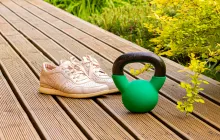
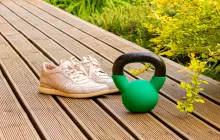
While it is possible to achieve substantial lower body strength with bodyweight alone, a few practical tools can unlock greater progression and variety without turning your home into a gym. Resistance bands provide portable, adjustable resistance for glute bridges, hip hinges, and lateral band walks that target the hips and thighs. A sturdy chair or bench serves as a platform for step-ups, elevated calf raises, and support for balance work. A lightweight dumbbell, kettlebell, or water-filled container can add load to many exercises, widening the spectrum of stimuli and enabling progressive overload in a controlled manner. A simple door anchor for bands can provide anchored resistance for hip abduction and adduction drills in tight spaces. With these tools, you preserve the simplicity of home training while expanding the potential for meaningful, systematic progression toward stronger legs and hips.
Structuring a Safe Home Routine
Designing a routine that is both effective and safe requires thoughtful planning and attention to your environment. Start with a realistic schedule that fits your lifestyle, ensuring you allocate enough recovery between sessions to allow muscles to adapt. Each workout should begin with a thorough warm-up and a clear focus on form for the major movements you intend to perform, followed by a cool-down that includes gentle stretching and breath work. Clear cues such as keeping the chest up, maintaining a neutral spine, and ensuring the knee tracks over the toes help maintain alignment and minimize compensations. If you experience pain during an exercise, stop and reassess your technique, reduce the range of motion, or switch to a simpler variation that keeps you moving without aggravating the joint. Prioritizing technique over the amount of load will yield better long-term results and support sustainable progress in a home setting.
Sample Week: A Gentle Yet Progressive Plan
In a balanced three to four day weekly format you can alternate between foundational loading and recovery to sustain momentum over the months. On one day you might focus on squats, hip hinges, and unilateral work, emphasizing controlled tempo and full range of motion to build muscular endurance and strength. Another session could target the posterior chain with bridges and single-leg variations, while the third session emphasizes lunges, step-ups, and calf raises to improve functional strength and balance. When possible, you can add an extra short session that concentrates on mobility, light activation exercises, or gentle cardio to support cardiovascular health without overstressing the joints. Across the week the aim is to create a clear pattern of stimulus that progressively challenges the muscles while respecting the body's signals for rest and recovery. This approach helps you stay consistent and makes the path toward stronger legs enjoyable and sustainable.
Nutrition, Recovery, and Sleep for Strength
Strength gains come from more than workouts; they arise from a supportive environment that includes adequate nutrition and recovery. Protein plays a central role in muscle repair and growth, and distributing its intake evenly across meals supports ongoing recovery. Caloric balance should align with goals; modestly increasing energy intake when the training load rises can help, while staying mindful of overall health and body composition. Hydration, micronutrients, and fiber contribute to optimal performance and well-being. Sleep quality matters just as much as the workouts themselves, because most repair and adaptation occur during rest. A practical recovery plan also includes gentle mobility work, light activity on rest days, and attention to any areas of lingering tightness or discomfort. By prioritizing nourishment and rest in tandem with your training, you position yourself to absorb new strength gains and to maintain resilience for the future challenges of life and sport.
Common Mistakes and How to Correct Them
Many people striving for lower body strength make avoidable errors that limit progress. Rushing through movements with poor alignment can strain the knees, back, or hips and sabotage long term gains. Failing to progressively overload can lead to plateaus, while excessive volume without adequate recovery invites soreness or injury. Neglecting mobility and stability work can leave joints stiff and compensations more likely. Inconsistent training reduces the stimulus needed for adaptation and erodes motivation. The antidote to these common pitfalls is a plan that respects technique, builds gradually, and balances effort with rest. By cultivating patience, listening to your body, and sticking with a steady progression that is appropriate for your space and equipment, you can avoid the most frequent roadblocks and continue to move forward toward stronger, more capable legs and hips.
Adapting for Space, Age, and Injury
Adapting a home program to limited space, aging bodies, or prior injuries requires thoughtful modifications that preserve safety while preserving effectiveness. In a small space you can focus on movements with a stable stance and minimal travel, such as wall-supported squats, hip hinges with a chair cue, and seated leg extensions with ankle resistance bands if available. For aging athletes or individuals with mobility concerns, emphasis on control, balance, and safer range of motion becomes paramount; shorter sets with longer rest intervals may be appropriate, while technique remains the priority. If an old or current injury restricts certain ranges, variations that isolate unaffected ranges or reduce load while maintaining joint alignment can keep you training consistently without aggravating symptoms. The key is to monitor comfort, adjust tempo, and select alternatives that allow continued exposure to the stimulus your body can handle while preserving long-term health and function.
Motivation, Habit, and Long-Term Impact
Consistency and positive feedback loops are the engines of long-term strength development. Setting realistic milestones, tracking small wins, and appreciating gradual improvements in performance can sustain motivation more effectively than chasing rapid, unsustainable gains. A home program benefits from variety within a clear structure; changing the exercises every so often while preserving the core patterns helps keep training engaging and reduces the risk of overuse. Building a routine that feels manageable and enjoyable for you increases adherence, which in turn leads to meaningful improvements in strength, balance, and mobility that can endure for years. By tying your training to daily life and personal function, you empower yourself to stay active, pursue goals, and enjoy better overall health without needing a gym membership or elaborate equipment.