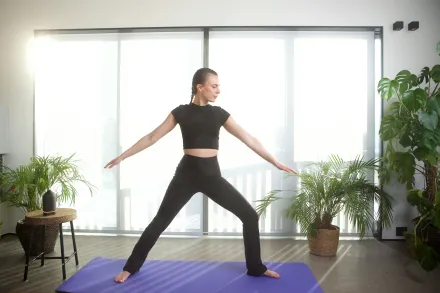
Posture is more than simply standing straight; it reflects how your body moves, breathes, and distributes effort across muscles, joints, and connective tissues. Flexibility is a core piece of that equation because it determines how freely muscles can lengthen and how joints can move through their full range without resistance. When flexibility coexists with balanced strength and mindful control, everyday tasks become easier, sitting and standing posture alignments improve, and the back neck and hips experience less strain. This article delves into practical, evidence informed approaches to improve flexibility in a way that supports lasting posture improvements. It emphasizes gradual, sustainable change rather than quick fixes, so that the body can adapt, rebuild, and maintain healthier alignment over time. You will learn how flexibility influences posture, how to assess where you stand, and how to design a daily routine that blends gentle movement, thoughtful stretching, and functional strength to create lasting improvements in how you carry yourself through the day.
Understanding the link between flexibility and posture
Flexibility refers to the ability of muscles and connective tissues to lengthen and allow joints to move through a range of motion. Posture, on the other hand, is the alignment and balance of the body in a given position, whether standing, sitting, or moving. When the muscles around the spine, hips, shoulders, and chest are tight or imbalanced, the body tends to compensate by adopting positions that reduce perceived effort in the moment but increase stress on ligaments, discs, and joints over time. Conversely, healthy flexibility supports a more neutral spine, a balanced pelvis, open chest, and relaxed neck. Achieving this state requires not only stretching but also learning to recruit the right muscles, maintain a soft yet stable core, and coordinate breath with movement. In other words, flexibility is a facilitator of vertical and horizontal alignment, while postural control depends on how you use that motion within daily tasks and athletic activities. Understanding this relationship helps you approach flexibility not as an isolated goal but as an integrated pathway to better posture, comfort, and resilience in daily life.
Quality of movement arises from a combination of length, strength, and neuromuscular control. Flexibility alone cannot guarantee good posture; it must be paired with awareness, stabilizing strength, and control at the joints. This means you might not dramatically lengthen a hamstring in a single week, but you can gradually modulate how your hip flexors interact with your pelvic tilt, how your thoracic spine lengthens when you reach forward, and how your neck and shoulder blades glide into a more open position when you breathe. The aim is to cultivate mobility with precision, so movement remains safe, efficient, and sustainable. As you progress, you will notice that small improvements in range of motion often translate into a more effortless posture during everyday activities such as standing in line, reaching for something on a shelf, or stepping out of a car. The interplay between flexibility and posture is dynamic, and patience with the process yields lasting dividends in spinal health and overall well being.
Assessing your current flexibility and posture
To begin making targeted improvements, you first need a clear sense of your baseline. A practical approach involves observing how your body feels in different positions, how easily you move through common arcs of motion, and where you notice stiffness or compensations. A simple self assessment can start with a wall test to gauge shoulder mobility by gently bringing your hands up the wall while keeping the arms straight, watching how high you can reach and whether the spine remains neutral or rounds in the lower back. Another useful gauge is to sit on the floor with legs extended and attempt to reach toward the toes, noting how much length is available in the hamstrings and calves, and whether you can maintain a comfortable lumbar curve or feel tension in the lower back. When standing, check how the pelvis tilts and whether the chest tends to collapse forward or the shoulders creep toward the ears. If you notice persistent tension in the neck, lower back, hips, or hips that tilt excessively, those are clear indicators of areas needing attention. It is important to recognize that differences between individuals are normal, but disproportionate limitations in key regions can contribute to postural misalignment over time and may require tailored strategies that address both flexibility and stability. In parallel, paying attention to breathing patterns and how your rib cage expands with each inhale can reveal areas where the nervous system may be contributing to stiffness, guarding, or shallow breathing that reinforces tense postures.
For a more structured assessment, consider a functional mobility screen performed with a qualified professional such as a physical therapist or certified mobility coach. Such a session can reveal asymmetries, joint restrictions, and the interplay between proximal and distal segments that influence posture. While professional evaluation is valuable, you can still make meaningful progress by regularly tracking how your body responds to gentle movements and stretches, and by noting when you observe improved ease in daily actions such as reaching overhead, bending forward, or turning your torso. The goal of assessment is not to judge but to guide a personalized plan that respects your current capabilities while encouraging safe, progressive gains in flexibility and postural control. Consistency and mindful observation are the pillars of an effective assessment that informs the steps you take next.
Foundations: movement quality and mindful breathing
A robust flexibility program rests on two foundations: movement quality and mindful breathing. Movement quality means performing movements with control, smooth transitions, and minimal pain or resistance. It involves maintaining a soft spine, stable core, and balanced tension across muscle groups so that flexibility gains come without inviting compensations or stress on joints. Mindful breathing supports this process by guiding how you gather and release tension throughout the body. When you breathe deeply with the diaphragm, you create a rhythm that helps relax the nervous system, reduces guarding around joints, and makes it easier to move into gentle ranges of motion. Pairing slow, full exhales with lengthening movements can make stretches feel more comfortable and sustainable. In practice, you can begin a session by focusing on a few cycles of diaphragmatic breathing, letting shoulders relax away from the ears, and then guiding movement with an intention to keep the spine long and the breath steady. This approach reduces the likelihood of tensing up during each stretch and supports a more reliable progression over time. Building awareness of how your body responds to different positions also helps you recognize when limits are true physical barriers versus when they reflect habitual guarding that can be softened with practice and patience.
Another essential element is the concept of progressive exposure. Rather than forcing yourself into an intense stretch, you gradually increase the range of motion as your tissues acclimate. This slow, steady approach lowers the risk of strain and helps you develop a more accurate sense of capacity. It also aligns with the principle of tissue remodeling, which requires gentle overload over weeks and months to yield meaningful gains. Consistency matters; short, frequent sessions often outperform long, sporadic ones. By embedding micro movements and light mobility work into your daily routine, you create a persistent stimulus that trains your nervous system to tolerate increased ranges with improved control. This combination of mindful breathing, high-quality movement, and gradual exposure lays the groundwork for sustainable improvements in flexibility that support posture in both static positions and dynamic activities.
Building a daily routine that supports flexibility
Creating a daily routine that truly supports flexibility means weaving mobility into both rest periods and active days. Start with a brief warm up that primes the joints and soft tissues before any effort, such as gentle arm circles, ankle rolls, and light hip openers performed with attention to smoothness rather than depth. This prepares soft tissues to accept more movement and reduces the risk of micro injuries. Following the warm up, a dedicated mobility block can be as short as five to ten minutes but should be performed with consistency. During this block, you can explore a mix of dynamic movements that move joints through their ranges of motion and static holds that gently lengthen muscles without forcing the body into discomfort. The goal is to cultivate an adaptable, well lubricated system that supports posture and daily tasks. Finally, a cool down that emphasizes breathwork and mindful release helps consolidate gains and prevents residual tension from building up after a day of sedentary work or intense activity. By treating flexibility as a daily habit rather than an occasional practice, you create a platform from which posture can rise naturally and sustainably, even when life gets busy or physical demands change.
A practical rhythm is to dedicate a few moments in the morning to awaken the spine, hips, and shoulders, then reintroduce mobility work in the afternoon or evening to counteract prolonged sitting. When designing your routine, consider the realities of your day: a short, focused session before work may be more feasible than a lengthy workout later, and a quick desk stretch during a midafternoon break can prevent stiffness from taking hold. The key is to maintain a consistent cadence, listen to your body’s signals, and avoid pushing into pain or sharp sensations. With time, your nervous system learns that movement is safe, comfortable, and beneficial, and the body responds with increased range, organized posture, and greater confidence in daily tasks. The routine should feel like an ally rather than a chore, a reliable partner in the ongoing effort to move well and stand tall with ease. By prioritizing quality over quantity and honoring individual limits, you cultivate a durable flexibility foundation that supports posture across activities and stages of life.
Stretching strategies that protect joints
Stretching should be approached with respect for the joints and the surrounding tissues. Safe strategies involve gradual progression, controlled hold times, and attention to form rather than depth of a stretch. Avoid bouncing or forcing a joint beyond its comfortable range, as this can irritate tissues and provoke protective muscle guarding. A practical guideline is to aim for gentle proximal stretches in which the muscle softly lengthens while the joint remains stable. Holding a stretch for a steady window of time allows the nervous system to adapt to the increased range, and repeating the stretch later in the day or on subsequent days reinforces gains. Pacing matters; if you feel a sharp pain or a deep, throbbing discomfort, you should ease off and revisit the movement with a smaller range. Prolonged static holds can be beneficial for flexibility when balanced with dynamic work and adequate rest. The inclusion of light proprioceptive techniques, such as gently pulsing or using gentle isometric engagement at the limit of comfortable range, can promote neural adaptations that support longer, softer stretches in the future. By adopting a thoughtful, patient approach to stretching, you protect joints while guiding muscles toward greater length and resilience, a combination that directly influences posture in everyday life and athletic endeavors alike.
In addition to static stretching, consider a spectrum of mobility practices that emphasize movement quality. Controlled articular rotations, gentle joint circles, and tissue mobilization with a soft ball or foam pad can help restore tissue glide and reduce friction between layers of muscle and fascia. These tools are not magic solutions but effective aids when used consistently and safely. The overarching strategy is to maintain a calm nervous system that permits longer ranges of motion, while protecting the joints from undue strain. With regular practice, you can experience improvements in how your hips rotate, how your shoulders sit on the rib cage, and how your spine lengthens as you bend and twist. The more you connect breathing with movement and approach each session with patience, the more your flexibility will respond in a way that supports a healthier, more open posture across daily activities and sport alike.
Targeted stretches for the key areas
To support posture, you will want to gently target several major regions that most commonly influence alignments in the upper body, the spine, and the hips. The chest and front of the shoulders often tighten from extended desk work, carrying tension into the upper back and neck. A careful horizontal stretch with extension of the thoracic spine can help open the chest while maintaining a lengthened spine. The upper back and mid back benefit from movements that promote spinal extension and thoracic mobility, which reduce excessive rounding that commonly accompanies poor posture. The hips, hip flexors, and glutes frequently limit pelvic neutrality and leg alignment, so stretches that address flexor length and glute activation can significantly improve overall posture. The hamstrings, calves, and ankles influence how the pelvis tilts and how the spine stacks when standing and bending. Neck mobility and shoulder blade mobility also play a crucial role in how the head sits on the spine and how the arms function in space. A well designed routine balances these regions so that improvements in one area do not lead to compensations elsewhere. Within each area, the emphasis should be on controlled lengthening, comfortable holds, and consistent practice rather than pushing into intensity. The goal is a gradual accumulation of soft, sustainable ranges that support a natural upright posture without creating new tension elsewhere in the body. Incorporating gentle chest openers, hip flexor pathways, and spinal extension moves fosters a posture that feels effortless and resilient, even after long periods of sitting or standing.
In practice, you can pair a few minutes of chest and shoulder opening with a longer, slower sequence for the hips and spine, and then finish with targeted neck and upper back work. Breath guides the tempo, with inhalations creating space and exhalations softening tissues and releasing tension. Respect your current limits, especially if you are returning from an injury or managing a chronic condition. Small, frequent gains accumulate into a more permanent change, and the return on investment grows as you integrate these stretches into daily routines. Remember that flexibility is a lifelong process, and the most effective plans adapt to your evolving needs while preserving safety, control, and comfort. With thoughtful practice, your posture can incrementally become more balanced and sustainable, and your daily movement can be performed with less fatigue and greater ease.
Integrating strength with flexibility for posture
Flexibility alone is not enough to ensure robust posture; it must be accompanied by appropriate strength and neuromuscular coordination. Muscles that are too lax or too weak can fail to support the spine during daily activities, reducing the efficiency of the gains from mobility work. A balanced program includes core stabilization exercises, hip and glute activation, and upper back and shoulder blade strength. When you develop a stable, engaged core and a well supported upper back, you create a solid platform from which you can lengthen and use your joints through comfortable ranges without overcompensation. The synergy between mobility and strength supports efficient movement patterns, helps you maintain an upright posture during long days, and improves your ability to transfer force through the body with less strain. The goal is not to maximize stretch numbers but to improve the consistency of proper alignment during both static positions and dynamic tasks. By cultivating strength in the key stabilizers and integrating gentle mobility work that respects tissue tolerance, you build a posture that is less likely to collapse under fatigue or repetitive stress.
Try to align your scheduling so that mobility work comes alongside conditioning sessions rather than in isolation. For instance, you can begin a workout with a short mobility sequence to prime joints, then perform strength training with careful attention to form, and conclude with a mindful cool down focusing on breath and gentle stretches. This approach supports tissue remodeling, neural adaptations, and motor learning that together reinforce healthier posture. It also reduces the risk of compensations that can arise when strength and flexibility are trained separately without integration. A well integrated plan respects your body’s signals, gradually increases demands, and builds confidence that you can maintain good posture throughout varied activities, whether you are lifting, climbing stairs, or working at a desk. The end result is not merely increased range of motion but a more resilient, adaptable body that holds itself with less effort and more stability across the day.
Functional mobility and posture in daily life
Posture exists not only in the gym or studio but in the way you move during routine tasks. Functional mobility emphasizes being able to perform everyday motions with ease and efficiency while maintaining alignment. Small adjustments in daily postures can yield meaningful improvement over time. For example, when you sit, aim to keep your spine supported and shoulders relaxed, and adjust the chair height so that your feet rest comfortably on the floor with the knees at about a right angle. When you stand, distribute weight evenly between both feet, and avoid locking the knees or letting the pelvis tilt excessively forward or backward. Regular micro breaks during long periods of desk work or screen time help prevent the stiffening patterns that aggressively pull the body out of alignment. During such breaks you can incorporate short mobility flows that gently lengthen the hip flexors, open the chest, and restore thoracic extension. In addition, daily tasks like reaching overhead to grab an item, bending to tie shoes, or turning to look behind while driving all involve coordinated mobility and postural control. The more you practice maintaining a comfortable, upright position in these moments, the more your nervous system learns to reproduce good posture with less cognitive effort. Over weeks and months, these small choices accumulate into a posture that feels natural and sustainable, reducing fatigue and improving overall well being in many aspects of life.
Tracking progress and staying consistent
Consistency is the engine that drives lasting flexibility gains and better posture. Establishing a simple tracking method helps you stay accountable without turning the process into a chore. A practical approach includes noting the days you perform mobility work, the specific movements you practiced, and the sensations you experienced during and after holds. Visual reminders, such as a reflection in a mirror or a brief video moments to compare posture before and after sessions, can provide insight into how your alignment evolves over time. Regular self assessments, conducted every couple of weeks, help you adjust intensity and range and determine whether to progress a stretch, hold longer, or introduce a new movement. Importantly, progress often appears as changes in how you feel during daily tasks: more ease in reaching overhead, less fatigue after long periods of sitting, and a more comfortable alignment when standing. Celebrate these small, measurable improvements, and allow yourself to adapt the plan as your body changes. Consistency also means listening to your body and accommodating rest when fatigue or soreness accumulates, ensuring you maintain a sustainable rhythm rather than pushing through discomfort that could slow or derail long term gains.
In addition to internal tracking, consider seeking feedback from a trusted partner or coach who can observe your posture and offer gentle cues to refine alignment. A supportive presence can reinforce correct form during stretches and mobility work and help you stay motivated during plateaus. As you progress, you may notice that mobility improvements translate into greater confidence in sports, hobbies, and daily life activities. The ability to move with increased range while maintaining control tends to carry over into posture by reducing the need for compensations and by encouraging a more balanced distribution of effort across the body. Over time, you can enjoy a posture that feels natural and energy efficient, with flexibility acting as a functional ally rather than a source of tension or discomfort.
Common mistakes and safety tips
Avoiding common missteps is essential for sustainable gains in flexibility and posture. Pushing into pain or forcing ranges that your tissues cannot yet tolerate is a sure way to provoke inflammation, muscle tears, or joint irritation. Training should be characterized by a gradual, patient approach where comfort guides progress rather than intensity alone. If a stretch elicits sharp or lingering pain, you should ease off and reassess technique, alignment, and load. It is also important to balance flexibility work with strength training, rather than perceiving them as separate or opposing goals. Inactivity or inconsistent practice can lead to a loss of mobility gains, so even modest, regular sessions are typically more effective than occasional longer efforts. For individuals with excessive spinal curvature, previous injuries, or diagnosed musculoskeletal conditions, consult with a healthcare professional before starting a new mobility program, and tailor movements to your specific needs with professional guidance when necessary. Hydration, sleep quality, and general activity levels profoundly influence tissue pliability and recovery, so address these factors alongside your mobility work. Finally, listen to your nervous system; stress, fatigue, and poor sleep can create tension that masquerades as stiffness, which may require adjustments in volume, frequency, or technique. Visiting a mindful, patient driven approach helps you stay safe while making meaningful, durable improvements in both flexibility and posture.
Maintaining awareness of what works best for your body is central to long term success. As you continue to explore various stretches and mobility flows, you may discover that certain movements resonate more deeply and others require more time to yield noticeable benefits. The process is individualized, and flexibility improvements are a reflection of consistency, intelligent progression, and a commitment to movement quality. By prioritizing controlled, gentle movements over aggressive stretching, you support your joints, tissues, and nervous system in their quest for greater freedom of movement and a more naturally upright posture. Over time, this approach becomes a natural habit that integrates with your everyday life, transforming how you move, sit, stand, and engage with the world around you.