Obesity is a condition characterized by an excess accumulation of body fat that presents a risk to health across multiple organ systems. When this excess fat concentrates around the abdomen, thighs, and chest, it can influence how the heart and blood vessels function, how the body manages energy, and how inflammatory processes unfold over time. The heart, as the central pump of the circulatory system, is uniquely affected by the metabolic and mechanical burdens imposed by excess weight. This article explores the diverse pathways by which obesit...
Diseases & Conditions


Understanding the human digestive system involves recognizing how the body can misinterpret certain dietary components and trigger responses that range from mild discomfort to significant health challenges. In the realm of immune mediated disorders, celiac disease stands out as a lifelong condition that is activated by exposure to gluten, a composite of proteins found in wheat, barley, and rye. This introductory exploration aims to illuminate what celiac disease is, how it differs from gluten sensitivity and other related conditions, and what t...

Blood clots are natural components of the body's healing system, designed to stop bleeding when a vessel is injured. Yet when clots form inappropriately or travel through the bloodstream to unusual locations, they can cause serious harm. Understanding why clots form involves looking at a combination of biological processes, environmental influences, and genetic predispositions that create an environment where clotting may be activated too soon, too strongly, or in the wrong place. The study of clot formation encompasses anatomy, physiology, pat...

Lupus is a complex autoimmune condition in which the body’s immune system, which normally protects against infections, turns against healthy tissues. This misdirected response can affect the skin, joints, kidneys, heart, lungs, brain, and other organs. People with lupus may experience periods of relative calm interspersed with flares when symptoms worsen. Because lupus is highly individualized, its presentation can vary widely from person to person, making personalized care essential. In many cases, symptoms emerge gradually, with fatigue and j...

Chronic bronchitis is a long standing inflammation of the airways that leads to persistent coughing and excess mucus production. The condition is part of a broader spectrum known as chronic obstructive pulmonary disease, or COPD, and it requires a sustained approach that integrates medical treatment, environmental control, and lifestyle adjustments. The core aim of management is to reduce symptoms, limit the frequency and severity of flare ups, preserve lung function, and improve overall quality of life. For many people, a combination of medica...
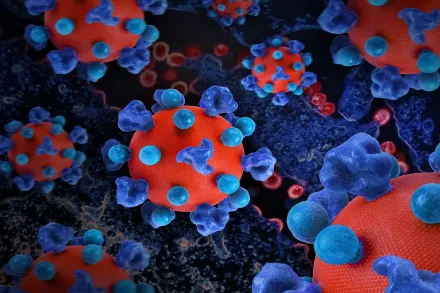
Autoimmune diseases represent a family of conditions in which the immune system misfires and targets the body's own tissues. This misdirected response can affect joints, organs, skin, nerves, and other systems in ways that vary from person to person and from disease to disease. The daily experience of individuals living with autoimmune disorders is shaped by a combination of physical symptoms, treatment regimens, personal resilience, social support, and the broader context of healthcare access. Understanding how these diseases intersect with or...

Chronic migraine is a complex neurological condition characterized by recurrent headache episodes that can range from throbbing and unilateral pain to more diffuse sensations that squeeze the head from within. It is not merely a series of isolated headaches; for many people the pattern becomes a persistent cycle that affects daily activities, sleep, mood, and work. While the exact biology remains intricate, several common threads connect chronic migraine to overall brain function, including sensitization of pain pathways, fluctuations in neurot...
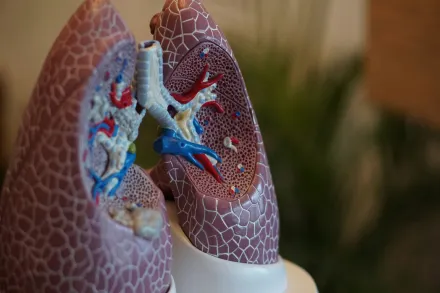
Lung cancer often grows silently and presents symptoms only after it has advanced, which makes timely detection crucial. Readers who are attentive to changes in breathing, cough patterns, or chest sensations can gain an opportunity to seek evaluation before disease progresses. The goal of this guide is to present a clear, patient centered overview of early signals and practical steps to pursue care in a responsible, informed way. By understanding the signs, risk factors, and available screening options, individuals can participate more actively...

When the body carries excess weight, every step imposes a larger mechanical demand on the joints that bear the most load, primarily the knees and hips. The knee joint, with its complex geometry and exposed cartilage, absorbs shock as the foot contacts the ground and the leg rotates in stance. In obesity, the total load transmitted through the knee during walking or stair climbing increases by a significant margin compared with normal weight, leading to accelerated wear of cartilage and changes in the subchondral bone. This mechanical overload c...

Heart disease remains a leading health concern worldwide, and recognizing early signs can make a crucial difference in outcomes. Knowledge of subtle signals, a willingness to seek professional evaluation, and proactive management of risk factors are powerful allies in preventing progression. This article explores how to detect early signs of heart disease, the kinds of symptoms that warrant urgent attention, practical steps for monitoring health at home, and the broad range of medical tools that help clinicians assess risk long before a crisis ...