Mechanical Load and Joint Stress
When the body carries excess weight, every step imposes a larger mechanical demand on the joints that bear the most load, primarily the knees and hips. The knee joint, with its complex geometry and exposed cartilage, absorbs shock as the foot contacts the ground and the leg rotates in stance. In obesity, the total load transmitted through the knee during walking or stair climbing increases by a significant margin compared with normal weight, leading to accelerated wear of cartilage and changes in the subchondral bone. This mechanical overload can initiate microtrauma that accumulates over years, altering the alignment of the leg and changing how forces travel through the joint. Even small increases in body mass can translate into substantially higher contact pressures within the medial or lateral compartments of the knee depending on gait and varus or valgus alignment. Over time, these repetitive high loads contribute to thinning of the articular cartilage, fissuring, and ultimately osteoarthritic changes that compromise joint function and pain thresholds.
Beyond the knee, the hip also experiences increased ultimate joint reaction forces with obesity. The hip joint relies on a balanced distribution of forces across the acetabulum and the femoral head, and excess weight shifts contact areas that can irritate the joint surface. In addition to direct load, obesity can affect gait patterns, reducing walking speed and altering stride width. These adaptations can increase torque around the joints and compress soft tissues, including the synovial lining that surrounds the joint. The cumulative mechanical stress interacts with age-related cartilage changes, making obesity a risk factor not only for the onset of pain but for the quicker progression of degenerative changes that reduce range of motion. In some individuals, the combination of high body mass and reduced muscle strength may further amplify joint loads because weakened muscles fail to properly absorb shock and stabilize the joints during movement.
Muscle strength, particularly around the knee, plays a crucial role in modulating the impact of body weight on joint health. When the muscles that support the joint are strong and well-tuned, they can resist excessive bending moments and absorb part of the shock. In many people with obesity, physical deconditioning reduces this protective effect, creating a cycle wherein pain discourages activity, muscle mass declines, and joint loading becomes less evenly distributed. This cycle makes it harder to regain function through exercise alone and emphasizes the importance of integrated rehabilitation approaches that combine gradual weight reduction with resistance training designed to protect the joints. As the body adapts to higher loads, bones may remodel to bear the increased stress, but these changes can contribute to pain and stiffness if the remodeling is imbalanced or localized to certain regions of a joint.
Biochemical and Inflammatory Pathways
Obesity is not only a mechanical condition; it also creates a biochemical environment characterized by chronic low-grade inflammation. Adipose tissue, once thought to be inert fat storage, actively secretes a range of signaling molecules known as adipokines. These substances circulate in the bloodstream and can reach the joints, influencing the behavior of resident cells in cartilage and synovial tissue. Leptin, for example, rises with increased fat mass and can stimulate inflammatory processes within the joint, promoting the production of enzymes that break down cartilage and elevate the sensitivity of nerve endings that signal pain. Other adipokines, such as resistin and visfatin, can amplify the inflammatory milieu and interact with immune cells to sustain synovitis, even in the absence of obvious joint infection or injury. This systemic inflammatory state can prime joints to respond to mechanical stress with exaggerated inflammatory reactions, accelerating the degenerative cascade associated with osteoarthritis.
In addition to adipokines, obesity alters the profile of circulating cytokines such as interleukin-6 and tumor necrosis factor-alpha. These cytokines can impair cartilage matrix synthesis and upregulate matrix metalloproteinases, enzymes that degrade collagen and proteoglycans in cartilage. The synovial membrane, which lubricates and nourishes the joint, is particularly susceptible to inflammatory infiltration in obesity, leading to synovitis that worsens swelling, warmth, and pain. The interaction between mechanical overload and biochemical inflammation creates a synergistic effect: physical stress damages the joint surface, while inflammatory mediators degrade the repair capacity of cartilage. This dual hit reduces the ability of the joint to withstand daily activities and can accelerate functional decline even when radiographic changes are modest at first.
Chronic inflammation linked to obesity also influences bone turnover and cartilage repair. Pro-inflammatory signals can shift mesenchymal stem cell differentiation away from healthy cartilage regeneration toward aberrant tissue formation or increased fat within the marrow and subchondral bone. Over time, this can contribute to subchondral sclerosis, osteophyte formation, and abnormal bone remodeling that accompanies osteoarthritis. The interplay between systemic inflammation and local joint processes helps explain why weight loss not only eases symptoms but also reduces inflammatory markers in some patients, potentially slowing disease progression. These mechanisms highlight why joint health in obesity benefits from strategies that address both mechanical load and inflammatory balance.
Metabolic and Endocrine Influences
Metabolic changes associated with obesity, including insulin resistance and dyslipidemia, exert additional effects on joints beyond mechanical load and local inflammation. Insulin and insulin-like growth factors influence the metabolism of chondrocytes, the cells that maintain cartilage. When insulin signaling becomes impaired, chondrocyte function may decline, reducing the production of healthy extracellular matrix components such as collagen type II and proteoglycans. The accumulation of advanced glycation end products (AGEs) with prolonged hyperglycemia can stiffen collagen and cross-link tissues, making cartilage and ligaments less resilient to mechanical stress. These biochemical modifications are not necessarily reversible with short-term weight loss and can contribute to accelerated cartilage aging. In addition, dyslipidemia can affect the microvascular supply to joint tissues, compromising nutrient delivery and waste removal in the notoriously avascular regions of cartilage, which rely on diffusion from synovial fluid for maintenance.
Visceral adiposity, often present in obesity, secretes pro-inflammatory mediators that reach joints via the circulatory system and may worsen local inflammation. The combination of systemic metabolic stress and local inflammatory signals shifts the balance of anabolic and catabolic processes within cartilage. As the joint tissue experiences this metabolic pressure, there is a tendency toward reduced capacity to repair micro-damage, leading to a gradual thinning of the cartilage surface and the development of fissures. The endocrine environment also interacts with mechanical factors such that people with central obesity may experience pain with less physical activity due to heightened inflammatory sensitivity, reinforcing a cycle of reduced movement and further weight gain. Understanding these metabolic influences helps explain why even modest weight loss can produce meaningful improvements in pain and function for some individuals by altering the systemic milieu in which joints operate.
Joint-Specific Impacts: Knees and Hips
The knee is the joint most clearly linked to obesity, with higher body mass serving as both a direct load and a promoter of degenerative disease. In knee osteoarthritis, the combination of elevated compressive forces and inflammatory mediators accelerates cartilage breakdown in the medial compartment where load is greatest during walking. Patients with obesity often report earlier onset of symptoms, more severe pain, and faster radiographic progression of osteoarthritis compared with lean individuals. Weight reduction through diet and exercise often yields noticeable improvements in pain and function, underscoring the mechanical and inflammatory components of disease. Surgical outcomes for knee procedures such as total knee replacement can be influenced by BMI; higher weight can complicate anesthesia, wound healing, and rehabilitation, making weight management an important part of preoperative planning and postoperative care.
Hip joints are also affected by obesity, though the presentation may differ from the knee. Excess body mass increases the forces transmitted through the hip during ambulation and can contribute to labral stress and articular cartilage wear. In some patients, obesity is associated with a quicker decline in hip function, reduced range of motion, and greater pain during activities that require hip mobility. Fat distribution around the pelvis and thigh can influence biomechanics, sometimes altering the angular forces exerted on the acetabulum. As with the knee, weight loss can relieve hip pain, improve mobility, and slow the progression of degenerative changes, reinforcing the idea that metabolic and mechanical factors converge to shape joint outcomes in obesity.
Beyond the major joints, obesity affects smaller joints of the hands and feet less in mechanical terms but can still contribute to symptom development through systemic inflammation and altered pain perception. Some individuals experience hand osteoarthritis or arthritic symptoms in non weight-bearing joints that correlate with inflammatory markers and metabolic syndrome. The foot and ankle also bear a disproportionate share of load in obesity, leading to structural stress such as plantar fascial thickening, flat feet, and altered gait patterns that can irritate the joints of the hindfoot and midfoot during daily activities. Understanding these patterns highlights why comprehensive joint care in obesity must consider the entire kinetic chain from the foot up through the spine to optimize function.
Spinal Health and Obesity
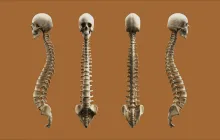
Obesity places a persistent load on the spine, particularly the lumbar region, where weight-bearing structures confront substantial stress during standing and walking. The increased mechanical demand can contribute to degenerative disc disease, facet joint arthropathy, and spinal stenosis in some individuals. Additionally, excess adiposity is associated with changes in spinal posture and reduced physical activity, which can further weaken the core muscles that support the spine. The combination of disc dehydration, annular weakening, and facet joint wear can manifest as chronic back pain, reduced flexibility, and altered biomechanics that propagate compensation patterns throughout the kinetic chain. The interplay of loading and inflammation in the spine underscores the need for integrated strategies that address core strength, weight management, and mobility to protect spinal health in obesity.
Intervertebral discs rely on nutrition delivered by diffusion from surrounding tissues, which can be impeded by obesity-related inflammation and metabolic disturbances. Elevated circulating lipids and inflammatory cytokines may modify the endplates and reduce nutrient supply to the disc tissue, promoting early degenerative changes. In addition, vertebral bodies respond to increased load with remodeling that can create stiffness and reduced shock absorption. The cumulative effect is a higher likelihood of mechanical back pain exacerbated by obesity, particularly in individuals with sedentary lifestyles or those who engage in activities that place repetitive stress on the spine. These spinal concerns intersect with general joint health, reinforcing that obesity should be viewed as a systemic factor affecting many tissues, not only cartilage.
Metabolic Comorbidities and Joint Health
Obesity often accompanies metabolic syndrome, diabetes, hypertension, and dyslipidemia. Each component interacts with joint health in distinct ways. Diabetes, for example, can impair microvascular function in cartilage tissue, reduce the resilience of connective tissues, and increase the risk of complications after joint surgery. Hypertension and vascular changes may influence perfusion to the subchondral bone and synovial tissue, potentially affecting nutrient delivery to the joint and the health of cartilage. Dyslipidemia can contribute to systemic inflammation and oxidative stress, feeding into the same pathways described in the inflammatory section. Collectively, these comorbidities create a milieu in which joints are more vulnerable to damage, slower to repair, and more prone to symptomatic progression of conditions such as osteoarthritis.
Assessment and management of obesity-related joint disease must address these metabolic factors alongside mechanical considerations. Blood sugar control, lipid management, and blood pressure optimization may indirectly influence joint outcomes by reducing inflammatory load and improving tissue perfusion. Some studies suggest that improvements in metabolic health through lifestyle modification, medications, or bariatric procedures can translate into meaningful improvements in joint pain and function independent of body weight changes. This emphasizes a holistic approach to treatment that recognizes how obesity interacts with other health domains to shape joint health over time.
Lifestyle, Diet, and Weight Management for Joint Health
Lifestyle choices play a central role in shaping joint outcomes for people living with obesity. A sustainable weight management plan that emphasizes gradual, medically supervised weight loss tends to yield better joint-related results than drastic reductions that are hard to maintain. Even modest weight loss, such as five to ten percent of body weight, can reduce knee joint load and alleviate pain for many individuals, while also reducing inflammatory markers in some cases. Diet quality matters as well; emphasizing whole foods, fiber-rich patterns, lean proteins, and healthy fats can support metabolic health and reduce systemic inflammation that can spill over into joint tissues. The relationship between diet and inflammation is nuanced, but the overall effect of a nutrient-dense, balanced intake is a tangible benefit for joint comfort and mobility.
Weight management must be paired with physical activity that respects joint safety. Low-impact aerobic exercises, such as swimming, cycling, or water aerobics, reduce loading on weight-bearing joints while improving cardiovascular fitness. Resistance training strengthens surrounding muscles to protect joints and improve stability, which can decrease pain and improve function. Flexibility and balance work help maintain range of motion and reduce the risk of falls that could provoke joint injuries. Behavioral strategies, social support, and professional coaching enhance adherence to lifestyle changes, which are essential for long-term joint health. Kell and others have observed that durable improvements in joint symptoms often hinge on a combination of weight reduction and enhanced muscular support rather than weight loss alone.
In some cases, medical or surgical interventions for obesity may be considered as part of a plan to reduce joint disease burden. Bariatric surgery can lead to substantial weight loss and improvements in metabolic health, and several studies have reported reductions in knee pain and improved physical function after substantial weight reduction. However, these procedures carry risks and require careful patient selection, multidisciplinary care, and long-term lifestyle commitment. When combined with physical therapy and gradual activity, these weight loss strategies may shift the trajectory of joint disorders, potentially delaying or reducing the need for invasive joint procedures. The key is to tailor approaches to the individual, balancing benefits, risks, and long-term goals for joint function.
Exercise and Rehabilitation Considerations for Obese Individuals
Exercise prescription for people with obesity must be carefully designed to minimize joint stress while maximizing functional gains. A graded program that begins with non-weight-bearing or minimally loaded activities reduces the risk of acute joint injury while building confidence and endurance. Physical therapy can play a central role in teaching proper movement patterns, optimizing alignment, and strengthening muscles around the hips, knees, and ankles. Emphasis on core stability and neuromuscular training supports better balance and load distribution during daily activities. As endurance improves, gradually incorporating weight-bearing elements helps the joints adapt to increased demands without sudden spikes in pain. A well-rounded plan often includes warm-up, cool-down, and ongoing assessment to track improvements in pain, function, and radiographic or imaging markers when applicable.
Practical considerations for adherence include choosing inclusive, accessible activities such as water-based workouts, recumbent cycling, or elliptical training that minimize impact while allowing progress. Footwear and orthotics may influence shock absorption and alignment, and proper assessment can prevent injury. In addition, pain management strategies, pacing, and rest periods are essential for long-term engagement. For some individuals, addressing sleep quality, nutrition support, and mental health can improve motivation to exercise, creating a virtuous cycle where physical activity becomes a durable habit rather than a burden. The goal is to create sustainable movement patterns that patients can maintain even if weight loss is gradual or slower than desired.
Healthcare teams should consider the broader context of obesity when planning rehabilitation. Psychological support, smoking cessation programs, and social services can influence access to care and adherence to exercise prescriptions. Collaborative care models that integrate physicians, physical therapists, nutritionists, and behavioral specialists tend to yield the best joint-related outcomes. As our understanding of obesity and joint health deepens, clinicians increasingly recognize that successful management depends on addressing physical, metabolic, and psychosocial dimensions in tandem, rather than focusing solely on body weight as the sentinel measure of progress.
Future Directions and Ongoing Research
Researchers continue to explore how weight reduction interacts with joint biology to influence disease trajectories. New interventions target inflammatory pathways, adipokines, and metabolic regulators in hopes of slowing cartilage degeneration or supporting repair processes. In parallel, lifestyle modification programs that combine diet, physical activity, and behavioral therapy are being refined to maximize adherence and clinical benefits for obese individuals with joint disease. The use of imaging biomarkers, such as MRI, can help track early tissue changes and assess responses to weight loss and exercise programs, providing insight into which patients are most likely to benefit from specific interventions. These advances create opportunities for personalized strategies that align weight management with joint-protective therapies.
Pharmacologic options that influence body weight, metabolic health, or inflammation may indirectly affect joint health. For example, medications that improve insulin sensitivity or reduce systemic inflammation can modulate the joint environment and potentially improve function and pain. Bariatric procedures continue to be evaluated for their longer-term effects on musculoskeletal health, including how rapid weight loss may alter joint stability, muscle mass, and rehabilitation needs. Ongoing clinical trials investigate the most effective combinations of diet, exercise, and medical therapies to optimize joint outcomes in people with obesity while considering quality of life, safety, and durability of benefits.
Social and Psychological Dimensions of Obesity and Joints
Living with obesity affects not only physical health but also emotional well-being and social participation, all of which can influence joint outcomes. Psychological factors such as pain catastrophizing, fear of movement, and low motivation can hinder engagement in exercise and rehabilitation. Stigma or bias related to body size can delay care seeking or limit adherence to treatment recommendations, compounding joint discomfort and functional limitation. Creating supportive environments, compassionate communication, and accessible care pathways helps individuals feel empowered to pursue weight management and physical activity that protect their joints. Family, community resources, and workplace programs also play a role in sustaining healthier lifestyles that reduce joint stress over time.
From a public health perspective, addressing obesity with a focus on joint health involves proactive strategies that promote physical activity, nutritious eating, and equitable access to medical services. Early intervention, education on joint care, and community infrastructure that supports movement can reduce the burden of obesity-related joint disease on individuals and healthcare systems. The interplay between individual choices and societal support structures determines how effectively people with obesity can maintain joint function as they age, reinforcing the idea that preserving joint health requires a lifecourse approach that starts with prevention and continues through rehabilitation and management of comorbidities.
Ultimately, protecting joint health in the context of obesity means embracing a holistic approach that integrates weight management, physical activity, metabolic control, and psychosocial support. By recognizing the interconnected pathways that link excess weight to cartilage wear, inflammation, and bone remodeling, patients and clinicians can collaborate to design sustainable plans that reduce pain, improve mobility, and preserve independence. Small, steady improvements in diet, activity, and medical care accumulate over time, translating into meaningful gains in quality of life and joint function that endure beyond a single intervention. This perspective emphasizes patience, persistence, and a commitment to long-term wellness as the best path to healthier joints in the presence of obesity.