Anxiety and panic disorders represent a spectrum of experiences in which fear, worry, and physiological arousal become prominent and persistent features of daily life. In many people these feelings arise from real threats, yet in anxiety disorders the response can become disproportionate, chronic, and hard to control. Panic disorder specifically involves sudden episodes of intense fear often accompanied by a cascade of physical sensations such as a racing heart, chest tightness, shaking, dizziness, and an overwhelming sense of impending doom. W...
Diseases & Conditions

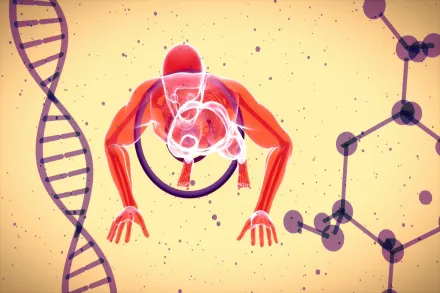
Parkinson’s disease is a complex and multifaceted movement disorder that arises from the gradual dysfunction and loss of neurons in specific regions of the brain, most notably those that produce the neurotransmitter dopamine. The course of the disease is highly variable among individuals, and progression does not follow a single, uniform timetable. Instead, people experience a shifting constellation of motor symptoms such as tremor, slowness of movement, and stiffness, alongside a broad spectrum of non-motor features including sleep disturbance...
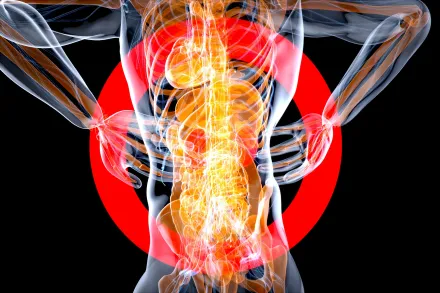
Inflammation is a fundamental biological response that protects tissues from injury and infection, mobilizing a cascade of immune signals to eliminate threats and initiate repair. In healthy circumstances, this process is tightly regulated, marked by the timely arrival of immune cells, the release of signaling molecules, and the orchestration of metabolic changes that contain damage and begin healing. Yet in many chronic illnesses this protective system becomes chronically activated or dysregulated, producing a persistent low-grade pulse of inf...

Living with Crohn's disease means navigating a condition that can shift in visibility and intensity from one day to the next. It is a chronic inflammatory condition of the gastrointestinal tract that can affect any segment from the mouth to the anus, though individuals often experience patches of inflammation rather than a uniform pattern throughout the digestive tract. The variability of symptoms is a core feature, with periods of relative calm interspersed with flare ups that can bring abdominal pain, cramping, urgent bowel movements, fatigue...
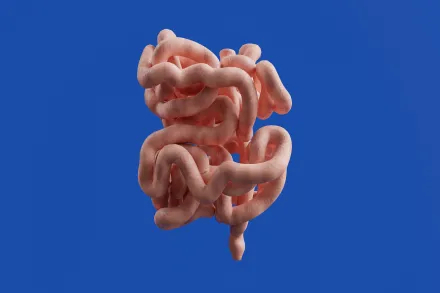
Colon cancer is a disease that aims to be caught before it produces noticeable signs, but the challenge lies in recognizing subtle changes that may arise slowly over time. Early detection often hinges on awareness of the body’s signals and a willingness to seek medical advice even when symptoms seem minor or intermittent. The colon plays a central role in digesting food, absorbing nutrients, and forming solid waste, so unusual changes in bowel habits, persistent discomfort, or unexplained fatigue can reflect a disruption in a complex system tha...

Obesity represents a complex syndrome that goes beyond excess fat accumulation. It transforms the body's normal metabolic architecture, altering energy balance, hormonal signaling, immune function, and tissue microenvironments. When fat tissue expands beyond its healthy capacity, adipocytes enlarge, become stressed, and recruit inflammatory cells. This creates a persistent, low grade inflammatory milieu that spreads systemically through the bloodstream and localizes in tissues that later may become the sites of cancer development. The result is...

Diabetes has become one of the most common chronic conditions worldwide, affecting hundreds of millions of people and placing a heavy burden on healthcare systems, families, and individuals. Among the many possible complications associated with diabetes, kidney disease stands out as a major cause of morbidity and, in severe cases, end stage organ failure that necessitates dialysis or transplantation. The relationship between diabetes and kidney disease is complex and multifaceted, involving metabolic, hemodynamic, inflammatory, and genetic fact...

Living with type 1 diabetes invites a continuous awareness of how everyday choices shape long term health. The goal of prevention is not a single action but a sustained, integrated approach that protects the eyes, the kidneys, the nerves, the heart, and the feet while maintaining energy, mood, and everyday functioning. A comprehensive plan combines precise glucose management, thoughtful nutrition, regular physical activity, vigilant health monitoring, and timely medical interventions. The journey toward reducing complications rests on understan...

Early awareness of the signs that may point to breast changes is a cornerstone of proactive health care. The landscape of breast health involves a combination of routine screening, personal observation, and timely medical evaluation. For many people, breast cancer can begin with subtle shifts in the way the breast or nipple feels, looks, or behaves, and these initial signals may not be dramatic. Understanding what to watch for and knowing how to respond can help individuals pursue assessment before a potential problem progresses. This broader a...

Chronic pain is a complex and deeply personal experience that extends beyond the sensation of physical discomfort. It persists for weeks, months, or even years, often accompanied by emotional, cognitive, and social effects that can shape a person’s daily life. Unlike acute pain, which serves as a protective warning signal during injury and typically resolves with time and healing, chronic pain may arise from diverse sources, including injuries that do not fully repair, ongoing conditions such as arthritis or neuropathies, nerve sensitization, a...