Understanding the illness and the purpose of recognizing symptoms
Pancreatitis is an inflammatory process that affects the pancreas, an organ tucked behind the stomach that plays a pivotal role in digesting fats, proteins, and carbohydrates while also helping to regulate blood sugar through hormonal signals. The way pancreatitis presents can vary widely from person to person and from one episode to another, and early recognition often hinges on paying attention to patterns of abdominal pain, digestive upset, and systemic signs such as fever or dehydration. This article delves into the range of symptoms that may accompany pancreatitis, explains how these symptoms may differ between acute and chronic forms, and outlines practical steps for when to seek medical care. By understanding common signals and their possible causes, individuals can engage more effectively with healthcare providers and act promptly to minimize complications. The discussion also highlights how lifestyle factors, underlying conditions, and age can influence symptom expression, making personalized interpretation an important part of recognizing pancreatitis early.
The role of the pancreas and how inflammation changes its signals
The pancreas is a gland that lies behind the stomach and performs dual tasks that are critical for digestion and metabolic control. It produces digestive enzymes that are released into the small intestine and hormones such as insulin that regulate blood sugar levels. When the tissue becomes inflamed, the release and action of enzymes can become misdirected or exaggerated, producing pain and digestive disturbance. Inflammation can irritate nearby organs and provoke systemic responses that alter heart rate, fluid balance, and the body’s response to food. Understanding this connection helps explain why symptoms may include intense upper abdominal discomfort, back pain, nausea, vomiting, and signs of dehydration. The nature of the pain, whether it is constant or episodic, and how it responds to food intake can offer clues about whether the pancreas is involved and whether the issue might be acute or chronic in nature.
Acute pancreatitis symptoms and their typical onset
Acute pancreatitis usually begins with sudden, severe abdominal pain that centers in the upper abdomen and often radiates to the back. The pain may feel steady, persistent, and more intense after eating, especially a fatty meal, or when lying flat. Some people describe it as a piercing or burning sensation that does not easily ease with rest. Along with pain, acute pancreatitis commonly brings nausea and vomiting that can be persistent, leading to dehydration if fluids are not adequately replaced. A fever may emerge as the body mounts an inflammatory response, and a rapid pulse or a sense of overall weakness can accompany the distress. The abdomen might be tender to touch, and deep breaths could worsen the pain, a sign that the chest and abdominal muscles are trying to protect a sensitive area. Importantly, the onset can be abrupt, and symptoms may improve or worsen over hours to days as the episode evolves, sometimes requiring medical evaluation to determine the underlying cause, such as gallstones, alcohol use, or less common triggers.
Nausea, vomiting, and digestion-related symptoms in acute episodes
Nausea and vomiting are among the most common accompanying features during an acute episode. They can be severe enough to interrupt normal hydration and electrolyte balance, particularly in individuals who are unable to keep fluids down. The vomiting may be accompanied by a feeling of fullness or bloating, and the absence of appetite can be pronounced. Digestive disturbances can extend beyond nausea, affecting bowel movements and stool consistency. Some people notice their stools becoming lighter in color or appearing clay-like if bile flow is affected, although this is more commonly associated with gallstone-related pancreatitis and jaundice. In others, the digestion of fats may seem less efficient, leading to oily, pale stools that float and have a strong odor, a sign that fat absorption is being impaired during the inflammatory process. These gastrointestinal signals, in the context of sudden abdominal pain, are meaningful indicators that warrant medical assessment to distinguish pancreatitis from other acute abdominal conditions.
Red flags that may accompany pancreatitis flare-ups
Certain signs should prompt urgent medical evaluation. A person experiencing severe, persistent abdominal pain that does not ease with rest or position, or pain accompanied by confusion, dizziness, fainting, or rapid breathing, may be facing a serious complication or a different critical condition. High fever, persistent vomiting with an inability to keep fluids down, signs of dehydration such as very dark urine or dry skin, and rapid heart rate beyond the usual response to discomfort are important red flags. If a person with pancreatitis develops yellowing of the skin or eyes, dark urine, or pale stools, this may indicate a biliary obstruction or liver involvement and should be promptly checked by a clinician. Recognizing these urgent signals can influence outcomes by ensuring timely diagnostic testing and therapeutic intervention when needed.
Chronic pancreatitis and its evolving symptom profile
Chronic pancreatitis is a long-term inflammatory process that gradually damages pancreatic tissue, altering function over months and years. Pain in chronic pancreatitis often presents as recurrent episodes of upper abdominal discomfort that may become a lingering, dull, persistent ache or a sharp, stabbing sensation. The location is typically in the upper abdomen but can shift toward the back, and the pattern may cycle with episodes that occur after meals or in periods of relative quiescence followed by flare-ups. Over time, people with chronic pancreatitis may notice a reduction in their tolerance for fatty foods, leading to a sense of heaviness or fullness after eating, and a gradual decline in appetite. Malabsorption becomes a more prominent feature as enzyme production wanes, contributing to weight loss despite adequate caloric intake in some cases and to greasy, malodorous stools that require more frequent bathroom visits. In addition, long-standing inflammation can disrupt insulin production in some individuals, increasing the risk of glucose intolerance or diabetes, which adds another layer of symptom complexity when patients report fatigue, thirst, or changes in weight independent of appetite changes.
Weight changes, steatorrhea, and clues from stool in chronic disease
Unexplained weight loss can accompany chronic pancreatitis as the inflamed pancreas fails to deliver sufficient enzymes for proper digestion, forcing the body to discard more nutrients than it extracts from meals. Steatorrhea, or fatty stools that appear pale, bulky, and foul-smelling, is a hallmark of fat malabsorption and can persist even with normal dietary fat intake. These digestive clues may appear gradually, making them easy to overlook during busy days, yet they provide meaningful signs to discuss with a clinician who can assess pancreatic function and nutritional needs. People may also report persistent abdominal discomfort after meals or a sense of fullness that does not seem related to the amount eaten. As with acute episodes, the pain may shift in location or intensity over time, and combined with weight loss and changes in digestion, these features can strongly point toward chronic pancreatitis when evaluated in the appropriate clinical context.
Back pain and the distinctive pain pattern associated with pancreatic disease
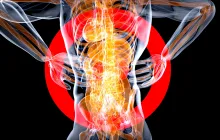
The pain of pancreatitis is frequently described as feeling deep and band-like, centered in the upper abdomen, and sometimes radiating to the back. This back radiation can help differentiate pancreatic pain from other sources of abdominal discomfort, although it is not universal. The pain may come on suddenly or gradually, and it can be exacerbated by eating, especially fatty meals, or by lying flat. Sitting upright or leaning forward can sometimes offer partial relief, but this relief is not universal. For some individuals, the pain persists despite rest and is accompanied by other symptoms such as nausea, vomiting, or sweating. Recognizing this specific pattern, while not exclusive to pancreatitis, can help guide urgent evaluation and further testing to determine the underlying cause and to distinguish pancreatitis from other conditions that cause abdominal or back pain, such as ulcers, intestinal blockages, or muscle strain.
Alcohol use, gallstones, and other factors that shape symptom expression
Several common triggers and risk factors influence how pancreatitis manifests. A significant proportion of acute pancreatitis cases are linked to gallstones that temporarily block the pancreatic duct, leading to sudden inflammation and intense pain. Alcohol use is another major contributor; repeated heavy drinking can chronically stress the pancreas and create a lived pattern of recurrent pain and digestion problems. In some individuals, high triglyceride levels, certain medications, autoimmune conditions, or genetic factors may play a role, shaping the presentation by changing the speed at which symptoms appear, their severity, or their response to treatment. Understanding these associations provides context for the symptoms a person experiences and helps clinicians determine the most likely cause, guiding diagnostic tests and management plans accordingly.
Symptoms across age groups and pregnancy considerations
Age and physiological state can influence how pancreatitis presents. In older adults, pain may be milder or atypical, and coexisting health conditions can mask or modify the signal of pancreatitis. In pediatric and adolescent populations, abdominal pain can be mistaken for viruses, leading to delays in recognizing pancreatitis. During pregnancy, hormonal changes and altered anatomy can complicate symptoms and management, demanding careful evaluation to protect both mother and fetus. Across these variations, the core signs remain anchored in upper abdominal discomfort, digestive disturbance, and systemic responses, yet the exact combination and timing can differ. Clinicians consider age, pregnancy status if applicable, and overall health to interpret symptoms correctly and to plan safe diagnostic and treatment approaches.
When to seek urgent care and how to decide on evaluation
Deciding when to seek care can be challenging, but certain thresholds warrant immediate attention. If severe upper abdominal pain lasts more than a short period, or if it is accompanied by vomiting that prevents fluid intake, dizziness, fainting, rapid breathing, or confusion, urgent medical evaluation is essential. Signs such as persistent fever, a yellowing of the skin or eyes, dark urine, pale stools, and persistent dehydration signal possible complications or biliary involvement and require prompt assessment. In the context of known risk factors for pancreatitis, such as recent heavy alcohol use, gallstone symptoms, or a sudden change in digestive patterns with weight loss, seeking care sooner rather than later can help prevent progression to more serious conditions. When in doubt, contacting a healthcare provider or visiting an urgent care or emergency department is a prudent step to obtain a definitive diagnosis and appropriate treatment plan.
Recognizing chronic pancreatitis and its long-term implications
In chronic pancreatitis, symptom patterns tend to reflect ongoing inflammation and progressive damage to the pancreas. The pain may become a persistent background sensation with episodic flares, and patients often describe a reduced capacity to tolerate fatty meals as digestion becomes less efficient. Weight loss may occur without a clear cause, and patients might experience oily stools and a feeling of fullness after small meals, alongside fatigue and reduced energy levels. The long-term consequence of persistent inflammation includes a higher risk of developing diabetes because the pancreas’ ability to produce insulin can be impaired. This intersection of pain, digestion, and metabolic concerns underscores the importance of sustained medical follow-up, regular monitoring of nutritional status, and proactive management of lifestyle factors that influence the course of the disease.
Symptoms that suggest biliary or pancreatic duct involvement
When gallstones or obstruction affect the pancreatic duct, symptoms may include prolonged upper abdominal pain, intermittent fever, and changes in bile flow. Jaundice, characterized by yellowing of the skin or eyes, dark urine, and pale stools, can indicate a problem with bile drainage and warrants urgent assessment. A clinician may also notice tenderness in the right upper abdomen and may order imaging studies to evaluate both the gallbladder and the pancreatic ducts. Such features emphasize that pancreatitis is not a single uniform condition but a syndrome with multiple possible triggers and anatomical considerations that influence how symptoms present and evolve over time.
How symptoms guide diagnostic steps and the role of testing
When a patient presents with signs suggestive of pancreatitis, clinicians often begin with a careful history and physical examination, followed by specific laboratory tests and imaging. Blood tests commonly assess enzymes produced by the pancreas, such as amylase and lipase, which tend to rise during pancreatitis, though not universally in every case. Additional labs may evaluate liver function, kidney function, electrolyte status, and triglyceride levels to identify potential triggers or complications. Imaging studies, including abdominal ultrasound or cross-sectional imaging such as computed tomography or magnetic resonance imaging, help confirm the diagnosis, reveal gallstones, assess the extent of inflammation, and rule out other conditions that mimic pancreatitis. This diagnostic sequence is designed to pinpoint the underlying cause and to map out a treatment plan tailored to the individual's needs and risks.
Managing symptoms and the first steps in care
Immediate management focuses on controlling pain, preventing dehydration, and addressing the underlying cause if identified. Pain relief may involve intravenous or oral medications, while intravenous fluids help restore circulation and electrolyte balance. In the hospital setting, people may receive nutrition support and careful monitoring of vital signs to detect any early signs of complications. If gallstones are implicated, treatment may target the obstruction, and if alcohol use is a factor, counseling and abstinence support may be part of the plan. Throughout recovery, shorter meals, gentle reintroduction of foods, and a focus on hydration support healing and reduce the risk of future episodes. In some cases, outpatient management with oral medications and dietary adjustments is appropriate, but more severe presentations require hospital-based care to ensure safety and recovery.
Diet, lifestyle changes, and long-term prevention strategies
Dietary adjustments play a central role in managing pancreatitis and preventing recurrences. A low-fat diet that is still balanced and nourishing helps reduce pancreatic workload and digestive stress, while adequate hydration supports overall function. Some individuals may benefit from nutrition consultations to tailor meals according to fat tolerance and caloric needs, especially if weight loss is a concern. Limiting alcohol intake is critical for those with pancreatitis, as alcohol is a well-established trigger for many episodes and can worsen inflammation. Addressing risk factors such as gallstone disease through medical evaluation and potential surgery, controlling triglyceride levels through diet and, when appropriate, medications, and avoiding medicines known to irritate the pancreas are all important components of a comprehensive prevention plan. Regular medical check-ins can help monitor symptoms, nutritional status, and the progression or stabilization of the condition over time.
Special considerations: recognizing symptoms without overcalling diagnosis
Not every stomach ache signals pancreatitis, and misinterpreting ordinary abdominal discomfort as pancreatitis can lead to unnecessary anxiety or invasive testing. Clinicians consider the character of the pain, its timing, and its relationship to meals, as well as associated signs such as persistent vomiting, fever, jaundice, or dramatic changes in appetite and weight. A careful assessment includes evaluating personal history, risk factors, and a physical examination, followed by appropriately targeted testing. This careful approach helps differentiate pancreatitis from other common abdominal conditions such as gastritis, peptic ulcers, bowel obstruction, or inflammatory bowel disease, ensuring that patients receive education and treatment that matches the root cause of their symptoms.
Patient education: what to discuss with your healthcare provider
Effective communication with a clinician starts with a clear description of symptoms, including when they began, how they have changed over time, what makes them better or worse, and how they impact daily activities. Sharing information about alcohol use, medication history, prior episodes of abdominal pain, family history of pancreatic or biliary disease, and any recent illnesses helps clinicians form a more accurate picture. Documenting associated symptoms such as weight loss, changes in bowel habits, jaundice, fever, and the ability to tolerate meals can aid in the diagnostic process. It is also valuable to discuss potential triggers and the feasibility of lifestyle modifications, as well as any barriers to following dietary recommendations or medical plans. This collaborative approach supports safer care and more effective long-term management of pancreatitis and its symptoms.
Putting it all together: recognizing the pattern and seeking timely care
Recognizing pancreatitis hinges on noticing a constellation of signs that link upper abdominal pain with digestive disturbance and potential systemic responses, and understanding that the exact combination of symptoms can shift depending on the episode, underlying cause, and individual factors. Early attention to a sudden, severe pain in the upper abdomen that radiates to the back, especially when accompanied by vomiting or fever, can initiate the pathway to prompt evaluation and treatment, reducing the risk of complications. Even less dramatic presentations, such as recurrent abdominal discomfort with changes in digestion and unintended weight loss over weeks to months, deserve careful assessment because they can reflect evolving pancreatic disease rather than a temporary ailment. By staying attuned to these patterns and seeking medical advice when symptoms persist or intensify, individuals can participate actively in their health care and work with providers to protect pancreatic function and overall well-being.
Final reflections on symptom awareness and proactive health care
In the end, recognizing pancreatitis is about listening to the body and recognizing when digestion, pain, and systemic signals align in a way that warrants professional evaluation. The signs discussed here represent a spectrum, and no single symptom alone confirms pancreatitis. Yet together they form a narrative that helps clinicians determine the likelihood of pancreatic involvement and the appropriate course of action. By understanding how acute episodes differ from chronic symptoms, how risk factors shape presentation, and how to respond to warning signs, individuals can pursue timely care, minimize complications, and engage in informed discussions with their healthcare team about diagnosis, treatment options, and strategies for prevention. The overarching goal remains to protect pancreatic health, support digestion, and sustain a quality of life through thoughtful, evidence-based management of symptoms and risk factors.