Understanding liver cirrhosis and how signs develop
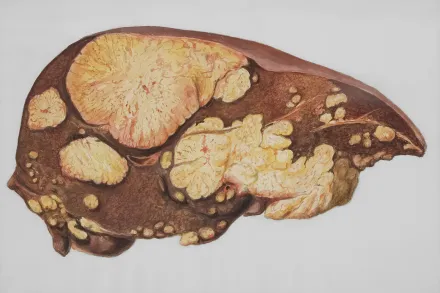
In the body, the liver performs essential tasks such as filtering toxins, producing bile, regulating metabolism, and supporting immune defenses. Cirrhosis refers to a chronic process in which normal liver tissue is replaced by scar tissue, eventually altering the organ's architecture and function. This scarring is a response to long standing injury from conditions such as chronic viral infections, alcohol-related liver disease, fatty liver disease, or autoimmune disorders. As the damage progresses, the signs that appear reflect the shifting balance between the liver's capabilities and the body's needs. Early changes may be subtle, while later stages can present with a range of noticeable symptoms that prompt medical evaluation. Recognizing these signs early can help individuals seek care, adjust risk factors, and potentially slow further damage. The signs do not always appear at once; instead they emerge gradually as scar tissue grows and blood flow through the liver becomes more restricted. This progressive nature makes awareness important for people at risk, including those with a history of heavy alcohol use, hepatitis infections, obesity, diabetes, or certain inherited conditions. Awareness begins with understanding that the liver operates quietly behind the scenes, and symptoms may be easy to overlook until the disease advances.
Early indicators that may emerge gradually
In the earliest phases of cirrhosis, symptoms may be mild or nonspecific. People might experience persistent fatigue that seems out of proportion to activity, a sense of heaviness in the abdomen, or a general feeling of malaise. Appetite changes, mild weight loss, or a sense of fullness after small meals can occur. Some individuals notice that their skin or eyes look slightly yellow or paler than usual. Sleep disturbances and difficulty concentrating can accompany fatigue, making daily tasks feel more challenging. Because these signs can overlap with many common conditions, they do not confirm cirrhosis on their own, but they signal a need for medical assessment, especially when they persist or worsen over weeks or months. A clinician may review risk factors and perform initial tests to monitor liver enzyme levels and overall health while guiding the next steps for diagnosis.
Skin changes and surface signs you might observe
Skin changes are frequently among the first outward clues in cirrhosis. Jaundice, a yellowing of the skin and the whites of the eyes, arises when the liver cannot effectively process bilirubin. It can progress slowly, and some people notice a yellow tint more clearly in sunlight or under certain lighting. In addition, the skin may become itchy due to bile salts that remain in the circulation when bile flow is disrupted. Spider angiomas, small red spiderlike vessels on the chest, neck, or face, may develop as tiny capillary changes and hormonal shifts accompany liver disease. Palmar erythema, a reddish or blotchy rash on the palms, and gynecomastia in men, can occur as hormonal regulation becomes disrupted. These skin and superficial changes do not occur in every patient, but when they appear alongside other symptoms, they can be a meaningful signal to seek medical evaluation.
Digestive system signals and abdominal sensations
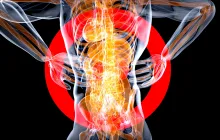
Within the digestive system, cirrhosis can affect digestion and the passage of food. People may notice occasional nausea, a feeling of fullness after small meals, or discomfort in the upper right portion of the abdomen just below the rib cage. The liver sits in the upper right abdomen, and as scar tissue forms it can cause a dull ache or pressure that may radiate to the back or shoulder. Appetite loss can contribute to gradual weight loss and weakness. Some individuals report changes in stool color, such as lighter stools or dark, tarry stools if there is bleeding in the digestive tract. Dark urine can also occur when bilirubin spills into the urine. These signs are not exclusive to cirrhosis, but they merit evaluation, especially in the context of risk factors or known liver disease.
Fluid buildup and swelling signs
As liver function declines, the body may begin to retain fluid. Edema in the legs and ankles is common, and in more advanced cases fluid can accumulate in the abdomen, a condition known as ascites. Ascites can cause a noticeable distension and a sense of fullness or pressure, sometimes accompanied by shortness of breath when the abdomen grows large. The accumulation arises from changes in blood flow through the liver, lowered production of proteins such as albumin that help hold fluid in the bloodstream, and hormonal alterations that influence fluid balance. People experiencing rapid weight gain, abdominal swelling, or persistent leg swelling should seek medical care, as these signs warrant examination for liver-related causes among others.
Neurological and cognitive signs to watch for
In advanced cirrhosis, the liver's decreased ability to detoxify substances can affect the brain. A condition known as hepatic encephalopathy may develop, leading to confusion, difficulty with calculations or memory, and changes in personality or mood. Subtle signs can include a slowed response to questions, trouble with handwriting or coordination, and mood swings. In some individuals, sleep disturbances or altered sleep patterns may become more prominent. Mild confusion can progress to more serious impairment if not addressed, particularly when combined with infections, dehydration, or kidney stress. Recognizing these changes early is crucial because targeted treatment can improve outcomes and prevent episodes from becoming severe. Families and caregivers may notice subtle shifts in behavior or cognitive function before the person themselves fully appreciates the changes.
Changes in hormonal balance and reproductive health
Hormonal imbalances become more pronounced as liver function declines. In men, this can present as breast tissue development or reduced facial and body hair, while in women, menstrual irregularities and reduced fertility may occur. Gynecomastia, decreased libido, and testicular atrophy are among the signs tied to altered sex hormone metabolism in the context of cirrhosis. Women may experience heavier or lighter periods, changes in cycle length, or earlier menopause. These signs emerge gradually and can be subtle, but they reflect the liver's central role in hormone processing and detoxification. Healthcare providers can help interpret these changes within the broader clinical picture, especially when accompanied by other liver-related symptoms or known risk factors.
Portal hypertension and variceal bleeding concerns
One of the critical complications of cirrhosis is the development of portal hypertension, an increased pressure in the portal venous system. This pressure can cause veins to enlarge in the esophagus or stomach, raising the risk of variceal bleeding, which can be life threatening. Signs that portal hypertension may be present include visible veins on the abdomen, a tendency to bruise easily, and persistent signs of anemia such as fatigue or lightheadedness if there has been bleeding. Patients may report a sense of fullness or aching in the upper abdomen and sometimes shortness of breath. Regular monitoring via imaging studies or endoscopy may be recommended to assess blood flow patterns and to plan preventive treatments.
How doctors confirm a diagnosis of cirrhosis
Diagnosis typically begins with a detailed medical history and physical examination, focusing on risk factors and signs such as skin changes, abdominal swelling, or confusion. Blood tests can reveal abnormalities in liver enzymes, bilirubin, albumin, and clotting factors, offering clues about inflammation, fibrosis, and the liver's synthetic capacity. Imaging studies, such as ultrasound, CT, or MRI, help visualize liver structure, blood flow, and signs of scarring. In some cases a liver biopsy may be performed to assess the degree of fibrosis directly, though noninvasive scoring systems and elastography tests are increasingly used to estimate scarring without invasive procedures. The results guide treatment plans, prognosis, and surveillance for complications.
Interpreting fatigue, appetite changes, and weight shifts
Fatigue is a common early complaint that can accompany many conditions, but in the context of potential liver disease it often correlates with the liver's inability to store energy, metabolize nutrients, or clear toxins effectively. Appetite changes may accompany gut discomfort or hormonal signals that rebalance energy use in the body. Progressive weight loss without a clear cause can be a sign of advancing liver disease, especially when accompanied by weakness, poor endurance, or a sense of fullness after small meals. Understanding these symptoms requires looking at the full clinical picture, including history of alcohol use, viral infection, metabolic syndrome, or autoimmune disease.
How lifestyle factors influence signs and progression
Behavioral and environmental factors can significantly shape the course of cirrhosis and the signs that appear. Ongoing heavy alcohol consumption impairs liver recovery and accelerates scar formation, while abstinence can slow progression and improve outcomes when combined with medical care. Obesity and insulin resistance contribute to fatty liver disease, which may advance to cirrhosis over time if unaddressed. Chronic infections such as hepatitis B or C, if not adequately suppressed or treated, remain major risk factors. Nutritional status, hydration, sleep quality, and the management of coexisting conditions like diabetes play important roles in how symptoms manifest and evolve. Encouraging patients to discuss their full medical history and daily habits with a healthcare professional is essential for accurate assessment.
Potential red flags that require urgent attention
Several signs warrant prompt medical evaluation to prevent serious complications. Sudden or heavy bleeding from the mouth, nose, or gums; severe abdominal pain with distention; vomiting blood; or black, tarry stools all indicate potential GI bleeding and require urgent assessment. A sudden change in mental status, marked confusion, or coma-like symptoms must be treated as an emergency. Rapid swelling of the legs or abdomen, severe shortness of breath, or signs of infection such as fever with abdominal tenderness also require prompt medical evaluation. While these red flags do not confirm cirrhosis, they signal the need for urgent care and a thorough workup to identify the underlying cause and to implement life saving measures if needed.
Preventing progression and recognizing signs in high-risk groups
People with risk factors should be proactive in monitoring for signs of liver disease. Regular checkups, liver function tests, and imaging studies may be recommended at intervals that reflect the individual's risk level and medical history. Vaccinations against hepatitis A and B, as well as management of alcohol intake, weight control, and treatment of metabolic conditions, can influence the trajectory of disease. Early detection often leads to interventions that slow scar formation, improve liver function, and reduce the likelihood of complications. Education about signs to watch for and clear communication with clinicians empower people to participate actively in their care.
Impact of cirrhosis on daily life and activity tolerance
Cirrhosis can affect energy levels, endurance, and the ability to perform regular activities. Fatigue, shortness of breath on exertion, and abdominal discomfort can limit work, travel, and social engagement. People may need modifications such as lighter workloads, pacing strategies, and rest periods, along with nutritional adjustments to maintain muscle mass and prevent weakness. Sleep disturbances can further erode daytime functioning, making consistent routines and social support important. Adapting daily life to the condition while pursuing medical treatment requires collaboration with caregivers, friends, and healthcare professionals to set realistic goals and maintain a sense of control.
Nutrition, hydration, and liver health
Nutrition plays a central role in managing cirrhosis. Adequate protein intake supports muscle mass, but the specific amounts may depend on the stage of disease and the presence of complications such as hepatic encephalopathy. A balanced diet rich in whole grains, fruits, vegetables, and lean proteins can help sustain energy and immune function. Sodium restriction may be advised to manage fluid retention, while adequate hydration supports circulation and kidney function. Small, frequent meals can ease digestion and maintain energy when appetite wanes. Supplements or vitamin adjustments may be necessary if absorption or storage is impaired, and any plan should be guided by a healthcare professional to avoid adverse interactions with medications.
Medications and safety considerations
Many medications are processed by the liver, and cirrhosis can alter how drugs are metabolized. Doses may need adjustment, and some drugs may be avoided or replaced with safer options. Patients should inform all providers about their liver condition and current lab values, including platelet count, bilirubin, and albumin levels. The potential for drug interactions, alcohol use, and over-the-counter supplements also warrants careful management. In addition, vaccinations and preventive care, such as screening for liver cancer with ultrasound or specific blood tests depending on guidelines, are considered part of comprehensive care.
Living with cirrhosis: monitoring and ongoing care
Long term management involves regular follow up and surveillance for complications. This includes monitoring liver function tests, platelets, and signs of ascites or edema. Imaging studies may be repeated to track changes in liver structure and vascular flow. People are often advised to avoid alcohol completely, adopt a heart healthy and liver friendly diet, and follow weight management strategies. Vaccinations against hepatitis A and B, influenza, and pneumonia are commonly recommended. In addition, education about recognizing infection symptoms, fever, and abdominal pain helps patients seek timely care. Access to nutritionists, social workers, and support groups can improve quality of life and adherence to treatment plans.
When to seek medical help promptly
If new or changing symptoms arise, such as persistent jaundice, increasing abdominal swelling, or new confusion, it is important to contact a healthcare provider promptly. Early evaluation can lead to adjustments in therapy, modifications of medications, and planning for monitoring of liver function. Individuals who notice a sudden onset of vomiting blood, severe abdominal pain, or fainting should seek emergency care immediately. Maintaining a schedule of follow up visits and lab testing helps detect changes early and supports timely interventions.
Signs that might mimic other conditions and differential diagnosis
Many signs of cirrhosis overlap with other illnesses. Jaundice can occur in hepatitis or bile duct problems; edema can appear in heart failure; fatigue is common in anemia or thyroid issues. Clinicians use a combination of blood tests, imaging, and clinical history to differentiate the causes. Overlap means that cirrhosis is a consideration when risk factors are present and symptoms persist, but definitive diagnosis requires careful evaluation.
Women specific signs and pregnancy considerations
In women of childbearing age, cirrhosis can complicate pregnancy and require careful planning. Hormonal changes may influence menstrual cycles, and liver disease can affect blood clotting, nutritional reserves, and the risk of bleeding during delivery. Preconception counseling and close obstetric management are important to optimize outcomes for both mother and baby.
Stages of cirrhosis: compensated and decompensated
In compensated cirrhosis, the liver still functions well enough that symptoms may be minimal, while abdominal signs may appear later. Decompensated cirrhosis implies the development of complications such as ascites, hepatic encephalopathy, variceal bleeding, or jaundice. Patients in the decompensated stage often experience fluid retention, confusion, and more pronounced fatigue. Distinguishing between stages helps guide treatment decisions, prognosis, and the urgency of interventions.
Communication with healthcare teams
Effective communication is essential for managing cirrhosis. Patients should share new symptoms, medications, and alcohol use with every visit. They should ask questions about test results, what the numbers mean, and what signs would warrant urgent care. Having a trusted person accompany appointments can help with recall of information and ensure concerns are adequately addressed. Documentation of symptoms, such as changes in sleep, appetite, or mood, can support ongoing monitoring and timely adjustments in therapy.
Difference between early and advanced signs
Early signs tend to be nonspecific, such as fatigue, mild digestive discomfort, or subtle skin color changes. As cirrhosis progresses to more advanced stages, signs become more pronounced and recognizable, including ascites, persistent jaundice, a higher risk of infections, and overt mental changes. Recognizing the shift from subtle to more obvious signs helps individuals seek care sooner and enables clinicians to adjust treatment strategies appropriately.