Seasonal allergies are a common challenge that affects millions of people every year, creating a cycle of sniffles, sneezing fits, itchy eyes, congested sinuses, and a sense of fatigue that can complicate daily routines. Understanding that these symptoms arise from the body's immune response to environmental particles helps in framing a proactive approach rather than only reacting to discomfort. The season itself can determine which triggers are most likely to appear, and the degree of exposure can vary with weather patterns, local vegetation, ...
Diseases & Conditions


Depression is widely recognized as a mental health condition characterized by persistent low mood, loss of interest, and a range of cognitive and emotional symptoms. Yet the impact of depression reaches far beyond mood and thoughts. It interacts with nearly every organ system, shaping how the body functions day to day and over the course of a lifetime. When mood falters, the body's physiology often shifts in ways that can amplify physical symptoms, diminish resilience, and alter health trajectories. This article explores how depression reverber...

Asthma is a chronic inflammatory condition that affects the airways of the lungs. It is characterized by episodes of airway constriction, variable airflow limitation, and symptoms such as wheezing, coughing, shortness of breath, and chest tightness. The underlying process involves inflammation that makes the airways more reactive to a wide range of triggers, which explains why some days feel easier to breathe and others feel more obstructed. Managing asthma effectively means reducing the frequency and severity of symptoms, preventing flares, an...

Fibromyalgia is a complex and often fluctuating condition that touches many aspects of daily life, including energy, sleep, mood, and physical comfort. People describe the experience in different ways, from persistent muscle stiffness and widespread ache to sudden sensitivity to touch and a sense that ordinary tasks require more effort than they should. The purpose of this article is to explore a comprehensive approach to managing fibromyalgia symptoms that emphasizes gradual change, patient partnership with clinicians, and practical daily rout...

Stress is a natural response of the body to demands, threats, or challenges that require adaptation. It is not inherently harmful; short lived stress can help mobilize energy, sharpen focus, and mobilize protective mechanisms in the face of danger. However, when stress becomes chronic or severe, the body’s adaptive systems can stay activated for extended periods, which reshapes physiological processes in ways that can contribute to cardiovascular pathology. At the core of this transformation is the complex interplay between neural circuits, end...
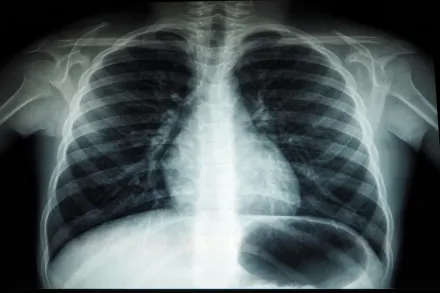
Pneumonia is a common and potentially serious lung infection that disrupts the delicate balance of the respiratory system. It is not a single disease but a syndrome that can arise from different pathogens invading the lungs, leading to inflammation and impaired gas exchange. The illness can present with a range of symptoms from a mild cough with low fever to a high fever, chest pain, shortness of breath, and fatigue that can confound daily activity. The diversity of presentations reflects the variety of infectious agents and host factors that s...

Living with Crohn’s disease involves navigating a chronic condition that affects the digestive tract and touches many aspects of daily life. The course of Crohn’s can vary widely from person to person, with periods of relative quiet interspersed with episodes of symptoms that challenge energy, mood, and routines. A thoughtful approach to diet and lifestyle becomes a central part of managing the disease, not as a single cure but as a practical framework to reduce symptoms, support nutrition, and promote a sense of control. In this exploration, w...

Hypertension is a condition characterized by persistently elevated pressure within the arteries, a force that acts on the walls of blood vessels day in and day out. Over time, this increased burden can lead to damage in several organs and systems that rely on a steady, well regulated blood supply. The heart, the brain, the kidneys, and the eyes are particularly vulnerable as they require precise control of blood flow to function optimally. When the pressure remains high, the delicate inner lining of arteries can become scarred, and the muscle l...
Colon cancer is a complex disease influenced by genetics, environment, and lifestyle. Yet a large body of research points to practical, natural strategies that can lower the risk and support a healthier colon throughout life. The ideas shared here are grounded in everyday choices rather than dramatic interventions, focusing on dietary patterns, physical activity, weight management, gut health, and mindful habits that synergistically reduce inflammation and promote cellular resilience. By embracing a holistic approach that respects individual pr...

The thyroid is a small, butterfly shaped gland located low in the front of the neck. It produces hormones that help regulate the speed with which the body uses energy, how heat is generated, and how the heart and muscles respond to activity. These hormones, primarily thyroxine also known as T4 and the more active triiodothyronine known as T3, travel through the bloodstream to many tissues, influencing metabolism, mood, and cognitive function. The activity of the thyroid is controlled by a signaling loop that begins in the brain and involves the...