Cancer represents a cascade of biological events that begin long before a tumor is detected, and genetics plays a central part in shaping the likelihood that these events unfold in a malignant direction. The story is not simply about a single gene or a single mutation, but about a complex network of inherited variations that set a baseline level of vulnerability, plus countless somatic changes that accumulate over a person's life. In everyday terms, a person might carry a genetic background that nudges risk upward or downward, while environment...
Diseases & Conditions


Irritable bowel syndrome is a common functional gastrointestinal disorder characterized by a constellation of symptoms that include abdominal pain or discomfort, bloating, and alterations in bowel movements such as diarrhea, constipation, or a mix of both. The experience of IBS can vary greatly from person to person, and symptoms may fluctuate over time. Many individuals find that the daily rhythm of meals, stress, sleep, and physical activity can influence the severity and frequency of symptoms. The disorder is often persistent, but it is not ...

Living with fibromyalgia can feel like navigating a landscape of unpredictable energy, pain, and fatigue, where every day presents a new balance between activity and rest. Yet many people with fibromyalgia discover that carefully chosen exercise strategies can reduce symptoms, improve mood, and support daily functioning. Exercise is not a cure, but it is a powerful ally when approached with patience, vigilance, and a clear understanding of personal limits. This article explores how to design and adapt an exercise plan that respects the conditio...
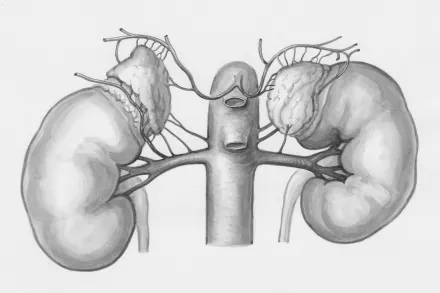
Chronic kidney disease is a long-term condition in which the kidneys gradually lose function, diminishing their ability to filter waste, balance fluids, and regulate minerals. When this process advances, wastes accumulate in the blood and can disrupt many body systems, leading to fatigue, fluid retention, and shifts in blood chemistry that require careful management.

Anxiety arises as a complex interplay between brain physiology, emotional experience, and environmental stressors. At its core it involves the brain’s alarm system, the amygdala, which can become more reactive when we are chronically stressed, sleep-deprived, undernourished, or physically fatigued. Lifestyle choices shape how that alarm system responds on a daily basis, influencing the ease with which we return to a calmer baseline after moments of worry. When we acknowledge that anxiety is not a moral failing but a signal that we may need to a...

At its core, eczema, or atopic dermatitis, is a chronic inflammatory condition that alters the way the skin barrier functions. In many people, the skin loses moisture too quickly and becomes more permeable to irritants, allergens, and microbes. This combination creates a cycle: dryness and rough patches invite itch, scratching worsens the skin, and inflammation expands to neighboring areas. Flare-ups are episodes when this cycle intensifies, often accompanied by increased redness, warmth, swelling, and sometimes oozing or crusting. The exact tr...

Multiple sclerosis is a complex neurological condition that arises from an immune process attacking the protective myelin coating around nerve fibers in the brain and spinal cord. This disruption can slow or block the transmission of electrical signals, leading to a range of symptoms that vary widely from one person to another. The disease often presents in episodes or relapses, followed by periods of partial or complete recovery, though the overall course can become more persistent over time for some individuals. Understanding that MS is not a...

Chronic Fatigue Syndrome, also known as myalgic encephalomyelitis, is a complex, multi system condition characterized by persistent and unexplained fatigue that is not alleviated by rest and is accompanied by a range of other symptoms that can fluctuate over time. People living with this condition may experience a profound sense of exhaustion that interferes with daily activities, work, school, and social engagement, yet the fatigue itself is only one aspect of the illness. The onset is often abrupt or gradual, and in many cases it follows an i...

The thyroid gland sits at the base of the neck and acts as a master regulator of metabolism, energy expenditure, and many aspects of how the body uses calories. Its hormones, mainly thyroxine (T4) and the more active triiodothyronine (T3), influence how quickly cells burn energy, how fats are mobilized or stored, and how the body governs temperature. Understanding this organ’s role helps explain why some people experience noticeable shifts in weight when thyroid function changes, while others see more subtle effects that interact with lifestyle...

Diabetes, particularly type 2, has emerged as one of the defining health challenges of modern society, increasingly affecting people at younger ages and imposing long term burdens on well being, independence, and everyday life. Yet within this challenge lies a powerful opportunity: lifestyle choices can substantially influence the likelihood of developing this condition. The pathway from ordinary daily habits to chronic disease is mediated by how we eat, how much we move, how we sleep, and how we manage stress and daily routines. When these ele...