Dementia is a broad term used to describe a set of symptoms that affect memory, thinking, behavior, and the ability to perform everyday activities. It is not a single disease but a syndrome that can result from several different underlying conditions, most commonly neurodegenerative disorders such as Alzheimer's disease, vascular cognitive impairment, Lewy body disease, and frontotemporal degeneration. Recognizing dementia in its early stages matters for multiple reasons. Early awareness provides an opportunity for timely medical evaluation, wh...
Diseases & Conditions


Pancreatic cancer remains one of the most challenging forms of cancer to detect early, in part because the pancreas lies deep in the abdomen and its tumors often do not produce obvious signs until they have grown considerably or begun to affect nearby organs. This reality makes awareness of subtle, persistent symptoms especially important for individuals who may be at higher risk due to age, lifestyle factors, or a family history of the disease. Recognizing that symptoms can be quiet, vague, or easily attributed to more common issues does not r...

Heart disease remains a leading health concern for men across diverse ages and backgrounds, yet the landscape is not uniform. Some men face a higher risk due to a combination of inherited factors, early lifestyle choices, and the way the body responds to stress and inflammation. Understanding this landscape begins with recognizing that risk gathers over time through modest daily habits as well as through events in early life that can echo for decades. The body often gives subtle signals, and recognizing them early can tilt the balance toward lo...
Stroke represents a sudden disruption of blood flow to a portion of the brain, depriving brain cells of oxygen and nutrients and triggering rapid and sometimes irreversible damage. The brain relies on a delicate network of arteries to deliver a steady supply of blood to every region responsible for movement, sensation, speech, vision, memory, and processing. When a blockage or rupture interrupts this supply, the affected brain tissue begins to malfunction in ways that become visible as symptoms almost immediately, and they can evolve quickly de...
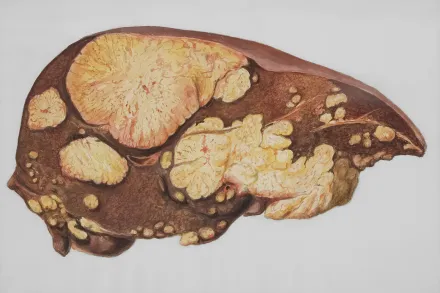
In the body, the liver performs essential tasks such as filtering toxins, producing bile, regulating metabolism, and supporting immune defenses. Cirrhosis refers to a chronic process in which normal liver tissue is replaced by scar tissue, eventually altering the organ's architecture and function. This scarring is a response to long standing injury from conditions such as chronic viral infections, alcohol-related liver disease, fatty liver disease, or autoimmune disorders. As the damage progresses, the signs that appear reflect the shifting bal...

Rheumatoid arthritis is a chronic autoimmune condition that manifests as persistent joint inflammation, swelling, and pain, often accompanied by fatigue and reduced physical function. While medical treatment, physical therapy, and rest form the backbone of management, nutritional choices can influence how people experience symptoms and how their body responds to therapy. Diet does not cure rheumatoid arthritis, but the foods we eat can modulate inflammation, support immune balance, maintain energy, and help protect bone and connective tissue. A...

Type 2 diabetes represents a complex metabolic condition in which the body's ability to regulate glucose becomes impaired through a combination of insulin resistance and diminished insulin production over time. This disease does not arise from a single event but rather from a dynamic interplay of genetic predisposition, environmental influences, and behavioral factors that converge to disrupt normal glucose homeostasis. In many populations, the condition develops gradually, often remaining undiagnosed for years while blood glucose levels drift ...

Chronic pain is a condition that extends beyond the expected healing window and resists simple explanations or quick fixes. When it persists, it can reshape daily life, limiting mobility, dampening mood, and eroding confidence in one’s body. Exercise is not a cure-all, but it is a powerful tool that, when chosen with care and applied steadily, can recalibrate how the body processes pain, improve physical function, and restore a sense of agency. This article takes a wide, human-centered view of exercise as medicine for chronic pain, emphasizing ...
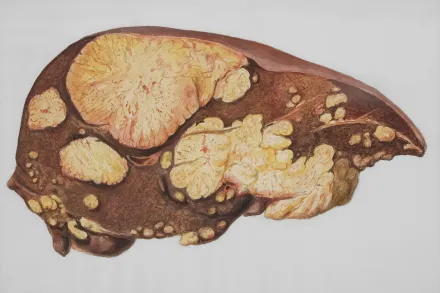
Pancreatitis is an inflammatory process that affects the pancreas, an organ tucked behind the stomach that plays a pivotal role in digesting fats, proteins, and carbohydrates while also helping to regulate blood sugar through hormonal signals. The way pancreatitis presents can vary widely from person to person and from one episode to another, and early recognition often hinges on paying attention to patterns of abdominal pain, digestive upset, and systemic signs such as fever or dehydration. This article delves into the range of symptoms that m...

Vertigo is a complex experience that reaches beyond simple dizziness, presenting as a spinning sensation, a feeling of revolving in space, or a profound sense of imbalance. This phenomenon emerges when the brain receives conflicting information about motion and position from the sensory systems that help humans navigate the world. The most common way people describe vertigo is as a sense that the room is moving around them or that they themselves are tilting, even when they are standing still. These sensations can be brief, lasting only a few s...