Chronic back pain is a complex experience that extends beyond a simple anatomical failure in a single structure. It typically refers to pain in the back that persists for weeks or months, often defined clinically as lasting longer than twelve weeks, and it can fluctuate in intensity over time. The symptoms may begin with a clear incident or arise gradually, and they can be accompanied by muscle stiffness, limited mobility, and a sense of fatigue that colors everyday activities. Understanding why this pain persists requires looking at a broad la...
Diseases & Conditions


Stress is a natural response to challenges, and in small doses it can be protective, sharpening focus, mobilizing energy, and helping people respond to immediate threats. However, when stress becomes chronic or overwhelming, it can initiate a cascade of bodily processes that shape the heart and blood vessels over time. The connection between stress and heart disease is not a single pathway but a complex network of biological, behavioral, and social factors that interact across days, months, and years. In this broader view, stress contributes to...

The prostate is a walnut sized gland that forms part of the male reproductive system. It sits below the bladder and wraps around the upper part of the urethra, the tube that carries urine out of the body. The health of the prostate matters not only for urinary function but also for sexual health since the gland plays a role in semen production. Prostate cancer arises when cells within the prostate grow in an abnormal, uncontrolled way. In many cases the disease can progress slowly, but in others it may advance more rapidly, affecting surroundin...

Chronic fatigue is a complex and often misunderstood condition that extends far beyond the everyday feeling of being tired after a busy day. In the medical world, chronic fatigue can refer to lingering exhaustion that lasts for months or even years and that cannot be fully explained by another underlying medical illness. For many individuals, the experience is not just tiredness but a constellation of symptoms that touch multiple body systems, influence daily routines, and shape emotional life. This article explores the landscape of symptoms co...

Living with heart disease means navigating a landscape where daily choices can influence how well the heart works, how blood vessels function, and how energy is delivered to tissues throughout the body. While medical treatments provide essential support, lifestyle acts as a powerful partner that can slow disease progression, reduce symptoms, improve quality of life, and lower the likelihood of future complications. A lifestyle approach is not a single change but a thoughtful collection of habits that interact with genetics, age, and overall hea...
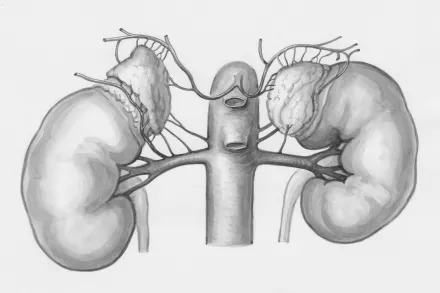
Chronic kidney pain is a symptom that can arise from a variety of conditions affecting the kidneys and urinary tract. The experience of this pain can range from a dull, persistent ache to sharp episodes that radiate toward the abdomen or groin. People often confuse kidney pain with back pain or muscular discomfort because the flank area touches several muscular zones, but distinguishing characteristics such as the location, timing, and accompanying symptoms can help a reader approach a clinician with more clarity. This article explores the mult...
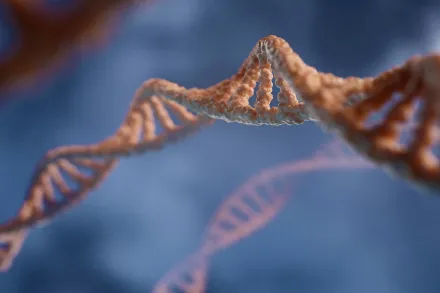
Genetics plays a foundational role in determining how likely an individual is to develop various diseases, and this influence operates through pathways that range from single, decisive mutations to broad networks of common genetic variation that interact with life experiences and environmental exposures. At its core, the study of genetic contributions to disease risk asks why some people accumulate certain illnesses while others remain free from them, despite sharing similar environments or living in the same communities. This inquiry requires ...

Pancreatic cancer remains one of the most challenging diseases to detect early, and the reasons are rooted in anatomy, biology, and the way symptoms reveal themselves. The pancreas sits deep in the abdomen, tucked behind the stomach and close to the spine, which means early tumors often cause vague or nonspecific discomfort rather than obvious, dramatic warning signs. Understanding how the body signals trouble in this region helps people and clinicians notice potential problems sooner, before cancer has advanced. A core message is that symptoms...
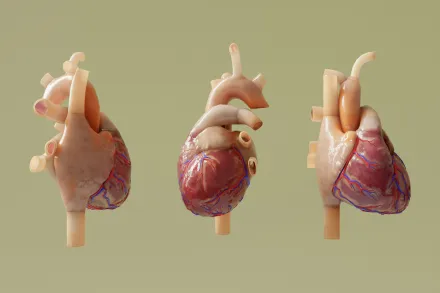
The human heart is a muscular organ whose primary job is to deliver oxygen-rich blood to every part of the body and to receive blood that returns from the lungs. When the arteries that supply the heart muscle with blood become narrowed or when the heart has to work harder than normal, signs can emerge well before a catastrophic event occurs. Early signs are often subtle, easily mistaken for ordinary fatigue or stress, and may vary between individuals. Recognizing that a symptom pattern is unusual for you, persistent, or progressively worsening ...

Obesity is a pervasive condition that extends far beyond the appearance of body size, reaching into the core of cardiovascular health and cerebral blood flow regulation. The universal prevalence of excess weight in many populations has made obesity one of the dominant contributors to the risk profile for stroke, a heterogeneous group of disorders characterized by abrupt interruption of brain blood supply or the rupture of a cerebral vessel. The complexity of the relationship between adiposity and stroke emerges from the convergence of metabolic...