Introduction and scope
Pneumonia is a common and potentially serious lung infection that disrupts the delicate balance of the respiratory system. It is not a single disease but a syndrome that can arise from different pathogens invading the lungs, leading to inflammation and impaired gas exchange. The illness can present with a range of symptoms from a mild cough with low fever to a high fever, chest pain, shortness of breath, and fatigue that can confound daily activity. The diversity of presentations reflects the variety of infectious agents and host factors that shape how pneumonia develops, how it is recognized, and how it responds to treatment. Understanding pneumonia requires looking at the cause, the clinical course, the diagnostic approach, and the potential for complications that can affect the lungs and other organs. This broad view helps patients, families, and clinicians navigate decisions about care, persistence of symptoms, and recovery trajectories over time.
Types of pneumonia
Pneumonia can be categorized in several ways, including how it is acquired, the setting in which it occurs, and the organism responsible for the infection. Community-acquired pneumonia tends to involve bacteria or viruses that spread in the community and often affects otherwise healthy individuals who suddenly develop respiratory symptoms alongside fever and malaise. Hospital-acquired pneumonia, including ventilator-associated cases, typically arises in people who are already ill and in a setting where monitoring and interventions are readily available, yet the care environment itself can contribute to the risk of infection. The etiologic spectrum also includes aspiration pneumonia, which occurs when material from the mouth or stomach is inhaled into the lungs, provoking chemical irritation and infection, especially in people with swallowing difficulties or reduced consciousness. Fungal pneumonia, though less common, can present in individuals with compromised immune systems or certain environmental exposures, and it may require different diagnostic and therapeutic strategies. Finally, viral pneumonia has gained attention during seasonal outbreaks and pandemics, and it can predispose to secondary bacterial infections that complicate the clinical picture.
Causes and risk factors
Around the world, pneumonia results from the entry of infectious agents into the lungs and the subsequent inflammatory response that follows. Bacteria are a frequent cause in adults, with organisms such as Streptococcus pneumoniae playing a prominent role, while viruses such as influenza, respiratory syncytial virus, and newer coronaviruses can be primary culprits, particularly in the young and elderly. In children, viruses account for a substantial portion of pneumonia cases, though bacterial pathogens can also be detected in many instances. Fungal pathogens are more likely to cause pneumonia in people with weakened immune systems or in those who have specific environmental exposures. Risk factors for pneumonia include advanced age, smoking, chronic lung disease, heart disease, diabetes, kidney disease, and conditions that weaken the immune system. Other contributors include recent respiratory infections, hospital stays, use of invasive devices, and therapies that suppress immune responses, all of which can alter the lung’s defense mechanisms and increase susceptibility to infection.
Pathophysiology and lung involvement
Once pathogens invade the lung tissue, the body mounts an immune response that involves recruitment of immune cells, release of inflammatory mediators, and changes to the lining of the airways. The alveoli, the tiny air sacs where oxygen passes into the blood, may fill with fluid or inflammatory cells, a process that reduces the surface area available for gas exchange and produces symptoms such as shortness of breath and a feeling of chest tightness. The inflammatory response can also extend to the surrounding tissue, leading to localized edema, tissue damage, and sometimes the formation of cavities or abscesses if bacteria thrive in pockets of organized debris. In some cases, the infection triggers systemic inflammation that affects other organs, highlighting how pneumonia is not merely a local lung illness but a condition with potential wider consequences if not managed promptly and effectively.
Clinical presentation across age groups
Adults may report a cough, fever, chest pain, and fatigue, with shortness of breath that worsens with exertion. Some patients experience confusion or delirium, particularly older adults who may have a blunted fever response, which can delay diagnosis. Children often present with fever, cough, fast breathing, wheezing, and decreased energy, and they may display signs of dehydration or poor feeding. Immunocompromised individuals, including those on immune-suppressing medications, people with HIV infection, or patients undergoing cancer treatment, can have atypical presentations in which classic symptoms are less pronounced and radiographic findings might be more subtle. The diverse clinical pictures emphasize the need for careful assessment that considers age, comorbidities, vaccination status, and recent exposures when evaluating a patient for pneumonia.
Diagnosis: clinical assessment and laboratory tests
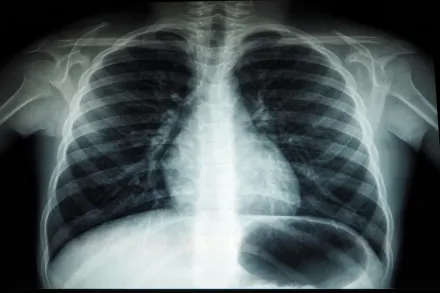
Diagnosing pneumonia involves a combination of clinical evaluation, imaging, and laboratory studies. A thorough history and physical examination help identify symptoms such as fever, productive cough, and breathing difficulties, along with risk factors and potential exposures. A chest radiograph is a key tool that can reveal consolidated lung tissue, fluid in pleural spaces, or other patterns suggestive of infection. In some cases lung imaging may require a computed tomography scan for a more detailed view. Laboratory tests can include a complete blood count to assess white blood cell response, markers of inflammation such as C reactive protein or procalcitonin, and cultures of blood, sputum, or other respiratory specimens to identify the causative organism. In certain populations, rapid bedside tests or molecular assays may assist in distinguishing viral from bacterial pneumonia, guiding antibiotic decisions and infection control measures. The diagnostic process aims to establish the presence of pneumonia, identify the likely pathogens, and determine the level of care required.
Treatment principles and care pathways
Treatment for pneumonia is guided by the severity of illness, the suspected pathogen, and the patient’s underlying health status. Mild cases managed at home rely on rest, adequate hydration, fever control, and timely administration of prescribed antibiotics when bacterial infection is suspected or confirmed. Moderate to severe cases or those with risk factors may require close observation, formal oxygen therapy to maintain adequate blood oxygen levels, and treatment in a hospital setting. Supportive measures such as fluids, nutrition, pain relief, and sleep optimization play an important role alongside antimicrobial therapy. In viral pneumonia, antiviral medications may be indicated in some circumstances, whereas bacterial pneumonia typically calls for antibiotics, with choices tailored to local resistance patterns and patient-specific factors. The overarching goal is to resolve infection while supporting lung function, preventing complications, and shortening the duration of symptoms.
Antibiotics, resistance, and stewardship
Antibiotics remain a cornerstone in the management of bacterial pneumonia, but increasing antibiotic resistance challenges clinicians to choose agents with the best chance of success while minimizing adverse effects. When a bacterial cause is suspected or confirmed, clinicians consider factors such as the patient’s age, comorbidities, prior antibiotic exposure, and risk for resistant organisms. In some cases a single dose or short course antibiotics may be sufficient, while other patients require longer treatment or combination therapy. Antibiotic stewardship emphasizes using the right drug, at the right dose, for the right duration, to reduce the emergence of resistance and to protect the patient from unnecessary exposure. Patients should follow the prescribed plan, complete the course unless a clinician advises otherwise, and report persistent fever, worsening breathing, or new symptoms promptly. Vigilance about side effects and drug interactions is also a critical component of safe antibiotic use.
Complications that involve the lungs and pleural space
Complications from pneumonia can intensify illness and prolong recovery. One common issue is pleural effusion, where fluid accumulates in the space around the lungs, potentially causing chest discomfort and breathing difficulty. In some cases the fluid becomes infected or organizes into scar tissue leading to empyema, a condition that may require drainage or surgical intervention. Lung abscesses can form when pockets of pus develop within the lung tissue, presenting with persistent cough, fever, and foul-smelling sputum. These complications can complicate the course of pneumonia, sometimes necessitating longer antibiotic therapy, imaging-guided drainage, or surgical procedures to remove diseased tissue. Early recognition and appropriate management of pleural and intrapulmonary complications are essential to prevent further impairment of respiratory function.
Systemic complications and organ effects
Pneumonia can trigger systemic effects beyond the lungs, particularly in patients with comorbid illnesses or in those with a delayed or inadequate response to treatment. The inflammatory response can contribute to sepsis, a life-threatening condition where the body's response to infection causes organ dysfunction. Sepsis may manifest as fever or hypothermia, rapid heart rate, low blood pressure, confusion, and reduced urine output, and it often requires intensive care, broad-spectrum antibiotics, and supportive therapies such as fluids and vasopressor support. In severe cases, pneumonia can affect the heart by increasing the risk of arrhythmias or heart strain, while systemic inflammation may worsen blood clotting and contribute to complications in other organ systems. The potential for these systemic effects emphasizes the importance of recognizing pneumonia early and managing it with a multidisciplinary approach that addresses both lung health and overall physiological stability.
Pneumonia in children and newborns
Children experience pneumonia differently from adults, with fever, cough, rapid breathing, and irritability being common signs. In infants and very young children, pneumonia can be more subtle, sometimes presenting with poor feeding or lethargy rather than obvious respiratory symptoms. Because pediatric patients have developing lungs and immune systems, they may be more vulnerable to rapid deterioration, making timely evaluation critical. Vaccination status, exposure to sick contacts, and underlying conditions such as asthma or congenital heart disease influence the risk and severity of pneumonia in children. Management often involves careful clinical monitoring, supportive care to maintain hydration and oxygenation, and appropriate antibiotic therapy when bacterial infection is suspected or confirmed. Pediatric care requires thoughtful communication with caregivers to ensure adherence to treatment and recognition of warning signs that require medical reassessment.
Rehabilitation and recovery after pneumonia
Recovery from pneumonia can vary widely depending on the age of the patient, the causative agent, the presence of comorbidities, and the speed of initial treatment. After the acute infection subsides, many individuals experience lingering fatigue, a persistent cough, or shortness of breath with exertion as the lungs heal. Pulmonary rehabilitation, gentle breathing exercises, and gradual return to activity can help restore lung function and endurance. For people with preexisting lung disease, recovery may be slower, and there is a need to monitor for potential progression of underlying conditions such as chronic obstructive pulmonary disease or asthma. In the weeks to months following pneumonia, some patients may require follow-up imaging to ensure resolution of infection and to exclude alternative explanations for persistent symptoms. Adherence to medications, vaccination strategies to prevent future infections, and attention to nutritional status support sustained improvement and reduce the risk of recurrence.
Prevention: vaccines, hygiene, and environmental measures
Preventing pneumonia involves a combination of vaccination, good hygiene, and attention to risk factors in daily life. Vaccines targeting pneumococcal bacteria can reduce the incidence of pneumonia and its serious complications, while influenza vaccination helps prevent viral infections that may predispose to subsequent bacterial pneumonia. Beyond vaccination, hand hygiene, respiratory etiquette, and avoiding close contact with ill individuals during outbreaks contribute to lower transmission. Management of chronic conditions, smoking cessation, and addressing swallowing difficulties in at risk populations also play a role in reducing pneumonia risk. Individuals with chronic diseases should discuss preventive strategies with their healthcare providers, as personalized plans can incorporate vaccines, lifestyle changes, and early evaluation for respiratory symptoms to minimize progression to severe illness.
Risk assessment tools and decision making in care settings
Clinicians use risk assessment tools to estimate the severity of pneumonia and determine the appropriate place of care, whether home management or hospital admission. These assessments consider factors such as age, vital signs, oxygen saturation, mental status, and comorbid conditions, alongside laboratory and radiographic findings. The goal is to identify patients who may deteriorate without close monitoring and to tailor the intensity of therapy accordingly. In some scenarios, community-based management with accessible follow-up can be effective for patients who are stable, while others require the resources of a hospital or intensive care unit. Decisions are guided by evidence, clinical judgment, and patient preferences, with ongoing reassessment as the illness evolves.
Impact on population health and public health considerations
Pneumonia remains a major contributor to morbidity and mortality globally, especially among vulnerable groups such as the very young, the elderly, and people with chronic diseases. Public health strategies focus on vaccination coverage, outbreak surveillance, antibiotic stewardship, and access to timely medical care. Addressing socioeconomic disparities, improving living conditions, and ensuring equitable access to diagnostic testing and treatment are essential for reducing the burden of pneumonia at the population level. Education about recognizing warning signs and seeking prompt care can empower communities to respond effectively to respiratory infections and minimize the risk of severe outcomes.
Special populations: pregnancy, athletes, and immunocompromised individuals
Pneumonia during pregnancy requires careful consideration of both maternal and fetal health, with treatment plans that balance infection control against potential risks to the developing fetus. Pregnant patients may have altered immune responses and physiological changes that influence symptoms and therapy choices, prompting clinicians to monitor carefully and adjust interventions as needed. Athletes and physically active individuals may notice that recovery takes longer when pneumonia interrupts training, yet with appropriate rest and gradual return to activity most regain prior performance levels. Immunocompromised individuals face additional challenges because their immune defenses are weakened by medications or illnesses; they may experience more severe disease, atypical presentations, and a higher likelihood of requiring supportive care and extended courses of antibiotics or antifungal therapy when indicated.
Complications: respiratory failure and mechanical support
In severe cases, pneumonia can lead to respiratory failure where the lungs cannot provide sufficient oxygen to the bloodstream or remove carbon dioxide adequately. This situation may necessitate supplemental oxygen delivery, noninvasive ventilation, or invasive mechanical ventilation in a critical care setting. The decision to escalate respiratory support depends on objective measurements of oxygenation, work of breathing, and overall clinical trajectory. Early involvement of critical care teams and careful monitoring of respiratory mechanics, fluid status, and hemodynamics are essential to optimize outcomes in patients at risk of rapid deterioration. Even after initial stabilization, some individuals require a structured plan for weaning from ventilatory support and gradual reintroduction of breathing exercises as part of the recovery process.
Complications: cardiovascular and metabolic effects
Pneumonia can place stress on the cardiovascular system, potentially triggering arrhythmias, myocardial ischemia, or heart failure in susceptible individuals. Systemic inflammation can also influence metabolism, leading to fluctuations in blood glucose levels and energy balance, which may complicate management in patients with diabetes or other metabolic disorders. Monitoring heart rhythm, blood pressure, and metabolic parameters becomes particularly important in older adults and in those with underlying heart disease. Recognizing and addressing these interconnected problems early helps prevent escalation that could prolong hospital stays and impede recovery, underscoring the need for coordinated care among pulmonologists, infectious disease specialists, cardiologists, and primary care teams.
Complications: neurologic and cognitive impacts
Neurologic effects such as delirium, confusion, or decreased responsiveness can accompany severe pneumonia, especially in older adults or those with preexisting cognitive impairment. These changes may reflect the infection itself, metabolic disturbances, dehydration, or hypoxia, and they require careful evaluation to determine whether they are due to pneumonia or other concurrent conditions. Delirium can complicate treatment by reducing cooperation with therapies and medications, so clinicians often implement supportive strategies in addition to treating the infection. Understanding the potential for cognitive and neurologic involvement highlights the importance of holistic care, timely intervention, and ongoing monitoring to support safe recovery and prevent long-term consequences for mental function.
Long-term outcomes and lung health after recovery
Even after symptoms improve, some individuals may experience persistent breathlessness, reduced exercise tolerance, or chronic cough for weeks or months. In those with preexisting lung disease, pneumonia can accelerate airflow limitation or precipitate exacerbations of underlying conditions. Regular follow-up, lung function testing when indicated, and attention to breathing techniques can help track recovery and guide rehabilitation. Vaccination against pneumococcus and influenza, along with lifestyle measures such as smoking cessation and physical activity, supports ongoing lung health and reduces the likelihood of future acute infections. A patient-centered plan that includes education about warning signs and a clear pathway for early medical contact can empower individuals to maintain a stable health status after pneumonia.
Emerging research and future directions
Researchers continue to investigate the complex interactions between pathogens, host defenses, and the inflammatory pathways that drive pneumonia. Advances in rapid diagnostic methods, precision antibiotic strategies, and targeted supportive therapies hold promise for improving outcomes and reducing unnecessary antibiotic exposure. Studies exploring vaccination effectiveness, optimal timing of antiviral treatments in viral pneumonia, and the role of adjuvants in immune responses contribute to a deeper understanding of how to prevent, diagnose, and treat pneumonia more effectively. The evolving evidence base supports ongoing updates to clinical guidelines, ensuring that patients benefit from the most current knowledge about pneumonia management and its potential complications.
Personal stories and patient education
Understanding pneumonia from a patient perspective involves listening to experiences that describe the progression of symptoms, the emotional impact of illness, and the challenges of navigating treatment choices. Education about when to seek care, how to complete prescribed therapies, and what signs indicate possible complications helps patients feel empowered and engaged in their own health. Clear communication about the expected timeline of recovery, the importance of rest, the role of nutrition and hydration, and the need for follow-up appointments contributes to a smoother recovery journey. Transparent discussions about risks and benefits of treatments support shared decision making between patients, families, and clinicians, which is essential for achieving the best possible outcomes in the context of pneumonia and its potential complications.
Public health messaging and community awareness
Public health campaigns can raise awareness about pneumonia, encourage vaccination, and promote practices that reduce transmission of infectious agents responsible for respiratory illness. Community education about recognizing early warning signs, practicing good hygiene, and seeking timely medical care for high-risk individuals helps mitigate the impact of pneumonia on families and healthcare systems. Schools, workplaces, and healthcare facilities can benefit from policies that support healthy environments, such as vaccination drives, rapid testing when appropriate, and access to prompt clinical evaluation for respiratory symptoms. By combining clinical management with proactive public health strategies, communities can reduce the burden of pneumonia and protect vulnerable populations from severe disease and complications.
Clinical case considerations and decision prompts
Clinicians often integrate patient history, physical examination, imaging results, and laboratory data to formulate a cohesive assessment and treatment plan for pneumonia. Decisions about initiating antibiotics, hospital admission, and the level of monitoring require balancing risks and benefits while considering the patient’s preferences and social circumstances. In some cases, a patient may respond to initial therapy and be safely discharged with clear instructions and a plan for follow-up observation, while in others, rapid escalation to higher levels of care is warranted. Ongoing communication with patients and families about progress, potential side effects, and expected timelines helps ensure adherence and reduces anxiety during the course of recovery from pneumonia and its possible complications.
Summary for clinicians and caregivers
Pneumonia represents more than an isolated lung infection; it is a multifaceted condition with diverse etiologies, variable clinical presentations, and the potential to trigger a range of complications affecting multiple organ systems. A patient-centered approach that emphasizes timely diagnosis, appropriate antimicrobial therapy, careful monitoring for complications, and thoughtful supportive care can improve outcomes for individuals across age groups and health statuses. Prevention through vaccination and risk-reduction strategies, combined with informed decision making and coordinated care, remains a cornerstone of reducing the overall burden of pneumonia on individuals and communities alike. Although the story of pneumonia can be complex, a clear understanding of its pathophysiology, presentation, and management helps patients navigate the journey from illness to recovery with confidence and resilience.