Understanding the scope of hypertension and the mechanisms behind complications
Hypertension is a condition characterized by persistently elevated pressure within the arteries, a force that acts on the walls of blood vessels day in and day out. Over time, this increased burden can lead to damage in several organs and systems that rely on a steady, well regulated blood supply. The heart, the brain, the kidneys, and the eyes are particularly vulnerable as they require precise control of blood flow to function optimally. When the pressure remains high, the delicate inner lining of arteries can become scarred, and the muscle layer of blood vessel walls may thicken, a process that gradually narrows channels and complicates circulation. This chain of events elevates the risk of heart attack, stroke, kidney failure, vision problems, and progressive vascular disease. The more consistent and significant the blood pressure elevation, the greater the chance that these complications will emerge over time, underscoring the importance of proactive management and sustained lifestyle adjustments alongside medical care.
Key risks associated with uncontrolled high blood pressure
When hypertension remains uncontrolled, the heart must work harder to pump blood through stiffened or narrowed arteries, which can lead to left ventricular hypertrophy, a condition where the heart muscle thickens and loses some of its flexibility. This remodeling can set the stage for heart failure if the heart becomes less efficient at meeting the body's needs. In the brain, elevated pressure can contribute to clots or hemorrhages that trigger strokes, and it can worsen small vessel disease that impairs cognitive function and mobility. The kidneys, responsible for filtering waste and balancing fluids, are also vulnerable; sustained high pressure can damage tiny vessels within the kidneys, reducing their ability to filter and regulate electrolytes, which may progress toward chronic kidney disease. In the eyes, the delicate vessels of the retina can respond to excess pressure with changes that impair vision or lead to scarring. Across these organs, the common thread is that persistent hypertension accelerates wear and tear, increasing the likelihood of events that disrupt daily life and long-term health.
Foundational lifestyle changes to lower risk
A broad range of lifestyle modifications forms the foundation of hypertension management and the prevention of serious complications. Central to this approach is adopting a heart attentive pattern of daily living that emphasizes consistency, balance, and avoidance of triggers that spike blood pressure. Maintaining a regular sleep schedule supports autonomic regulation and reduces daytime blood pressure variability, while minimizing the consumption of alcohol, tobacco, and illicit substances contributes to steadier vascular function. Mindful stress management—through breathing practices, gentle movement, and time for rest—helps temper elevations that can occur with acute anxiety or chronic worry. A nutrient-rich, plant-forward dietary pattern supports vascular health, while regular, moderate physical activity strengthens the heart, improves circulation, and can lower resting blood pressure over time. Collectively, these changes are not merely a list of tips but a cohesive lifestyle framework designed to reduce the workload on the cardiovascular system and shield the organs from the consequences of sustained high pressure.
Dietary strategies that support heart and vessel health
Dietary choices play a pivotal role in shaping blood pressure trajectories and the likelihood of complications. Emphasizing whole foods such as fruits, vegetables, whole grains, lean proteins, and legumes delivers a spectrum of nutrients that support vascular function and metabolic balance. Reducing processed foods and added sugars helps limit excess calories and inflammatory signals that can worsen hypertension. A focus on fiber-rich options supports cholesterol control and steady energy levels, while adequate intake of potassium and magnesium supports healthy blood pressure regulation in many individuals, though some people with kidney disease must tailor these minerals to their specific needs under medical guidance. It is common to encounter recommendations to moderate sodium intake because high sodium exposure can promote water retention and pressure rises; however, the precise targets should be discussed with a clinician who understands personal kidney function and medication interactions. Throughout dietary planning, the goal is to cultivate meals that are flavorful, satisfying, and sustainable, so that healthy choices become a natural part of daily life rather than a short-term regimen.
Exercise and physical activity guidance
Engaging in regular physical activity is one of the most powerful nonpharmacologic tools for controlling blood pressure and reducing the risk of cardiovascular complications. A practical approach is to incorporate activity that elevates heart rate and fosters endurance while allowing sufficient recovery. Moderate activities, such as brisk walking, swimming, or cycling, several times per week can contribute to meaningful decreases in blood pressure and improvements in vascular flexibility. For many adults, aiming for a total of about one and a half to two and a half hours of moderate-intensity exercise weekly, coupled with light strength training, yields benefits without overexertion. It is important to tailor exercise to current fitness level and any other health concerns, and to monitor how the body responds to new routines. Gradual progression, proper hydration, and comfortable footwear all support safety and adherence in the journey toward healthier blood pressure levels.
Weight management and metabolic health
Carrying excess body weight places additional strain on the heart and vessels, and it often accompanies metabolic changes that heighten cardiovascular risk. A measured approach to weight management focuses on steady, sustainable changes rather than rapid losses, with attention to portion control, regular meals, and a balanced macronutrient mix. Even modest weight reduction can yield meaningful improvements in blood pressure and organ health, particularly when combined with increased physical activity and improved sleep. In some individuals, addressing metabolic concerns such as insulin resistance or abnormal lipid profiles through diet, activity, and medical guidance can further reduce risk. The objective is to foster a healthier body composition that supports more stable blood pressure and reduces the likelihood of complications associated with hypertension over the long term.
Medication adherence and medical management
Many people with hypertension require medication to achieve and maintain blood pressure targets that protect against organ damage. Adherence to prescribed regimens is essential because inconsistent use can lead to fluctuating pressures and cumulative risk. Understanding the purpose, dosing schedule, potential side effects, and the importance of continued therapy even when symptoms are not present helps sustain consistent use. It can be helpful to discuss any concerns about medications with a healthcare professional, as there are often alternatives or adjustments that can minimize side effects while preserving effectiveness. In some cases, treatment may involve a combination of agents acting on different pathways to produce a more robust and durable lowering of blood pressure. Regular follow-up appointments and periodic testing enable clinicians to fine-tune therapy in the context of age, kidney function, and coexisting conditions.
Monitoring and regular testing
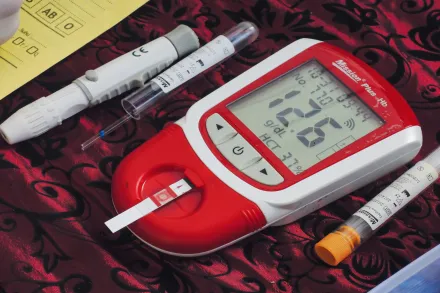
Ongoing monitoring is a practical pillar of preventing complications. Home blood pressure measurement, when performed correctly, provides a reliable glimpse into how well a regimen is working and can alert individuals to unusual changes that warrant clinician input. Keeping a simple log of readings, along with notes about activity, meals, sleep, and stress, helps paint a more complete picture of patterns over time. Laboratory assessments, including kidney function markers, electrolyte levels, and lipid profiles, help detect evolving issues early so that interventions can be adjusted before damage progresses. Blood pressure targets may vary depending on age, presence of other illnesses, and personal risk factors, and clinicians customize these targets to align with an individual’s overall health strategy.
Managing coexisting conditions and risk factors
Hypertension often coexists with conditions such as diabetes, high cholesterol, obesity, and sleep-disordered breathing. The interconnection among these factors means that a comprehensive approach is usually more effective than treating hypertension in isolation. Coordinated care that addresses blood sugar control, lipid management, weight optimization, and optimization of respiratory health can yield synergistic benefits. In some cases, treating one condition can inadvertently improve others, reinforcing the value of a holistic plan. Individuals facing multiple risk factors benefit from clear communication with a multidisciplinary team that may include primary care physicians, cardiovascular specialists, dietitians, sleep experts, and physical therapists. The shared objective is to reduce the cumulative burden on the cardiovascular system and minimize the chance of serious outcomes.
Special considerations for older adults and diverse populations
Age and cultural background can influence how hypertension manifests and how best to approach treatment. In older adults, changes in vessel elasticity, medication sensitivity, and the presence of multiple chronic issues require careful adjustment of targets and regimens. For diverse populations, genetic, dietary, and social determinants can shape risk and response to treatment. Culturally informed care that respects preferences, language, and access barriers promotes adherence and engagement in management plans. In all cases, clinicians aim to strike a balance between effective blood pressure control and preserving quality of life, ensuring that therapies align with personal goals and daily routines.
Sleep, stress, and mental health considerations
Sleep quality and stress levels influence blood pressure through autonomic regulation and hormonal rhythms. Sleep disorders such as sleep apnea, if present, can contribute to resistant hypertension and warrant targeted evaluation and treatment. Stress management strategies that are sustainable and enjoyable can reduce episodic spikes in blood pressure and support a calmer baseline. Mental health also plays a role in motivation and consistency; feeling overwhelmed can undermine adherence to lifestyle changes and medications. A compassionate, patient-centered approach that validates the challenges of making long-term changes while offering practical supports can help individuals sustain healthier patterns and reduce overall vascular risk.
Eyes, kidneys, and the vascular system: protecting organs over time
The impact of hypertension on the eyes, kidneys, and the broader vascular network underscores the need for routine screening and proactive care. Regular eye exams can detect early signs of retinal changes that may accompany blood pressure elevations, enabling timely interventions to prevent vision loss. Kidney function monitoring helps catch declines early, when lifestyle changes and medication adjustments can slow progression. Vascular health benefits from a steady, protective approach that minimizes abrupt fluctuations and preserves the integrity of the endothelium lining blood vessels. By viewing the body as an interconnected system, patients and clinicians can coordinate efforts to shield organs from cumulative damage while pursuing improved cardiovascular health.
Urgent signs and when to seek immediate care
Understanding warning signs that require urgent assessment is a critical component of preventing emergencies. Severe headaches with neurological symptoms, sudden weakness or confusion, chest pain or shortness of breath, sudden inability to speak, sudden vision changes, or signs of kidney crisis such as rapid swelling and very dark urine warrant prompt evaluation. Establishing a plan with a healthcare provider for how to respond to acute changes, including knowing where to seek care and having up-to-date medication information, can save lives. While most days involve steady management, being prepared for emergent scenarios ensures that dangerous spikes or new symptoms are addressed rapidly and safely.
Maintaining long term progress and ongoing care
Even after blood pressure readings stabilize, maintaining long term health requires commitment to consistent routines, regular medical follow-up, and adaptive strategies as life evolves. Periodic reassessment of goals helps incorporate changes in age, activity, medications, and emerging research. Building a support network that includes healthcare professionals, family, and peers who share a focus on cardiovascular wellness reinforces adherence and resilience. When obstacles arise, reframing challenges as opportunities to refine a personalized plan can sustain motivation. The path toward preventing complications is a journey that honors individual circumstances, celebrates incremental improvements, and remains grounded in evidence, empathy, and practical daily actions that collectively reduce risk and support well-being.