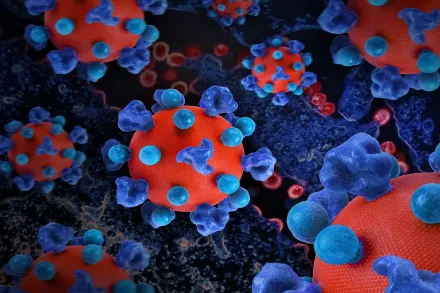
Autoimmune diseases represent a family of conditions in which the immune system misfires and targets the body's own tissues. This misdirected response can affect joints, organs, skin, nerves, and other systems in ways that vary from person to person and from disease to disease. The daily experience of individuals living with autoimmune disorders is shaped by a combination of physical symptoms, treatment regimens, personal resilience, social support, and the broader context of healthcare access. Understanding how these diseases intersect with ordinary routines helps illuminate why managing daily life often requires a multi dimensional approach that goes beyond medical care. The day to day reality is not only about the clinical numbers on a chart but also about the lived experience of fatigue that cannot be measured with a single test, the unpredictability of flare ups, and the way small decisions accumulate into meaningful quality of life shifts. In many cases those living with autoimmune diseases must renegotiate expectations about energy, timing, and the pace of activities, while seeking to preserve autonomy and a sense of normalcy amid symptoms that can wax and wane without clear warning.
Understanding Autoimmune Diseases and Their Variability
Autoimmune diseases are not a single disease but a spectrum of conditions characterized by immune dysregulation. The triggers can be genetic, environmental, hormonal, and sometimes unknown, leading to different patterns of flares and remissions. Some conditions predominantly affect movement and pain in the joints, others alter metabolic processes or organ function, and some primarily manifest through fatigue and cognitive symptoms. The variability in presentation means that two people with the same label, such as Hashimoto's thyroiditis or inflammatory bowel disease, can experience very different daily patterns of symptoms, medication needs, and management challenges. This heterogeneity makes standardized daily routines hard to generalize, which is why personalized care plans that emphasize patient goals, symptom tracking, and flexible scheduling tend to work best for long term well being. The diversity of autoimmune disorders means that the impacts range from subtle disruptions in energy levels to significant limitations in mobility or organ function, and this breadth requires a broad somatic and psychosocial perspective when supporting someone in daily life.
Daily Life in the Face of Physical Symptoms
Physical symptoms can be persistent or episodic, and they often interact with a person’s environment and responsibilities. Pain from inflamed joints, for instance, can limit range of motion and make everyday tasks such as cooking, cleaning, or lifting objects feel more strenuous. Skin conditions can add a layer of self consciousness that complicates social interactions or workplace presentation, while digestive disorders may impose dietary restrictions, frequent bathroom breaks, or discomfort that disrupts attention and focus. When symptoms are at their peak, routine activities may require more planning, accommodations, and pacing. Even tasks that were once routine can become feats of time management and deliberate prioritization. The unpredictability of flare ups contributes to a cautious approach to scheduling, where people juggle essential obligations with the need to conserve energy and avoid overcommitting during vulnerable periods. Yet within this challenge are opportunities to cultivate methodical habits, such as deliberate rest periods, adaptive techniques for daily chores, and the strategic use of assistive devices that support autonomy rather than diminish it.
Fatigue and the Invisible Burden
Fatigue is one of the most common and pervasive symptoms reported by people living with autoimmune diseases, yet it is often invisible to others. Unlike ordinary tiredness, autoimmune fatigue can be relentless and unrelieved by a night of sleep alone. It can shape decision making, memory, and mood, and it often requires a recalibration of expectations about what can be accomplished in a given day. The cognitive dimension of fatigue, sometimes described as brain fog, can involve slowed thinking, difficulty concentrating, and challenges with memory retrieval. These experiences interact with emotional state and social demands, creating a cycle that can be hard to interrupt. Effective management frequently involves a combination of structured routines, regular physical activity appropriate to the individual’s capacity, mindfulness practices, and collaboration with healthcare providers to address any reversible contributors such as anemia or thyroid imbalances. Recognizing fatigue as a legitimate symptom rather than a personal failing is a critical step toward preserving self esteem and sustaining daily function over time.
Impact on Work, School, and Productivity
Participation in work or education often becomes a central axis around which daily life rotates for people with autoimmune diseases. Chronic symptoms, medication schedules, doctor appointments, and the need for flexible work arrangements can influence job opportunities, advancement, and job satisfaction. Some individuals may require accommodations such as adjustable hours, permission to work from home, ergonomic supports, or time off during flare periods. The need for medical leave, even if temporary, can bring financial strain and anxiety about job security, which in turn can affect mental health. Yet many individuals cultivate resilience through communication with supervisors, transparent accommodation requests, and proactive planning that aligns with their current capabilities. In settings that support flexibility and understanding, people with autoimmune diseases can maintain meaningful employment, contribute to teams, and sustain a sense of purpose. Schools and universities may also adapt by providing accessible classrooms, extended deadlines, or flexible testing arrangements, enabling students to continue their education despite fluctuations in health. The balance between duty and self care is delicate, and it often requires ongoing negotiation and advocacy within professional or academic communities.
Social Relationships and Identity
Autoimmune diseases can influence social life and identity in profound ways. Physical symptoms may limit participation in activities that once provided enjoyment or social connection, while visible signs or medical devices can affect how individuals perceive themselves and are perceived by others. Some relationships may become more supportive as friends and family learn to anticipate needs and offer practical help, while others may experience strain if misunderstandings about fatigue or limitations arise. The experience of autoimmune disease is frequently tied to a sense of being different, which can influence self esteem and social confidence. At the same time, many people discover new communities of support through patient networks, online forums, and local groups where shared experiences foster belonging. The social dimension also involves intimate relationships, where partners and family members may share responsibilities for care, coordinate schedules with medical routines, and participate in decisions about treatment choices. Navigating these dynamics with openness, empathy, and clear communication can strengthen bonds even as the condition reshapes daily life.
Emotional Health, Stress, and Coping
Chronic illness, including autoimmune diseases, intersects strongly with emotional health. The uncertainty of symptom progression, the burden of treatment regimens, and the social implications of living with a chronic condition can contribute to stress, anxiety, and depressive symptoms. Coping strategies vary, but commonly involve building routines that promote predictability, seeking social support, engaging in therapy or counseling, and cultivating activities that provide a sense of mastery. Mindfulness, paced exercise, and journaling have shown benefits for some individuals by reducing the emotional intensity of symptoms and improving perceived control. Acknowledging emotional responses as a natural and important component of lived experience helps to remove stigma and invites constructive conversations with healthcare providers about anxiety or mood concerns. Long term emotional resilience often relies on a network of care that includes mental health professionals, primary care physicians, and trusted friends or family who listen without judgment and respond with practical help when needed.
Diet, Sleep, and Lifestyle Modifications
Dietary patterns and sleep quality can meaningfully influence the course of many autoimmune diseases, though the science of diet is not universally prescriptive for all conditions. Some individuals find that specific foods aggravate symptoms or trigger intestinal distress, while others experience little to no pattern based on diet alone. Sleep is frequently disrupted by pain, nocturnal symptoms, or the need to take medications at night, and inadequate rest can worsen daytime fatigue and cognitive function. Lifestyle modifications often include gradual incorporation of physical activity suited to personal tolerance, maintaining hydration, and establishing regular routines that anchor mornings and evenings. Stress management plays a pivotal role, as chronic stress can exacerbate immune system activity in some individuals. Clinicians may advise multiple small behavioral adjustments rather than sweeping changes, recognizing that sustainable improvements emerge from patient motivated choices that fit into daily life rather than from dramatic, unsustainable programs. A patient centered approach respects personal preferences, cultural dietary patterns, and family responsibilities while encouraging evidence based practices that support health outcomes over time.
Medication, Treatments, and Side Effects
Medications are a central pillar in managing autoimmune diseases, but they carry a spectrum of potential benefits and side effects. Immunomodulators, anti inflammatory drugs, biologics, hormonal therapies, and different categories of symptom controlling agents all play roles depending on the diagnosis. The burden of taking medications regularly can be substantial, involving scheduling around meals, monitoring for adverse effects, and coordinating with multiple specialists. Side effects such as fatigue, mood changes, gastrointestinal upset, or increased susceptibility to infections can affect day to day functioning and quality of life. The process of starting new therapies, adjusting dosages, or transitioning between drugs requires careful communication with clinicians, as well as patient education to understand risks, benefits, and the rationale behind treatment choices. In some cases, patients become adept at managing complex regimens, using memory aids, pill organizers, or digital reminders to sustain adherence. The ongoing evaluation of treatment effectiveness often includes tracking symptoms, laboratory tests, and patient reported outcomes, reinforcing the collaborative nature of chronic disease management.
Accessibility, Healthcare Navigation, and Health Equity
Access to timely, affordable, and high quality care significantly shapes daily life for individuals with autoimmune diseases. Barriers can include geographic distance to specialists, long wait times for consultation, high insurance costs, and disparities rooted in race, ethnicity, gender, or socioeconomic status. Navigation within the healthcare system can be daunting, especially when rare diseases require referrals to subspecialists, participation in clinical trials, or access to specialized diagnostics. Health literacy and language barriers influence the ability to understand diagnoses, treatment options, and self management strategies. In addition, patient empowerment and shared decision making play vital roles in optimizing outcomes; patients who are informed and involved in care planning tend to report higher satisfaction and better alignment between their goals and medical interventions. Efforts to improve equity include expanding telemedicine options, supporting community health initiatives, and reducing structural obstacles that impede consistent follow up and medication access. The daily reality of care often hinges on whether individuals can secure timely appointments, obtain necessary medications, and receive clear guidance that translates medical language into practical steps for living with a chronic condition.
Support Systems, Caregivers, and Community Resources
Support networks form a cornerstone of daily life for people facing autoimmune diseases. Family members, friends, coworkers, and neighbors can provide practical help, emotional support, and advocacy when medical systems feel overwhelming. Caregivers often coordinate transportation to appointments, assist with physical tasks during times of weakness, and help manage complex medication schedules. Community resources such as patient advocacy groups, support groups, and educational workshops offer spaces to share experiences, learn about disease management, and connect with others who understand the journey. Access to these resources can reduce isolation, validate personal experiences, and empower patients to negotiate accommodations in school or workplace settings. The quality of social support is often a predictor of resilience and can influence both mental health and physical health outcomes over the long term. Cultivating open lines of communication within personal networks ensures that needs are understood and respected, while contributing to a sense of shared responsibility for well being rather than solitary struggle.
Technology, Self-Management Tools, and Future Therapies
Technology has become an increasingly important partner in daily life for individuals with autoimmune diseases. Digital health platforms, symptom tracking apps, medication reminder systems, telehealth visits, and wearable devices offer new ways to monitor health, communicate with clinicians, and adjust daily routines in real time. Self management tools can help patients recognize patterns, anticipate flare ups, and implement timely strategies to preserve function. Emerging therapies and research directions promise more targeted treatments with potentially fewer side effects, along with advances in early diagnosis and personalized medicine. While the promise of new therapies brings hope, it also requires ongoing education to interpret evolving evidence, manage the expectations of hopeful patients, and integrate novel approaches into practical daily plans. As science advances, the daily life of people with autoimmune diseases may become more adaptable through improved symptom control, better safety profiles for medications, and improved methods of remote monitoring that reduce the burden of frequent clinic visits.
Sleep, Activity, and Restorative Routines
Establishing sleep friendly environments and consistent activity patterns can positively influence energy levels, mood, and functional capacity. For some individuals, gentle, regular forms of movement such as walking, stretching, or tai chi may aid in reducing stiffness and improving sleep quality without provoking fatigue. Others may benefit from structured exercise programs designed by physical therapists who specialize in inflammatory or autoimmune conditions. Balancing rest with safe levels of activity is a dynamic process that requires ongoing feedback from the body and collaboration with healthcare providers. Sleep hygiene strategies, including reducing screen time before bed, creating a dark and quiet sleep setting, and maintaining a regular bedtime schedule, can support restorative sleep even when pain disrupts the night. Over time, small adjustments accumulate into meaningful improvements in daytime alertness and the ability to engage in work, family life, and social activities with greater continuity.
Education, Empowerment, and Communication with Clinicians
Education is foundational to effective management of autoimmune diseases. Patients benefit from clear explanations of their diagnosis, the expected disease trajectory, potential treatment options, and the practical implications for daily living. Empowered patients engage in shared decision making, ask informed questions, and articulate personal goals to their clinicians. Regular, honest communication helps identify barriers to adherence or participation in activities and supports timely adjustments to treatment plans. Clinicians who acknowledge the impact of disease on daily life and address non medical concerns such as sleep, nutrition, and mental health contribute to a holistic care approach. The therapeutic relationship, built on trust and mutual respect, becomes a practical asset as people navigate the complexities of long term illness. Educational resources, translated materials, and culturally sensitive guidance further ensure that diverse communities can participate actively in their care and make informed decisions about their health pathways.
Economic Considerations and Financial Wellbeing
The economic dimension of autoimmune disease care is substantial and can affect day to day stability. Costs of medications, diagnostic tests, monitoring visits, and supportive devices accumulate over time, and gaps in insurance coverage can magnify financial stress. Time away from work for medical appointments or flares may impact income, benefits, and long term employment prospects. Financial insecurity can in turn influence treatment choices if patients must weigh affordability against perceived efficacy. Some individuals find relief through social services, patient assistance programs, or nonprofit organizations that provide medication access, transportation, or mental health support. Addressing financial concerns often requires comprehensive planning, transparent conversations with employers or educators about rights and protections, and proactive engagement with healthcare teams to optimize the balance between effective treatment and economic sustainability. The practical reality is that health and financial stability frequently interact, shaping decisions about daily routines and long term aspirations.
Looking Ahead: Management Strategies and Hope
As medical science advances, many people living with autoimmune diseases encounter new strategies that enhance daily living. Personalized treatment plans, early intervention, and interdisciplinary care teams that include rheumatologists, endocrinologists, gastroenterologists, psychologists, and physical therapists offer a more integrated approach to health. Self management remains a central pillar, with skills in symptom tracking, pacing, stress reduction, and proactive problem solving forming the backbone of resilience. Families and communities play a crucial role in sustaining daily function by providing practical help, emotional support, and shared responsibilities that reduce isolation. Education about disease mechanisms and realistic goal setting helps individuals manage expectations while maintaining motivation to pursue meaningful activities. In the long term, patient empowerment, equitable access to care, and ongoing innovation hold promise for smoother daily routines, improved safety, and a more hopeful horizon for those who navigate the demanding terrain of autoimmune disease with courage and perseverance.