Chronic Obstructive Pulmonary Disease, commonly called COPD, is a condition that changes how a person breathes, moves, and experiences daily life. It is often progressive, meaning it tends to worsen over time, but with thoughtful management, many people learn to pace activities, protect their lungs, and preserve independence. Living with COPD means adapting routines to protect airways, manage symptoms, and seek support when needed. It touches physical capacity, emotional wellbeing, finances, and relationships, creating a complex daily reality that requires patience, education, and practical strategies. The goal of this discussion is to offer information that helps individuals and families understand the condition better, reduce fear, and assemble a practical plan that fits real life, rather than a one size fits all prescription. In the sections that follow, the focus is on what can be done in everyday life to promote breathing comfort, reduce symptoms, and maintain a sense of control and dignity.
Understanding COPD: what it means to live with the disease
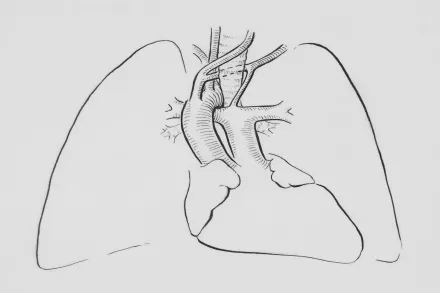
In COPD, the lungs' airways become inflamed and narrowed, often due to exposure to irritants such as tobacco smoke, air pollution, occupational dust, or a history of repeated lung infections. The damage is typically lasting, and symptoms include chronic cough, shortness of breath especially with activity, wheezing, and increased fatigue. However, COPD is not a single disease; it is a spectrum that may present as chronic bronchitis, emphysema, or a combination of both. Understanding this helps patients recognize that symptoms do not simply reflect aging, but a treatable condition with specific patterns and needs. Early recognition and ongoing management can slow progression and improve quality of life. A key part of living with COPD is accepting that the lungs are not as efficient as they used to be, and that daily demands must be matched with the body’s current capacities. People often notice that respiratory symptoms fluctuate, with some days feeling relatively normal and others requiring careful pacing, rest, and the support of medication or supplemental oxygen as prescribed by a clinician.
Living well with COPD begins with education, because knowledge reduces uncertainty and fosters informed choices. It is valuable to learn how air moves through the airways, how coughing clears mucus, and how breathing can be adjusted to reduce the work of the lungs. People frequently discover that a combination of medical care, self care strategies, and social support creates a resilient framework. The experience of COPD varies between individuals, and many find that their goals change over time—from staying active in work or family life to prioritizing rest and protection on days when breathing feels labored. A practical mindset is to view COPD as a chronic condition that requires ongoing attention, rather than a sudden crisis, and to build routines that can adapt when symptoms shift.
Important aspects of living with COPD include recognizing triggers, setting realistic expectations about energy, and cultivating patience. Triggers may be environmental, such as cold air, strong odors, or high pollen counts, or related to activity levels that exceed current endurance. By identifying patterns, people can adjust activities, pace themselves, and pace their days so that rest periods are integrated into daily life. Emotional responses such as fear, frustration, or grief about changing abilities are common, and acknowledging these feelings is a normal part of living with a chronic illness. When individuals feel supported by family, friends, and healthcare providers, they often experience less anxiety about breathlessness and greater confidence in managing symptoms as they arise.
Breathing as a skill: practical techniques for daily life
Breathing shapes the experience of COPD more than most people realize. Breathing techniques are not about forcing the lungs to work harder but about reducing the effort required to move air in and out and about using the airways’ natural pathways more efficiently. Pursed-lip breathing, a simple technique often taught in pulmonary rehabilitation, can help slow breathing and improve expiratory flow, which reduces air trapping and improves comfort during activity. Diaphragmatic breathing, which encourages deeper breaths from the abdomen rather than shallow chest breathing, can also help conserve energy and oxygen delivery to the body’s tissues. Practicing these techniques during calm moments strengthens their effectiveness during more demanding situations, such as climbing stairs or walking against a breeze. Regular practice can lead to a noticeable improvement in breath control and a reduction in feelings of breathlessness during routine tasks.
Another important practice is nasal breathing when possible, which filters and warms the air before it reaches the lungs. When nasal breathing is not feasible due to congestion, it is still possible to use breathing techniques that maximize efficiency through the mouth while maintaining a steady pace and avoiding rapid, shallow breaths. Energy conservation is a central principle; people learn to break tasks into smaller steps, rest before fatigue builds too far, and use assistive devices when appropriate. The aim is not to push through fatigue at the expense of safety but to align activity with the body’s current capacity. It is helpful to keep a daily log of activities and perceived effort, because trends over weeks can reveal opportunities to adjust routines and protect lung health.
Medication often interacts with breathing techniques, so understanding how inhalers, pills, and other therapies integrate with practice is essential. Proper inhaler use requires attention to technique, timing, and coordination with breathing cycles. A healthcare provider can demonstrate correct use and verify that devices deliver the right amount of medicine to the lungs. When breathing becomes difficult, individuals may find that temporarily slowing the pace, sitting down, and performing breathing exercises provides immediate relief and prevents a downward spiral into tighter airways and panic. Building a toolbox of strategies—including posture, relaxation, and distraction techniques—helps maintain calm during episodes of increased breathlessness and fosters confidence in handling daily challenges.
Medications and treatment options that support daily life
Medications for COPD are designed to relieve symptoms, prevent flare ups, and improve overall function. Inhaled bronchodilators, including short-acting and long-acting options, widen the airways and can be used on a schedule or as needed. Inhaled corticosteroids may reduce inflammation in some patients and are sometimes used in combination therapies. The proper choice depends on disease severity, symptom burden, and response to treatment, all of which require regular check-ins with a clinician. It is essential to use inhalers correctly; many people benefit from a spacer device that helps deliver medicine more effectively to the lungs. Regular reviews of inhaler technique, timing, and dosing ensure that treatment remains aligned with current needs and minimizes side effects.
Vaccinations are a critical, sometimes overlooked, component of COPD care. Flu vaccines, pneumococcal vaccines, and other recommended immunizations can reduce the risk of respiratory infections that worsen airway inflammation and trigger exacerbations. Infections are a common cause of hospital visits among people with COPD, and preventive care can have a meaningful impact on daily life by limiting disruptions in breathing health. Some patients also use supplemental oxygen at home if blood oxygen levels drop during routine activity or sleep. Oxygen therapy can help sustain energy, reduce heart strain, and improve quality of life when prescribed by a clinician based on precise measurements. Education about when to use oxygen, how to manage equipment, and how to maintain safety in the home is a key part of treatment planning.
Nutrition and fluid balance interact with COPD in subtle but important ways. Certain medications or the condition itself can affect appetite, taste, or digestion, while obesity or loss of muscle mass can influence breathing efficiency. A balanced diet rich in fruits, vegetables, lean proteins, whole grains, and healthy fats supports energy maintenance and immune function. Some individuals find it helpful to work with a dietitian who understands COPD and can tailor recommendations to activity level, medications, and other health considerations. Hydration is important for mucus consistency and airway clearance, but it should be balanced to prevent discomfort or fluid overload, particularly in people with heart and lung comorbidity. Overall, staying nourished and hydrated supports better breathing, more sustainable activity, and a steadier mood.
Exercise, activity, and pulmonary rehabilitation
Engaging in physical activity is a cornerstone of COPD management, yet it requires careful planning and professional guidance to avoid overexertion. Pulmonary rehabilitation programs offer structured exercise alongside education and psychosocial support. These programs typically combine aerobic training, resistance work, and breathing strategies, all adapted to the participant’s capacity. Even modest activity—such as walking for short periods, gentle stretching, or seated exercises—can yield meaningful benefits in endurance, muscle strength, and mood. The goal is not to push to maximum performance but to expand the range of comfortable activities and to reduce the sensation that breathlessness limits life. Regular participation can lead to improvements in oxygen use, reduced fatigue, and a greater sense of capability in daily routines.
Home-based activity plans are equally valuable, especially when access to formal rehabilitation is limited. A practical approach is to schedule brief, consistent sessions several days a week, gradually increasing duration as comfort allows. A well-designed plan includes warm-up and cool-down phases, a balance of aerobic and strength components, and attention to breathing techniques that help maintain oxygen delivery during effort. Listening to the body is essential; if breathlessness becomes severe, if there is chest pain, or if dizziness occurs, activity should pause and professional guidance should be sought. Building a habit of movement over weeks and months strengthens the body’s resilience and helps keep the lungs as efficient as possible for as long as possible.
Nutrition, weight management, and energy balance
Nutrition matters in COPD because energy demands can shift with breathing difficulty and activity. Adequate protein supports muscle mass, which in turn helps sustain physical capacity. A diet rich in lean proteins, colorful vegetables, and complex carbohydrates can provide steady energy without causing spikes in blood sugar or excessive weight gain. It is common for people with COPD to experience changes in appetite, taste, or digestion, so flexibility and mindful eating become important. Small, frequent meals may feel more manageable than large meals that require significant energy to digest. A clinician or dietitian can help design a plan that aligns with activity goals, medication schedules, and any other health considerations such as diabetes or heart disease.
Hydration supports mucus clearance and overall energy, but fluids should be individualized, especially in the presence of heart or kidney disease. Monitoring weight daily or weekly helps detect early signs of fluid retention or dehydration, prompting timely adjustments to diet and medications. Adequate fiber and micronutrients support digestion and immune defenses, which is particularly relevant for people living with a chronic lung condition. It is useful to maintain a food diary for a time to observe how meals affect energy levels, sleep quality, and breathlessness. This information becomes a valuable talking point during medical visits, enabling clinicians to refine dietary recommendations and optimize treatment plans.
Environmental factors, triggers, and living spaces
Air quality has a direct and immediate impact on COPD symptoms. Pollutants such as cigarette smoke, secondhand smoke, chemical fumes, dust, and outdoor pollution can irritate airways and intensify breathing difficulties. Creating a home environment with clean air is a practical step toward maintaining comfort. This can involve avoiding exposure to tobacco smoke entirely, using air purifiers with appropriate filters, reducing indoor dust through regular cleaning, and choosing household products with low volatile organic compound emissions. Temperature and humidity also matter; extremely dry or cold air can provoke coughing and bronchial irritation, while high humidity can worsen mucus buildup for some individuals. Thoughtful adjustments, such as sealing drafts, using humidifiers cautiously, and keeping a steady indoor climate, can contribute to steadier breathing and fewer episodes of discomfort.
Sunlight, allergens, and seasonal changes may influence symptoms for some people. Pollen, mold, and dust mites can increase coughing or wheeze, especially in vulnerable seasons. Identifying personal triggers through observation and discussing them with a healthcare provider helps tailor strategies that minimize exposure. During periods of high pollution or poor air quality, staying indoors, reducing exertion outdoors, and using protective masks or air filtration in living spaces can provide practical relief. The lived environment becomes an ongoing partner in health, with careful choices about cleaning products, fabrics, and scents contributing to a calmer respiratory experience over time.
Care plans, monitoring, and working with healthcare teams
Effective COPD management hinges on clear communication with a healthcare team that understands the patient’s goals and daily realities. Regular check-ins allow clinicians to monitor lung function, symptom progression, and the impact of therapies. A personalized plan often includes specific steps for recognizing and responding to flare ups, when to seek urgent care, and how to adjust medications during infections or altitude changes. Shared decision making—where patients participate actively in treatment choices—helps ensure that therapies align with personal values, lifestyle, and risk tolerance. It also supports adherence, because people who feel their needs are heard are more likely to follow through with a plan that fits their life.
Keeping a simple record can improve coordination of care. A health diary might note daily symptoms, activity levels, breathlessness scores, sleep quality, and mood. It can also document medication schedules, inhaler technique checks, vaccination history, and upcoming appointment dates. With such records, clinicians can identify patterns, assess response to therapy, and adjust plans accordingly. When appropriate, a referral to a pulmonologist, a respiratory therapist, or a rehabilitation program may deepen the support available, especially during transitions such as after hospital stays or when adjusting to new medications. A robust care plan emphasizes safety, effectiveness, and the patient’s sense of control in everyday life.
Vaccinations, infections, and the role of preventive care
Preventive care plays a vital role in maintaining stability for people living with COPD. Vaccinations against influenza and pneumococcal disease reduce the risk of infections that can worsen lung function and trigger hospitalizations. Regular hand hygiene, avoiding close contact with sick individuals during outbreaks, and up-to-date vaccines are simple, practical steps that help keep the lungs safer during respiratory seasons. When an infection occurs, early treatment with appropriate medications can shorten its course and minimize complications. Patients should be aware of warning signs that require medical evaluation, such as a sudden increase in breathlessness, fever, or a change in the color or quantity of sputum. Prompt care helps prevent minor illnesses from turning into serious problems that disrupt daily life for extended periods.
In addition to vaccines, physical health supports immune resilience. Adequate sleep, stress management, and moderate physical activity contribute to a more robust response to infections and a quicker recovery when illness arises. People with COPD should discuss any new symptoms with their healthcare provider, particularly if they have chronic comorbid conditions such as cardiovascular disease, diabetes, or kidney issues, which can modify how infections present and how treatments are chosen. A comprehensive approach to preventive care, combining medical therapies with lifestyle habits, fosters steadier health and better long-term outcomes.
Emotional wellbeing, mental health, and social connections
Living with COPD affects more than physical health; it touches mood, confidence, and social life. Breathlessness can lead to anxiety, fear of episodes, or social withdrawal, especially if activity becomes a source of distress. Recognizing these emotional responses is a normal part of managing a chronic condition. Access to supportive networks, counseling, mindfulness practices, and trusted conversations with family or friends can reduce the emotional burden and improve overall functioning. Social connections often provide practical help, such as transportation to appointments, reminders about medications, or companionship during rehabilitation activities. A proactive stance toward mental health reinforces physical resilience and helps people maintain meaningful participation in work, hobbies, and family life.
Practical strategies to support emotional wellbeing include setting realistic goals, celebrating small successes, and building routines that create a sense of safety and predictability. Sleep quality matters deeply, because restful nights enhance daytime mood, energy, and cognitive function. When sleep becomes disrupted by coughing or breathing difficulties, addressing sleep hygiene, potential sleep disorders, and nighttime medications with a clinician can lead to substantial improvements. Peer support groups, whether in person or online, offer shared experiences, practical tips, and encouragement that remind individuals they are not alone in their journey. The combination of emotional and social support contributes to a more balanced life and can lessen the impact of COPD on daily happiness and purpose.
Daily routines, independence, and assistive devices
Maintaining independence is a central concern for many living with COPD. Small adjustments in daily routines can yield significant improvements in energy conservation and safety. Simple changes, such as organizing the living space to minimize the need for stair climbing, keeping frequently used items in accessible places, and planning tasks in advance, reduce the physical and cognitive load of everyday activities. Assistive devices like canes, walkers, elevated seating, or grab bars can support safe movement and reduce fatigue. For tasks that require reaching or bending, adaptive tools and ergonomic modifications allow people to maintain autonomy for longer. It is important to involve healthcare professionals in selecting equipment and training to use it correctly, ensuring that assistive devices enhance function without introducing new hazards.
Fueling independence also means building reliable routines for medication, medical appointments, and oxygen therapy if prescribed. A simple calendar, reminder systems, or a caregiver-enabled check-in can prevent missed doses and ensure timely refills. For those who travel or work, planning ahead about oxygen needs, medication supply, and access to medical care becomes an essential part of maintaining momentum and avoiding disruptions. While COPD can limit certain activities, many people still pursue meaningful work, hobbies, and community engagement by adapting tasks, pacing efforts, and seeking accommodations when necessary. The overarching message is that independence is achievable through thoughtful planning, supports, and a patient-centered approach to daily living.
Travel, mobility, and quality of life on the road
Travel and mobility present unique considerations for COPD management. Packing a well organized kit with medications, inhaler spacers, a copy of the medical plan, and emergency contacts helps reduce stress when away from home. It is important to verify that travel destinations can accommodate oxygen needs, accessibility options, and medical services. For air travel, some people require advance notification to airlines about oxygen or medical devices, while others may simply need to manage breathing strategies during flights. Weather, altitude, and exposure to allergens can influence symptoms, so pre trip planning becomes essential. A flexible itinerary that includes rest periods, shorter outings, and accessible transportation options often preserves enjoyment while protecting breathing comfort. By approaching travel with preparation and realistic expectations, people with COPD can maintain a gratifying sense of exploration and curiosity about the world.
At home and on the go, communication is key. Explaining needs to family, coworkers, or service providers creates a network of understanding and reduces misunderstandings about what helps during breathlessness or fatigue. Some individuals find it helpful to wear a medical alert bracelet or carry a concise summary of medications and conditions in case of an emergency. Safety planning also includes having a plan for weather emergencies, such as heat waves or cold snaps, which can stress the respiratory system. A proactive stance toward mobility, combined with modest and sustainable goals, contributes to a higher quality of life and a sense that life remains within reach despite the challenge COPD presents.
Caregiving, family roles, and shared responsibilities
Families and caregivers often play a pivotal role in supporting someone living with COPD. The distribution of responsibilities can range from helping with transportation and medication management to providing emotional support and coordinating medical care. Clear conversations about boundaries, preferences, and available resources reduce ambiguity and prevent caregiver fatigue. It is helpful for families to learn about the disease together, share information from medical appointments, and discuss goals for treatment and quality of life. When caregivers also attend to their own wellbeing, they maintain the capacity to provide steady, compassionate support. Support groups, respite care options, and professional guidance can relieve burden and promote balance within the household. The shared journey through COPD benefits from mutual respect, transparent communication, and a sense of teamwork that honors both patient autonomy and family involvement.
Education for caregivers includes recognizing signs that breathing is worsening, understanding when to seek urgent care, and knowing how to assist with inhaler technique, oxygen equipment, or emergency medications. Empowering the patient to participate in decision making while ensuring safety creates a respectful dynamic that preserves dignity and fosters trust. It is natural for roles within the family to evolve as the disease progresses, and preparing for these changes with sensitivity and planning helps maintain harmony and reduce stress. The family unit can become a source of resilience, with each member contributing strengths that support the person living with COPD in meaningful ways.
Financial planning, insurance, and access to care
Chronic illnesses often bring a range of financial considerations, including the costs of medications, medical devices, rehabilitation, and transportation to appointments. Early budgeting, insurance reviews, and conversations with social workers or benefits advisors can help identify coverage options, subsidies, and community programs that alleviate financial strain. Understanding what is covered by health plans, what services require copayments, and which supports are available through local health departments can make a significant difference in access to care. Planning ahead also includes considering durable medical equipment, home modifications, and potential home health services that might be required at different stages of the disease. A thoughtful approach to financial planning supports continuity of care and reduces stress when life circumstances change.
Beneficiaries of social services, disability programs, and caregiver supports should be explored with patience and persistence. Attending to legal and practical issues such as advance directives, power of attorney, and preferred care decisions helps ensure that personal wishes are honored, especially in situations where decision-making capacity becomes compromised. The process of planning for future health needs can be deeply empowering, providing a sense of control and reducing anxiety about unforeseen events. Access to community organizations, patient advocacy groups, and healthcare navigators often helps individuals find tailored resources that align with their values, cultural background, and personal goals for living with COPD.
Looking ahead: what living with COPD can mean across the lifespan
As people age with COPD, their needs, goals, and daily routines may evolve. Some experience slower progression with effective management, while others notice that symptoms change in unpredictably episodic ways. A central theme in looking ahead is resilience: adapting to changes while maintaining a sense of purpose and connection. This includes staying engaged with family, friends, and community activities, continuing to learn about new therapies as research advances, and maintaining a hopeful outlook grounded in practical action. The experience of living with COPD invites individuals to redefine success not as the absence of symptoms but as the ability to participate in meaningful moments, to communicate openly about needs, and to exercise choices that protect lung health while supporting a fulfilling life.
Advances in research continually contribute to better symptom control, more effective rehabilitation, and improved ways to tailor therapies to individual lungs. The evolving landscape offers opportunities to participate in studies, access novel treatments, and benefit from personalized medicine approaches that consider genetics, lifestyle, and concurrent health conditions. Staying informed, asking questions, and collaborating with a compassionate healthcare team yields a sense of partnership that can transform the experience of COPD from a solitary burden into a coordinated journey with support, options, and ongoing learning. The shared aim across all ages and stages remains consistent: to maximize comfort, maintain autonomy, and nurture well-being in the context of living with chronic lung disease.
In the end, living with COPD is about daily choices that protect lungs, sustain energy, and preserve dignity. It involves careful listening to the body, proactive management of symptoms, and the courage to seek help when needed. It also depends on a community of people—family, friends, healthcare professionals, and fellow patients—who offer practical help, emotional support, and shared knowledge. By embracing evidence-based strategies, personal values, and accessible resources, individuals with COPD can craft a life that remains rich with meaning, even as breath and lungs shape the contours of daily experience.