Introduction to the connection between body weight and joints
Obesity is more than a matter of aesthetics or cardiovascular risk; it profoundly influences joint health through multiple biological and mechanical pathways. Excess body fat alters the way load is distributed across joints, changes the metabolism within the musculoskeletal system, and modulates inflammatory signals that reach bone, cartilage, and connective tissues. For many individuals, the consequence is a gradual emergence of joint pain, stiffness, and limited mobility that can begin early in life and worsen as weight increases. In this exploration, we will trace how excess weight translates into cumulative stress, how that stress interacts with biological processes, and what that means for prevention, diagnosis, and management of joint-related conditions.
Biomechanical load and wear on weight bearing joints
The simplest and most direct way obesity affects joints is by increasing the mechanical load borne by weight-bearing structures such as the knees, hips, and lumbar spine. When body mass rises, the joints must contend with a greater gravitational force during every step, bend, or climb. This repeated overloading accelerates the wear and tear on articular cartilage, the slippery tissue that cushions joint surfaces. Over time, the cartilage that once offered smooth movement may begin to degrade, leading to friction, microtrauma, and changes in joint contour that amplify pain and reduce range of motion. The cumulative effect resembles an aerated wheel system that faces higher resistance each time it turns, eventually affecting the efficiency and comfort of movement across daily activities and exercise. In addition to cartilage, the surrounding ligaments and tendons are taxed, which can increase the likelihood of sprains, strains, and overuse injuries that compound the clinical picture.
Cartilage health and osteoarthritis risk in obesity
Cartilage is avascular and relies on slow, patterned loading to maintain nourishment and resilience. In the context of excess weight, cartilage endures greater compressive forces and altered joint kinematics, which can lead to thinning and fissuring within the cartilage matrix. This process is a central feature in the development and progression of osteoarthritis. In obese individuals, the rate of cartilage breakdown may outpace repair, particularly in weight-bearing joints where mechanical stress is most intense. Moreover, the composition of the cartilage matrix can shift toward a stiffer and more brittle state, reducing its ability to absorb shocks and distribute forces evenly. As a result, daily routines that involve walking or standing for prolonged periods can become progressively more painful, and even light activities may feel challenging as the disease progresses.
Inflammation, adipose tissue, and joint tissues
Beyond mechanics, adipose tissue serves as an active endocrine organ that secretes inflammatory mediators known as adipokines. In obesity, levels of proinflammatory cytokines such as tumor necrosis factor alpha and interleukin-6 rise, while anti-inflammatory adipokines may fall. These signals circulate systemically and reach synovial tissue and bone, promoting an inflammatory milieu within joints. This low-grade chronic inflammation can sensitize nerves, amplify pain perception, and contribute to tissue degradation by activating catabolic pathways within cartilage and bone. Inflammation thus acts as a bridge linking excess fat to joint dysfunction, creating a cycle in which joint pain and reduced activity further worsen metabolic health and obesity itself.
Mechanical alignment, adiposity distribution, and joint stress
Where fat is distributed on the body matters for joint loading. Central or visceral obesity, with weight concentrated in the abdominal region, can shift the center of gravity and alter posture, increasing anterior loading on the knees and affecting spinal alignment. Peripheral obesity, with fat more evenly distributed around the limbs, still imposes escalated load on joints during movement. Both patterns can contribute to altered gait, poor shock absorption, and compensatory movements that place abnormal stresses on joints and soft tissues. Over time, these maladaptive patterns can predispose individuals to focal weaknesses, maltracking of joints such as the patella, and a higher incidence of degenerative changes in a variety of joints beyond the knees, including the hips and spine.
Spine health and obesity-related back pain
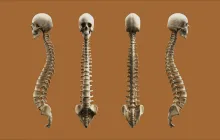
The spine bears substantial mechanical demands, supporting the head, torso, and pelvis in a complex three-dimensional framework. Excess body weight increases spinal compressive forces, especially during bending and lifting tasks. The added load can accelerate degeneration of intervertebral discs, reduce disc height, and contribute to facet joint arthropathy. In obese individuals, the combination of mechanical stress and metabolic factors can heighten the risk of chronic back pain, radicular symptoms, and reduced physical function. Additionally, obesity is linked to a higher prevalence of sleep-disordered breathing, systemic fatigue, and mood disturbances, all of which can magnify the perception of pain and diminish engagement in physical activities that protect joint health.
Inflammatory mediators and synovial changes in obesity
Within the joint environment, inflammatory substances influence the behavior of synovial cells, which line the joint capsule and produce lubricating fluid. Elevated inflammatory mediators can lead to synovitis, a condition characterized by swelling, warmth, and pain that may limit motion. The synovial membrane becomes more reactive, producing more inflammatory mediators in a feed-forward loop that sustains discomfort and tissue breakdown. This synovial activation can occur even in joints that do not yet show severe radiographic changes, underscoring the importance of recognizing inflammatory processes early. In obesity, this subclinical inflammation may be present in multiple joints, contributing to a diffuse pain profile and sensitivity to mechanical stimuli that would otherwise be tolerated in lean individuals.
Bone remodeling, bone marrow lesions, and obesity
The skeleton responds to altered loading through remodeling processes that adjust bone density and architecture. In obesity, changes in mechanical forces and inflammatory signals can influence osteoblast and osteoclast activity, potentially leading to changes in subchondral bone and the development of bone marrow lesions detectable on advanced imaging. These lesions are linked to pain and may predict progression of joint disease. The interaction between increased load, inflammation, and bone remodeling creates a complex landscape in which obesity can both drive pain and accelerate structural decline in joints that are already under strain from excess weight.
Metabolic syndrome, insulin resistance, and joint vulnerability
Obesity often coexists with metabolic syndrome, a cluster of conditions including high blood pressure, dyslipidemia, and insulin resistance. These factors influence joint health in several ways. Insulin resistance can alter cartilage metabolism and inflammatory responses within joint tissues. Dyslipidemia and oxidative stress can affect vascular supply to bone and cartilage, potentially compromising tissue repair and resilience. The metabolic environment of obesity can thus contribute to a heightened susceptibility to joint damage, particularly in weight-bearing areas, while also complicating recovery after injury or surgery due to impaired systemic healing capacity.
Gout risk, obesity, and crystal-induced arthritis
Obesity increases the risk of gout, a form of crystal-induced arthritis driven by elevated uric acid levels that crystallize in joints. Excess body weight correlates with higher urate production and decreased renal clearance in some individuals, creating a milieu where needle-like crystals provoke intense inflammation. Gout flares can occur suddenly in affected joints, most commonly the big toe, but other joints can be involved as well. The intermittent, excruciating pain of gout episodes can compound chronic joint discomfort, and recurrent flares can cause secondary joint damage or trigger a long-term osteoarthritis phenotype in susceptible individuals.
Tendons, ligaments, and soft tissue complications in obesity
Obesity places disproportionate stress on tendons and ligaments, increasing the risk of tendinopathy, tendinous calcifications, and even spontaneous ruptures in some cases. The plantar fascia in the foot, the patellar tendon around the knee, and the Achilles tendon in the ankle are examples of structures particularly affected by repetitive strain in the setting of excess weight. Inflammation and mechanical overload can lead to chronic pain, reduced mobility, and a cycle of activity avoidance that compounds deconditioning and worsens joint symptoms. Soft tissue changes may also alter joint mechanics, producing subtle shifts in how joints move and distribute forces during daily activities and exercise.
Imaging insights: how obesity changes what clinicians see
Imaging studies, including X-ray, ultrasound, and MRI, often reveal characteristic changes in individuals with obesity. There may be signs of cartilage thinning, meniscal or labral changes, meniscal extrusion, and early bone edema or marrow lesions. In the spine, degenerative disc disease and facet joint arthropathy can appear earlier than expected. Recognizing these patterns is important because imaging findings can guide targeted interventions, help monitor disease progression, and inform decisions about weight management, physical therapy, and surgical options when necessary. The imaging phenotype of obesity-related joint disease often reflects the combination of mechanical overload and inflammatory signaling that has been described in clinical observations.
Weight loss as a therapeutic strategy for joint health
Weight reduction stands out as a powerful modifier of joint health, with benefits extending from reduced mechanical load to dampened inflammatory signaling. Even modest weight loss achieved through balanced nutrition and gradual physical activity can lead to meaningful improvements in pain, function, and mobility. Weight loss often improves gait and reduces knee joint load, translates into less cartilage stress, and can slow the progression of degenerative changes in specific joints. Importantly, the timing and approach to weight loss matter; combining caloric reduction with increased activity and muscle-strengthening exercises tends to yield superior improvements in joint function compared with diet alone. The goal is sustainable change that preserves lean mass and supports overall metabolic health.
Exercise modalities that protect joints in obesity
Choosing the right forms of movement is crucial to protect joints while promoting cardiovascular and metabolic benefits. Low-impact activities, such as swimming, water aerobics, cycling, and elliptical training, reduce peak joint forces while still enabling meaningful energy expenditure. Resistance training is essential to build or preserve muscle mass, which supports joint stability and can reduce pain by improving joint mechanics. Flexibility and balance work contribute to safer movement patterns and decreased fall risk. The key is gradual progression, attention to pain signals, and personalization of the plan based on joint status, fitness level, and comorbidities. A well-rounded program can improve function without triggering injury or aggravating joint symptoms.
Nutrition, inflammation, and joint-friendly dietary patterns
Dietary choices influence systemic inflammation and metabolic health, both of which bear on joint well-being. Diets rich in whole foods, vegetables, fruits, lean proteins, and omega-3 fatty acids can help modulate inflammatory responses and support tissue repair. Limiting processed foods, refined sugars, and saturated fats may further decrease inflammatory burden. Adequate intake of vitamin D, calcium, and other micronutrients supports bone health, while sufficient protein helps maintain muscle mass during weight loss. Hydration and gut health are additional considerations, given their roles in systemic inflammation and metabolic regulation. A thoughtful, individualized nutrition plan can synergize with exercise to protect joints while facilitating weight management.
Behavioral and psychosocial aspects of obesity and joint health
Behavioral factors, including sleep quality, stress management, and mood, influence physical activity patterns and adherence to treatment strategies. Poor sleep can amplify pain perception and fatigue, reducing motivation to exercise. Stress and depressive symptoms may hinder dietary discipline or participation in physical therapy. Addressing these psychosocial elements through evidence-based approaches, supportive counseling, and social support networks can enhance engagement in muscle-strengthening programs, improve pain coping, and support sustained weight loss, all of which converge to benefit joint health over the long term.
Prevention across the lifespan: early interventions for youth and adults
Preventing obesity-related joint problems begins with early life strategies that promote healthy body weight, lean muscle development, and active lifestyles. In children and adolescents, physical education, safe activity environments, and family-based nutrition habits create a foundation that reduces the risk of obesity-related joint strain later in life. In adults, integrated programs that pair nutrition with movement, behavior modification, and medical supervision when needed can slow or halt the progression of joint disease and preserve functional independence. The overarching message is that proactive management of weight and activity levels benefits joints at any age, with the most significant rewards accruing over years of healthy habit formation.
Special considerations for shoulder, elbow, and ankle joints
While much attention centers on the knees and spine, obesity also affects other joints in meaningful ways. The shoulder joint can suffer from altered biomechanics due to trunk posture and arm movement, increasing the risk of rotator cuff impingement and inflammatory bursitis. The elbow and wrist may experience overuse injuries in individuals who perform repetitive tasks or carry excess weight that shifts load through the upper extremities. The ankle and foot bear unique consequences, including altered gait patterns, plantar fasciitis, and Achilles tendinopathy. Across these joints, a combination of mechanical overload and inflammatory signaling underlies pain and dysfunction, underscoring the universality of obesity’s impact on the musculoskeletal system.
Personalized assessment and multidisciplinary care approaches
Effective management of obesity-related joint health typically requires a tailored plan that considers weight status, joint symptoms, functional goals, and comorbid conditions. A multidisciplinary team may include primary care providers, rheumatologists, orthopedic specialists, physical therapists, nutritionists, and behavioral health professionals. Shared decision-making supports choosing therapies that minimize risk and maximize benefit. Regular monitoring of weight, pain levels, mobility, and imaging findings helps adjust strategies over time and enables early intervention when disease markers begin to change trajectory. This collaborative approach empowers patients to regain control over their joints while advancing overall health.
Environmental and societal factors influencing joint health in obesity
Access to healthy foods, safe opportunities for physical activity, and supportive community resources profoundly affect obesity management and joint outcomes. Environments that encourage incidental activity, provide affordable nutritious options, and reduce barriers to exercise can help individuals maintain healthier body weights. Conversely, barriers such as transportation challenges, work schedules, or unsafe neighborhoods can hinder ongoing engagement in physical activity, exacerbating mechanical loading on joints and perpetuating a cycle of pain and reduced function. Efforts at the policy level to create healthier environments, together with clinically oriented treatment plans, hold promise for improving joint health on a population scale.
Emerging research directions in obesity and joint disease
Ongoing scientific work is expanding our understanding of how adipose tissue communicates with joint tissues, how specific adipokines influence cartilage biology, and how gut microbiota may modulate inflammation relevant to musculoskeletal health. Advances in imaging, such as ultra-high-field MRI and quantitative cartilage assessment, enable earlier detection of subtle changes before they become symptomatic. Novel pharmacologic agents that address metabolic inflammation and cartilage preservation are being explored, with the goal of complementing lifestyle interventions. As research progresses, the integration of metabolic and musculoskeletal care is likely to become more refined, personalized, and effective in preserving joint health in the context of obesity.
Patient education: practical takeaways for daily life
For individuals living with obesity and concerns about joints, practical steps can be taken to protect and improve joint health. Prioritize gradual, enjoyable physical activity that increases strength without exacerbating pain, and seek professional guidance to tailor a plan to your body. Focus on a nutrient-dense diet that supports weight management and tissue repair, while limiting foods that promote inflammation. Monitor pain patterns, adapt activities to avoid overloading affected joints, and maintain good sleep hygiene to bolster recovery and resilience. Engaging with healthcare providers to set realistic milestones fosters a sense of progress and encourages lasting lifestyle changes that benefit joints and overall well-being.
Conclusion-free forward-looking perspective on obesity and joints
As the understanding of obesity and joint health evolves, the emphasis shifts toward integrated strategies that address mechanical, metabolic, and behavioral aspects in unison. The path to healthier joints is not solely about shrinking a waistline but about constructing a sustainable lifestyle that respects the body's limits while advancing strength, mobility, and metabolic balance. By combining weight management with targeted exercise, proper nutrition, and supportive care, individuals can experience meaningful improvements in pain, function, and quality of life. The journey is individual, but the principles are consistent: reduce unnecessary joint load, modulate inflammation, strengthen supporting tissues, and cultivate habits that protect joints across decades.