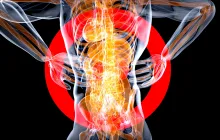
Understanding Ankylosing Spondylitis
Ankylosing spondylitis (AS) is a chronic inflammatory disease that primarily targets the spine and the sacroiliac joints, yet it often extends to the hips shoulders and ribs. The early signs can be subtle, frequently presenting as deep ache and stiffness that intensifies after rest and gradually loosens with gentle movement. This pattern stands in contrast to ordinary mechanical back pain, because activity tends to improve symptoms rather than worsen them. Diagnosis often takes patience as doctors piece together symptoms over time and look for signs that inflammation is present beyond simple muscle soreness.
Understanding how AS develops helps people engage actively with care. While genetics play a role, particularly the HLA-B27 gene, genetics do not guarantee disease and many people who carry the marker remain healthy. Immune system misfiring leads to inflammation at the entheses, the points where ligaments attach to bone, triggering swelling tenderness and progressive changes that may stiffen the spine over months or years if not managed. The disease can begin in adolescence or early adulthood, though it can also appear later, and its course varies widely from person to person.
Symptoms and Diagnosis
Common symptoms include persistent back pain and morning stiffness lasting more than 30 minutes, usually starting in the lower back or buttocks and sometimes radiating to the hips or thighs. Over time stiffness may restrict chest expansion and mobility, making breathing feel shallow. Fatigue irritability and reduced endurance are also common, affecting sleep quality and daily concentration. The presence of inflammatory features such as pain that improves with exercise and worsens at night helps distinguish AS from noninflammatory back problems.
Diagnosing AS is a process that blends patient history physical examination and targeted tests. A rheumatologist may order imaging such as X-rays to detect structural changes and MRI to reveal active inflammation earlier. Blood tests can show inflammatory markers like C reactive protein and erythrocyte sedimentation rate and show whether the HLA-B27 gene is present. Because there is no single definitive test, diagnosis hinges on pattern recognition and follow up, sometimes over months or years, as the disease evolves and imaging findings become clearer.
Daily Life and Pain Management
Living with AS means learning to pace activity and protect joints while staying as active as possible. Simple routines such as consistent sleep schedules gentle stretching and warm baths can ease morning stiffness. Paying attention to posture during work and leisure reduces strain on the spine and rib cage. A daily rhythm that alternates movement with rest supports tissue health and helps maintain energy levels throughout the day. Small adjustments in daily life can translate into meaningful improvements in mobility and comfort over time.
Pain management often combines nonpharmacologic approaches with medical guidance. Heat applied through warm showers or heating pads can relax tense muscles, while cold compresses may reduce swelling after intense activity. Ergonomic adjustments at home and at work, such as supportive chairs and properly arranged screens, minimize awkward postures. Mindful breathing and relaxation techniques can further reduce perceived pain by easing sympathetic arousal. The goal is to stay engaged with normal activities while listening to the body's signals and respecting limits during flares.
Exercise and Physical Therapy
Exercise is a cornerstone of AS care and should be maintained even during discomfort. A structured program tailored by a physical therapist helps preserve spinal flexibility strengthen core muscles and protect joints from compensatory injuries. Low impact activities such as swimming cycling and guided stretches promote mobility without aggravating inflammation. Regular movement often correlates with reduced morning stiffness and improved posture, empowering people to manage daily tasks with more ease and confidence.
Physical therapy for AS typically emphasizes gradual progression and correct technique. Therapeutic exercises target hip and chest mobility along with the thoracic spine while emphasizing deep diaphragmatic breathing to improve chest expansion. Patients learn posture cues and safe ways to perform daily tasks that avoid excessive spinal rotation. Consistency matters more than intensity, and small routines practiced daily yield lasting benefits that accumulate over weeks and months, supporting long term spinal health.
Medications and Treatments
First line pharmacologic management usually involves nonsteroidal anti inflammatory drugs, or NSAIDs, which help reduce pain and inflammation and may slow progression for some individuals. When NSAIDs are insufficient or contraindicated, disease modifying therapies such as biologic agents that block specific inflammatory pathways provide another option. These treatments require careful monitoring for infections and other side effects, but they can markedly improve quality of life for many people with AS. Decisions about medications are personalized and consider overall health, fertility plans, and tolerance for potential adverse effects.
Biologic medications include tumor necrosis factor inhibitors and interleukin 17 inhibitors, which have transformed AS care by targeting the immune processes underlying inflammation. The choice of therapy depends on disease activity, comorbid conditions, pregnancy plans and patient preferences. Corticosteroids are generally reserved for flare control and are used sparingly within AS, while non pharmaceutical measures such as physical therapy and exercise continue alongside medication to preserve mobility. Regular follow up ensures adjustments can be made as symptoms shift over time.
Lifestyle and Diet
Beyond medicines, lifestyle choices influence symptoms and long term outcomes. Maintaining a healthy body weight reduces stress on the spine and joints, while quitting smoking improves lung capacity and overall health. An anti inflammatory oriented diet rich in vegetables fruits whole grains lean proteins and omega 3 fats may support wellness, though results vary between individuals and should be discussed with a clinician. Consistency in habits matters, and small dietary adjustments can complement medical treatments to support energy and resilience.
Regular sleep hygiene helps the body repair tissues and regulate hormones involved in pain perception. Ergonomic home setups and adaptive tools make daily tasks easier and safer, especially when stiffness is most pronounced in the morning. Some people find that gentle diaphragmatic breathing, mindfulness, and stress reduction techniques lower perceived pain and improve resilience in the face of chronic symptoms. A balanced approach to diet and rest can enhance the effectiveness of active therapies and medications.
Impact on Mental Health and Relationships
Chronic illness such as AS can take an emotional toll, shaping mood fluctuations and affecting social participation. Anxiety about symptoms, concern over future mobility and changes in body image may contribute to loneliness or frustration. Open communication with family friends and partners, along with professional counseling when needed, supports emotional well being and helps maintain healthy relationships. Acknowledging feelings and seeking support reduces the sense of isolation that can accompany a chronic inflammatory disease.
Social support networks including patient groups and online communities offer shared experiences, practical tips and a sense of belonging that reduces isolation. It helps to set realistic expectations with coworkers and loved ones and to celebrate small improvements in daily function. Building routines that include enjoyable activities outside of symptom management reinforces identity beyond the disease and reminds individuals that they are more than their diagnosis.
Managing Flare-Ups
Flare ups vary in duration and intensity and can disrupt plans with renewed pain stiffness and fatigue. Recognizing triggers such as overtraining inadequate sleep dehydration or infection allows proactive adjustment of activity and rest. During a flare, prioritizing sleep hydration and gentle movement can prevent stiffness from becoming entrenched while continuing prescribed medications maintains disease control. Early response often reduces the overall impact of the flare on daily life.
Developing a personalized flare plan with a rheumatologist or physical therapist helps people respond quickly and safely. This may involve temporarily increasing rest periods scheduling light stretching sessions and using heat therapy to loosen joints before movement. It is important to avoid pushing through severe pain or numbness and to seek medical advice if new symptoms emerge or existing ones worsen. A proactive stance helps preserve function and prevent a downward spiral during difficult times.
Pregnancy and Ankylosing Spondylitis
Managing AS during pregnancy requires collaboration among the patient, obstetricians and rheumatologists to balance symptom control with fetal safety. Some NSAIDs are limited or avoided in the later stages of pregnancy while certain biologic agents have evolving safety profiles. Planning ahead for medication adjustments and monitoring spinal comfort during pregnancy supports both maternal well being and healthy fetal development. With careful care, many individuals experience successful pregnancies and maintain meaningful activity during this period.
Across pregnancy, posture and breathing work remain useful, and physical therapy can be adapted to protect the spine while accommodating a growing abdomen. Gentle exercise such as swimming or water aerobics often remains suitable, with modifications for pelvic tilting and rib cage expansion. After delivery, activity levels can increase gradually, and medication choices can be re evaluated with the care team to fit postnatal needs. Support networks and practical planning help ease the transition into parenthood while managing AS symptoms.
Living with AS in the Workplace
Workplace adaptation helps individuals maintain productivity while minimizing pain and fatigue. Ergonomic workstations, adjustable desks and chairs that support the lumbar spine reduce strain during long days. Flexible scheduling, task rotation and opportunities for brief movement breaks help manage stiffness and prevent fatigue from creeping in. Clear communication with supervisors about accommodations can foster a safer, more sustainable routine at work. A thoughtful approach to the work environment supports career engagement and reduces the burden of symptoms on professional life.
Building a routine that alternates periods of concentration with gentle activity supports cognitive performance and reduces mental strain. For some people, remote or hybrid arrangements, assistive devices and a supportive workplace culture enable ongoing contribution and career progression. It is important to know labor rights and to seek guidance from occupational therapists or patient advocates when negotiating reasonable adjustments. With proactive planning, many individuals with AS can pursue fulfilling careers while maintaining health and well being.
Future Treatments and Research
Researchers continue to explore new strategies to prevent spinal fusion and to slow structural damage while improving overall function. Advances include refined biologic therapies, small molecule inhibitors, and personalized medicine approaches that tailor treatment to a person’s genetic and inflammatory profile. Ongoing trials investigate combinations of medications, dosing strategies and long term safety to extend the benefits of therapy. The landscape of AS care continues to evolve as scientists translate discoveries into practical options for patients.
In addition to pharmacologic advances, there is growing interest in non drug interventions such as digital biofeedback, wearable sensors and frequent monitoring to optimize activity and recovery. Patient registries and international collaborations accelerate understanding of how AS evolves across diverse populations and how best to integrate lifestyle choices with medication. While no cure exists yet, the trajectory of research offers real optimism for improved management and outcomes. The goal remains to empower individuals to lead active lives despite the challenges of the condition.
Finding Support and Resources
Access to accurate information is essential, and reputable organizations provide education, guidance on treatment options and practical tips for daily living. Connecting with others who share the condition can lessen isolation by offering encouragement and shared troubleshooting stories. When evaluating advice, it is wise to consult healthcare professionals to ensure recommendations fit personal medical histories. Reliable sources help patients navigate choices with confidence and caution against misinformation.
Online communities, local support groups and patient portals enable ongoing learning and empowerment. Families and caregivers also play a key role by helping with transportation to appointments, reminding about medications and reinforcing healthy routines. By combining medical care with social support, people living with AS can pursue meaningful activities, maintain independence and navigate the complexities of a chronic inflammatory disease with resilience.