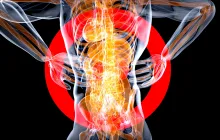
Introduction to chronic pain and its complexity
Chronic pain is a pervasive and multifaceted experience that persists beyond the usual period of tissue healing. In most adults, pain that lasts longer than three months or recurs frequently is considered chronic, though the boundary is fluid and context dependent. This prolonged experience arises not only from ongoing injuries or diseases but also from a complex cascade involving biological signals, psychological processes, and social factors. The persistence of pain can profoundly affect function, mood, sleep, cognition, and daily life, creating a cycle that feeds into itself if not addressed from multiple angles. Recognizing that chronic pain emerges from an interplay among nerves, the brain, hormones, immune activity, lifestyle, and environment helps explain why there is no single cure, and why care that integrates medical treatment with self-management and psychosocial support tends to be more effective than isolated interventions.
In clinical practice, explaining chronic pain in plain terms requires careful attention to both the body and the mind, as well as the surrounding circumstances that shape pain perception. The same painful sensation may be experienced differently by different people who face similar physical challenges, and the same individual may experience fluctuations over time. This variability underscores the need for personalized assessment and a flexible approach to treatment that can adapt to changing symptoms and life contexts. It also highlights the importance of validating patients’ experiences, avoiding dismissive attitudes, and creating therapeutic relationships that emphasize partnership, education, and practical strategies for managing pain in everyday life.
From a research perspective, chronic pain is not a single entity but rather a symptom with many possible origins and trajectories. Studies indicate that chronic pain can begin with tissue injury or inflammation but then becomes maintained by changes in nervous system function, altered processing in the brain, and the influence of stress, sleep disruption, and mood disorders. The emergence of central mechanisms means that even when tissue healing would theoretically permit recovery, the nervous system may continue to generate pain signals or amplify pain in the absence of ongoing tissue damage. This recognition has shifted the focus of care toward treatments that address neural processing, behavioral patterns, and environmental factors as much as they address local tissue pathology.
Ultimately, understanding the causes of chronic pain requires a shift from a purely disease-centered view to a biopsychosocial framework. This perspective emphasizes that biology, psychology, and social context all contribute to how pain is experienced and managed. It also points to the need for patient education about how pain can become self-sustaining, what parts of the nervous system are involved, and how lifestyle choices, sleep, stress, and mood interact with physical sensations. By embracing this broader view, clinicians and patients can collaborate to identify modifiable factors, set realistic goals, and design comprehensive plans that improve function and quality of life rather than focusing narrowly on eliminating pain at all costs.
Biological mechanisms that generate and propagate pain
At the most basic level, pain begins with nociception—the detection of potentially harmful stimuli by specialized nerve endings known as nociceptors. These receptors respond to mechanical, thermal, and chemical signals and translate them into electrical impulses that travel along peripheral nerves toward the spinal cord and brain. Transduction and transmission are followed by processing in several brain regions that interpret the meaning of the signal, assign intensity, and decide upon an action, such as withdrawal, guarding, or seeking relief. This cascade is shaped by ongoing physiological conditions, including tissue health, inflammatory status, and metabolic balance, which can amplify or dampen signals before consciousness even recognizes them.
When pain becomes chronic, peripheral mechanisms can shift in ways that maintain pain even when there is no obvious tissue injury. Peripheral sensitization lowers the threshold for activation of nociceptors, making them respond more readily to even mild stimuli. Immune cells and local glial cells release chemical mediators such as cytokines and chemokines that further sensitize nerves and recruit other pathways into play. In many chronic pain states, this peripheral sensitization interacts with changes in the central nervous system, creating a feedback loop where signals are routed and amplified as they ascend the spinal cord and reach higher brain centers.
Within the central nervous system, the phenomenon of central sensitization plays a pivotal role. Recurrent or persistent pain can lead to long-lasting changes in the dorsal horn of the spinal cord and in brain circuits that regulate attention, emotion, and perception. Neurons may become hyperresponsive, so ordinary sensory inputs are interpreted as painful. Glial cells, which support neurons, can become activated and release inflammatory mediators within the brain and spinal cord, further heightening sensitivity. In addition, alterations in neurotransmitter systems, including glutamate, substance P, calcitonin gene-related peptide, and gamma-aminobutyric acid, contribute to a state in which pain signals are carried more efficiently and perceived more intensely than would be expected from the actual peripheral input.
Another critical component involves descending and ascending modulatory pathways that normally help regulate pain. The brain can send “top-down” signals that dampen incoming pain, or in some situations, exacerbate it, depending on factors such as mood, expectations, and stress. When these pathways become dysfunctional, the balance shifts toward pain amplification. This ever-present interplay between facilitatory and inhibitory systems helps explain why identical tissue injuries can produce different pain experiences across individuals and even within the same person over time. In this sense, chronic pain is not merely a symptom of ongoing tissue damage but a product of the nervous system’s interpretation, modulation, and memory of that damage.
In addition to neural processes, biochemical and systemic factors contribute to pain states. Hormonal fluctuations, metabolic changes, and immune activity can interact with neural circuits to influence how pain is perceived. For example, inflammatory mediators released in response to injury can sensitize nerves and alter brain signaling, while changes in circadian rhythms and sleep-related hormones can influence pain thresholds. The intertwining of these biological processes with cognitive and emotional factors creates a landscape in which pain is both a sensory experience and an interpretive event that shapes behavior, coping strategies, and long-term outcomes.
Peripheral factors that contribute to ongoing pain
Peripheral factors begin with tissue injury or dysfunction that initiates the pain process. When tissues are damaged or inflamed, local cells release signaling molecules that activate nociceptors and recruit immune cells to the area. Inflammation is a normal, protective response that helps to limit damage and promote healing, but in some cases it persists and becomes maladaptive, producing ongoing signals that maintain pain. Chronic inflammatory states can involve the joints, muscles, nerves, and soft tissues, creating a background of persistent input that keeps nociceptors activated and trains the nervous system to expect pain in response to minor stimuli.
Neuropathic pain represents a distinct category where the nervous system itself is damaged or dysfunctional. Nerve injuries, metabolic diseases such as diabetes, infectious processes, autoimmune neuropathies, or nerve compression syndromes can lead to abnormal signaling by sensory neurons. In neuropathic pain, patients often report sensations such as burning, tingling, or electric shock-like pain, sometimes accompanied by numbness or hypersensitivity in affected areas. The peripheral nerve changes may set the stage for central amplification, creating a two-way conversation between peripheral input and central processing that sustains pain even when tissue injury has healed or is no longer active.
Mechanical stress and biomechanical factors also contribute to chronic pain outside of clear nerve injury. Repeated strain, poor movement patterns, and biomechanical imbalances can perpetuate pain in the spine, joints, shoulders, and hips. Over time, the body adapts to these stresses by altering muscle tone, connective tissue stiffness, and joint mechanics, which can create a cycle of persistent discomfort and protective muscle guarding. Addressing these peripheral drivers with targeted physical therapy, postural education, and gradual loading programs can reduce the input that sustains pain and improve function, even when other aspects of pain processing remain altered.
In many chronic pain conditions, peripheral factors do not act in isolation. Rather, they interact with central changes to shape the overall experience of pain. For instance, an inflamed knee may generate ongoing signals that are amplified by heightened central sensitivity, or a nerve entrapment in the arm may become more painful when sleep is poor and mood is anxious. The dynamic interplay among peripheral pathology, immune signaling, and central nervous system processing creates a multilayered picture in which treatment must target multiple levels of the pain system to be effective.
Central nervous system changes and pain amplification
The central nervous system does not passively relay pain signals; it continually interprets and reorganizes sensory information. In chronic pain, brain networks involved in attention, emotion, memory, and motor planning become reorganized in ways that sustain symptoms. Functional changes may include heightened activity in pain-related regions, altered connectivity between sensory and limbic systems, and changes in the brain’s gray matter structure that reflect long-term adaptation to persistent input. These adaptations can persist even after the original peripheral issue has resolved, explaining why some patients continue to experience pain without a clear ongoing source.
One key concept in central pain amplification is wind-up, a progressive increase in spinal cord excitability in response to repeated noxious stimuli. Wind-up lowers the threshold for activation and broadens the area of pain spreading to adjacent tissues. Over months or years, this phenomenon can generalize to become a chronic state in which the nervous system remains exceptionally responsive to otherwise harmless stimuli. The persistence of such sensitization is influenced by sleep quality, stress levels, past traumatic experiences, and ongoing cognitive-emotional patterns that shape how pain is attended to and interpreted. A comprehensive approach to central sensitization often includes strategies that modulate attention, reduce fear of movement, and retrain brain-body connections through education, graded exposure, and mindfulness-based practices.
Glial cells, historically seen as support cells, play an unexpectedly active role in chronic pain by releasing pro-inflammatory substances that sensitize neural networks. Microglia and astrocytes can respond to peripheral injury with a cascade of signaling molecules that travel to the brain and modulate pain perception. This neuroimmune interaction provides a bridge between peripheral inflammation and central processing, offering potential targets for pharmacological and non-pharmacological interventions. Although research continues to refine these mechanisms, the clinical implication is clear: pain management in chronic conditions is not only about treating damaged tissue but also about interrupting the immune-to-brain signaling that sustains sensitivity and distress.
Brain regions implicated in pain processing include those involved in sensory discrimination, emotional evaluation, and cognitive control. The prefrontal cortex, anterior cingulate cortex, insula, thalamus, and other structures contribute to how pain is perceived and how a person responds behaviorally. Chronic pain can alter the connectivity and function of these networks, leading to a state where attention becomes hypervigilant to bodily sensations, emotional responses to pain shift toward negative appraisal, and cognitive resources become diverted toward pain management at the expense of other tasks. This reorganization helps explain why chronic pain often coexists with difficulties in concentration, memory, and daily decision-making, creating a broader impact on life beyond the physical sensation of pain.
Understanding central mechanisms also highlights why some interventions that do not directly address tissue pathology can still provide meaningful relief. Psychological therapies, stress reduction, good sleep hygiene, aerobic exercise, and neuromodulation techniques (such as certain forms of noninvasive brain stimulation) can modulate brain networks to reduce the perceived intensity and unpleasantness of pain. By acknowledging brain plasticity as a central feature of chronic pain, patients and clinicians can use strategies that recalibrate the nervous system's response, promoting more adaptive patterns of perception and behavior even in the presence of structural changes or persistent peripheral input.
Role of sleep, stress, and mood in chronic pain
Sleep plays a critical role in pain modulation, mood regulation, and overall recovery. Poor sleep quality or insufficient sleep can lower pain thresholds, increase sensitivity to stimuli, and amplify distress associated with pain experiences. Sleep disturbances may be a consequence of pain, a contributor to its persistence, or both, creating a bidirectional relationship that can entrench chronic symptoms. Addressing sleep through consistent routines, sleep environment optimization, and, when indicated, targeted therapies, often yields benefits that extend beyond subjective rest and into pain experience and daytime functioning.
Stress and emotional distress are intimately linked with chronic pain. The stress response activates hormonal and autonomic pathways that influence inflammation, pain sensitivity, and coping capacity. Chronic stress can magnify attention to bodily sensations, increase muscle tension, and promote rumination about pain, which together can maintain a cycle of heightened perception and worry. Mood disorders such as anxiety and depression frequently accompany chronic pain, and their presence can worsen outcomes by reducing motivation, limiting activity, and altering sleep. Therapeutic approaches that address emotional health, cultivate resilience, and teach stress management skills can lead to meaningful reductions in pain intensity and improvements in quality of life.
Behavioral adaptations to pain, including avoidance of activities, safety behaviors, and catastrophizing thoughts, can unintentionally reinforce pain and disability. When individuals perceive that movement or activity will cause harm, they may avoid or limit participation, leading to deconditioning, weaker muscles, poorer balance, and increased disability. Conversely, gradual re-engagement in meaningful activities with appropriate pacing, goal setting, and supportive coaching can help restore function and change the emotional response to pain. Treatments that integrate physical activity with cognitive-behavioral strategies often produce synergistic benefits, underscoring the value of a holistic approach that treats both body and mind rather than focusing solely on symptom suppression.
Pharmacological and nonpharmacological therapies for mood and stress management can influence pain outcomes. Mindfulness-based practices, cognitive-behavioral therapy, acceptance and commitment therapy, and other psychotherapeutic approaches aim to alter how individuals relate to pain, reduce avoidance, and improve cognitive flexibility. These interventions can modulate neural circuits involved in attention, appraisal, and emotion, thereby changing the subjective experience of pain. In addition, integrating social support, patient education, and shared decision-making fosters a sense of agency and empowerment, which are powerful determinants of adherence and long-term success in chronic pain management.
Genetics and biology that influence susceptibility
Genetic factors contribute to how people perceive pain, how their nervous system processes signals, and how they respond to injury or stress. Variations in genes related to inflammatory processes, neurotransmitter regulation, and receptor function can influence pain sensitivity, risk for chronic pain development, and response to treatment. For some individuals, a genetic predisposition interacts with environmental exposures such as physical trauma, infections, or psychosocial stress to increase the likelihood that pain becomes persistent. Although genetics are not destiny, understanding individual genetic and epigenetic factors can guide personalized strategies that optimize treatment efficacy and minimize adverse effects.
Sex and gender differences also shape chronic pain experiences. Biological factors such as hormonal fluctuations, immune system differences, and neural connectivity patterns contribute to variations in pain sensitivity and progression between men and women. Social and cultural expectations around expressing pain, seeking care, and engaging in certain activities further influence how pain is reported and managed across genders. Recognizing these differences helps clinicians tailor approaches to communication, assessment, and intervention in order to address potential biases and ensure equitable care for all patients.
Epigenetic modifications—changes in gene expression that do not alter the DNA sequence but are influenced by environmental stimuli—provide another layer of complexity. Stress, sleep disruption, nutrition, and physical activity can affect how genes related to inflammation, metabolism, and neuronal signaling are expressed. These epigenetic processes may help explain why identical injuries can lead to different chronic pain trajectories in different people and across time. While epigenetics remains an emergent field, its implications for prevention and treatment underline the importance of early, comprehensive management of pain risk factors before they consolidate into more entrenched patterns.
Environmental and lifestyle contributors
Environmental factors such as work demands, ergonomic setup, and access to care interact with biological and psychological processes to shape pain trajectories. Repetitive strain injuries, heavy lifting, prolonged static postures, and vibratory exposure can initiate pain syndromes in the musculoskeletal system. When these exposures persist without adequate modification or rehabilitation, they can contribute to chronic pain by maintaining tissue irritation and sustaining peripheral input to the nervous system. Addressing environmental contributors often requires a combination of ergonomic assessment, activity modification, and, when necessary, workplace interventions that support safe movement and recovery.
Lifestyle choices exert substantial influence on pain outcomes. Regular physical activity improves muscle strength, joint stability, circulation, and mood, all of which can mitigate pain and enhance recovery. Sedentary behavior, obesity, and poor conditioning are associated with higher pain sensitivity and greater disability in many chronic pain conditions. Nutrition also matters, as certain dietary patterns influence systemic inflammation and metabolic health, both of which can interact with pain processing. Encouraging gradual, enjoyable activity, balanced nutrition, and weight management can therefore be integral components of a comprehensive pain management plan.
Substance use, including tobacco, alcohol, and certain medications, can complicate chronic pain management. Smoking, for example, is linked with increased inflammation, reduced tissue healing, and poorer outcomes after surgery or injury. Some analgesic strategies carry risks of dependence or adverse effects, particularly with long-term use; thus careful evaluation, monitoring, and consideration of nonpharmacological alternatives are important. A holistic approach that respects patient preferences and emphasizes safety, effectiveness, and quality of life is essential in navigating these choices and avoiding potential harms while striving for functional improvement.
Social determinants of health—income, education, housing, access to healthcare, and social support—play a pivotal role in pain experiences and management. Individuals facing financial stress or limited access to consistent medical care may experience delays in diagnosis, fewer options for rehabilitation, and greater barriers to implementing lifestyle changes that support recovery. Conversely, strong social networks, reliable access to care, and empowerment through education can enhance adherence to treatment plans, reduce distress, and improve functional outcomes. Recognizing these determinants helps clinicians advocate for resources, coordinate multidisciplinary care, and design interventions that are feasible and sustainable in real-world settings.
Comorbidity and overlapping pain conditions
Chronic pain frequently coexists with other medical and psychiatric conditions, creating a complex clinical picture that requires integrated management. Conditions such as fibromyalgia, chronic fatigue syndrome, osteoarthritis, rheumatoid arthritis, diabetic neuropathy, migraine, and temporomandibular disorders often share common mechanisms involving central sensitization, inflammatory signaling, and mood regulation. The presence of one pain condition can increase the risk of developing additional ones, particularly when psychosocial stress, sleep disruption, and physical deconditioning are present. A comprehensive assessment that identifies co-occurring disorders guides treatment planning toward therapies that address multiple conditions simultaneously rather than in isolation.
Pharmacologic therapies used for chronic pain, including nonsteroidal anti-inflammatory drugs, anticonvulsants, antidepressants, and opioids in limited circumstances, interact with a wide range of comorbid conditions and can have significant side effects. The choice of medications is influenced by the specific syndrome, the patient’s overall health, and prior treatment responses. Nonpharmacologic strategies—such as exercise therapy, cognitive-behavioral approaches, physical rehabilitation, and complementary modalities—often provide meaningful benefit with fewer systemic risks. An individualized plan that balances potential benefits, risks, and patient preferences tends to produce the best long-term outcomes while supporting function and independence.
In some people, pain becomes a dominant theme that shapes daily choices and social participation. The interplay with comorbidities can lead to a cycle where physical limitations contribute to emotional distress and vice versa, further complicating therapy. Recognizing and treating comorbidity with coordinated care among specialists, primary care providers, therapists, and mental health professionals helps ensure that interventions are synergistic rather than conflicting. The ultimate goal is to reduce not only pain intensity but also the broader burdens of chronic pain, including disability, social isolation, and reduced participation in meaningful activities.
Diagnostic considerations and why causes are multifactorial
Diagnosing the causes of chronic pain requires a careful, comprehensive approach that integrates subjective reports, objective findings, imaging when indicated, and an understanding of the patient’s life context. Unlike some acute conditions, chronic pain often cannot be traced to a single lesion or laboratory abnormality. Instead, clinicians look for patterns across symptoms, duration, response to treatments, and the functional impact on daily life. Red flags—such as unexplained weight loss, fever, neurological deficits, or progressive weakness—must be recognized promptly to exclude serious underlying disease, but even in the absence of red flags, pain can be multifactorial. A thorough assessment emphasizes the sources of input to the nervous system, including peripheral tissue status, central processing, sleep, mood, stress, and social circumstances.
Because chronic pain often involves multiple interacting mechanisms, clinicians increasingly rely on multidisciplinary teams that can address physical, psychological, and social dimensions of pain. This collaborative model includes physicians, physical therapists, psychologists, occupational therapists, and other specialists who contribute expertise to a cohesive plan. Objective testing may be used to rule out specific causes when appropriate, but the interpretation of findings must be integrated with the patient’s subjective experience and functional goals. The multifactorial nature of chronic pain supports a personalized approach in which treatments are selected to target the dominant drivers for each individual, while remaining adaptable as these drivers shift over time.
Education forms a central component of the diagnostic process. Patients who understand how pain can persist beyond identifiable tissue injury are often better equipped to engage in active management, adopt healthier lifestyle habits, and participate in graded rehabilitation. Clear explanations about sensitization, brain-body communication, and the rationale for different therapies can reduce fear, promote realistic expectations, and enhance adherence to comprehensive care plans. In this way, diagnosis becomes not only an act of classification but also a tool for empowerment and informed decision-making.
Implications for treatment and management
Understanding the diverse causes of chronic pain informs a multimodal treatment approach that combines physical rehabilitation, psychological strategies, lifestyle modification, and, when appropriate, pharmacological therapies. Physical therapies emphasize movement, strength, flexibility, aerobic fitness, and neuromuscular training to reduce peripheral input, restore function, and improve resilience. Psychological therapies focus on changing maladaptive thoughts and behaviors related to pain, enhancing coping skills, reducing catastrophizing, and promoting acceptance and active engagement in life activities. Lifestyle interventions address sleep quality, nutrition, weight management, and stress reduction, all of which interact with pain processing and recovery trajectories.
Education and self-management are cornerstones of effective chronic pain care. Patients who learn about pacing, goal setting, and gradual exposure to activities they value tend to experience greater improvements in function and mood. Tools such as daily activity logs, sleep diaries, and mood tracking can help individuals recognize patterns and identify actionable strategies. Shared decision-making, where clinicians and patients collaboratively choose treatments based on evidence, preferences, and practical considerations, fosters commitment and improves outcomes. Importantly, management plans are often dynamic, evolving as symptoms change, new information becomes available, and life circumstances shift.
Physical activity remains a robust intervention across many chronic pain conditions. Carefully designed exercise programs that begin slowly and progress gradually can decrease pain intensity, enhance mobility, and improve overall well-being. Endurance activities, strength training, balance work, and flexibility routines all contribute to a more robust musculoskeletal system and a calmer nervous system response to daily stressors. In some cases, graded exposure to movement is necessary to reduce fear-avoidance behaviors, which can contribute to deconditioning and persistent disability. A well-structured exercise plan guided by trained professionals can maximize benefits while minimizing discomfort or risk of injury.
Pain education is another effective component. By teaching people how pain works, the role of the nervous system in maintaining symptoms, and the importance of active engagement in recovery, clinicians can reduce helplessness and empower patients to participate in decisions about their care. This educational approach often includes practical demonstrations of how small, progressive changes in activity can lead to meaningful improvements in function, mood, and quality of life. When combined with other modalities, education helps anchor a comprehensive plan that patients can sustain over the long term.
Pharmacological therapies require careful consideration of benefits and risks. Nonsteroidal anti-inflammatory drugs can alleviate peripheral inflammation and pain for certain conditions but may carry risks with long-term use. Anticonvulsants and antidepressants can modify neural signaling and emotional processing, sometimes improving both pain and mood when used appropriately. Opioids are generally reserved for specific circumstances and require vigilant monitoring due to potential dependency, tolerance, and adverse effects. The goal is to use the lowest effective dose for the shortest necessary duration while prioritizing safer alternatives when possible. In many cases, nonpharmacological therapies offer substantial benefits with fewer systemic risks, reinforcing the value of an integrated approach to care.
Invasive procedures, such as targeted injections, nerve blocks, or neuromodulation techniques, may be appropriate for selected conditions when conservative measures fail to provide adequate relief. These interventions are typically considered after a thorough evaluation and discussion of risks, benefits, and expected outcomes. The decision to pursue such procedures is individualized and aligned with patient goals, functional limitations, and risk tolerance, ensuring that they complement, rather than dominate, a comprehensive plan designed to restore function and reduce suffering.
Ultimately, the most effective management of chronic pain reflects a synthesis of knowledge about biology, psychology, and social context. By recognizing that pain is not merely a symptom of tissue damage but a complex experience shaped by many interacting systems, clinicians can tailor interventions to the person in front of them. The aim is not to erase pain entirely in every case but to reduce its impact, improve daily functioning, and help individuals engage in meaningful life activities with greater confidence and resilience. This patient-centered, evidence-informed approach embodies the evolving field of chronic pain care, which continues to integrate new discoveries with practical, compassionate care that respects the person as a whole.
Future directions and ongoing research
Ongoing research into chronic pain seeks to refine our understanding of how genetic, epigenetic, immune, and neurobiological factors converge to produce persistent pain states. Biotechnological advances promise more precise biomarkers that can guide diagnosis, prognosis, and personalized treatment plans. Researchers are investigating how noninvasive brain stimulation, advanced physical therapy modalities, and digital health tools can complement conventional therapies by optimizing brain-body communication, enhancing motor learning, and delivering real-time feedback. The development of personalized medicine for pain aims to tailor interventions to an individual’s unique neural, hormonal, and psychosocial profile, increasing effectiveness while reducing side effects and unnecessary treatments.
Digital health innovations, including wearable devices, mobile applications, and remote monitoring, offer opportunities to track activity, sleep, mood, and symptoms with high fidelity. When integrated into collaborative care models, these tools can support timely adjustments to treatment plans, empower patients to participate actively in their care, and facilitate research by providing large-scale, real-world data on pain trajectories. Artificial intelligence and machine learning approaches are being explored to identify patterns that predict treatment response or risk of chronicity, enabling clinicians to pre-emptively refine strategies and allocate resources more efficiently.
Advances in education and public health interventions focus on prevention and early intervention to reduce the burden of chronic pain. Community-based programs that promote physical activity, healthy sleep practices, stress management, and ergonomic awareness can help individuals develop resilient habits before pain becomes entrenched. By combining prevention with effective treatment, medical systems aim to minimize disability and improve quality of life for people who experience pain across the lifespan. As our understanding deepens, multidisciplinary collaborations across neuroscience, psychology, rehabilitation, and public health will remain essential to translating knowledge into care that is accessible, equitable, and responsive to diverse patient needs.
Ultimately, the journey to understanding and managing chronic pain is ongoing, characterized by a combination of scientific discovery, clinical innovation, and patient-centered practice. While much remains to be learned about the precise mechanisms behind every individual case, the current framework already supports a comprehensive approach that respects the complexity of pain. By addressing peripheral inputs, central processing, mental health, sleep, lifestyle, and social context in a coordinated manner, clinicians can help patients gain greater control over their symptoms, reclaim function, and pursue meaningful goals with renewed confidence. This evolving landscape invites continued curiosity, compassionate care, and collaboration among patients, families, and the diverse teams that work together to alleviate suffering associated with chronic pain.