Understanding Osteoarthritis and What Progression Means
Osteoarthritis is a long journey written in the joints, a condition in which the protective cartilage that cushions the ends of bones gradually loses its resilience, and the surrounding tissues respond with changes that can alter how a joint carries load, moves, and feels. When we speak about progression, we mean a trajectory where the structural changes in the joint become more pronounced over time, the space between bones narrows, the surface roughens, and the soft tissues that support movement, such as ligaments and muscles, may lose their efficiency. Yet progression is not an inexorable fate; it is shaped by a combination of biological processes and daily choices. Genetics and aging contribute a background risk, but modifiable factors such as body weight, physical activity, muscle strength, alignment of the limb, and joint protection strategies can influence the pace at which symptoms worsen and function declines. Understanding the dynamic between cartilage, bone, and inflammatory signals in the joint helps illuminate why maintaining joint health often hinges on a broad set of lifestyle decisions rather than a single intervention. In practical terms, preventing progression means aiming to preserve joint space, reduce abnormal stresses, keep the muscles around the joints strong, and sustain mobility and function so daily life remains easier and safer. As with many chronic conditions, early and sustained attention to these factors tends to yield better long-term results than waiting for pain to become severe or disability to appear, because the joint environment benefits from consistent, gentle stimulation that supports repair and resilience rather than acute, high‑strain episodes that can hasten wear and tear. Across different joints, the overall aim is to strike a balance between activity and rest, between loading and unloading, and between protection and use, all while staying attuned to pain signals and functional limits. When individuals begin to recognize that progression can be slowed rather than instantly halted, they open the door to practical strategies that fit into ordinary routines and long‑term goals, transforming what otherwise might feel like an unchangeable diagnosis into a pathway of manageable change and steady improvement.
Weight Management and Joint Load
Weight is a fundamental factor in the health of weight‑bearing joints, and the relationship between body mass and progression of osteoarthritis is reinforced by both mechanical and biochemical considerations. Excess body weight increases the forces transmitted through the knee and hip during every step, amplifying the repetitive stress that over years can contribute to cartilage thinning and bone remodeling. In addition to mechanical load, adipose tissue acts as an active endocrine organ, releasing a variety of inflammatory and metabolic mediators that can influence pain perception and joint metabolism. Because of this dual influence, even modest weight loss can yield meaningful improvements in symptoms and may slow structural changes by reducing the chronic inflammatory milieu and the demand placed on the joints. When weight loss is pursued, the most sustainable approach typically combines gradual dietary adjustments with a steady program of physical activity designed to preserve muscle mass and improve cardiovascular health. The goal is not simply to shed pounds but to shift toward a healthier body composition where lean tissue constitutes a larger proportion of total mass, because stronger muscles provide better joint protection and more efficient load distribution. The practical message is clear: sustaining a modest reduction in weight over months to years can translate into less mechanical wear and a more balanced joint environment, which in turn supports mobility and reduces the pace at which symptoms worsen, even in the absence of dramatic medical interventions. In this context, professional guidance from a clinician, dietitian, or physical therapist can tailor a plan that respects personal preferences, schedules, and medical considerations, ensuring that weight management complements other preventive strategies rather than competing with them.
Exercise and Physical Activity
Engaging in regular, well‑structured physical activity emerges as a cornerstone of strategies to slow progression, because it strengthens the muscles that support joints, enhances flexibility and range of motion, and improves circulation within the joint itself. The evidence supports a blend of low‑impact aerobic work, such as walking or cycling, with targeted resistance training that builds the muscles around the affected joints, particularly the quadriceps and hip stabilizers for knee and hip osteoarthritis. Consistency matters more than intensity; gradual progression helps the joint adapt without provoking excessive pain or swelling, and it protects against the disuse patterns that often accompany chronic discomfort. In addition to muscular strength, flexibility and balance training contribute to safer movement patterns, reduce the risk of falls, and help sustain daily activities with less effort. A well‑designed exercise program often incorporates warm‑up and cool‑down periods, attention to proper technique, and appropriate rest days to prevent overuse injuries. Importantly, activity selections should emphasize enjoyment and feasibility, because adherence is a critical determinant of long‑term benefit. When performed under professional guidance, exercises can be adapted to individual joint involvement, the degree of pain, and the presence of any concurrent medical conditions, ensuring that the program remains both safe and effective. The cumulative effect of regular activity is not only improved pain and function but a more robust joint environment that can better withstand repetitive loading and microtrauma over time, thereby contributing to slowed progression.
Joint Protection and Daily Living Adaptations
Beyond formal exercise sessions, daily habits influence how joints experience stress. Small changes in posture, gait, and everyday movements can accumulate to meaningful protection or gradual wear. Footwear with appropriate cushioning and support reduces jarring forces transmitted through the feet and up into the knees and hips; custom or off‑the‑shelf orthotics can help correct alignment and distribute load more evenly across the joint surfaces. Walking aids, canes, or braces used judiciously during activity may offload the most affected compartments of a joint, especially during longer walks or hikes, without sacrificing mobility. In the kitchen, workplace, and home environment, thoughtful layout and pacing of tasks prevent repetitive strain and give the joints short breaks to recover, balancing activity with rest. Occupational therapy can provide tailored strategies to modify tasks that require repetitive hand movements or heavy gripping, thereby preserving hand function and delaying the onset of function‑limiting pain. The underlying principle is to align daily routines with the body's current tolerances, making it possible to stay active without overloading any single joint, which in turn supports longer‑term joint health and a slower trajectory of symptoms.
Nutrition and Supplements
Nutrition plays a multifaceted role in joint health, not only by supporting bone and connective tissue but also by modulating inflammatory processes that can influence pain and function. A dietary pattern rich in vegetables, fruits, whole grains, lean proteins, and healthy fats—often described as a Mediterranean or anti‑inflammatory pattern—has been associated with favorable outcomes in some studies of osteoarthritis by reducing systemic inflammation and supporting overall metabolic health. Omega‑3 fatty acids, found in fatty fish and some plant sources, have been explored for their potential to temper inflammatory signaling within the joint, although individual responses vary and more research is needed to define precise effects on progression. Adequate vitamin D and calcium intake supports bone strength, potentially reducing fracture risk and maintaining joint stability, especially in populations with limited sun exposure or dietary calcium. Antioxidant nutrients, fiber, and micronutrients contribute to general health and can influence inflammatory pathways in subtle ways that may matter over the long term. It is important to approach supplements with prudence and to consult with a clinician to ensure compatibility with medications and existing conditions, because some supplements can interact with other therapies or be inappropriate for certain people. In addition to targeted nutrients, mindful hydration and modest reductions in processed sugars and refined carbohydrates can support metabolic health, which in turn may influence how joints respond to daily wear and tear. Ultimately, nutrition is a long‑term investment in resilience that complements exercise and weight management, and its effects accumulate over months and years to shape the trajectory of joint health.
Inflammation Control and Pain Management
Inflammation within the joint is a key driver of pain and functional limitation, and strategies that reduce inflammatory signaling can contribute to a slower course of symptoms. Nonsteroidal anti‑inflammatory drugs and topical agents remain valuable for short‑term symptom relief when pain limits participation in physical activity, yet they are typically used as part of a broader plan rather than as a standalone long‑term solution. Acetaminophen can be effective for certain individuals, but it is less likely to influence underlying disease processes. Nonpharmacologic approaches such as heat and cold therapy, gentle manual therapy under professional supervision, and structured physical therapy sessions can reduce pain and improve function without the risks associated with chronic high‑dose medications. Mind‑body techniques, sleep optimization, and stress reduction are increasingly recognized for their potential to dampen the overall perception of pain by removing sympathetic nervous system overactivation that can magnify discomfort. In some cases, physicians explore injections or other targeted interventions to manage focal inflammation, always weighing potential benefits against risks and considering how these treatments fit with ongoing exercise and protection strategies. The central message is that controlling inflammation supports participation in meaningful activity, which is itself a protective factor against deterioration of strength and mobility, while reducing pain helps maintain the quality of daily life even as progression is monitored over time.
Weight-Bearing versus Non-Weight-Bearing Considerations
The choice of activities and the balance between weight-bearing and non‑weight‑bearing movements can influence how joints endure loading across different stages of osteoarthritis. Weight-bearing activities stimulate bone and cartilage metabolism through mechanical cues, which can be beneficial when performed in moderation and with good technique; however, excessive loading or high‑impact tasks can accelerate wear in sensitive compartments. Non‑weight-bearing modalities, such as swimming or water‑based exercise, provide a way to maintain cardiovascular fitness and muscle strength while reducing joint impact, which can be particularly valuable for individuals with knee or hip involvement or for those during flare periods. A well‑rounded program tailors the mix of weight-bearing and non‑weight-bearing activities to the person’s symptoms, joint structure, and functional goals, with periodic reassessment to adjust to changes in pain, swelling, or range of motion. By diversifying activity in this way, people can preserve functional capacity, protect remaining cartilage, and potentially slow the pace of progression while enjoying the benefits of sustained movement and personal fulfillment from regular exercise.
Role of Physical Therapy and Professional Guidance
Professional guidance from physical therapists, occupational therapists, and other rehabilitation specialists is invaluable in designing and maintaining a progression‑slowing program. These experts assess alignment, muscle strength, flexibility, cardiovascular fitness, and functional tasks, then craft individualized plans that emphasize gradual progression, proper technique, and safe progression boundaries. A therapist can teach movement patterns that reduce joint loading during daily activities, provide manual therapy to improve mobility, and supervise progressive resistance training to enhance muscular support around affected joints. Regular follow‑ups enable timely adjustments in exercise intensity, range of motion targets, and functional goals, which helps preserve motivation and accountability. The collaborative approach extends beyond exercise; therapists offer strategies for pacing activities, recognizing early signs of overuse, and selecting assistive devices that optimize independence without compromising joint protection. Collectively, professional input ensures that progression‑oriented goals are realistic, evidence‑based, and aligned with the person’s overall health plan, thereby increasing the likelihood of durable improvements in pain, function, and quality of life.
Sleep, Stress, and Mental Health
Emerging evidence highlights the influence of sleep quality and psychological well‑being on musculoskeletal pain and perceived disability. Poor sleep can amplify pain sensitivity, reduce motivation to engage in treatment plans, and hinder recovery from daily joint microtrauma. Chronic stress can similarly influence inflammatory pathways and complicate pain management, making regular, restorative sleep and effective stress reduction essential components of a comprehensive prevention strategy. Mindful practices such as gradual relaxation, breathing exercises, and sensory grounding can be helpful adjuncts to physical activity and medical care, supporting mood, energy levels, and adherence to exercise prescriptions. In addition, social support, clear communication with healthcare providers, and a sense of agency in managing one’s health contribute to a positive feedback loop: when people feel capable of influencing their symptoms through consistent behaviors, they are more likely to sustain protective habits over time, thereby reducing the likelihood that progression accelerates under the weight of unmanaged pain and inactivity.
Monitoring, Medical Follow‑Up, and Early Intervention
Regular monitoring through clinical visits, imaging when appropriate, and functional assessments helps track the trajectory of osteoarthritis and catch signs of progression before they translate into significant limitations. A clinician can harmonize a person’s treatment plan with evolving symptoms, adjusting exercise intensity, reviewing medications for safety and effectiveness, and considering referrals to subspecialists when joint or systemic issues arise. Early intervention is particularly valuable in joints at risk of rapid progression, and proactive communication about new or changing symptoms can prompt timely modifications to activity levels, protective devices, or therapeutic modalities. Technology such as wearable devices or digital health tools can support adherence, provide feedback on activity patterns, and help individuals visualize how sustained behavioral changes correlate with improvements in function and reductions in pain. The overall aim of monitoring is not to pathologize every fluctuation but to identify meaningful trends that signal the need for adaptive strategies, ensuring that people remain engaged with practical actions that support long‑term joint health.
Special Considerations for Different Joints
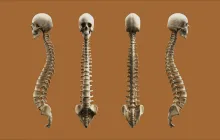
Osteoarthritis affects multiple joints in distinct ways, and prevention strategies may be tailored to the intricacies of each site. In the knee, the emphasis often centers on maintaining quadriceps strength, proper alignment, and controlled loading during activities that involve knee bending and impact. In the hip, attention to hip abductor and extensor strength, as well as movements that protect the anterior joint region, helps preserve mobility and reduce compensatory movement patterns that can irritate surrounding tissues. In the hands, finger joint protection, grip technique, and ergonomic adaptations can lessen swelling and pain while preserving dexterity for daily tasks. For the spine, core stability and posture play a crucial role in minimizing strain on the facet joints and the discs, while ensuring capacity for lifting and daily activities. Across all joints, the central theme is to respect their unique biomechanics, tailor interventions to individual symptoms, and adjust activities to maintain quality of life without crossing the threshold into harmful loading. Families and caregivers also play a role by supporting adherence, facilitating access to professional guidance, and helping implement environmental adjustments that reduce unnecessary joint stress while enabling independence and participation in meaningful activities.
Putting It All Together: A Lifelong Approach
The path to slowing osteoarthritis progression is not a single shortcut but a sustained, integrative lifestyle approach that blends movement, mindful eating, smart protection, and proactive medical oversight. It is about building a durable foundation of muscle strength and joint resilience that can accommodate daily demands, recover from occasional flare‑ups, and adapt to changes in health status over time. The core idea is to create a stable and supportive joint environment where loading is efficient rather than excessive, recovery periods are respected, and pain is managed in a way that encourages continued participation in valued activities. By weaving together weight management, regular exercise, joint protection, balanced nutrition, inflammation control, sleep optimization, and professional guidance, individuals can cultivate a resilient pattern of function that reduces the likelihood of rapid deterioration and enhances overall well‑being. This approach respects the individuality of each person’s joints, limitations, and goals, and it recognizes that gradual, measurable improvements accumulate to produce meaningful, enduring benefits for mobility, independence, and life satisfaction. In practice, it means choosing activities that feel sustainable, making small but consistent adjustments to daily routines, and seeking support when new symptoms emerge, all with the shared aim of keeping joints moving freely and healthfully for as long as possible.