Understanding the core signals that indicate danger
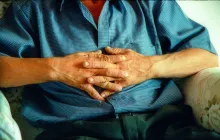
When a heart attack occurs, the body sends a mix of signals that can vary from person to person. For many men, the most recognizable sign is a feeling of chest pressure or a heavy weight pressing down in the center of the chest. This sensation can feel like squeezing, constriction, or a tight band that does not easily release. The intensity may build gradually and persevere for several minutes, or it may come and go in waves. This core signal is often accompanied by a sense of unease that goes beyond ordinary stomach discomfort or fatigue. Recognizing this central signal early can dramatically increase the chances of receiving timely treatment and reducing heart damage.
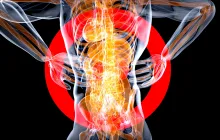
Beyond the chest, men frequently notice that discomfort radiates to other parts of the upper body. The pain or pressure can spread to one or both arms, often the left arm, but it may also travel to the shoulders, the neck, the jaw, or the back. In some cases, the sensation moves down to the stomach or the upper abdomen, which can be mistaken for indigestion. The spreading nature of the sensation reflects how the heart’s distress signals travel through nerves that connect to multiple regions of the body. Understanding this broader pattern helps distinguish heart-related symptoms from simple muscle strain or dietary discomfort.
The typical mix of symptoms men commonly report
Many men report additional signs that cluster with chest discomfort. Shortness of breath can appear suddenly, even with minimal activity, and it can feel sharp or suffocating rather than simply easy or normal. Excessive sweating or cold sweating without obvious cause is another frequent feature, sometimes described as a clammy, pale skin texture. Nausea, a feeling of impending doom, or lightheadedness can accompany the chest pain, creating a triad of sensations that signals that something is seriously wrong. In some cases, men experience fatigue that seems disproportionate to the effort they have exerted, which can mask the seriousness of the event because it looks like ordinary tiredness rather than a medical emergency.
Because the human body responds to stress in diverse ways, the onset of symptoms may be abrupt or gradual. For some men the symptoms arrive without a clear trigger, while for others they develop during exertion, physical strain, or emotional stress. The duration is variable as well; a symptom may persist for minutes, wax and wane, or fail to fully disappear after rest. This variability can challenge first responders and even laypeople who are trying to decide whether medical help is needed. A cautious approach—expecting the worst but hoping for the best—is often prudent when the signs involve the chest and associated distress signals.
Atypical presentations and silent heart attacks
While many men experience the classic chest pressure, a substantial number of heart attacks present with less typical symptoms. Atypical signs may include a sense of fullness or pressure rather than pain, a pain localized to the back or jaw, or a sudden onset of dizziness and fainting with little to no chest discomfort. Some men experience only subtle fatigue, a vague sense of unease, or uncomfortable upper abdominal sensations that could be mistaken for stomach issues or acid reflux. In some cases, there is no pain at all; instead, there is confusion, a rapid heartbeat, or a feeling of impending danger. These silent or near-silent heart attacks underscore the importance of paying attention to any new, persistent symptoms that affect the chest, breathing, or overall energy levels, especially if risk factors are present.
A key challenge with atypical presentations is that they may not be recognized promptly by the person experiencing them or by those around them. The absence of a sharp chest pain can lead to underestimation of severity, delaying emergency help. Education about these less obvious signs is essential, particularly for men who have diabetes, high blood pressure, or a history of heart disease, as these conditions can blunt typical symptom patterns. Even in the absence of classic chest pain, the combination of new symptoms that involve breathing difficulties, sweating, and weakness should prompt urgent medical evaluation.
The pace of onset and what it implies for action
The speed at which heart attack symptoms develop can influence the response. A sudden onset of intense chest pressure or a crushing sensation that lasts more than a few minutes is a strong cue to seek emergency care immediately. A slower, creeping pattern of discomfort over more than several minutes should also be treated as urgent because the underlying problem is ongoing and can progress rapidly. Delays in seeking help are a major reason why heart attack outcomes can worsen. The message is clear: if any plausible heart-related symptom persists, particularly with the combination of chest discomfort and shortness of breath, it is safer to call emergency services rather than wait to see if the symptoms subside on their own.
Men often face additional social and practical barriers to calling for help, including a desire to persevere through discomfort or to avoid worrying others. Yet the time-sensitive nature of heart attack treatment means that every minute matters for preserving heart muscle. By reducing hesitation and triggering professional evaluation promptly, individuals increase the likelihood of receiving life-saving therapies such as aspirin guidance, rapid imaging, and, if needed, urgent coronary intervention. The right action is to treat the situation as an emergency when the signs align, even if the symptoms seem uncertain or mild at first glance.
Associated symptoms that I frequently accompany cardiac events
In men, heart attack symptoms commonly occur in conjunction with a range of bodily signals that reinforce the seriousness of the event. A sudden rush of adrenaline can cause a noticeable increase in heart rate, palpitations, or a feeling of anxiety that seems out of proportion to the situation. Lightheadedness or faintness can accompany the chest sensations, creating a sense of dizziness or instability. Cold sweat, a pale appearance, and a sense of impending doom are components that often cluster together. In some men, nausea or vomiting follows the pain, which can complicate the interpretation of symptoms as digestive rather than cardiac.
These associated signs can be misinterpreted as a stomach issue, flu, or stress, especially when chest pain is mild or absent. The risk of misinterpretation emphasizes the importance of considering a heart attack in the differential diagnosis whenever any new, uncharacteristic, or persistent set of symptoms affects the upper body, breathing, or general energy, particularly in those with known risk factors such as age, smoking, elevated cholesterol, hypertension, diabetes, or a family history of heart disease. Keeping an open mind about the potential for a cardiac event helps ensure that serious conditions are not dismissed prematurely.
Demographic and risk profiles shaping symptom expression
The way heart attack symptoms present can be influenced by age, overall fitness, and existing health conditions. Younger men may experience sharper chest pain with more localized radiation, whereas older men might notice subtler signs like fatigue or shortness of breath that appear out of proportion to activity levels. Those with diabetes may have blunted chest pain due to nerve changes, while individuals with high cholesterol or hypertension may experience a more aggressive cardiovascular event that manifests in multiple system signs. A history of smoking compounds the risk by accelerating damage to blood vessels and reducing the body's capacity to respond to acute stress.
Sexual health and body composition can also modulate symptom perception. In some men, the central chest discomfort may be less prominent, with symptoms emerging primarily as breathlessness, discomfort in the neck or jaw, or a sense of pressure that lingers beyond normal tiredness. The interplay between these variables means that a universal symptom checklist is insufficient; instead, awareness of a spectrum of signs and a low threshold for seeking help are essential components of early intervention. Clinicians understand that risk profiles can shape both the likelihood of a heart attack and the way it presents, making personalized assessment a critical part of fast diagnosis and treatment.
Symptoms during exertion versus at rest
Physical activity can unmask heart problems because the heart requires more oxygen and blood flow during exertion. Men who notice chest pressure or discomfort that begins or worsens with exercise or physical strain should take the signs seriously and consider seeking evaluation. On the other hand, some heart attacks unfold while the person is at rest, possibly during sleep or quiet moments, which can delay recognition because the individual is not actively stressing the heart. Regardless of the setting, new onset chest discomfort with any combination of shortness of breath, sweating, or nausea warrants urgent attention.
Fitness level can influence symptom interpretation. Athletes and physically active men might misattribute chest discomfort to a strained muscle or overexertion, given their accustomed tolerance for exertion. Conversely, men with sedentary lifestyles may misread fatigue or breathlessness as simple tiredness. The reality is that heart attack signs can cross boundaries between activity and rest, and the critical factor is the emergence of a coherent pattern of new symptoms that persist beyond a few minutes or recur repeatedly. A cautious approach involves seeking prompt medical evaluation when such signals arise, especially if risk factors are present.
Pain location and how to interpret its meaning
Location of pain is a useful clue but not a definitive rule. Chest discomfort that remains centralized is a classic sign, but radiating pain to the left arm, shoulder blade, neck, jaw, or back may occur. Pain that stays in the center of the chest but strengthens with each breath can signal a serious cardiac event; meanwhile, pain that feels more like heartburn or gas is not automatically harmless. The context matters: new onset, persistent, or recurrent sensations that disrupt routine functioning should trigger medical assessment. Interpreting pain requires considering timing, duration, intensity, and associated symptoms rather than focusing on a single detail in isolation.
Additionally, some men may describe their chest impact as a pressure that tightens around the chest like a belt or as a squeezing sensation that may come and go. Others might report a feeling of heaviness, fullness, or a bandlike sensation that does not correspond to muscular strain. Recognizing these qualitative differences helps distinguish potential heart-related pain from noncardiac causes such as musculoskeletal issues or gastrointestinal disturbances. The practical takeaway is that any new, persistent chest-related sensation paired with other distress signs deserves medical attention, even if the exact pain character does not fit the textbook description.
Immediate actions when signs appear
When heart attack symptoms are suspected, immediate action is crucial. The first priority is to call emergency services rather than driving to a hospital, because trained responders can begin life-saving treatment at once and coordinate rapid transport. If the person is conscious and not allergic or contraindicated, chewing a standard 325 milligram aspirin tablet can help inhibit clot formation and reduce damage to heart tissue while help is on the way. It is important to chew rather than swallow aspirin with water, and to avoid giving aspirin to someone with a known allergy, a history of bleeding problems, or a current active bleed.
While waiting for assistance, the individual should rest in a comfortable position, usually sitting up if possible, and avoid physical exertion or further activity that could worsen the heart’s workload. If the person becomes unresponsive or stops breathing, immediate CPR should be started by bystanders trained in resuscitation, and emergency services should be called again. Clear communication with responders about symptoms, onset time, medications, and any existing medical conditions can streamline the care process and ensure that the right interventions are applied without delay. Quick, calm, and informed action is essential in reducing potential damage and improving survival outcomes.
What to tell responders and loved ones about symptoms
Communicating accurately about symptoms is a critical factor in how quickly care can be delivered. Describing chest pressure, the exact location of pain, whether the pain radiates to the arm, neck, jaw, or back, and noting the presence of shortness of breath, sweating, dizziness, or nausea helps responders triage and treat effectively. If the individual has a history of heart disease, high blood pressure, high cholesterol, diabetes, or smoking, sharing this information can set the stage for rapid consideration of a heart attack. Loved ones should stay present, observe changes, and encourage immediate medical evaluation if symptoms persist or worsen.
For those at home who observe a person experiencing potential heart attack signs, it’s important to maintain composure while initiating care. Keep you and the patient as comfortable as possible, avoid giving food or drink if there is any risk of vomiting, and prepare necessary information such as medications, allergies, and contact details for medical professionals. A steady, supportive approach can reduce anxiety and help ensure that the individual remains still enough to preserve optimal blood flow to the heart while help is arranged. The overall emphasis remains on not delaying care once the pattern of signs suggests a cardiac event.
Medical context: how clinicians assess suspected heart attacks
Emergency medical teams use a combination of clinical history, physical examination, and diagnostic tools to evaluate suspected heart attack in men. An electrocardiogram (ECG) is typically performed quickly to identify patterns indicating ischemia or a heart attack. Blood tests measuring cardiac enzymes are used to detect heart muscle injury. Imaging studies such as chest radiography and, in some cases, advanced imaging help determine the extent of damage and identify alternative explanations for symptoms. In the field, paramedics may begin aspirin, nitroglycerin, or other medications based on established protocols while transporting the patient for definitive treatment.
Healthcare providers also consider a person’s risk factors and comorbidities when interpreting symptoms. For men with diabetes, high blood pressure, high cholesterol, or a familial history of heart disease, clinicians may have a higher index of suspicion for cardiac events, even when symptoms appear atypical. The rapidity of diagnosis influences the therapeutic window during which interventions such as reperfusion therapy (including percutaneous coronary intervention or thrombolysis) can be most effective. Timely decision-making by medical teams saves heart muscle and improves survival rates in populations with varying risk profiles.
Preventive measures and education to reduce delays
Empowering men with knowledge about heart attack signs can reduce delays in seeking care. Education emphasizes that symptoms can vary widely and may not always present with classic chest pain. Regular health checkups to monitor blood pressure, cholesterol, and glucose levels, as well as risk-reduction strategies such as smoking cessation, physical activity, a balanced diet, and maintaining a healthy weight, all contribute to lowering the likelihood of heart attacks and improving resilience if they occur. Community outreach and workplace wellness programs can play a crucial role by normalizing prompt action and by teaching people how to recognize warning signs in themselves and others.
Engagement with healthcare providers is a practical step for men who have risk factors. Routine discussions about symptoms, medication adherence, and emergency planning help individuals be prepared. In particular, men who have known coronary artery disease or prior heart-related events should have personalized action plans that specify when to call for help, when to take aspirin, and how to monitor symptoms at home. Such plans are designed to reduce confusion during a crisis and facilitate rapid, coordinated care among caregivers, family members, and medical professionals.
How to communicate with responders and loved ones during an event
Clear, concise communication during a suspected heart attack makes a significant difference in the speed and quality of treatment. When contacting emergency services, provide your exact location, the symptoms you are experiencing, how long they have persisted, and any known medical conditions or medications. If the patient is able to answer, share important details about prior heart problems, current prescriptions, and allergies. Family members and friends can support by staying with the patient, keeping them calm, and helping to arrange transportation if needed while waiting for responders. The combination of precise information and calm presence helps responders anticipate needs and initiate appropriate protocols promptly.
For loved ones, recognizing when to seek help includes observing for any new or worsening symptoms in someone with heart disease risk. If a man reports unusual chest discomfort, shortness of breath, faintness, sweating, or giddiness, it is better to err on the side of caution and seek medical evaluation rather than assume it is a benign issue. Education for families about recognizing warning signs builds a safety net that can save lives by encouraging timely action and supporting the patient through the often stressful experience of a cardiac event.
Common myths and facts debunked
Myths about heart attack symptoms can delay treatment. One common myth is that heart attacks always involve severe chest pain, which leads some men to ignore milder or atypical symptoms. In reality, a heart attack can present with faint discomfort, nausea, or simple fatigue, especially in older adults or those with certain medical conditions. Another misconception is that only older men are at risk; while risk increases with age, younger men can and do experience heart attacks, particularly when risk factors such as smoking, obesity, or high stress are present. Believing that pain in the arm or jaw is necessarily unrelated to the heart can also hinder timely emergency evaluation; these symptoms may be legitimate cardiac cues when they occur in combination with other signals.
It is a fallacy to assume that all chest pain equals heart damage or that taking aspirin always prevents trouble. Self-treating with pain relief without medical guidance can delay appropriate care or mask symptoms that would otherwise signal a more serious condition. Likewise, waiting to see if symptoms subside on their own can be dangerous, especially if risk factors exist. The evidence strongly supports swift action when new, persistent, or recurrent chest-related sensations occur, particularly if accompanied by shortness of breath, sweating, nausea, or dizziness. Debunking these myths helps reinforce the message that proactive assessment is essential when heart health is at stake.
Understanding the realities behind these signs and myths can empower men to seek help promptly and improve outcomes. A broad awareness that symptoms vary and that time matters creates a safer environment for recognizing emergencies. By integrating accurate information with practical steps—calling emergency services, possibly taking aspirin, and remaining calm—men and those around them can act decisively to protect heart health during a crisis. This approach reduces uncertainty and supports faster, more effective medical intervention when it is needed most.