Probiotics are live microorganisms that, when consumed in adequate amounts, confer a health benefit to the host. The gut microbiome is a vast and dynamic ecosystem composed of bacteria, archaea, viruses, and fungi that inhabit the digestive tract from the mouth to the colon. This microbial community plays a central role in breaking down complex carbohydrates, synthesizing essential vitamins, shaping the immune system, and forming a protective barrier against invasive pathogens. A balanced microbiome supports not only efficient digestion and nut...
Prevention & Immunity

Water is not merely a passive solvent that carries nutrients and waste; it is a fundamental building block of nearly every physiological process involved in health and illness. In the bloodstream, fluids provide the volume that ensures tissues receive adequate oxygen and nutrients while allowing immune cells to travel efficiently to sites of infection. Water participates in the transport of signaling molecules, enzymes, and hormones that coordinate the immune response. When hydration is adequate, plasma volume supports stable blood pressure and...
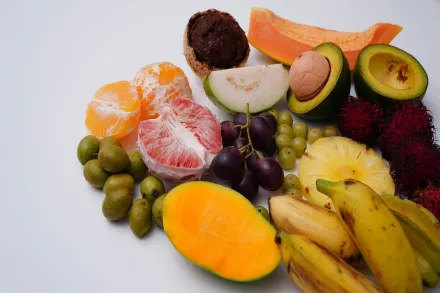
Vitamin C, also known as ascorbic acid, stands as a multifunctional nutrient that the human body cannot synthesize on its own. This reality makes it an essential component of a balanced diet, demanding regular intake through foods or supplements when necessary. The molecule operates as a crucial cofactor for several enzymatic reactions, most notably the synthesis and stabilization of collagen, the protein that supports connective tissues, blood vessels, skin, bones, and teeth. Beyond structural roles, vitamin C participates in the manufacturing...
In the intricate tapestry of human health, zinc is a small element with outsized influence. It acts as a catalyst in countless enzyme systems, supports the creation and maintenance of genetic material, and helps regulate the signals that guide cells to respond to danger. When a person faces illness, zinc often plays a pivotal role in shaping how swiftly the body detects intruders, mounts an initial defense, and restores balance after the threat is neutralized. The delicate balance of zinc, its availability in tissues, and its integration into i...

Elderberry, scientifically known as Sambucus, has traveled through centuries of traditional healing, weaving its way into folk remedies and modern nutritional discussions alike. In contemporary wellness narratives, it is celebrated for its potential to support immune function and help the body respond to common seasonal challenges. The appeal lies not only in its historical pedigree but also in a growing body of evidence about the plant's bioactive compounds and the ways these compounds may interact with the body's defenses. Rather than offerin...

Seasonal allergies are a complex interplay between environmental allergens, the body's immune system, and daily habits. For many people, the arrival of spring and the subsequent pollen surges can bring a mix of itchy eyes, sneezing, nasal congestion, and fatigue that disrupts work, sleep, and social life. At the same time, there is a growing interest in approaches that emphasize natural prevention, aiming to reduce exposure to triggers, support the body's antioxidant and anti-inflammatory responses, and maintain overall resilience without relyi...
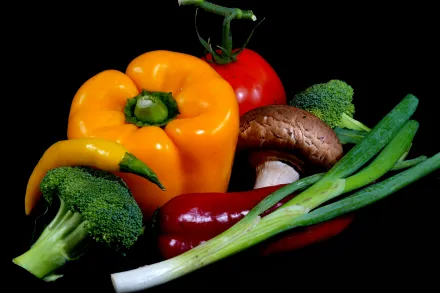
The term superfood has become a common shorthand in the public conversation about nutrition, yet it sits at the intersection of hype, science, and everyday practical living. It is not a formal medical category, and it does not imply that a single ingredient can alone prevent disease. Instead, it points to foods that bring a high density of nutrients, phytochemicals with biological activity, fiber, and favorable fats into the daily diet. The appeal lies in the promise of efficient and accessible ways to build resilience against illness, not in s...

Public spaces form the backbone of modern life, hosting commerce, transit, education, culture, recreation, and social interaction. They are designed to bring people together, which is essential for communities to function, but that very design creates opportunities for the spread of infectious agents. The risk in these environments is shaped by how often people encounter one another, how long encounters last, the presence and quality of ventilation, the cleanliness of shared surfaces, and the everyday habits of individuals. Because these settin...
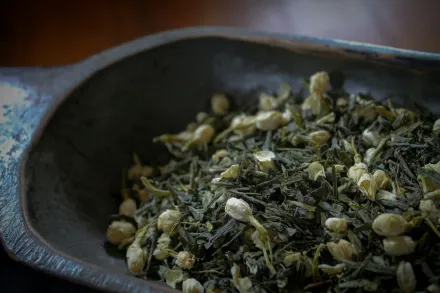
Understanding immunity is to recognize a complex network of cells, tissues, and signaling molecules that defend the body against pathogens while maintaining a balance with friendly microbes. The immune system operates in layers, from the rapid first responders of the innate system to the more specialized processes of the adaptive response, and it is constantly influenced by lifestyle, sleep, stress, and nourishment. Hydration matters because mucosal surfaces, including those lining the airways and digestive tract, rely on a steady flow of moist...

In the quieter months of the year, when weather shifts and crowds gather indoors, the body often encounters a push on its defenses. This article explores immune-supportive practices that people can adopt at home to help the body respond more effectively to common respiratory challenges such as colds and the flu. The suggestions here are intended to complement medical care when it is needed, not to replace it. By embracing nourishing routines, gentle physical activity, thoughtful nutrition, and mindful self-care, individuals can cultivate a foun...