Understanding immunity and the comforting role of herbal tea
Understanding immunity is to recognize a complex network of cells, tissues, and signaling molecules that defend the body against pathogens while maintaining a balance with friendly microbes. The immune system operates in layers, from the rapid first responders of the innate system to the more specialized processes of the adaptive response, and it is constantly influenced by lifestyle, sleep, stress, and nourishment. Hydration matters because mucosal surfaces, including those lining the airways and digestive tract, rely on a steady flow of moisture to function as a barrier. Herbal teas offer a gentle way to hydrate while delivering a spectrum of phytochemicals that behave as antioxidants, anti inflammatory agents, and modulators of immune signaling pathways. In daily life, a warm cup of tea can become a small but meaningful habit that complements rest, exercise, and a balanced diet, turning ordinary moments into deliberate care for resilient health.
Active compounds in herbal allies and how they work
Herbal infusions bring together a diverse array of bioactive compounds, and their effects on immunity derive from several mechanisms that may overlap yet remain distinct among plants. Polyphenols and flavonoids can help neutralize free radicals and reduce chronic inflammation, while volatile oils and terpenoids may influence immune cell activity and barrier integrity. Specific herbs contribute characteristic constituents that researchers frequently explore in laboratory and clinical settings. For instance, certain flavonoids can modulate signaling proteins that instruct white blood cells, while others may support gut-associated lymphoid tissue through interactions with the microbiome. It is important to appreciate that the immune system is intricate, and the same compounds can have different outcomes depending on dose, matrix, and individual physiology. Thus herbal tea serves as a supportive, rather than a sole, determinant of immune vitality, aligning nourishment with other healthy habits to form a broader strategy for well being.
Chamomile and elderflower: gentle allies for daily defense
Chamomile carries a aroma and phytochemical profile that has long been associated with calm and comfort, and its infusion often includes apigenin and other antioxidant constituents that may contribute to reducing markers of oxidative stress. Elderflower, with its own bouquet of flavonoids and phenolic acids, has a traditional reputation for soothing respiratory passages and supporting the body’s natural defenses during seasonal changes. When brewed into a tee, these plants provide a mild, approachable option for regular use, especially during cool evenings or moments that call for a slower pace. The combination can deliver a delicate balance of warmth and subtle antimicrobial potential, a pairing that respects both sensorial pleasure and the subtle needs of immune equilibrium without overstimulation or artificial intensity.
Echinacea and elderberry: traditional remedies with modern science
Echinacea has a long history as a plant associated with immune support, and it is often prepared as a tea or decoction in many cultures. Its potential effects are thought to include modulation of macrophage activity and enhancement of certain defensive pathways, particularly in the early stages of immune response. Elderberry has attracted attention for its antiviral properties in some laboratory studies and traditional use during viral upper respiratory illnesses. When these herbs appear in a tea blend, they can offer a comforting, fruit‑driven sweetness alongside herbaceous notes. It is important to recognize that human studies yield mixed results, with benefits appearing in some contexts and not in others, and that individual responses vary. Sensible use, especially during illness or pregnancy, should consider medical guidance and personal tolerance, while recognizing that tea can be a meaningful, enjoyable part of a broader approach to staying well.
Ginger, turmeric, and other warming roots
Ginger and turmeric stand out for their warm, spicy character and their rich array of bioactives. Ginger contains gingerols and related compounds that may influence inflammatory pathways and support digestive comfort, which in turn can influence immune readiness by ensuring the gut environment remains hospitable to healthy microbes. Turmeric brings curcumin into the mix, a compound frequently studied for its anti inflammatory properties and potential to modulate signaling processes involved in immune response. When paired with black pepper or other carriers that enhance bioavailability, these roots can be integrated into teas that feel both comforting and purposefully healthful. The warmth they impart can also feel grounding during chilly seasons, reinforcing a habit of mindful sipping alongside broader health practices.
Green tea and white tea: catechins, caffeine, and immune modulation
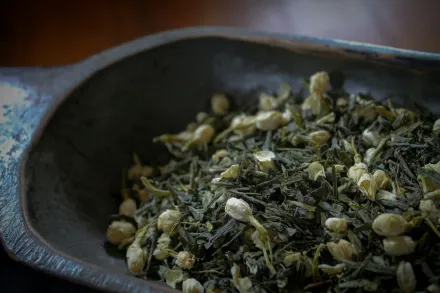
Green and white teas consist primarily of young tea leaves that retain high levels of catechins and related polyphenols, compounds associated with antioxidant activities and potential support for immune cells. Green tea in particular contains epigallocatechin gallate, a molecule that has attracted attention for its broad range of biological effects, including modulatory actions on inflammatory mediators and microbial balance within the gut. The presence of theanine offers a unique pairing with caffeine, creating a calm alertness that may suit daily routines while not overwhelming the nervous system. While tea cannot replace vaccines or other medical interventions, it can be a daily beverage that reinforces hydration and provides a steady stream of natural compounds that harmonize with a balanced diet and healthy life choices.
How to blend and brew for immune support
Crafting herbal blends for immune health invites thoughtful attention to flavor, aroma, and the timing of consumption. A blend that combines gentle herbs with brighter, citrusy notes can be particularly appealing and can encourage regular sipping. When preparing tea for immune support, it helps to start with good quality dried or fresh herbs, store them in a cool, dark place, and use clean water sourced from trusted supplies. Infusion times can range from a few minutes for lighter leaf to longer for roots and barks, and adjusting the balance of herbs allows for personalization according to taste as well as seasonal needs. The choice of caffeine content matters as well; selecting caffeine free options for late day use can support restful sleep, which is itself a powerful contributor to immune health. By embracing a flexible, seasonally aware approach, an individual can cultivate a practice that is nourishing, sustainable, and aligned with other healthful behaviors.
Practical brewing guidelines and flavor considerations
Practical brewing begins with water quality, temperature appropriate to the herbs, and mindful timing. Light, tender leaves such as mint or lemon balm respond well to gentler heat and shorter steeping, preserving delicate aromas while delivering refreshing hydration. Heavier, more robust herbs like echinacea blends or roots may benefit from slightly higher temperatures and longer steep times to unlock their fuller profile. To maintain flavor integrity and avoid bitterness, it is wise to taste as you go and adjust the ratio of herbs for personal preference. Balancing flavors also helps sustain a routine that encourages daily consumption, turning tea into a repeatable ritual rather than a sporadic indulgence. The addition of citrus zest, a drizzle of honey, or a hint of spice can enrich the sensory experience while ensuring the tea remains a pleasurable part of the day rather than a medicinal obligation.
Safety, dosage, and special considerations
While herbal teas are generally safe for most people, certain herbs can interact with medications or conditions. Individuals taking anticoagulants, immune modulating drugs, or diabetes medications may need to consult a healthcare professional about specific blends. Pregnant people, children, and those with sensitive stomachs or allergies should approach new herbs with caution, starting with very small amounts and observing any reactions. Overuse of particular ingredients with strong active constituents can sometimes lead to unintended effects, so variety, moderation, and mindful listening to the body are prudent. Caffeine containing teas should be avoided close to bedtime if sleep is a concern, and naturally caffeine free blends can provide a reliable alternative for evening enjoyment. By choosing reputable sources and paying attention to personal responses, one can enjoy herbal teas responsibly as part of a broader, well informed lifestyle.
Seasonal culture and everyday life: making tea a habit
Seasonality influences the herbs that seem most fitting and comforting. In colder months, warming blends with ginger, cinnamon, or licorice root may evoke a sense of coziness while supporting a feeling of being cared for during the season. In warmer times, cooler herbal infusions with mint, lemongrass, or citrus components can refresh the senses and encourage hydration. The practice of brewing becomes a small daily ceremony: selecting a blend, smelling the dry herbs, watching the infusion transform the water into a scented draught, and pausing to savor the aroma before tasting. Over weeks and months, this ritual can anchor a person’s routine, reinforcing the habit of tending to one’s own health through a simple act that nourishes both body and mind.
A note on sustainability and sourcing
The health of ecosystems and the integrity of herbal products are closely linked to the quality of the herbal teas in your cup. Sourcing herbs from reputable producers who emphasize sustainable cultivation, fair labor practices, and minimal processing helps protect biodiversity and ensures consistent quality. When possible, choosing locally grown or organic options reduces exposure to residual pesticides and supports farmers who steward land responsibly. Freshness is also a key factor; herbs that have been dried promptly and stored properly retain more of their character and bioactive potential. By cultivating awareness about sourcing, storage, and usage, tea becomes not only a personal health practice but a contribution to a broader landscape of care for the environment and the communities that cultivate these plants.
The future of herbal teas in immunity research
As scientific inquiry continues, researchers are pursuing a clearer understanding of how combinations of herbs interact with human physiology. Studies may illuminate more precise mechanisms by which certain teas modulate immune pathways, influence microbiota balance, and support mucosal barriers. Yet the complexity of human biology cautions against overstatement of any single herb as a cure or universal remedy. The evolving landscape suggests a model in which herbal teas serve as complementary components of a holistic strategy: reliable hydration, enjoyable sensory experience, and a steady stream of botanicals that can align with dietary patterns, stress management, and adequate sleep. In daily life, the value lies not in miracles but in mindful, informed choices that honor both science and lived experience, allowing people to cultivate resilience through consistent, enjoyable practices.
In the end, herbal teas offer more than flavor. They invite a moment of pause, a chance to breathe, and an opportunity to nourish the body with plant-based compounds that have traveled across cultures and centuries to become part of contemporary wellness routines. By combining curiosity with caution, appreciation for taste with respect for body signals, and a commitment to sustainable choices, one can enrich immunity not through dramatic leaps but through steady, meaningful habit. A cup of herbal tea thus becomes a quiet companion on the journey toward well being, a reminder that caring for health can be a daily, pleasurable, and purposeful act integrated into the rhythm of life.