Mindfulness emerges from a long tradition of attention training, yet in modern science it is understood as a cultivated capacity to observe thoughts, feelings, and bodily sensations with a stance of nonjudgmental curiosity. This practice does not erase life’s stressors, but it changes the way a person relates to them, reducing automatic reactivity and softening patterns of avoidance. The immune system, a complex network of cells and signals, operates in dynamic dialogue with the brain and the body. It is not a static defense but a responsive sy...
Prevention & Immunity

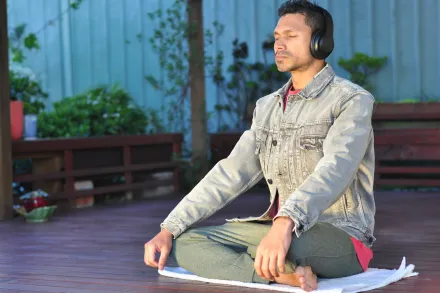
Meditation is more than a ritual of stillness; it is a structured approach to training attention, awareness, and emotional regulation that yields measurable changes in the way the body responds to stress and, over time, influences the body's defenses against disease. When people adopt a regular meditation practice, they often notice a gradual shift in how they respond to daily challenges, a softening of reactivity, and a capacity to pause before reacting. These adjustments extend beyond the mind and begin to transform the physiology that under...

In the cold season the body navigates a set of environmental shifts that can challenge immune defenses. The days are shorter, indoor spaces become more crowded, and the air often dries out due to heating systems. These factors do not create disease by themselves, but they can influence how the immune system responds to invaders such as viruses and bacteria. Understanding the interaction between environment, behavior, and biology can help you design a practical approach to support immune resilience without turning health into a complicated proje...

The immune system is not a single organ but a distributed network that spans skin and mucous membranes, bone marrow and lymph tissue, and a vast army of white blood cells. It relies on rapid communication through signaling molecules, and on energy and substrates supplied by the foods we eat. The innate branch provides immediate, nonspecific defense, while the adaptive branch tailors responses based on prior encounters. Nutrition feeds immune cells with pillars such as energy, repair materials, and micronutrients, and it helps maintain barrier f...

Chronic infections pose a persistent threat to health, affecting individuals across ages and backgrounds. The risk of long-lasting infections doesn't arise from a single moment; it accumulates through a complex interaction of biology, environment, and behavior. Understanding how the body defends itself and how everyday choices influence that defense can empower people to lower their chances of developing enduring infections. This article explores practical, evidence-based approaches to reduce the risk of chronic infections by strengthening immu...

Sleep is not merely a passive state but a dynamic period during which the body orchestrates a broad set of restorative processes that prepare the immune system to recognize, respond to, and remember threats. When the body rests, immune cells engage in heightened surveillance, signaling pathways recalibrate, and the balance between inflammation and repair shifts toward a state that favors protection rather than prolonged stress. This intricate dialogue between sleep and immunity begins long before waking, shaping the body’s readiness to confront...

The immune system is a remarkable network that spans multiple bodily systems, coordinating cellular defenders, signaling molecules, and barrier tissues to protect the body from harm. In recent years many people have turned to natural supplements as a complement to a balanced diet, a healthy sleep schedule, regular physical activity, and effective stress management. This article explores how reputable, well-supported natural options can fit into a broader wellness plan aimed at supporting resilience, particularly during times of seasonal change,...

The immune system is a dynamic network of cells, tissues, and signaling molecules that work together to defend the body against infections and environmental challenges. Within this network, vitamins act as essential cofactors that help immune cells develop, communicate, and respond effectively. They support the production of antibodies, the activity of white blood cells, and the integrity of mucosal barriers that line the respiratory and digestive tracts. In many ways, vitamins serve as the fuel and the regulatory switches that keep the immune ...

In the complex theater of human health, micronutrients play backstage roles that are often undervalued when people think about disease prevention. These trace elements and vitamins, required in only small amounts, exert outsized influence on how the body defends itself, repairs tissue, and maintains the delicate balance of metabolic processes that sustain vitality. The narrative of prevention is incomplete without recognizing how micronutrients support immune resilience, modulate inflammatory pathways, and shape cellular function in ways that r...

The human body is built to move, and movement has effects that extend far beyond the obvious benefits to muscles and cardiovascular health. When people engage in regular physical activity, a cascade of biological responses is triggered that can influence how the immune system functions on a daily basis. This article explores how exercise strengthens the body's defenses against invading microbes, supports immunity over time, and helps reduce the likelihood of getting sick in everyday life. It also considers the nuances of different exercise inte...