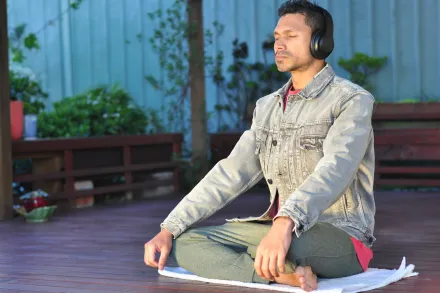
Introduction to a quiet practice with broad effects
Meditation is more than a ritual of stillness; it is a structured approach to training attention, awareness, and emotional regulation that yields measurable changes in the way the body responds to stress and, over time, influences the body's defenses against disease. When people adopt a regular meditation practice, they often notice a gradual shift in how they respond to daily challenges, a softening of reactivity, and a capacity to pause before reacting. These adjustments extend beyond the mind and begin to transform the physiology that underpins health and illness.
In contemporary discussions about illness prevention, the focus has increasingly moved toward the intersection of mind and body. Researchers have begun to explore how practices that cultivate calm, clarity, and compassionate attention can reduce the risk factors associated with chronic conditions, support immune function, and promote healthier lifestyle choices. While meditation is not a magic cure, it is a powerful tool that can complement medical care and public health strategies by helping people lower stress, improve sleep, and sustain behaviors that contribute to long term well being.
The mind body connection and the biology of stress
At the heart of meditation’s impact on health is the dynamic relationship between the nervous system, the endocrine system, and the immune system. When a person faces a perceived threat or experiences ongoing stress, the body engages the stress response, releasing hormones such as cortisol and adrenaline that prepare the body to act. Prolonged activation of this response can disrupt immune balance, increase inflammation, and contribute to vulnerability to infections and chronic conditions. Meditation helps recalibrate this system by strengthening the body’s capacity to shift from a state of vigilance to a state of rest and repair.
Regular practice tends to enhance what scientists describe as autonomic balance, the harmonious functioning of the sympathetic and parasympathetic branches of the nervous system. By encouraging slower breathing, greater vagal tone, and more coherent heart rate dynamics, meditation can reduce the physiological footprint of stress. Over time these changes can translate into lowered baseline inflammation, improved metabolic stability, and a more robust readiness of the immune system to respond when a real threat emerges, whether from a virus, bacteria, or environmental toxin.
Inflammation, immune function, and the preventive potential
One of the most important links between meditation and illness prevention lies in inflammation, a natural immune process that becomes harmful when it remains chronic or uncontrolled. Persistent low grade inflammation is associated with cardiovascular disease, metabolic syndrome, autoimmune conditions, and even mood disorders. Meditation appears to influence inflammatory pathways by reducing the release of pro inflammatory cytokines and by increasing signals that promote anti inflammatory processes. These shifts do not eradicate inflammation overnight, but they can contribute to a healthier immune baseline.
In addition to biochemical changes, meditation fosters behavioral patterns that support immune health. People who meditate are more likely to engage in restorative sleep, healthier eating, regular physical activity, and mindful responses to stress. Each of these behaviors has independently been linked to better immune vigilance. When combined with a calmer physiology, the net effect may be a more resilient response to infectious challenges and a lower likelihood of immune dysregulation that predisposes to illness.
Sleep, recovery, and the immune system
Sleep is a cornerstone of illness prevention, because it is during rest that the immune system consolidates learning, repairs tissue, and calibrates its defenses. Meditation has a well documented relationship with improved sleep quality, quicker onset of sleep, and reduced awakenings during the night. By reducing cognitive arousal, quieting the mind that races with worries, and lowering physiological markers of stress, meditation creates a favorable milieu for restorative sleep.
Healthy sleep, in turn, supports immune function by enhancing the production of certain immune cells and antibodies, improving the synchronization of circadian rhythms, and enabling the body to clear metabolic byproducts that accumulate during wakefulness. When sleep is consistently restorative, the immune system is better equipped to detect pathogens early, mobilize defenses, and recover more efficiently from infections. Meditation can thus be seen as a practical facilitator of the sleep based recovery cycle that underpins illness prevention.
Breathwork, heart rate variability, and physiological coherence
Breathing is a direct doorway to the nervous system, and many meditative traditions emphasize slow, deliberate breathing as a primary technique. Slow, rhythmic breathing can increase heart rate variability, a measure associated with greater autonomic flexibility and resilience to stress. Higher heart rate variability is linked with improved cardiovascular function, sharper emotional regulation, and better regulation of inflammatory responses. Through regular practice, individuals may cultivate a state in which the body readily shifts to a more balanced, restorative mode even in the presence of disturbing stimuli.
Physiological coherence emerges when the heart, breath, and brain operate in a coordinated rhythm. This harmonious state is associated with reduced perceived effort in everyday tasks, improved mental clarity, and better regulation of the hypothalamic pituitary adrenal axis. While coherence is a nuanced concept, the practical takeaway is straightforward: meditation teaches the body to align its internal rhythms, which supports not only mental steadiness but also the body’s defense systems during times of risk.
Mental health, resilience, and preventive momentum
Mental health and physical health share a bidirectional relationship. Anxiety, rumination, and chronic stress can erode immune efficiency, while a sense of meaning, calm, and social connectedness can bolster resilience and reduce harmful stress related behaviors. Meditation cultivates nonjudgmental awareness of thoughts and emotions, creating space to observe stressors rather than react impulsively. This cultivated awareness translates into more deliberate choices about how to respond to illness risk factors such as unhealthy coping strategies, neglect of self care, or avoidance of preventive medical recommendations.
As people experience gradual improvement in mood, attention, and self compassion, they often extend this improvement into daily routines. Regular meditation supports consistency in health seeking behaviors, such as scheduling medical checkups, adhering to treatment plans, and engaging in preventive screenings. The cumulative effect is a public health shaped by individuals who cultivate inner resources in service of outward health, creating a ripple effect that can reduce population level risk factors over time.
Mindfulness in daily life and behavioral prevention
Beyond the cushion and the mat, mindfulness permeates everyday choices that influence health. Mindfulness invites a person to observe how stress arises, how cravings for unhealthy foods appear, or how fatigue nudges toward sedentary patterns. By recognizing these moments with clarity, individuals can pause before making decisions that undermine immune resilience or cardiovascular health. This pause is not mere hesitation; it is an opportunity to choose actions that support steady energy levels, stable blood sugar, and steady immune function.
In practice, mindfulness fosters a gentler, more persistent approach to self care. It helps people notice early warning signs of illness, such as persistent fatigue or recurrent headaches, which can prompt timely rest and appropriate medical consultation. It also encourages social connection and a sense of belonging, both of which have protective effects on health. When people feel linked to others and to something larger than themselves, their stress responses tend to be more balanced, which in turn supports immune readiness and the body’s capacity to ward off disease.
Chronic stress, lifestyle factors, and illness risk
Chronic stress is a powerful amplifier of illness risk because it alters patterns of sleep, appetite, physical activity, and immune surveillance. Meditation disrupts this amplifier by training attention, improving emotion regulation, and building tolerance for discomfort without resorting to harmful coping strategies. Over weeks and months, this training can translate into fewer days lost to sickness, quicker recovery when illness occurs, and a lower probability of developing stress related health conditions such as hypertension or metabolic disturbances.
Importantly, meditation is not a one size fits all intervention. Different techniques emphasize different aspects of experience—body awareness, loving kindness, or focused attention—yet all share the common aim of reducing unnecessary arousal. When implemented consistently, these approaches can help shift the baseline of daily life toward a calmer, more deliberate quality of presence. This shift reduces the overall burden of stress on the body and contributes to a healthier trajectory of aging and disease prevention.
Practice principles: consistency, accessibility, and integration
To translate the science of meditation into real world illness prevention, it helps to anchor practice in clear principles. Consistency matters more than intensity in the early stages; short daily sessions accumulate benefits over time and are more sustainable than lengthy sporadic bursts. Accessibility matters as well; practices should fit a person’s schedule, physical abilities, and cultural context so that they can be sustained without added stress. Integration means weaving mindfulness into meals, movement, work, and relationships so that the habit becomes a natural dimension of life rather than a separate activity.
A practical approach emphasizes a gentle start: a few minutes of focused breathing or body scanning, followed by brief moments of open awareness. As comfort grows, longer sessions may be introduced, along with informal mindfulness that accompanies everyday tasks. It is also beneficial to pair meditation with other healthy behaviors, such as regular physical activity, time in nature, and social connection, all of which reinforce the immune system and assist the body’s capacity to recover from illness and resist new infections.
Evidence and practical implications for health care
A growing body of research examines how meditation interfaces with health outcomes. While results vary across studies and populations, a consistent pattern emerges: mindfulness based practices can reduce markers of stress, improve sleep quality, lower blood pressure in some individuals, and increase feelings of vitality. From a preventive perspective, these effects can translate into fewer medically unnecessary visits, better adherence to preventive screenings, and a greater ability to participate in healthy activities that support immune function.
Clinically, meditation can complement conventional care by offering patients a tool for self regulation that reduces the physiological burden of stress. In people with chronic illnesses, meditation may help mitigate symptom burden, improve quality of life, and empower patients to engage more actively in their own care. Importantly, medical professionals often encourage a holistic approach that respects patient autonomy and cultural values; meditation can be offered as an option within a broader health plan, rather than as a replacement for evidence based treatments.
Starting a sustainable meditation practice for prevention
Embarking on a meditation practice with illness prevention in mind requires clear expectations and a patient attitude toward progress. Beginners may start with brief daily sessions, perhaps five to ten minutes, and gradually extend duration as comfort grows. The focus can be on the breath, on bodily sensations, or on a compassionate stance toward oneself and others. It is helpful to approach the practice with curiosity rather than judgment, noting how stress feels in the body and how attention can shift that feeling toward calm and steady awareness.
Guidance can come from instructors, recorded sessions, or simple self directed routines. The key is consistency, not perfection. Creating a routine that fits into daily life—morning quiet time, a mid day breathing pause, or a short evening practice before sleep—provides the structure needed for long term benefit. Over weeks and months, many people report improvements in mood, energy, sleep, and a more resilient response to illness related stress.
Integrating meditation with other preventive health habits
Meditation functions best when it sits alongside other preventive practices. Nutrition, physical activity, hydration, sun exposure, vaccination when indicated, and routine medical checkups collectively build a robust shield against disease. Mindfulness supports these choices by enhancing awareness of hunger and fullness, guiding sustainable energy use, and promoting patience with gradual lifestyle changes. In this integrated approach, meditation becomes a central, stabilizing element that supports consistent engagement with a preventive health routine.
As people notice how meditation reshapes their daily life, they may find themselves making more thoughtful decisions about work life balance, social interactions, and screen time. Reducing chronic digital overload, for example, can relieve sleep disruption and improve mental clarity, both of which contribute to a stronger immune system. In this sense, meditation is a flexible, scalable practice that can grow with a person’s health goals and life circumstances, offering a reliable means to sustain well being across the lifespan.
Long term perspective: resilience, aging, and community health
Over the long term, meditation contributes to resilience not only at the level of the individual but also within communities. Individuals who sustain mindful practices may experience slower age related decline in cognitive and physical function, more stable mood regulation, and a greater sense of agency in managing health risks. When large groups adopt mindfulness oriented programs, the cumulative effect can shift cultural norms toward proactive, preventive health behaviors, reducing the prevalence of stress related illnesses and supporting a healthier society overall.
In aging populations, calm awareness can help mitigate the vulnerability that accompanies biological aging. By maintaining better sleep, reducing systemic inflammation, and preserving social connection, older adults may experience a higher quality of life and a reduced burden of illness. The preventive message is not about detaching from life but about engaging with life more fully through the clarified perception, steadier breath, and kinder attentiveness that meditation cultivates.
Closing reflections on a practical path to illness prevention
Meditation offers a practical, accessible, and scalable approach to illness prevention that aligns with modern life. It does not replace medical expertise but rather enriches it by enhancing the body’s natural capacity to regulate stress, support immune function, and sustain healthy behaviors. By investing attention toward the breath, body, and mind in a deliberate and compassionate way, people lay down a foundation that supports health across the spectrum from wellness to recovery.
The journey toward health through meditation is personal and ongoing. It asks for patience, regularity, and an openness to learn from one’s own experience. As the practice deepens, it can transform not only how a person manages illness but also how they relate to life’s challenges, turning moments of difficulty into opportunities for restoration, growth, and renewed vitality. This inward work unfolds in the body as a quieter, more coordinated biological rhythm and in daily life as steadier choices that support lasting well being.