In an era when antibiotic resistance threatens the effectiveness of common therapies, people are increasingly seeking natural approaches to reduce the need for antibiotics. This article explores a comprehensive range of strategies that empower individuals to prevent infections, support their immune system, and minimize unnecessary exposure to antibiotics. By combining everyday hygiene, nutrition, lifestyle, and evidence-informed practices, communities can contribute to a healthier balance between self-care and medical treatment, while physician...
Prevention & Immunity

Understanding the connection between stress and immunity is essential for anyone seeking to support their health in a busy world. When the mind perceives threat or demand, the body responds with a cascade of chemical signals that prime muscles and alter immune function. This response is adaptive in the short term, helping you react to danger or meet a deadline. However, when stress becomes chronic, the same system can drift into patterns that dampen the immune defense and leave you more susceptible to infections and slower recovery from illness...
In the realm of nutrients that influence the immune system, vitamin D stands out as more than a simple vitamin; it can be described as a hormone precursor that travels through the body to regulate gene expression in many cells involved in defense. The synthesis begins in the skin when ultraviolet B rays convert 7-dehydrocholesterol to cholecalciferol, which is then transported to the liver and the kidney to become the active form, calcitriol, through a series of metabolic steps. This pathway creates a mechanism by which vitamin D status reflect...
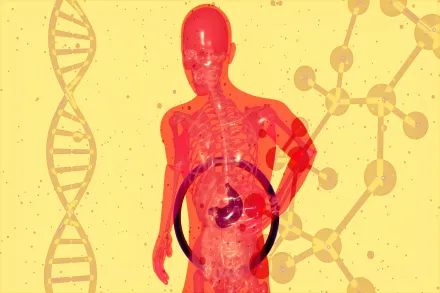
The human gut is far more than a tube that digests food; it functions as a vast immune organ that continually samples the contents of the intestinal lumen, interprets signals from resident microbes, and coordinates responses that protect the body from pathogens while tolerating harmless nutrients and commensals. Within this system, specialized tissues such as the gut-associated lymphoid tissue serve as command centers that train circulating immune cells. It is estimated that a large portion of the body's immune cells engage with the gut on a da...
Recovering from illness is a pivotal moment when the body rebuilds its defenses and adapts to a healthier baseline. The immune system operates as a network of cells, tissues, and signals that orchestrate defense and repair. After an illness, this system often feels fatigued, yet it also has learned something important about how to respond to future challenges. In this broad conversation about natural ways to boost immunity after illness, the aim is not to force rapid change but to support a sustainable pattern of habits that nurture resilience,...
During the shifting rhythms of the calendar, organizations often experience a surge in illness that accompanies the work season. The repercussions extend beyond a single person’s absence; they ripple through the workplace, affecting project timelines, client delivery, and the morale of colleagues who must absorb extra responsibility. When sickness enters the loop of a busy period, the strain can become a quiet background hum that undermines productivity and focus. Recognizing the multifaceted impact of sick days is the first step toward creatin...
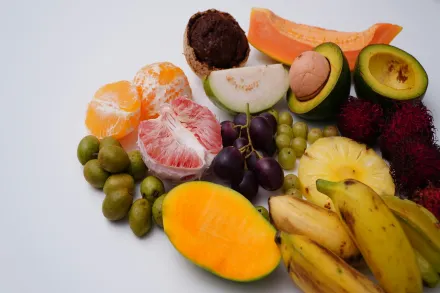
Chronic inflammation is a subtle, persistent condition in which immune signaling molecules known as cytokines maintain a state of low‑grade alert inside the body. Among these messengers, proinflammatory cytokines such as TNF-alpha, interleukin 6, and interleukin 1 beta can become elevated in response to stress, poor sleep, sedentary behavior, and certain dietary patterns. The dietary landscape is not a passive backdrop in this process; it can actively shape the production and activity of these cytokines. When scientists describe how food can mo...
The immune system serves as a vigilant network that constantly samples tissues, circulates signals, and dispatches cells to locations where threats or abnormal cells may arise. Exercise, as a powerful and ubiquitous behavioral factor, interacts with this surveillance in ways that are both nuanced and substantial. When people move through daily life or engage in structured training, muscles release metabolic byproducts and a cascade of signals that travel to distant tissues, where immune cells reside and patrol. This interaction can recalibrate ...
Recovery after illness is a personal journey shaped by biology, circumstance, and the support surrounding a person. It rarely follows a straight line, with days that feel stronger and others that feel stubbornly slow. The goal is not a fixed endpoint but a sustained improvement in physical capacity, mood, and function that allows a person to engage in meaningful daily life again. A compassionate, patient-centered approach recognizes that every body heals at its own pace and that recovery is enhanced by clear information, practical routines, and...
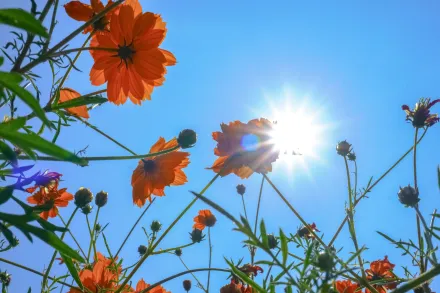
Sunlight is more than a source of light and warmth; it is a powerful driver of a biochemical process in the skin that ultimately influences the health of the immune system. The interaction begins when ultraviolet B rays reach the outer layers of the skin and meet a molecule known as 7-dehydrocholesterol, a cholesterol derivative present in skin cells. This interaction triggers a photochemical reaction that converts 7-dehydrocholesterol into previtamin D3, which then slowly rearranges into vitamin D3, the form that circulates in the bloodstream....