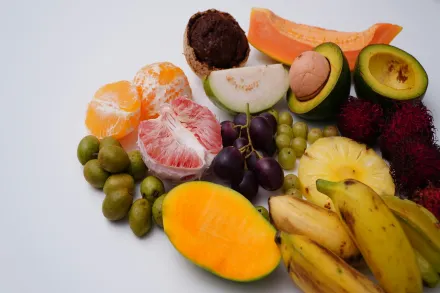
Overview of inflammatory cytokines and the influence of diet
Chronic inflammation is a subtle, persistent condition in which immune signaling molecules known as cytokines maintain a state of low‑grade alert inside the body. Among these messengers, proinflammatory cytokines such as TNF-alpha, interleukin 6, and interleukin 1 beta can become elevated in response to stress, poor sleep, sedentary behavior, and certain dietary patterns. The dietary landscape is not a passive backdrop in this process; it can actively shape the production and activity of these cytokines. When scientists describe how food can modulate inflammation, they are really describing how nutrients and bioactive compounds interact with immune cells, alter gene expression related to inflammatory pathways, and influence the microbiome, all of which can converge on the same signaling networks. This dynamic interplay means that daily meals can tilt the balance toward a calmer inflammatory profile or, conversely, toward heightened signaling that sustains tissue stress over time.
Omega‑3 fatty acids and the signaling of inflammatory molecules
Dietary fats offer a powerful lever for inflammatory signaling through their fatty acid composition and the products derived from them. The long chain omega‑3 fats found in fatty fish such as salmon, sardines, and mackerel, as well as in flaxseeds and chia seeds, can dampen inflammatory messages by altering cell membranes and producing resolvins and protectins that actively resolve inflammation. These fatty acids tend to lower circulating levels of proinflammatory cytokines and can blunt the activation of transcription factors that ordinarily turn up inflammatory genes. The effect is not only on the cytokines themselves but also on the broader inflammatory network that links metabolism, immune function, and tissue health. When consumed regularly, omega‑3 rich foods contribute to a more balanced inflammatory response without turning off essential immune vigilance.
Few dietary choices are as consistently associated with anti-inflammatory signaling as the inclusion of omega‑3 rich foods within a balanced diet. The mechanisms extend beyond simple reductions in cytokine production. Omega‑3 pathways promote the synthesis of specialized proresolving mediators that help clear inflammatory debris and return tissues to homeostasis. This coordinated effect aligns with findings across populations that higher dietary intake of long chain polyunsaturated fats correlates with lower levels of C‑reactive protein and reduced activity of inflammatory transcription factors. The practical implication is straightforward: generous portions of fatty fish a couple of times per week or a plant‑based plan enriched with flaxseeds or walnuts can meaningfully influence the milieu of inflammatory signals in the body.
Antioxidant rich plant foods and their impact on cytokine networks
Vibrant plant foods bring a suite of polyphenols, vitamins, minerals, and fiber that collectively modulate inflammation. Berries, leafy greens, cruciferous vegetables, and colorful fruit provide compounds such as quercetin, kaempferol, resveratrol, anthocyanins, and sulforaphane, each with distinct actions on immune cells. These bioactives can interfere with signaling cascades that lead to the production of interleukin‑6 and tumor necrosis factor alpha, while also supporting the activity of anti‑inflammatory mediators. In addition, the fiber in these foods feeds beneficial gut bacteria, which in turn produce short‑chain fatty acids that help regulate the spectrum of cytokine expression in the intestinal immune system and beyond. The net effect is a dampening of some proinflammatory signals while enhancing regulatory pathways that prevent runaway inflammation.
Food matrices rich in color tend to deliver multiple bioactive compounds in concert, not in isolation. That synergy matters because one compound may modulate a receptor while another alters a gene regulator, creating a more robust influence on cytokine dynamics than any single nutrient could achieve alone. With long‑term patterns of intake, these plant foods contribute to a calmer baseline level of inflammatory messenger molecules and bolster tissue resilience against stressors that might otherwise trigger excessive cytokine release. The practical takeaway is to embrace a variety of plant colors and textures across meals to maximize this polypharmacology without needing to chase single “magic” ingredients.
Spices, herbs, and their modulatory effects on inflammatory pathways
Spices have a storied relationship with inflammation, often anchored in traditional cuisines and increasingly supported by modern science. Curcumin, the principal curcuminoid in turmeric, is among the most studied anti-inflammatory compounds and has been shown to influence cytokine production by modulating key signaling networks such as NF‑kB and mitogen‑activated protein kinases. Ginger contains compounds that can attenuate inflammatory mediators as well, while garlic and onions contribute sulfur‑containing molecules that appear to help calm inflammatory signaling when consumed regularly. Black pepper, through piperine, can improve the absorption of curcumin, enhancing its effect. When these spices are woven into meals rather than used as isolated supplements, their action is integrated with dietary fiber, polyphenols, and fats to shape a more harmonious cytokine profile. This culinary synergy suggests that thoughtfully seasoned dishes can provide meaningful inflammation‑modulating benefits without relying on concentrated extracts alone.
The way these spices work is often incremental and cumulative, reinforcing an overall pattern of reduced signaling through pathways that raise proinflammatory cytokines. They may also support the gut barrier and microbial balance, which in turn influences systemic inflammation. The cumulative effect across a week or a month can translate into measurable shifts in inflammatory markers in diverse populations, including those with metabolic risks or chronic inflammatory conditions. The culinary message is simple: flavor and function can coexist, and well‑seasoned meals can contribute to a calmer immune signaling environment over time.
Fermented foods, probiotics, and the gut‑immune connection
The gut microbiota acts as a central interface between diet and the immune system. Fermented foods such as yogurt, kefir, sauerkraut, kimchi, and miso introduce live cultures that can reshape microbial communities and barrier integrity. A balanced microbiome helps regulate the production of proinflammatory cytokines and supports anti‑inflammatory mediators by improving gut permeability and reducing endotoxin leakage into the bloodstream. Probiotic strains can influence immune cell function and cytokine secretion, with some studies noting reductions in IL‑6 and CRP levels among individuals who regularly consume fermented foods. The gut‑immune axis is a powerful reminder that what happens in the intestines reverberates through the whole body, and dietary choices that nurture microbial diversity and resilience may promote a more favorable cytokine environment.
Beyond live cultures, fermented foods contribute bioactive compounds and acidity that can alter the local environment in the gut, supporting a microbial ecosystem that trends toward tolerogenic signaling. While fermented foods are not a universal remedy, they are a practical component of meals that can help modulate inflammatory tone when integrated consistently with other anti‑inflammatory strategies. The key lies in variety, moderation, and selecting products with real probiotic content and minimal added sugars or processing that could negate beneficial effects. In sum, the fermentation pathway offers both chemical and microbial routes to influence cytokine patterns in a favorable direction.
Whole grains, fiber, and the prebiotic underpinnings of inflammation control
Fiber is a cornerstone of gut health and inflammation management. Soluble fiber, found in oats, barley, legumes, and certain fruits, feeds beneficial microbes and stimulates the production of short‑chain fatty acids like butyrate, which have anti‑inflammatory properties. These metabolites can help regulate gene expression in immune cells and dampen the production of proinflammatory cytokines while supporting the integrity of the gut barrier. Whole grains supply a constellation of nutrients and phytochemicals that complement this fiber‑driven effect, contributing to a composite signal that favors reduced inflammatory signaling. Over time, higher fiber intake is associated with lower levels of circulating cytokines and related inflammatory markers, reflecting a systemic shift toward a less activated inflammatory state.
The fiber story extends beyond digestion. The slower release of sugars from high‑quality carbohydrates helps stabilize blood glucose and insulin responses, which are intertwined with inflammatory signaling. Chronic hyperglycemia and insulin resistance can promote a proinflammatory milieu, so steady energy delivery from whole grains offers a practical mechanism for softening inflammatory responses. A diet anchored by varied grains, legumes, fruits, and vegetables promotes a diverse microbial community that cooperates in maintaining a temperate cytokine environment. This microbial choreography is an important piece of the broader effort to manage inflammation through everyday eating patterns.
Protein sources, amino acids, and inflammatory balance
Protein choices matter for inflammatory signaling because certain amino acids and the overall protein load influence immune function. Lean proteins such as poultry, fish, eggs, and dairy provide essential amino acids necessary for tissue repair and immune competence without providing excess saturated fat that can provoke inflammatory responses when consumed in excess. Plant‑based proteins from beans, lentils, and soy can offer similar amino acid profiles while delivering fibers and phytochemicals that support a favorable cytokine balance. The raw material for immune cells includes not only calories but also precise building blocks that shape cellular function, and a diet that emphasizes diverse, quality protein sources supports balanced inflammatory signaling. The emphasis is on moderation and variety, ensuring that meals contribute to sustained energy, muscle maintenance, and immune readiness without tipping the scale toward excessive inflammatory activation.
In practice, this means thinking about protein as an element of a broader anti‑inflammatory pattern rather than as a stand‑alone solution. Pairing proteins with fiber‑rich vegetables, healthy fats, and potent plant compounds can amplify beneficial effects on cytokine regulation. It also means paying attention to processing and fat content, since highly processed meats and ultra‑refined proteins can carry additives and fats that complicate inflammatory responses. By choosing minimally processed protein sources and balancing them with anti‑inflammatory side dishes, a daily plate can contribute to lower production of proinflammatory cytokines over time.
Daily plate concepts and practical meal integration
Constructing meals that favor a reduction in inflammatory cytokines involves weaving together components that supply omega‑3 fats, antioxidant phytochemicals, fiber, and high‑quality protein. A typical pattern may include a base of leafy greens and colorful vegetables dressed with olive oil, a portion of fatty fish or a plant‑based protein, whole grains or legumes providing fiber, and a splash of spice such as turmeric or ginger to introduce additional anti‑inflammatory compounds. A serving of berries or citrus can add polyphenols and vitamin C, while fermented foods contribute probiotic benefit. The combined effect is not a single nutrient acting in isolation but a holistic dietary mosaic that gently steadies immune signaling and supports tissue resilience. In practical terms, people can rotate seafood choices, diversify vegetables across the color spectrum, and incorporate a couple of culinary spices into weeknight meals to harness the synergies described above without feeling restricted or depriving themselves of flavor.
Another layer of practicality comes from how meals are prepared. Gentle cooking methods, like steaming, sautéing with modest amounts of healthy fats, or simmering soups and stews, help preserve nutrient integrity and the activity of delicate polyphenols. Fresh herbs, garlic, and onions can be added at the end of cooking to maximize flavor and preserve bioactive compounds. Mindful portion sizes and a preference for whole foods over ultra‑processed options further support a favorable inflammatory profile through both direct effects on cytokines and indirect benefits related to weight management, metabolic health, and sleep quality. The goal is to foster a sustainable pattern that aligns with cultural preferences, budget considerations, and personal tastes while consistently nudging inflammatory signaling toward a calmer equilibrium.
Interpreting the evidence and personalizing choices
Evidence from diverse studies suggests that dietary patterns rich in plant foods, healthy fats, and minimally processed ingredients can contribute to lower levels of inflammatory cytokines in many individuals. However, responses vary between people due to genetics, microbiome composition, lifestyle, and existing health conditions. For this reason, a flexible approach is best: start with a foundation of vegetables, fruits, whole grains, legumes, nuts, seeds, and a source of omega‑3 fats, then observe how the body responds to specific foods or meals. Keeping a simple diary of meals alongside any available health markers can help identify patterns and guide adjustments. The emphasis should be on long‑term dietary habit changes rather than short‑term experiments, recognizing that sustained consistency often yields more meaningful shifts in inflammatory cytokine signaling than isolated pills or quick fixes.
The broader context includes adequate sleep, regular physical activity, and stress management, all of which intersect with nutrition to influence cytokine dynamics. Adequate sleep supports hormonal balance that can indirectly affect inflammatory responses, while regular movement reduces chronic low‑grade inflammation. Stress reduction techniques, such as mindful eating, relaxation practices, and social connectedness, also contribute to a calmer inflammatory milieu by modulating neural and hormonal pathways that feed into immune signaling. When nutrition is aligned with healthy lifestyle habits, the combined effect on cytokines can be stronger and more durable, reinforcing the idea that foods do not act alone but as part of an integrated approach to health and resilience.
In summary, a diet that emphasizes omega‑3 rich foods, antioxidant plant foods, spices with proven anti‑inflammatory properties, fermented products that support gut health, fiber‑rich grains and legumes, and a balanced portfolio of protein sources can shape the cytokine landscape toward reduced proinflammatory signaling. While no single ingredient guarantees dramatic changes, the cumulative effect across meals and days builds a dietary pattern that supports tissue health, metabolic balance, and immune steadiness. This approach respects individual taste, cultural traditions, and practical realities, inviting a long‑term partnership with food that fosters a calmer, more resilient inflammatory profile for everyday life.