Winter arrives with shorter days, cooler air, and the rhythmic hum of indoor heat that changes the way our bodies interact with the surrounding environment. In this season, the immune system faces a unique set of pressures. The cold can slow certain physiological processes, while dry indoor air can irritate the mucosal surfaces that act as the first line of defense against invading pathogens. At the same time, people tend to spend more time indoors in close proximity, which increases the chance of respiratory droplets passing between individual...
Prevention & Immunity
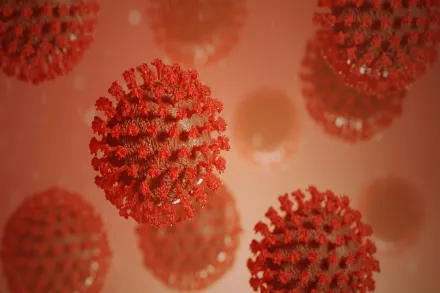
Viral infections spread in various settings, from crowded spaces to close family interactions, and while vaccines and medical interventions are essential, there are natural strategies that can bolster the body's defenses and limit exposure risk. This article explores a holistic approach that emphasizes consistent habits, sound nutrition, and mindful living as a complement to medical guidance. The core idea is not to promise immunity but to create conditions that support the immune system, reduce the chances of viral entry, and help the body res...
In the quiet hours when the world slows down, the body is not simply resting but actively repairing, tuning, and recalibrating its defenses. Sleep is not a passive state but a dynamic period during which the immune system edits and strengthens its response to potential threats. The relationship between sleep and immunity is intricate and bidirectional: the immune system can influence sleep, and sleep can influence immune processes in meaningful and measurable ways. Understanding this relationship helps explain why a good night’s rest can feel l...
Begin with the idea that health in early life is built on simple, repeatable routines that fit into daily life. Handwashing remains a cornerstone, using soap and water for at least twenty seconds, especially before meals and after using the bathroom or touching animals. Families can set up a small ritual that uses a visual cue to remind children to wash hands after returning home from outside or after school activities. The act of scrubbing under fingernails and between fingers reduces transmission of viruses and bacteria that commonly cause co...
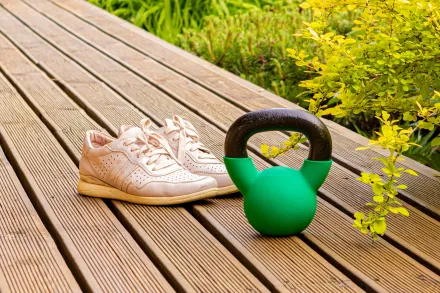
Chronic illness represents a broad landscape of long lasting health conditions that persist across years and often accumulate risk through a combination of genetics, lifestyle, and environment. Diseases such as cardiovascular disease, type 2 diabetes, certain cancers, chronic respiratory conditions, and neurodegenerative disorders collectively contribute to mortality and disability on a global scale. Within this landscape, physical activity emerges as a powerful modifiable factor that can shift trajectories. When people engage in regular moveme...
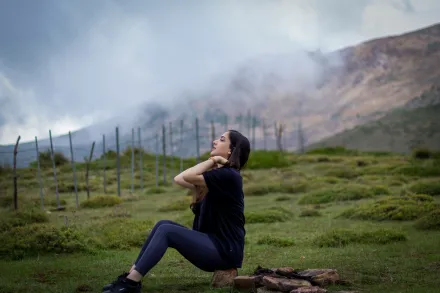
Stress touches nearly every person at some point, and the modern world seems designed to amplify it through constant information, interruptions, deadlines, and social pressures. Yet across cultures and centuries, people have turned to two accessible tools that can soften the grip of stress: yoga and intentional breathing. These practices do not promise instant elimination of all tension, but they offer a reliable language to observe the body, influence the nervous system, and cultivate a steadier inner state that supports clearer thinking, bett...
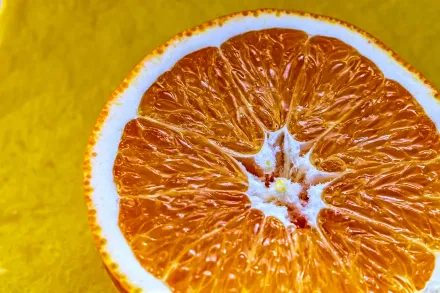
Vitamin C, also known as ascorbic acid, is a small, water‑soluble molecule that travels through the bloodstream to reach immune cells throughout the body. It acts as a potent antioxidant and as a cofactor for enzymes involved in several cellular processes. In the context of white blood cells, vitamin C helps cells survive oxidative stress, supports signaling pathways, and enhances the capacity of the immune system to respond to invading pathogens. This overview introduces how vitamin C influences the life cycle and function of white blood cells...
In the cycle of seasonal illnesses, many people seek practical guidance that emphasizes natural strength rather than quick fixes. The idea of preventing cold and flu naturally rests on supporting the body’s own defenses through daily habits, thoughtful choices, and environments that reduce exposure to pathogens while promoting overall wellbeing. When we speak about prevention, we are talking about a combination of sleep, nutrition, movement, hygiene, and mindful routines that help the immune system recognize threats, respond efficiently, and re...
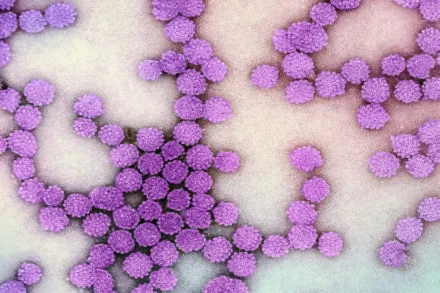
In the modern world the spread of viral infections is influenced by a complex interplay of biological factors environmental conditions daily habits and social patterns. This article explores approaches that people can adopt in daily life to reduce the likelihood of catching or transmitting viruses through natural means. It emphasizes a holistic view that strengthens the body’s defenses while fostering protective routines that fit into everyday living rather than relying on isolated measures. The goal is to describe scalable practices that are a...
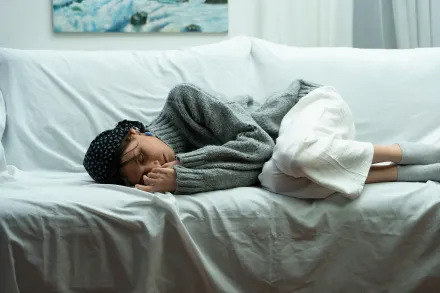
Sleep is not simply a passive state of rest but a dynamic, active process that orchestrates a complex array of physiological systems. When the body slips into sleep, a cascade of hormonal, metabolic, and cellular events unfolds that tunes the immune system to be vigilant against infections while preserving energy for healing and maintenance. The relationship between sleep and immunity is bidirectional: immune signals influence sleep patterns, and sleep in turn shapes how the immune system responds to threats. This intricate dialogue helps expla...