Immunity is not a single force that suddenly surges to protect us at the moment of danger. It is a complex, interconnected system that operates around the clock, constantly sampling the environment, recognizing harmless substances, and mounting defenses when needed. Our daily habits quietly shape the readiness of immune cells, the resilience of barrier tissues, and the balance of the gut microbiome that continually interacts with the immune system. When we frame immunity as a living practice rather than a fixed state, it becomes clear that smal...
Prevention & Immunity


Hydration is a foundational element of health that influences nearly every organ system, from the brain to the gut, the kidneys to the skin. Water acts as a universal solvent, a transport medium for nutrients and waste, and a regulator of temperature and biochemical reactions. The body’s fluid balance is a dynamic state that responds to climate, activity level, dietary composition, and underlying health conditions. When hydration remains adequate, the body can sustain efficient circulation, robust mucosal barriers, and stable electrolyte concen...

In childhood, the risk of infection is shaped by how germs move from one person to another, how the body's defenses respond, and the environments children encounter daily. In homes, preschools, and playgrounds, droplets from coughing or sneezing, contact with contaminated surfaces, and close physical proximity create numerous opportunities for germs to spread. The same pathogens may cause mild colds in some children while producing more serious illness in others depending on age, health status, and the presence of underlying conditions. By reco...

In the human body, immune cells act as sentinels and workers, constantly scanning for potential threats and orchestrating responses that protect tissues and organs. The efficiency with which these cells respond is not only dictated by genetics and underlying health conditions but is profoundly influenced by what we eat and drink each day. Nutrition provides the substrates that immune cells need to proliferate, differentiate, communicate with other cells, and deploy molecules that neutralize invaders. When the diet emphasizes nutrient density, d...
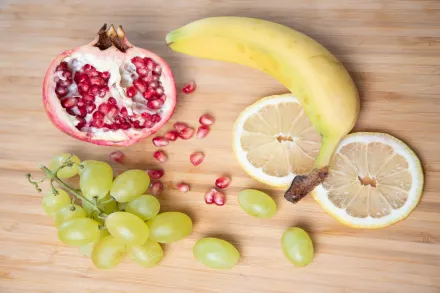
White blood cells stand as the guardians of the body's internal environment, constantly patrolling the bloodstream and tissues to detect pathogens, damaged cells, and foreign invaders. The repertoire includes several distinct players such as neutrophils, which provide rapid frontline defense through enlisting and surrounding microbes, and lymphocytes, which coordinate targeted immune responses and create immunological memory. Macrophages perform cleanup and orchestration, while natural killer cells act as vigilant sentinels against abnormal cel...

Inflammation is a natural and essential response of the body designed to protect tissue and promote healing when cells are injured or under attack. In its acute form, it is a protective mechanism that signals immune cells to the site of trouble, curbing damage, clearing debris, and initiating repair. But when inflammation becomes chronic, it can quietly erode health, contributing to a spectrum of conditions ranging from heart disease and diabetes to autoimmune disorders and mood disturbances. This comprehensive exploration invites readers to co...

In the rhythms of daily life stress often arrives as a byproduct of deadlines, responsibilities, and social pressures. It is not merely a mental state but a multisystem signal that travels through the brain, the nervous system, and the immune apparatus. The idea that stress management could influence immune defense is not a rumor but a convergence of physiology, psychology, and clinical observation. When people cultivate ways to cope with stress, they do not merely feel calmer in the here and now; they can shift the way their body allocates ene...
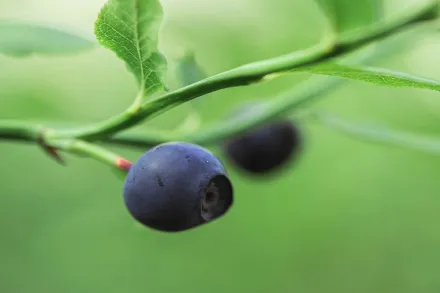
Across centuries and continents, elderberry has traveled from rustic remedies into contemporary wellness discussions, often portrayed as a natural ally during immune challenges and seasonal fluctuations. The berries, flowers, and extracts derived from the elder plant carry a reputation for supporting the body's defenses, providing antioxidant support, and contributing to a sense of balance when everyday stressors accumulate. This enduring presence in folk medicine has inspired scientific inquiry that aims to translate traditional observations i...

The human immune system operates as a complex network that defends the body against pathogens, repairs tissue, and maintains internal balance. Immune health is not static; it responds to a wide array of signals from the mind and body. In recent years a growing body of research has explored how contemplative practices, and meditation in particular, can influence immune function by shaping the environment in which immune cells operate. This article presents a careful, evidence‑based look at the ways meditation may support immune processes, the me...
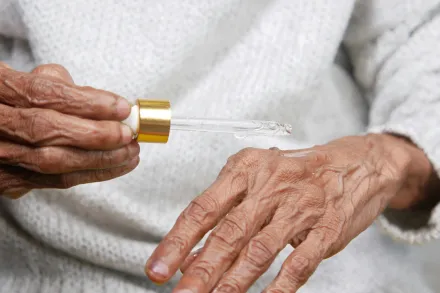
In the human body, the immune system changes as time passes, and these changes are not uniform across people. The process commonly described as immunosenescence refers to the gradual decline in the generation of new immune cells and the diminished ability of existing cells to respond to invaders. Alongside this, chronic, low-grade inflammation known as inflammaging tends to accompany aging and can dampen the efficiency of protective responses. The thymus, an organ critical for producing naive T cells, tends to shrink with age, leading to fewer ...