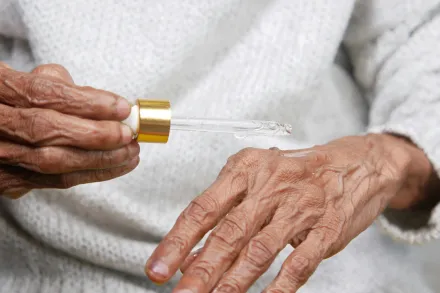
Understanding the aging immune system
In the human body, the immune system changes as time passes, and these changes are not uniform across people. The process commonly described as immunosenescence refers to the gradual decline in the generation of new immune cells and the diminished ability of existing cells to respond to invaders. Alongside this, chronic, low-grade inflammation known as inflammaging tends to accompany aging and can dampen the efficiency of protective responses. The thymus, an organ critical for producing naive T cells, tends to shrink with age, leading to fewer fresh immune cells circulating at any given moment. At the same time, there can be shifts in the balance of immune cell types, with some populations becoming more inflammatory while others lose vigor, which collectively reshapes how the body recognizes and fights pathogens. This foundational understanding helps explain why vaccines sometimes work less robustly in older adults and why infections can progress more rapidly, but it also sets the stage for strategies that can preserve immune competence through lifestyle and medical care.
There is substantial variation among individuals in how quickly these changes occur, and a person’s early life experiences can leave a lasting imprint on immune function. Factors such as prior infections, exposure to environmental stressors, nutrition in childhood, and even the pace of growth during adolescence can influence the reserve of immune cells available in later years. Genetics play a role, but the environment, social determinants of health, and access to preventive care create a mosaic that determines how well an older adult defends against common pathogens. Recognizing this diversity is important because it means that prevention strategies can be tailored to the person rather than applied as a one-size-fits-all prescription, and it invites careful attention to modifiable factors that shape immune resilience over decades.
Nutrition that supports immune resilience
Nutrition stands as a foundational pillar in shaping immune readiness across the lifespan, and aging can heighten the importance of deliberate dietary choices. Adequate protein provides the amino acids needed to build and repair immune cells, while a steady supply of energy supports the metabolic demands of immune surveillance and response. Micronutrients such as zinc, iron, selenium, selenium, copper, vitamins A, C, D, and the B vitamins play distinct roles in the development and function of immune cells and the signaling networks that coordinate defense. In older adults, maintaining a nutrient-dense pattern can counterbalance the tendency toward frailty and sarcopenia while supporting the immune system’s capacity to recognize and address threats without triggering excessive inflammation.
Dietary decisions that emphasize a diverse array of fruits, vegetables, whole grains, lean proteins, and healthy fats help supply antioxidants and polyphenols with potential anti-inflammatory effects. Omega-3 fatty acids from fatty fish or plant-based sources contribute to membrane fluidity and may modulate inflammatory pathways linked to aging. Adequate hydration is also essential because dehydration can impair mucosal barriers and metabolic processes critical to immune function. When appetite is reduced, nutrient-dense foods and appropriately fortified options can help maintain essential vitamins and minerals without overburdening the digestive system. In this context, a balanced, varied diet that emphasizes minimally processed foods can be a sustainable means to sustain immune readiness over the years.
Physical activity and immune function
Engaging in regular physical activity exerts broad protective effects on health, and its influence on the immune system is multifaceted. Moderate aerobic exercise, performed consistently, can enhance circulation, which supports immune surveillance by allowing immune cells to patrol the body more effectively. Strength training preserves muscle mass, improves metabolic health, and reduces chronic inflammation that can wear down immune efficiency over time. Importantly, the benefits of exercise extend beyond the cardiovascular system; they also foster healthy adipose tissue function and insulin sensitivity, both of which influence immune signaling. For older adults, a program that blends aerobic activity with resistance exercises, adapted to current fitness and medical conditions, tends to yield the most robust improvements in resilience without undue risk.
Beyond the physical benefits, movement can improve sleep quality and mood, both of which play critical roles in immune health. Restorative sleep supports the production of immune mediators such as cytokines involved in defense, while reducing the likelihood that chronic stress will disrupt immune regulation. It is wise to listen to the body, allow for rest days, and seek guidance when new exercise modules are introduced, particularly for individuals with joint concerns, cardiovascular disease, or other chronic conditions. When structured thoughtfully, physical activity becomes a practical, enjoyable habit that gradually strengthens the body’s capacity to respond to immune challenges.
Sleep and stress management
Sleep is a fundamental regulator of immune function, and aging can alter sleep architecture in ways that influence immune cell activity and cytokine balance. Consistently achieving sufficient, high-quality sleep supports the maintenance of lymphocyte counts, improves vaccine responses, and helps regulate the inflammatory milieu that can become overactive with age. In addition to quantity, sleep quality matters; regular sleep-wake schedules, dark and quiet environments, and routines that minimize nighttime awakenings contribute to more stable immune signaling. Chronic stress, on the other hand, can disrupt the hypothalamic-pituitary-adrenal axis and elevate cortisol, which may suppress certain immune functions and amplify inflammation. Mindful practices, social connection, and effective time management can mitigate stress, supporting healthier immune dynamics.
Adopting a routine that prioritizes restorative sleep and resilient stress management yields benefits that echo through immune performance, metabolic health, and cognitive function. Simple actions such as winding down pre-sleep routines, limiting stimulants late in the day, and leveraging relaxation techniques can collectively sharpen the body’s ability to mount a measured and appropriate immune response when a challenge arises. When sleep and stress are well managed, the body is better prepared to handle infections, recover quickly, and maintain a balanced immune system that avoids excessive inflammation that can accompany aging.
Gut health and microbiome
The gut microbiome serves as a dynamic interface between the outside environment and the immune system, shaping protective responses and tolerance alike. Age-related shifts in microbial composition can influence barrier function, nutrient metabolism, and inflammatory signaling. A diet rich in dietary fiber nourishes beneficial bacteria that produce short-chain fatty acids, compounds that help regulate immune cells and reinforce intestinal integrity. Fermented foods, yogurt, and other probiotic-containing products can support a diverse microbial ecosystem, while a reduction in ultra-processed foods may further stabilize gut health. In older adults, preserving gut diversity and function is linked to more robust vaccine responses, lower infection risk, and improved overall well-being.
Fiber and plant-based foods also promote a steady release of nutrients and improve gut motility, reducing the risk of constipation that can compromise overall health. Hydration again plays a role by maintaining mucosal barriers and aiding digestion. The microbiome’s influence on the immune system is bidirectional, meaning a responsive immune system can in turn shape microbial communities through inflammation and antimicrobial responses. Therefore, nurturing gut health becomes a practical, daily approach to supporting immune resilience as people age, with benefits that extend to energy, mood, and metabolic control as well as infection defense.
Vaccination and preventive care in aging
Preventive measures, including vaccination, retain a central place in protecting older adults from infectious diseases. Immunosenescence can blunt vaccine responses, but vaccines remain highly valuable tools to reduce severe illness, hospitalization, and death from flu, pneumonia, and other contagious diseases. Healthcare providers often tailor vaccination plans to age, exposure risk, and underlying health conditions, improving overall protection. In some cases, booster schedules or higher-dose formulations are recommended to elicit a stronger immune response. Preventive care also encompasses routine screenings, dental health, vision and hearing checks, and management of risk factors that can indirectly influence immune health, such as obesity, diabetes, and cardiovascular disease. A proactive approach to vaccines and prevention supports sustained immune readiness across the lifespan.
Older adults should engage in open conversations with their clinicians about vaccines, wait times, potential side effects, and any contraindications related to medications. It is also important to consider how other treatments, such as steroids or immunomodulatory drugs, might interact with vaccines. Planning ahead for travel, seasonal outbreaks, and household exposures can help individuals time vaccinations and preventive strategies to maximize effectiveness. By integrating vaccination with good nutrition, sleep, activity, and chronic disease management, the immune system gains a fortified shield against threats while maintaining balance to prevent overreaction or autoimmune tendencies.
Managing chronic conditions and medications
Chronic diseases such as diabetes, cardiovascular disease, or chronic lung conditions can influence immune function and complicate responses to infection. Metabolic health supports immune efficiency; conversely, insulin resistance and obesity are associated with chronic low-grade inflammation that can impair immune regulation. A comprehensive approach that includes weight management, blood pressure control, and lipid management helps reduce inflammatory burden and bolsters defense mechanisms. Medication use also deserves careful attention. Some drugs, including certain immunosuppressants, steroids, and long-term antibiotics, can modulate immunity in ways that require monitoring by healthcare professionals. Minimize unnecessary medications and review all prescriptions with a clinician to ensure that drug choices align with immune goals and overall health.
For older adults, coordinated care that respects patient preferences, monitors drug interactions, and prioritizes medications with immunomodulatory effects can preserve immune function while maintaining quality of life. Regular communication with doctors, pharmacists, and caregivers helps identify potential issues early, adjust dosages appropriately, and prevent adverse events that could compromise immune resilience. By aligning disease management with immune health, individuals can maintain a more robust defense without sacrificing independence or daily function.
Lifestyle habits and toxin exposure
Healthy lifestyle choices have outsized effects on immune function, and small, consistent changes can accumulate into meaningful protection. Smoking cessation is perhaps the most impactful step, as tobacco use damages mucosal barriers, shifts inflammatory profiles, and increases susceptibility to respiratory infections. Reducing alcohol intake to moderate levels supports liver function, nutrient absorption, and immune signaling, avoiding the chronic inflammatory state that excess alcohol can provoke. Limiting exposure to environmental toxins, such as air pollutants and certain industrial chemicals, helps maintain the integrity of the immune system’s frontline defenses, particularly in the lungs and skin, which serve as primary interfaces with the external environment.
Maintaining a healthy weight through balanced meals and regular activity reduces metabolic stress and lowers inflammatory burden, creating a more hospitable milieu for immune cells. These lifestyle choices also enhance energy levels, mood, and cognitive function, which in turn support consistent engagement with preventive care and daily immune-supportive habits. By integrating these changes into routines, older adults can create a protective backdrop that sustains immune resilience even as age advances.
Immune support at home: daily routines and environments
Creating an environment and routine that consistently supports immune health is a practical pursuit for aging individuals and their caregivers. Simple steps such as frequent hand hygiene, gradual exposure to fresh air, and steady day-night cycles help maintain barrier integrity and prevent infection transmission. Social connection serves as a powerful, nonpharmacologic immune modulator; meaningful interactions reduce loneliness-related stress and improve immune signaling. Sunlight exposure, within safe limits, supports vitamin D production, which has roles in immune modulation. Moreover, having a predictable daily rhythm reduces stress and improves sleep, work, and exercise adherence. A home that emphasizes clean spaces, healthy food preparation, and accessible physical activity creates fertile ground for immune resilience.
Practical routines can include regular meals that coordinate protein and micronutrient intake, scheduled physical activity shared with family or community programs, and quiet periods for stress-reducing practices such as meditation or gentle breathing exercises. Creating a supportive social network, having contingency plans for health emergencies, and ensuring access to timely medical advice all empower older adults to maintain immune health without feeling overwhelmed. The home thus becomes a foundation for sustained health, where small, consistent actions accumulate into lasting protective effects against immune decline.
Personalized approaches and consulting healthcare providers
Because immune aging does not proceed identically in every person, personalized strategies that consider genetics, medical history, lifestyle, and environmental exposures tend to be most effective. A clinician can help interpret laboratory tests that reflect immune status, such as lymphocyte subsets, inflammatory markers, nutritional vitamin and mineral levels, and functional assessments of respiratory and integrative health. Targeted interventions may include tailored nutrition plans, specific physical activity prescriptions, sleep optimization, and adjustments to medications that influence immune tone. In some cases, genetic or cellular tests may guide decisions about vaccination schedules, booster timing, or the consideration of emerging therapies within safe, evidence-backed frameworks. Emphasizing individualized care fosters a more precise and proactive stance against immune decline.
Engaging in shared decision-making with healthcare professionals ensures that goals align with personal values and daily life realities. It also creates opportunities to monitor how immune function responds to interventions over months and years, rather than reacting only after illnesses occur. A careful, ongoing partnership between older adults and their care teams can sustain immune health while maintaining independence, mobility, and enjoyment of daily activities.
Emerging science and future directions
Scientific exploration into aging and immunity continues to illuminate potential paths to preserve function for longer. Researchers investigate cellular processes such as cellular senescence, telomere dynamics, and metabolic regulators that influence immune cell aging. Experimental approaches explore approaches to rejuvenate immune compartments, including strategies that aim to restore thymic output or optimize T cell diversity. While some ideas remain in early development, others are already informing clinical trials and therapeutic planning. It is essential to balance optimism with caution, recognizing that not all interventions will prove safe or effective for widespread use. The evolving landscape invites thoughtful integration of validated advances into everyday practice as evidence strengthens.
Understanding that aging is a multifactorial process helps frame these advances as complements to lifestyle and preventive care rather than miracle cures. Future directions may include personalized vaccines, more precise immune-support regimens, and noninvasive monitoring tools that empower people to track immune resilience in real time. The promise of science is to expand options while maintaining a strong emphasis on safety, individual preferences, and equitable access so that broader populations can benefit from innovations without undue risk.
Common myths and practical takeaway
Misconceptions about aging and immunity can hinder progress if they lead to fatalism or unnecessary roughness in daily life. A frequent myth is that aging inevitably means a severely weakened immune system with no room for improvement. In reality, while aging changes immune dynamics, many aspects of immune health are modifiable through nutrition, activity, sleep, stress management, and preventive care. Another misconception is that supplements alone can compensate for deeper lifestyle factors; evidence supports targeted, evidence-based use of micronutrients when deficiencies exist, but supplements are not a substitute for healthy daily habits. A practical takeaway is to view immune health as the outcome of a tapestry of choices, where consistency matters more than intensity of any single intervention.
Adopting a holistic mindset helps older adults approach immune health without fear or simplistic thinking. Cultivating balanced meals, regular movement, sufficient rest, social connectedness, and prudent medical care creates a sustainable framework that supports immune resilience. By focusing on attainable daily routines and seeking professional guidance when needed, individuals can influence how their immune system ages, preserving vitality and reducing vulnerability to infection. This approach respects personal circumstances while offering a realistic path toward stronger immunity across the later years of life.
Implementation, daily routines, and long-term mindset
Transforming knowledge into action requires a patient, gradual approach that respects personal capacity and medical realities. Start with small, manageable changes that fit into existing routines, such as introducing a protein-rich snack, adding vegetables to meals, or scheduling a short walk after meals. Pair these changes with reliable sleep practices, a consistent wake time, and a wind-down routine that fosters restful sleep. Build social support by engaging in safe, supervised group activities or family-based programs that encourage movement and shared meals. As these habits take hold, gradually incorporate preventive care steps, including staying up to date with vaccines, discussing nutrient adequacy with a clinician, and monitoring chronic conditions. Over time, they can collectively fortify immune function without creating overwhelm.
Consistency and patience are essential, as immune aging unfolds over years and responds to cumulative patterns rather than quick fixes. Keeping a health journal that tracks sleep, mood, activity, and dietary intake can illuminate links between daily choices and how one feels during illness or recovery. In addition, seeking reliable sources of information, asking questions at medical visits, and aligning goals with personal values helps sustain motivation. The long view reveals that deliberate, incremental changes, supported by professional guidance, can meaningfully influence how the immune system ages and how well a person remains resilient in the face of infectious challenges.
Final reflection: fostering resilience across the lifespan
Protecting immune health as age advances is a practical, proactive undertaking that integrates science, everyday habits, and compassionate care. By understanding how aging shapes immunity, individuals can tailor strategies to support defense mechanisms while honoring overall well-being. A balanced lifestyle that emphasizes nutrition, movement, rest, social connection, preventive care, and thoughtful management of chronic conditions lays the groundwork for enduring resilience. The goal is not perfection but consistency, small improvements pursued with purpose, and ongoing collaboration with healthcare providers to adapt plans as circumstances evolve. In this way, immune function can be preserved, infections can be better managed, and the experience of aging can be lived with greater vitality and confidence.