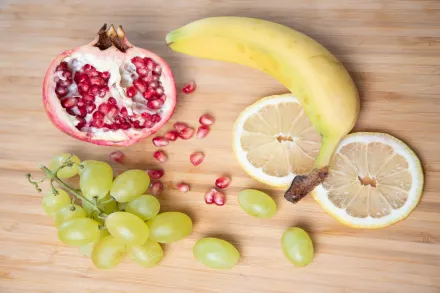
Foundations of immune power and the nutrition connection
White blood cells stand as the guardians of the body's internal environment, constantly patrolling the bloodstream and tissues to detect pathogens, damaged cells, and foreign invaders. The repertoire includes several distinct players such as neutrophils, which provide rapid frontline defense through enlisting and surrounding microbes, and lymphocytes, which coordinate targeted immune responses and create immunological memory. Macrophages perform cleanup and orchestration, while natural killer cells act as vigilant sentinels against abnormal cells. Nutrition has a profound influence on both how these cells are produced in the bone marrow and how effectively they execute their duties once deployed. Adequate energy and a spectrum of micronutrients support the maturation, mobilization, and functional competence of each white blood cell lineage, which in turn affects chemotaxis, phagocytosis, antigen presentation, and cytokine signaling. Contemporary dietary patterns reveal that certain foods can enhance antioxidant protection, stabilize cell membranes, and promote the signaling networks that guide immune responses, while not overstimulating inflammatory pathways. In practical terms, a diverse diet rich in colorful fruits and vegetables, high-quality proteins, healthy fats, and fortified foods often contributes to a sturdier immune baseline. When people face stress, illness, or aging, maintaining this nutritional foundation can help preserve the resilience of white blood cells and the speed at which they respond to challenges. The goal of this examination is to explore foods that have meaningful, real-world effects on immune function without promising magical cures, but rather supporting a balanced physiological framework for white blood cell performance.
Vitamin C and the antioxidant shield that powers immune cells
Vitamin C emerges as a cornerstone nutrient with broad effects on white blood cells, from protecting cell membranes against oxidative damage to enhancing several critical steps in the immune process. As an antioxidant, it helps shield the cells involved in phagocytosis from reactive oxygen species that can damage cellular components during microbial attack. It also participates in the regeneration of other antioxidants, supporting the persistence of immune cells during prolonged responses. In addition, vitamin C has been associated with improved neutrophil function, including chemotaxis and microbial killing, while potentially supporting lymphocyte proliferation and function during immune challenges. Foods rich in vitamin C encompass citrus fruits, bell peppers, kiwifruit, strawberries, and leafy greens, as well as broccoli and Brussels sprouts. Regular consumption of these foods can help maintain steady plasma levels of ascorbate, which in turn may bolster the integrity of the immune barrier and the efficiency with which white blood cells respond to invading organisms. Importantly, vitamin C is water-soluble and generally safe at typical dietary intakes, making it a practical component of a daily immune-supporting strategy that emphasises diversity and color on the plate.
Zinc and copper: building blocks for immune signaling and cell activity
Minerals such as zinc play a central role in the maturation and function of a broad spectrum of white blood cells. Zinc is essential for the development of neutrophils and lymphocytes in the bone marrow and may affect the cytotoxic activity of natural killer cells. It participates in the signaling pathways that guide phagocytosis and cytokine production, helping to ensure that immune cells respond with appropriate speed and intensity to pathogens. Copper, often present in balance with zinc through dietary sources such as shellfish, whole grains, and seeds, supports the maintenance of an effective antioxidant network, which helps white blood cells manage oxidative stress during pathogen clearance. Foods rich in zinc include oysters, beef, pumpkin seeds, lentils, and fortified cereals; sources of copper include shellfish, whole grains, nuts, and seeds. A diet that regularly includes these minerals, within recommended amounts, supports the architecture of immune responses by helping both the generation and the effective action of key white blood cell types.
Iron and folate: fueling hematopoiesis and the immune repertoire
Iron and folate are pivotal for hematopoiesis, the process that yields mature blood cells including white blood cells. Iron supports the rapid proliferation of progenitor cells in the bone marrow, a critical step for maintaining adequate circulating neutrophil and lymphocyte counts. Folate, a B vitamin also known as folic acid in fortified foods, supplies the one-carbon units necessary for DNA synthesis, a foundation for the replication of immune cells during infection or inflammatory challenges. While excess iron can be harmful in certain contexts, adequate dietary iron from lean meats, beans, lentils, fortified cereals, and some greens, coupled with folate from leafy vegetables and fortified grains, helps preserve the pool of immune cells ready to respond. Given the variability in iron needs, particularly among women of childbearing age and individuals with certain dietary patterns, a balanced approach that emphasizes plant sources of iron alongside vitamin C-containing foods to boost absorption is often a prudent strategy for supporting white blood cell production and maintenance.
Selenium and antioxidants: stabilizing immune cell function
Selenium is a trace element that becomes incorporated into selenoproteins with roles in antioxidant defense and redox regulation, processes intimately linked with immune cell health. Adequate selenium supports the function of neutrophils and lymphocytes and may influence the cytotoxic activity of natural killer cells. The presence of selenium helps to temper oxidative stress during immune responses, allowing white blood cells to operate efficiently without excessive self-damage. Brazil nuts are famously high in selenium, but other good sources include fish such as tuna and sardines, eggs, and whole grains. A diet that includes these foods in moderate, regular amounts can contribute to a steady selenium status, which in turn may help sustain the readiness and resilience of white blood cells during periods of increased demand, such as during infections or inflammatory states.
Vitamin D and the immune modulation of white blood cells
Vitamin D acts as a hormone-like regulator of immune function, influencing the activity of several white blood cell types, including monocytes, macrophages, and T cells. Sufficient vitamin D status supports a balanced inflammatory response and may enhance the efficiency of pathogen recognition and clearance. Food sources of vitamin D are more limited than other micronutrients, with fatty fish such as salmon and mackerel, fortified dairy products, and fortified plant milks providing practical dietary options. In addition to dietary intake, sun exposure contributes to vitamin D synthesis in the skin, offering a complementary pathway to sustain immune cell readiness. For individuals who rely primarily on dietary means to maintain vitamin D, regular inclusion of fatty fish and fortified foods can assist in preserving the barometer of immune function, particularly during seasons with reduced sunlight or in populations with limited sun exposure.
Omega-3 fatty acids: modulating inflammation and immune cell behavior
Omega-3 fatty acids, notably eicosapentaenoic acid and docosahexaenoic acid, influence the inflammatory milieu in which white blood cells operate. Rather than simply stimulating or suppressing immunity, these fats help shape the quality of responses by tempering excessive inflammation while preserving the ability to mount effective defenses. This nuanced effect can support macrophage performance and reduce collateral tissue damage during infection. Sources include fatty fish such as salmon and sardines, as well as flaxseeds, chia seeds, and walnuts. Incorporating these fats into meals alongside a broad spectrum of other micronutrients can help ensure that white blood cells have the right context to function optimally without tipping toward chronic inflammatory states. A diet rich in omega-3s complements the other immune-supporting nutrients discussed here, creating a more harmonious immune environment.
Vitamin A and carotenoids: guardians of mucosal barriers and cellular function
Vitamin A and its provitamin A carotenoids contribute to the integrity of mucosal barriers, which are first lines of defense in preventing pathogen entry. Beyond barrier maintenance, this nutrient supports the maturation and function of immune cells in gut-associated tissues, where a large portion of immune activity unfolds. Foods rich in beta-carotene and other carotenoids include leafy greens, orange and yellow vegetables, and fruits such as mangoes and cantaloupe. Cooking these foods can improve the bioavailability of carotenoids, and the inclusion of healthy fats can aid their absorption. Through maintaining mucosal defenses and supporting cell signaling, vitamin A helps white blood cells respond more effectively when invading microbes breach primary barriers, thereby playing a foundational role in comprehensive immune competence.
Polyphenols and colorful plant foods: a broad spectrum of immune benefits
Polyphenols, a diverse family of phytochemicals found in berries, grapes, apples, onions, tea, cocoa, and many herbs, contribute to immune health through multiple mechanisms. They act as antioxidants, support endothelial function, and modulate signaling pathways that guide inflammation and immune cell communication. Some polyphenols have been shown to enhance the activity of macrophages and natural killer cells, while others help stabilize membranes and protect neutrophils during respiratory bursts. A diet rich in a wide variety of colorful fruits and vegetables thereby supports white blood cell function not by a single nutrient but through a network of compounds that work together to sustain cellular health and resilience. Including a daily rotation of berries, leafy greens, colorful peppers, and a range of herbs and spices can enrich this polyphenol load in a natural, tasty way.
Probiotics and the gut-immune axis: shaping systemic white cell responses
The gut microbiota interfaces closely with the immune system, influencing the development and function of white blood cells beyond the intestinal milieu. Probiotic foods and fermented products promote microbial balance and can affect the activity of immune cells in distant sites, potentially modulating inflammatory tone and enhancing mucosal defenses. Yogurt, kefir, sauerkraut, kimchi, miso, and other cultured foods provide live microorganisms that interact with gut-associated lymphoid tissue, supporting the education and calibration of immune responses. While individual responses vary, a steady intake of probiotic-containing foods as part of a varied diet can contribute to a more adaptable and robust white blood cell repertoire, particularly in the context of antibiotic exposure, stress, or dietary shifts that may temporarily disrupt microbial balance. The precise strains and doses that yield the strongest effects remain an area of active research, but the general principle remains clear: a healthy gut ecosystem supports systemic immune readiness.
Whole grains, legumes, and plants: steady energy and micronutrient synergy
Beyond single nutrients, the overall pattern of dietary choices influences white blood cell function through energy supply and micronutrient harmony. Whole grains and legumes provide complex carbohydrates that supply sustained energy for the proliferative demands of the immune system, while delivering fiber, B vitamins, iron, zinc, and other micronutrients in balanced forms. The presence of fiber supports gut health, which in turn can influence systemic immunity via short-chain fatty acids and microbial metabolites. A diet that emphasizes variety among grains such as oats, quinoa, barley, brown rice, and legumes like chickpeas and lentils helps to maintain nutrient diversity and reduces reliance on any single food source, thus supporting a resilient network of white blood cells and the tissues they protect. In this integrative approach, meals that pair whole grains with colorful vegetables, lean proteins, and healthy fats help meet the energy and micronutrient requirements critical for immune efficiency.
Animal proteins and their contribution to immune competency
High-quality protein provides amino acids that are essential for the growth, repair, and function of white blood cells. Adequate protein intake supports the production of antibodies and the synthesis of cytokines, chemokines, and other signaling molecules that coordinate immune responses. Lean poultry, fish, eggs, dairy products, and plant-based proteins such as soy and quinoa contribute to this foundational aspect of immune health. In addition, seafood offers not only protein but also long-chain omega-3 fatty acids and minerals like zinc and selenium, creating a multifaceted nutritional package that supports the function of phagocytes, lymphocytes, and macrophages. A dietary pattern that includes regular, balanced protein sources helps ensure an uninterrupted supply of building blocks for immune cells, especially during times of stress or recovery from illness.
Hydration and the lifeblood of cellular processes
Hydration is a practical, often underestimated factor in immune efficiency. Water supports the circulation and transport of nutrients, including the components essential for white blood cell production and function. Adequate hydration helps maintain the viscosity of blood, which facilitates immune surveillance as cells move through the vasculature to sites of infection or injury. In addition, fluids such as broth-based soups and herbal infusions can contribute modestly to hydration while delivering additional phytochemicals and minerals that may bolster immune health. A mindful approach to fluid intake—listening to thirst cues and adjusting for climate, activity, and health status—helps ensure that white blood cells can operate with full mobility and effective communication as they patrol the body.
Practical dietary patterns that support sustained white blood cell function
Beyond individual foods, the overall dietary pattern matters for the steady performance of white blood cells. A diverse diet that emphasizes colorful produce, high-quality proteins, whole grains, healthy fats, fermented foods, and fortified options for vitamin D and B vitamins provides a broad spectrum of micronutrients and bioactive compounds. Multiple meals that combine vegetables with lean protein and healthy fats can enhance nutrient absorption and create metabolic conditions that favor efficient immune responses. For example, pairing leafy greens with citrus or peppers improves vitamin C intake while introducing carotenoids that support cell signaling in immune pathways. In addition, including a regular intake of fatty fish or flaxseeds can offer omega-3 fats that help modulate inflammatory responses without compromising the ability of white blood cells to respond to threats. This integrative approach aligns nutritional adequacy with functional demands, supporting the various roles that neutrophils, lymphocytes, macrophages, and natural killer cells play in health and defense.
Considerations across life stages and health conditions
The requirements for nutrients affecting white blood cell function can vary with age, pregnancy, chronic disease, and certain medications. Older adults may benefit from careful attention to protein adequacy, micronutrients such as zinc and vitamin D, and a focus on foods with high nutrient density to counterbalance age-related shifts in immune performance. During pregnancy, there is a heightened need for nutrients that support maternal and fetal health, including iron, folate, and zinc, all of which play roles in immune cell function. People with restricted diets, digestive conditions, or absorption challenges should work with healthcare professionals to identify fortified foods or targeted supplementation where appropriate. It is important to remember that while nutrition can bolster immune readiness, it does not replace medical treatment when infections are present, and professional guidance should be sought when dealing with persistent or severe illnesses. The goal is to maintain a robust nutritional foundation that supports white blood cell production, their ability to respond promptly, and their coordination with other aspects of the immune system.
A holistic approach: integrating lifestyle factors with nutrition
Diet is one element of a broader lifestyle that shapes immune function. Regular physical activity, sufficient sleep, stress management, avoiding smoking, and moderate alcohol intake all contribute to the efficiency and resilience of white blood cells. Exercise supports circulation, which helps immune cells reach sites of potential trouble, while adequate sleep maintains the signaling networks that govern immune responses. Mindful stress reduction can prevent immune dysregulation that sometimes accompanies chronic stress, allowing white blood cells to perform their duties with less interference. Together with a nutrient-rich dietary pattern, these lifestyle elements create a synergistic environment in which neutrophils, lymphocytes, and other immune players can operate at their best. In practical terms, aim for a balanced weekly routine that blends movement with rest, a variety of plant-based foods, lean proteins, and sources of essential fats while favoring foods with proven nutrient profiles known to support immune function.
Closing reflections on a practical, science-informed diet
While no single food holds the key to perfect immunity, an evidence-informed dietary approach can support the functional capacity of white blood cells by supplying the vitamins, minerals, antioxidants, and energy that these cells require. The most reliable strategy emphasizes variety, color, and balance, ensuring that the immune system receives a broad spectrum of nutrients rather than a high dose of any single compound. By anchoring meals in vegetables and fruits that deliver vitamin C, polyphenols, and carotenoids; by including protein sources that provide amino acids and minerals; and by featuring fats that offer omega-3s and fat-soluble vitamins, a person can cultivate a nutritional environment favorable to robust white blood cell activity. In addition, incorporating fermented foods helps sustain gut microbial ecosystems that support systemic immune function, while maintaining adequate hydration and sleep preserves the readiness of immune cells through daily cycles. The result is not a dramatic alteration in immune status, but a steady, sustainable improvement in the functional capacity of white blood cells to respond to challenges with balance, precision, and resilience. Through conscious dietary choices and an attention to overall health, people can support their immune system in practical and meaningful ways every day.