The body relies on a continuous stream of nutrients to fuel every cellular process necessary for defense, repair, and maintenance, and nutrition acts as a daily partner in shaping how effectively the immune system can respond to challenges. The relationship between what we eat and how we resist illness is not a single magic combination but a tapestry of interactions where macronutrients supply energy and structural components while micronutrients serve as cofactors that enable a wide array of enzymatic reactions, signaling processes, and protec...
Prevention & Immunity


The immune system is a complex network that defends the body from invading pathogens, and its performance relies on a steady supply of energy and nutrients to support the production and function of immune cells. At the core, innate defenses such as skin barriers, mucous membranes, and specialized white blood cells act quickly, while adaptive responses tailor a targeted attack that persists beyond the initial encounter. Nutrition acts as the fuel and the material for these processes. When nutrition is adequate, immune cells proliferate and respo...
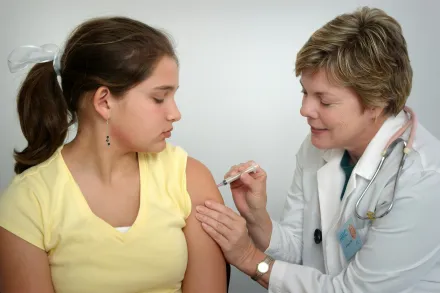
Vaccines are designed to teach the body's defense system to recognize and respond to pathogens without requiring a person to experience the illness itself. At a basic level, a vaccine introduces a safe component or a harmless surrogate of a microorganism to the immune system, and this exposure trains immune cells to distinguish the invader from the body's own tissues. The result is a ready-made response that can be deployed rapidly if the real pathogen appears later. This initial training focuses on teaching the immune system to identify specif...

In the current landscape of infectious disease prevention, probiotics have emerged as a notable area of interest for clinicians, researchers, and public health professionals. Probiotics are live microorganisms that, when consumed in adequate amounts, can confer health benefits to the host beyond basic nutrition. Their potential to modulate the complex ecosystem of the human microbiota offers a complementary approach to reducing the incidence and severity of infections. This article explores the mechanisms by which probiotics may prevent infecti...

In the rhythm of many workplaces, the seasons bring shifts in workload, travel demands, and social interactions that can influence how often someone feels unwell. Sick days are not merely personal setbacks; they affect team momentum, project timelines, and the overall health culture of a company. When illness spreads or when fatigue compounds, even a single absence can ripple through collaborators who rely on a steady workflow. Recognizing the broader consequences helps cultivate a proactive mindset where prevention and early care become a norm...

Nutrition plays a central role in shaping the body’s defenses against respiratory infections, influencing everything from the barrier function of the nasal passages to the efficiency of immune cells that patrol the lungs. While no single food can guarantee immunity, a well balanced diet rich in diverse nutrients provides the raw materials that support the frontline defenses, helps dampen excessive inflammation when it arises, and promotes resilience against seasonal challenges. In living systems, the lungs carry out gas exchange under the prote...

Vitamin D is a fat soluble secosteroid that behaves like a hormone more than a vitamin in its actions. It exists in two major forms: vitamin D2 from plant and fungal sources and vitamin D3 synthesized in the skin in response to ultraviolet B radiation from sunlight, with small contributions from dietary sources. The liver hydroxylates vitamin D to form 25-hydroxyvitamin D, the major circulating form that is typically measured to assess status. The kidney and other tissues can produce the active hormone 1,25-dihydroxyvitamin D, also known as cal...

Vitamin B6, a water soluble nutrient that encompasses several interrelated compounds, plays a central role in the orchestration of immune defenses. The biologically active form, pyridoxal phosphate, acts as a coenzyme in a broad spectrum of enzymatic reactions that regulate amino acid metabolism, neurotransmitter synthesis, and the production of critical immune mediators. This cofactor’s influence extends to the development, differentiation, and function of immune cells, shaping how the body recognizes intruders, responds to threats, and resolv...
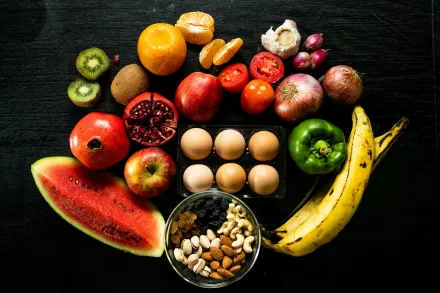
A balanced diet stands as a cornerstone of preventive health, shaping the body's ability to withstand diseases, recover from illness, and maintain vitality across the lifespan. When communities, families, and individuals make intentional choices about the foods they eat, they are choosing a form of medicine that is accessible, affordable, and sustainable. This article explores why a balanced diet matters for prevention, how the diet influences physiological processes, and how people can build eating patterns that support long term well being. I...

Vitamin D is a fat soluble nutrient that plays a central role in the body's ability to absorb calcium and phosphate, minerals essential for healthy bones and teeth. Beyond the skeletal system it participates in gene regulation, immune signaling, and muscle function. The modern world presents a paradox where sunlight exposure is often limited by clothing, sunscreen, indoor work, and higher latitudes, yet bone health and immune resilience rely on adequate vitamin D at many stages of life. This article explores the evidence around vitamin D supple...