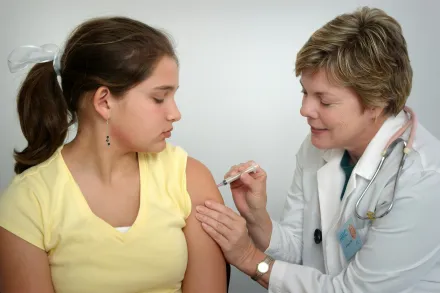
What vaccines aim to do in the immune system
Vaccines are designed to teach the body's defense system to recognize and respond to pathogens without requiring a person to experience the illness itself. At a basic level, a vaccine introduces a safe component or a harmless surrogate of a microorganism to the immune system, and this exposure trains immune cells to distinguish the invader from the body's own tissues. The result is a ready-made response that can be deployed rapidly if the real pathogen appears later. This initial training focuses on teaching the immune system to identify specific molecular features, or antigens, that are unique to the pathogen, so that subsequent encounters evoke a focused and efficient defense rather than a chaotic battle that could cause harm. The overarching aim is to convert a potential infection into a controlled, limited, and swiftly resolved encounter that minimizes illness and the spread of disease to others.
Vaccines operate on a simple premise with profound implications: they provide a safe invitation for the immune system to learn what to fight. They do not merely induce temporary symptoms or a superficial response; they stimulate a complex cascade of cellular and molecular events that establish both immediate protection and longer term memory. The protection conferred by vaccines depends on the immune system's ability to remember past encounters and to respond more vigorously upon re-exposure. This memory is the cornerstone of how vaccines achieve lasting control over infectious diseases, turning a potential one-time protection into a durable shield that can endure through years and, in some cases, decades.
The immune system at a glance
The immune system is a dynamic network composed of barriers, sentinel cells, signaling molecules, and specialized white blood cells that work together to identify foreign invaders and maintain internal balance. It includes an innate arm that provides rapid, non-specific defense and an adaptive arm that develops precision and memory through exposure to specific antigens. The innate response acts like a broad alarm system, sounding the alert when pathogens breach the first lines of defense such as the skin and mucous membranes. Cells in this arm release signaling molecules that recruit other immune components to the site of potential danger, creating an environment that slows pathogen spread and buys time for a more targeted response.
The adaptive arm comprises highly specialized cells that can distinguish among countless molecular shapes. T cells act as orchestrators and effectors, recognizing infected cells and helping to stimulate other immune cells. B cells can transform into antibody-producing factories that circulate protective proteins in the bloodstream and tissues. The antibodies attach to specific parts of the pathogen, blocking its ability to infect cells or marking it for attack by other immune cells. A powerful feature of the adaptive immune system is its memory: after an initial encounter, many cells persist long term, enabling a faster and stronger response if the same pathogen tries to invade again. This memory is the mechanism by which vaccines create lasting protection without causing disease itself.
How antigens trigger the immune response
A vaccine introduces antigens that resemble those found on a real pathogen but lack the ability to cause illness. These antigens are the distinctive markers that immune cells use to identify a microbe. When the antigen is detected, innate immune cells respond by presenting fragments of the antigen to adaptive immune cells, a process that helps train the system to recognize the invader in future encounters. This presentation is aided by signaling molecules and, in some vaccine formulations, by adjuvants that intensify the immune signal. The end result is a tailored response in which B cells begin to produce antibodies that bind to the antigen, while T cells learn to recognize cells that display the antigen and coordinate the immune attack. Even though a vaccine may not generate a full-blown infection, it simulates enough of the pathogen’s key features to elicit a protective, multi-layered defense that is specific to that pathogen.
The antibodies generated in response to vaccination can neutralize pathogens in several ways. They can block a virus from entering host cells, tag a bacterium for destruction by other immune cells, or recruit components that break down the pathogen. Over time, other arms of the immune response mature, and memory B and T cells remain in circulation or reside in tissues, ready to respond with heightened precision if the real pathogen reappears. The strength and duration of protection depend on multiple factors, including the nature of the vaccine, the age and health of the recipient, and how the immune system processes the specific antigens presented by the vaccine. This complexity underscores why some vaccines require more than one dose to achieve the best possible memory and why ongoing surveillance and booster schedules are important in public health programming.
Priming the immune system: memory and persistence
Memory in the immune system is not a single event but a sustained state of readiness that results from the interplay between different immune cells after vaccination. Some memory cells circulate in the bloodstream, while others take up residence in tissues such as the lymph nodes, spleen, or mucosal surfaces. These memory cells can respond rapidly to a pathogen because they have already been exposed to the relevant antigens and have undergone changes that enhance their ability to expand and act when needed. The longevity of memory depends on continuous signals from the body and, in some cases, periodic reinforcement through natural exposure or booster doses that help sustain high levels of protective memory cells. Importantly, memory does not imply that the immune system will never encounter disease again, but it does significantly reduce the severity and duration of illness by enabling a faster and more effective response than would occur during a first encounter with an unprimed immune system.
Vaccination strategies aim to optimize memory formation by choosing antigens that are stable and representative of circulating strains, by selecting vaccine formats that elicit robust B and T cell responses, and by timing doses to maximize the maturation of the immune response. The balance between immediate protection after vaccination and the long-term durability of memory is a central consideration for researchers and clinicians. In practice, this balance influences recommendations for initial vaccination schedules, timing of booster shots, and the use of adjuvants that shape the quality of the immune response. The precise architecture of memory is still the subject of ongoing research, as scientists explore how the immune system stores information about pathogens and how boosters can best reactivate those memories to intercept infection efficiently.
Different vaccine platforms and how they work
Vaccine science encompasses a spectrum of platforms, each designed to present immune targets to the body in distinct ways. Broadly speaking, traditional vaccines often rely on inactivated particles, weakened forms of pathogens, or subunits derived from the pathogen. These approaches have a long history and robust safety records, with mechanisms that involve presenting the immune system with accessible antigens while minimizing the risk of disease. In contrast, newer platforms utilize advanced technologies to deliver genetic instructions or engineered components that prompt the host’s own cells to produce antigenic material. By providing the immune system with the critical markers in several possible configurations, these vaccines can evoke potent protective responses tailored to the biology of the pathogen and the needs of diverse populations.
Among the traditional approaches, inactivated vaccines use whole pathogens that have been killed or inactivated so they cannot cause disease. They present multiple antigens to the immune system, which can produce a broad response but may require multiple doses to achieve strong, durable protection. Live-attenuated vaccines use a weakened form of the pathogen that can replicate to a limited extent, providing a highly natural and often long-lasting immune response. Because they imitate natural infection more closely, these vaccines can engender robust memory, though they are not suitable for everyone, especially individuals with compromised immune systems. Protein-based vaccines, toxoid vaccines, and subunit vaccines present selected pieces of the pathogen, such as a protein or polysaccharide, to focus the immune response on critical targets while avoiding the risks associated with whole pathogens.
Modern genetic vaccines, including messenger RNA and DNA vaccines, take a different route. They deliver a genetic blueprint that instructs the recipient’s cells to produce a piece of the pathogen, typically a spike protein or another essential antigen. The host cell then displays the produced antigen, empowering the immune system to recognize it as foreign and mount a response. Viral vector vaccines deploy harmless viruses as delivery vehicles to transport genetic information into cells, again prompting antigen production and immune activation without the risk of replication by the pathogen itself. Each platform has its own set of advantages and considerations related to manufacturing, storage, distribution, and how strongly it stimulates different components of the immune system. The choice of platform for a given disease takes into account these practical dimensions as well as the desired speed of development and the target population.
Inactivated and live-attenuated vaccines
Inactivated and live-attenuated vaccines represent two enduring branches of vaccine design with distinct immunological footprints. Inactivated vaccines, which use pathogens rendered unable to replicate, tend to be stable and easy to store, making them accessible to diverse settings. They typically rely on the immune system recognizing many parts of the pathogen, which can translate into broad antibody responses. However, because the pathogen remains non-replicating, these vaccines might induce somewhat weaker or shorter-lasting immunity compared with live-attenuated vaccines and may require additional booster shots to sustain protection. Live-attenuated vaccines, on the other hand, employ strains that have been weakened so they do not cause disease in healthy individuals but still replicate enough to simulate a natural infection. This approach often results in robust, long-lasting immunity that engages multiple arms of the immune system, including strong mucosal responses. Yet because the attenuated organism can, in rare cases, regain virulence or cause disease in people with significant immune suppression, such vaccines are used with caution in certain populations and settings with careful screening and monitoring.
From an immunological perspective, the reason these vaccines can be highly effective is their ability to mimic many features of a true infection without causing serious illness. The immune system is trained using a familiar blend of antigens, pathogen-associated molecular patterns, and replication signals that prime both humoral and cellular responses. The logistical considerations also differ: inactivated vaccines are typically more stable and easier to transport, while live-attenuated vaccines may require stringent cold chain management but can offer durable protection after fewer doses. Both approaches have had a profound impact on global health, contributing to the control and eradication of several diseases that once caused substantial morbidity and mortality in many communities.
mRNA and viral vector vaccines
Newer vaccine modalities have transformed the field by leveraging the body’s own cellular machinery to generate antigenic proteins. mRNA vaccines deliver a snippet of messenger RNA that encodes a pathogen-specific protein, usually a surface antigen critical for infection. Once inside host cells, the cells translate the mRNA into protein, which is recognized as foreign and triggers an immune response. A key advantage of this approach is the rapid design and production, which has proven valuable in responding to emerging pathogens. The mRNA used in vaccines is encapsulated in lipid nanoparticles that protect it and aid delivery into cells, and the approach does not involve introducing live pathogens into the body, which reduces concerns about causing disease in healthy individuals. Viral vector vaccines use a harmless virus as a carrier to deliver genetic information that instructs the body to produce the antigen. Depending on the vector used, these vaccines can evoke strong immune responses by engaging both the innate and adaptive systems. As with all vaccines, safety monitoring and evaluation across diverse populations are integral parts of the development and regulatory processes, ensuring that benefits consistently outweigh risks.
In practice, these modern platforms have demonstrated the ability to induce targeted antibody responses and a robust T cell response, sometimes with more rapid scalability and adaptability than traditional methods. They also illustrate a principle of vaccine science: multiple modalities exist to achieve protective immunity, and the choice of platform is guided by the characteristics of the pathogen, the urgency of deployment, and the practicalities of manufacturing and distribution in different parts of the world. The continuing refinement of these technologies holds the potential to broaden protection against a wider array of diseases and to tailor vaccines to specific populations, including children, older adults, and immunocompromised individuals, with an eye toward maximizing safety and efficacy across diverse settings.
Protein subunit and toxoid vaccines
Protein subunit vaccines present select pieces of a pathogen, such as a single protein or a protein complex that is essential for infection. By isolating these components, such vaccines can focus the immune response on the most protective targets while avoiding exposure to other parts of the organism that are less relevant to immunity. The result is often a strong, specific antibody response with an excellent safety profile since no whole pathogen is present. Adjuvants are commonly employed in subunit vaccines to enhance the immune response, helping to compensate for the absence of other pathogen-associated signals that would naturally accompany a whole organism. Toxoid vaccines, in contrast, use inactivated toxins produced by bacteria rather than the organism itself. These vaccines teach the immune system to neutralize harmful toxins, thereby preventing the toxin's damaging effects. Both strategies have proven effective in reducing disease burden for a variety of pathogens and can be particularly well suited for populations where a broad, high-level immune activation is not necessary for protection.
For practitioners and researchers, protein subunit and toxoid vaccines illustrate how a precise focus on critical neutralization targets can yield durable protection while maintaining favorable safety margins. The design process involves identifying epitopes that elicit neutralizing antibodies and ensuring that the produced immune response translates into protection against infection or toxin-mediated disease. The success of these vaccines in clinical use underscores the value of targeted immune responses and the importance of rigorous testing to confirm that the chosen antigens generate the intended protective effects in real-world conditions.
Adjuvants and why they are used
Adjuvants are substances added to vaccines to enhance the body’s immune response to an antigen. They help to slow the release of the antigen, amplify the signals that help innate immune cells recognize the invader, and stimulate the production of cytokines and other mediators that coordinate a stronger, more durable response. Adjuvants can influence not only the magnitude of antibody production but also the quality of the T cell response, potentially guiding the immune system toward a response that is better suited to eliminate a particular pathogen. The use of adjuvants is especially important for vaccines that use weaker antigens, such as subunit vaccines, where the immune signal might otherwise be insufficient to generate robust memory. The presence of adjuvants is carefully considered in vaccine design, balancing the goal of potent protection with the need to minimize adverse effects and tailor the response to the demands of the disease and patient population.
In addition to boosting efficacy, adjuvants can assist in widening the population that benefits from a vaccine, helping to overcome age-related or immunological differences that might blunt the immune response. They also influence the distribution of the immune response, potentially guiding it toward mucosal surfaces or systemic circulation in a way that improves protection where the pathogen is most likely to enter. The science behind adjuvants continues to evolve, with ongoing research exploring how different adjuvant formulations interact with the immune system to optimize safety, longevity of protection, and the breadth of the immune response against evolving pathogens.
Safety, side effects, and monitoring
Vaccine development and deployment are accompanied by stringent safety monitoring and regulatory oversight. Before a vaccine reaches the public, it must pass through a series of carefully designed clinical trials that evaluate its safety, immunogenicity, and efficacy in diverse groups. Regulatory agencies review the data and impose conditions that ensure manufacturing quality, accurate labeling, and post-market surveillance. After a vaccine is in use, systems for monitoring adverse events collect information about any unexpected health issues that occur following vaccination. Most side effects are mild and transient, such as soreness at the injection site, low-grade fever, or short-term fatigue, reflecting the immune system’s engagement with the antigen. Rare, more serious adverse events are investigated thoroughly to determine whether they are causally related to vaccination or coincidental and unrelated occurrences. The safety framework for vaccines is designed to maintain public trust while enabling rapid recognition and response to any safety signals. This approach is essential for sustaining high vaccination coverage and protecting communities against preventable diseases.
Communities benefit from transparent communication about how vaccines are tested, why certain risks exist, and how risk is balanced against the expected benefit. Public health programs rely on robust pharmacovigilance and ongoing research to refine vaccines and booster strategies, adapt to new pathogen variants, and address the concerns of individuals with varying health profiles. Informed decision making, supported by evidence and clear explanations, helps people understand that vaccines are not simply a single product but a continuously evaluated medical intervention that evolves with science and epidemiology. The result is a dynamic system in which vaccines remain among the most effective tools for reducing disease and protecting populations, while safety remains a central priority and a shared responsibility between scientists, clinicians, policymakers, and the communities they serve.
Herd immunity and population-level protection
Herd immunity occurs when a substantial portion of a population gains protection against an infectious disease, either through vaccination or prior infection, reducing the likelihood that the pathogen can spread. When enough people are immune, chains of transmission are interrupted or slowed, which helps defend those who cannot be vaccinated or who have weaker immune responses. Vaccination campaigns aim to achieve a level of coverage that minimizes outbreaks and protects vulnerable groups such as young children, older adults, and individuals with certain medical conditions. The concept rests on social dynamics as well as biology: the protective effect depends on how diseases spread through communities, how vaccines are distributed, and how trust and access influence uptake. Public health strategies combine vaccination with other measures to reduce transmission, emphasizing the collective benefit of vaccination beyond the individual to safeguard entire populations.
Understanding herd immunity helps explain why vaccines matter even for those who are not personally at risk from the disease. When many people are protected, the pathogen has fewer opportunities to move through the population, and the overall burden of illness declines. This community-level protection is particularly vital for diseases that spread rapidly or affect people who cannot be vaccinated due to medical reasons. It also informs policy decisions about prioritizing vaccine access, allocating resources for outreach and education, and coordinating responses during outbreaks. The science of herd immunity is dynamic, reflecting changes in pathogen characteristics, vaccine performance, and human behavior, all of which influence how effectively communities can stay ahead of infectious threats.
Public health impact and global considerations
The development and deployment of vaccines have a profound effect on global health outcomes. They have enabled the control, and in some cases the eradication, of diseases that once caused widespread illness and death. The impact of vaccines extends beyond individual protection; they reduce the need for medical care, lessen disease transmission, and stabilize societies by contributing to healthier workforces and educational environments. Global vaccination efforts require collaboration across nations, regulatory harmonization, and robust supply chains to ensure equitable access. The logistics of vaccine distribution include manufacturing scale, cold chain maintenance, and targeted communication strategies that address cultural, linguistic, and logistical barriers. As populations expand and pathogens evolve, vaccine programs adapt by updating antigens, refining delivery methods, and implementing booster schedules that reflect contemporary epidemiology. This interplay among science, policy, and community engagement defines the real-world success of vaccination as a cornerstone of public health.
In the context of global health equity, the allocation of vaccines considers not only scientific efficacy but also the capacity of health systems to deliver immunizations to all corners of the world. Efforts to reduce disparities involve transferring knowledge, supporting local manufacturing, and investing in infrastructure that can maintain vaccine integrity and reach. The ultimate goal is to create resilient health frameworks in which diseases are controlled through prevention rather than relying primarily on treatment after infection. The understanding of how vaccines work is foundational to these efforts, enabling scientists to tailor strategies to specific regions, pathogens, and populations while maintaining rigorous safety and ethical standards. When communities embrace vaccination, they contribute to a broader shield that protects the most vulnerable and supports the health of the global population.
In the ongoing pursuit of advancing vaccine science, researchers continually explore how immune memory can be strengthened, how vaccines can be designed to address evolving variants, and how to make vaccines more accessible and acceptable across different cultures. They also examine how adjuvants, dosing schedules, and delivery routes influence outcomes, striving to optimize both the magnitude and quality of the immune response. The cumulative knowledge from decades of work, combined with innovations in biotechnology and data analysis, has yielded a robust toolkit for preventing infectious disease and improving health outcomes worldwide. As new pathogens emerge and old ones re-emerge in novel forms, the capacity to adapt and improve vaccination strategies remains a critical component of a proactive and evidence-based public health posture, ensuring that the benefits of immunization continue to accrue for generations to come.