The immune system operates as a complex network that blends rapid, automatic responses with slower, targeted strategies. When the body encounters a challenge such as a viral or bacterial intruder, the innate defenses spring into action with immediate but broad actions, while the adaptive defenses tailor a specific response over time. Recovery is not a single moment but a gradual return to balance, driven by the restoration of tissue integrity, resolution of inflammation, and reestablishment of energy reserves. In this light, supporting immune r...
Prevention & Immunity


In the daily orbit of lectures assignments meals and social routines students encounter a unique blend of stress exposure and opportunity to support a resilient immune system. The body that sustains a long day of classes and study groups is the same system that fends off illnesses and adapts to unfamiliar environments. When energy dips and sleep becomes fragmented the immune defenses can waver, making it harder to stay present in class, participate in seminars, and recover quickly from common illnesses. The path to stronger immunity for student...
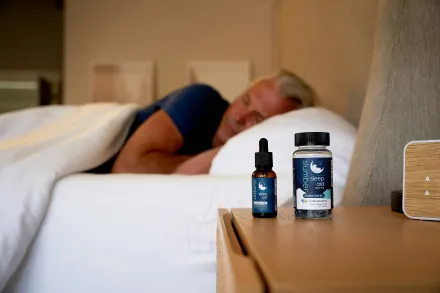
Sleep and the immune system engage in a continuous dialogue that shapes how the body guards itself against pathogens. When the eyes close and the brain rests, signals flow between the central nervous system and immune cells, coordinating surveillance and response. In this quiet space, immune cells are primed to recognize invaders, while the nervous system tunes inflammatory processes to avoid unnecessary damage. This interdependence means that the duration and quality of sleep can tilt the balance toward robust defense or vulnerability to illne...
In the quiet moments of attention that mindfulness invites, a doorway opens between the mind and the body that can influence how the immune system responds to the daily strains of living. Mindfulness is not a magical intervention but a practiced way of relating to experience that emphasizes present moment awareness, nonjudgment, and compassionate curiosity. When someone sits with breath, sensations, thoughts, and emotions without trying to change them, a change begins to unfold in the nervous system, the hormonal milieu, and the signaling netwo...

The immune system is a vast and intricate network that defends the body against a constantly changing array of pathogens, including the influenza virus that commonly circulates during the colder months. At its core, immunity comprises frontline barriers, specialized cells, and programmable responses that recognize invaders, neutralize them, and remember past encounters to respond more effectively in the future. The innate immune response acts as the first shield, employing physical barriers such as skin and mucous membranes, as well as rapid no...

Recovery from a viral illness is a gradual process that hinges on more than rest alone. While sleep and time play essential roles, the foods you choose can actively support the body’s healing efforts, help restore appetite after a period of symptoms, and replenish nutrients that were depleted during the height of the illness. A well planned approach emphasizes gentle nutrition when appetite is fragile, followed by more varied meals as energy returns. The goal is to provide a steady stream of calories and protein, vitamins, minerals, fluids, and...

Regular physical activity is often described as a pillar of health, yet its influence extends beyond heart rate and muscle tone into the realm of the immune system. A growing body of research indicates that consistent, moderate exercise can lower the risk of infections, particularly of the respiratory tract, by shaping how the body defends itself against invading microbes. The relationship is complex and nuanced, not a simple guarantee against illness, but the pattern is clear: movement interacts with immune processes in ways that improve surve...

The immune system is a dynamic network that watches for threats, remembers past encounters, and adapts in response to daily life. It does not operate in a vacuum, but rather in concert with sleep, nutrition, movement, stress levels, gut health, hydration, and the environment. When daily rhythms are aligned with the body’s needs, the immune system can respond more effectively to infections and recover more efficiently when challenged. This exploration into practical daily habits aims to offer a comprehensive view that emphasizes sustainable rout...

Winter brings with it a set of challenges to human health that are both familiar and complex. The cold air itself can influence the way the body handles infections, and the way people live during the season often creates conditions that propagate respiratory illnesses. Experiences from clinics and homes alike reveal that a combination of biological, environmental, and behavioral factors shapes how winter affects the lungs and airways. In this landscape, prevention becomes a multi layer effort that weaves together vaccination, hygiene, interior ...

Iron is a trace element that influences many biochemical pathways, and among its most critical roles is participation in the immune response. The body keeps tight control over iron to balance the needs of immune cells against the risks of pathogens that may exploit iron for growth. A nuanced view of iron in immunity recognizes that both deficiency and excess can alter susceptibility to infections, inflammation, and recovery dynamics. In healthy individuals, iron supports the development and function of certain white blood cells, the production ...