Seasonal vaccinations are a recurring public health strategy designed to protect people from infectious diseases as communities move through seasonal changes. Each year, vaccines are updated, recommended, and deployed to reduce the burden of illnesses that peak during certain times of the year. Understanding how these vaccines work, who should receive them, and when they should be administered helps individuals make informed choices that benefit both personal health and community safety.
Prevention & Immunity


Immune memory is a remarkable feature of the adaptive immune system that allows the body to respond more rapidly and effectively when it encounters a pathogen again. Unlike the innate immune system, which provides immediate but non-specific defense, immune memory results from the clonal expansion and long-term maintenance of specific lymphocytes after an initial exposure. This memory is primarily stored in memory B cells, which can rapidly produce pathogen-specific antibodies, and memory T cells, which can swiftly orchestrate cellular responses...
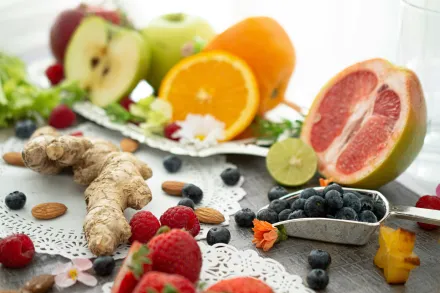
In the modern world the air we breathe, the foods we eat, and the stresses we endure can collectively tilt the body's balance toward a state known as oxidative stress. This condition arises when the production of reactive oxygen species, reactive nitrogen species, and other free radicals outpaces the body's capacity to neutralize them with antioxidant defenses. When oxidative stress persists, it can damage cells, lipids, proteins, and DNA, contributing to aging and a range of chronic diseases such as cardiovascular disorders, neurodegenerative ...

Hands are among the most versatile tools people rely on in daily life, but they can also serve as vehicles for a surprising array of microscopic travelers. The skin, while a strong barrier, is not an impermeable shield against every invader. Tiny organisms such as bacteria, viruses, and fungi can be transferred from one surface to another with a simple touch, a handshake, or a shared object. In crowded environments like schools, offices, public transit, and healthcare facilities, the volume and variety of contact increases the chances that thes...

In the landscape of health, the immune system stands as a dynamic network that protects the body from a vast array of threats, from everyday irritants to more serious pathogens. Its effectiveness is not fixed at birth or merely the result of genetics; it is continually shaped by daily choices and routines. Through consistent, mindful habits you can influence the environment inside your body in a way that supports robust immune responses, fosters resilience against seasonal illnesses, and helps the body recover more efficiently when challenges a...
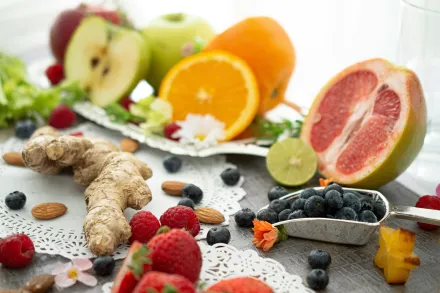
The immune system is a remarkable network that spans the whole body, weaving together cells, tissues, and organs to defend against invaders while distinguishing between harmful pathogens and everyday allies. Its performance is not dictated by a single magic factor but by a delicate balance between sleep, nutrition, movement, stress management, and the environment in which you live. When you approach immunity as a holistic system rather than a set of isolated tricks, you create a foundation that supports resilience through the changing seasons, ...

When the body is recovering from an illness, the immune system often shifts from a high alert state to a tempered, restorative mode. This transition involves a careful balancing of immune cells, inflammatory mediators, and energy resources, all aimed at repairing tissues and restoring normal function. The rebound is not instantaneous; it unfolds over days and weeks as the body clears residual debris, repairs damaged tissues, and returns to a baseline that permits everyday activities without excessive fatigue. Recognizing this natural cadence he...

The immune system is a dynamic network of cells, tissues, and signaling molecules that work together to defend the body against potential threats. It is not a single static defense but a coordinated system that adapts to the rhythms of daily life, aging, sleep, stress, and physical activity. At its core lie two broad pillars: innate immunity, which provides quick, nonspecific responses to foreign intruders, and adaptive immunity, which builds targeted defenses tailored to specific pathogens. Within this framework, immune cells such as lymphocyt...

The rhythm of a demanding life can push health into the background, but health is not a luxury it is the foundation that supports every goal you pursue. When days are full of meetings, deadlines, errands, and obligations, small, deliberate choices become the scaffolding that keeps energy steady, mood resilient, and the body resilient to stress. By weaving health into the fabric of a busy routine, you create a sustainable path rather than a sprint. This article explores practical strategies that respect time constraints while delivering meaningf...

Polyphenols are a broad and diverse group of naturally occurring compounds found in many plant foods that accumulate as secondary metabolites. They are not only valued for their antioxidant capacity but also for their capacity to modulate cellular signaling, gene expression, and communication between different components of the immune system. In the modern diet, polyphenols are consumed in a wide range of matrices, including beverages, fruits, vegetables, grains, herbs, and spices, and their biological impact depends on chemical structure, food...