Antioxidants have long been celebrated for their role in protecting cells from damage caused by free radicals, and in the realm of immune health they occupy a central position that bridges daily eating patterns with long term resilience. The immune system is not a single organ but a complex network of tissues, cells, and signaling molecules that coordinate defenses, repair injuries, and maintain a delicate balance between attack and tolerance. When the body faces infections or inflammatory challenges, immune cells multiply, communicate through chemical signals, and employ protective strategies that rely on energy, nutrients, and carefully modulated inflammatory responses. Antioxidants contribute to this intricate system by neutralizing unstable molecules known as reactive oxygen species, which can accumulate during stress, exercise, environmental exposure, and normal metabolism. By keeping oxidative stress in check, antioxidant-rich foods support the functional capacity of immune cells, preserving their ability to identify invaders, orchestrate responses, and maintain barrier integrity across tissues such as the gut, skin, and respiratory tract. The practical takeaway is intuitive: consolidating an everyday eating pattern that emphasizes color, variety, and quality can promote a healthier immune baseline without relying on miracle cures or single “superfoods.”
Beyond the chemistry of antioxidants, the concept of immune resilience encompasses more than catching fewer colds. It includes how well the body can mount a timely response to pathogens while keeping collateral damage to tissues at bay. Antioxidants intersect with this aim in several ways. They influence gene expression related to inflammation, they support the function of immune cells like macrophages and lymphocytes, and they contribute to the maintenance of mucosal surfaces that constitute primary barriers to intruders. Foods rich in a spectrum of antioxidant compounds also tend to deliver a broader package of nutrients, including vitamins, minerals, fiber, and phytochemicals that act synergistically. For instance, pigments that give berries their deep reds and blues often come bundled with vitamin C, fiber, and polyphenols, all of which work together to optimize immune signaling, improve gut integrity, and modulate metabolic processes that underlie immune readiness. This broader view reframes immunity not as a static shield but as a dynamic state that benefits from consistent nourishment that the body can recognize and reuse across days, weeks, and seasons.
The ongoing challenge is to translate this knowledge into everyday choices that are accessible, enjoyable, and sustainable. Everyone carries a unique set of dietary preferences, cultural influences, and health considerations, and that diversity is an asset when building a robust eating pattern. Antioxidant-rich foods do not demand perfection; they invite a gradual shift toward more plant-forward meals, colorful plates, and mindful cooking methods that preserve nutrient content and flavor. It is also important to recognize that supplements cannot replace whole foods in this context. Although certain supplements can fill gaps in specific circumstances, the richest, most complex source of antioxidants comes from fruits, vegetables, whole grains, nuts, seeds, legumes, and herbs. The idea is to weave a tapestry of nutrients across meals, so the immune system receives continuous signals and substrates for maintenance, repair, and defense, rather than sporadic spikes in certain compounds that may overlook other essential roles of nourishment. The result is a practical, evidence-informed approach that aligns taste, culture, and health goals with the science of antioxidant-rich eating.
To appreciate the practical path forward, it helps to understand what counts as an antioxidant in foods and how these compounds interact with the body. Antioxidants are a broad family that includes vitamins such as vitamin C and vitamin E, minerals like selenium, and a wide array of plant-derived compounds known as polyphenols, carotenoids, flavonoids, and lignans. Each class carries unique chemical properties, absorption patterns, and functional effects. Vitamin C, for example, supports the function of phagocytes, helps regenerate other antioxidants in the body, and plays a role in collagen formation, which is essential for tissue integrity. Carotenoids such as beta-carotene, lycopene, and lutein contribute to cell membrane stability and may support respiratory tract defenses. Polyphenols, which give many foods their vivid colors, can influence enzyme activity, inflammatory pathways, and gut microbial balance, all of which feed into immune competence. The beauty of focusing on antioxidant-rich foods is that these compounds commonly come packaged with other beneficial nutrients, creating a holistic platform for health rather than a narrow, one-nutrient fix. In this sense, dietary choices become a form of personal medicine that is gentle, sustainable, and aligned with everyday life.
As you explore antioxidant-rich foods, you may notice an emphasis on color, variety, and seasonality. Colors in fruits and vegetables often reflect different antioxidant classes, with deeper blues and reds signaling anthocyanins and phenolic compounds, vibrant greens signaling chlorophyll and related nutrients, and oranges and yellows pointing to carotenoids. Color is not merely aesthetic; it acts as a rough guide to the diversity of bioactive compounds present in a given plant, and a diverse palette typically means a wider spectrum of antioxidants and complementary nutrients. Seasonal choices can also affect nutrient density and flavor, encouraging mindful shopping and cooking that align with nature’s rhythms. The social and cultural dimensions of eating should not be underestimated, because meals that reflect personal history, family traditions, and local produce tend to be more enjoyable and sustainable, which in turn supports consistent consumption of antioxidant-rich foods over time. In this light, immunity becomes a byproduct of steady, culturally resonant nourishment rather than a rigid, prescriptive regimen.
When considering the practical aspects of building an antioxidant-rich diet for immune support, a key principle emerges: balance and continuity trump single, dramatic dietary changes. A mix of fresh fruit and vegetables across the spectrum, whole grains for fiber and micronutrients, sources of healthy fats to aid the absorption of fat-soluble compounds, and a modest amount of protein to support tissue repair and immune cell production all contribute to a more resilient body. The daily routine can include a breakfast bowl with berries and yogurt, a lunch partnership of leafy greens with colorful vegetables and legumes, snacks that blend nuts with dried fruit or seeds, and dinners that combine vegetables, whole grains, and a protein source such as fish or legumes. Hydration supports all processes, including the transport of nutrients and the maintenance of mucosal barriers, so water, herbal teas, and naturally flavored beverages can be integrated thoughtfully into the plan. The end result is not a rigid rulebook but a flexible, enjoyable, and scientifically grounded approach that fits real life while nudging immunity in a positive direction.
Understanding the role of plant compounds and immune signaling
Plant-derived antioxidants do more than scavenge free radicals; they actively engage signaling pathways within immune cells. They can modulate the expression of enzymes and receptors involved in inflammatory responses, potentially guiding the immune system toward more precise, balanced actions rather than exaggerated or chronic inflammatory states. For instance, certain polyphenols have been shown to influence the activity of transcription factors that regulate genes involved in defense and repair, while carotenoids may affect the function of barrier tissues, aiding their resilience against environmental stressors. This means that the benefits of antioxidant-rich foods extend beyond occasional boosts in specialized molecules; they shape the environment in which immune cells operate. In daily life, this translates into choosing a variety of plant foods that collectively provide a broad array of polyphenols, flavonoids, and other bioactives, rather than focusing narrowly on a single nutrient. The cumulative effect of such a diverse intake can support the immune system’s readiness, responsiveness, and harmony with the rest of the body's regulatory networks.
The gut emerges as a central arena where antioxidant-rich foods influence immunity. A substantial portion of immune activity is orchestrated in gut-associated lymphoid tissue, and the intestinal barrier relies on a carefully maintained microbial ecosystem and a robust mucosal lining. Dietary antioxidants and fiber-rich foods support this system by feeding beneficial microbes and by contributing to mucus production and barrier integrity. In turn, a healthy gut microbiome helps educate immune cells, producing metabolites that influence inflammatory tone and pathogen defense. The dynamic exchanges between diet, microbes, and immune cells create a feedback loop in which antioxidant-rich foods help to sustain a balanced immune environment. Making this integration practical means incorporating diverse plant-based foods with ample fiber, simple and complex carbohydrates from whole grains, and fermented items when appropriate and aligned with personal preferences and health considerations. In combination, these elements build a foundation that supports immunity on multiple fronts and across various challenges.
Another important facet is the interaction between antioxidants and lifestyle factors that affect immunity. Sleep quality, physical activity, stress management, and exposure to sunlight all influence immune function, and nutrition plays a synergistic role with these elements. Adequate sleep supports immune memory and the timely deployment of defense mechanisms, while regular physical activity can enhance circulation and help immune cells reach sites of potential infection more efficiently. Stress can dampen immune responses, but a nutrient-dense diet with sufficient antioxidants may buffer some of the adverse effects by supporting antioxidant defenses and reducing prolonged inflammatory signaling. Integrating antioxidant-rich foods into a broader healthy lifestyle plan creates a comprehensive strategy for immune health that respects individuality and avoids simplistic, one-size-fits-all prescriptions. It is a holistic approach that recognizes the body as an interconnected system where diet, rest, movement, and mental well-being coalesce to shape resilience over time.
To translate theory into practice, it helps to think of meals as opportunities to deliver a spectrum of antioxidants rather than a pure hit of a single nutrient. A fruit-rich breakfast might feature a colorful mix of berries with yogurt or fortified plant-based alternatives, offering a balance of vitamin C, polyphenols, and calcium or other minerals. A midday plate could unite leafy greens with red peppers, quinoa or barley, and a lean protein to support both antioxidant intake and immune readiness. Snacks can be gently composed of nuts and seeds with fresh fruit, providing healthy fats, fiber, and a quiet dose of polyphenols. Evening meals might center on vegetables roasted with olive oil, legumes, and a portion of fish or tofu, thereby delivering fat-soluble antioxidants, plant sterols, and micronutrients that support systemic health. In all cases, the goal is to maximize color, texture, and flavor while preserving the integrity of the nutrients through gentle cooking methods and mindful storage. This approach makes immunity-supportive eating accessible, sustainable, and enjoyable rather than a burden and fosters a positive relationship with food that the immune system benefits from day after day.
Top antioxidant-rich foods and how they support immunity
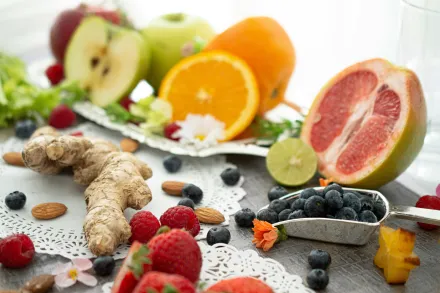
Colorful berries such as blueberries, strawberries, raspberries, and blackberries offer a bouquet of antioxidants including anthocyanins and a spectrum of phenolic compounds. These compounds work in concert with vitamin C to support immune cells and to mitigate inflammatory signaling that can accompany infections or chronic stress. Dark leafy greens such as kale, spinach, and chard provide a rich supply of carotenoids, vitamins, minerals, and fiber that support mucosal barriers and gut health, critical components of immune defense. Red and orange vegetables like tomatoes, peppers, sweet potatoes, and carrots contribute carotenoids such as beta-carotene and lycopene, compounds associated with tissue integrity and inflammation modulation. Nuts and seeds, including almonds, walnuts, sunflower seeds, and flaxseeds, deliver vitamin E, healthy fats, and a suite of polyphenols that complement the antioxidant landscape and contribute to heart and vascular health, which in turn supports efficient immune function. Whole grains add sustaining energy, minerals like selenium and zinc, and fiber that feeds the gut microbiome, reinforcing the gut-immune axis. Legumes deliver plant-based protein important for immune cell production, with additional polyphenols and fiber that promote microbial diversity and short-chain fatty acid production, compounds linked to anti-inflammatory effects and barrier maintenance. Herbs and spices such as turmeric, ginger, garlic, cinnamon, and oregano introduce potent phytochemicals that enhance flavor while contributing anti-inflammatory and antimicrobial properties, further broadening the repertoire of protective compounds in meals. Regularly incorporating a variety of these foods across meals helps ensure that the immune system benefits from a broad, balanced, and synergistic nutrient intake rather than a narrow dietary focus. The practical effect is a more resilient baseline that can adapt to stressors, recover more quickly from illness, and maintain energy and function during demanding periods of life.
In practical cooking terms, these foods can be prepared in ways that maximize nutrient retention and absorption. Lightly steaming leafy greens preserves delicate vitamins while enabling the release of carotenoids in some vegetables. Gentle roasting or sautéing with healthy fats helps to improve the bioavailability of fat-soluble compounds such as vitamin E and carotenoids, while protecting delicate polyphenols from excessive degradation. Pairing antioxidant-rich vegetables with olive oil or avocado oil not only increases fat intake for better absorption but also creates a satisfying texture and flavor depth that makes daily consumption more likely. Combining citrus or other sources of vitamin C with iron-rich plant foods can boost iron absorption, supporting energy metabolism and immune cell production. Meanwhile, using garlic or onions, which contain sulfur compounds with antimicrobial and anti-inflammatory potential, can add both depth of flavor and functional immune support without resorting to heavily processed seasonings. The culinary approach is to view food preparation as a form of nutrient engineering where taste, texture, and health goals converge, resulting in meals that are nourishing, enjoyable, and sustainable over the long haul.
Seasonality matters as well. In different times of the year, certain antioxidant-rich foods are more abundant, affordable, and flavorful, making it easier to build a persistent pattern. A summer table might showcase a vibrant harvest of tomatoes, peppers, berries, and leafy greens, while a winter spread could rely on cruciferous vegetables, root vegetables, citrus fruits, beans, and whole grains. This seasonal rhythm aligns with natural variations in micronutrient availability and helps keep meals interesting and diverse. It also encourages culinary creativity, inviting more experimentation with herbs, spices, and new varieties of legumes or grains. Whether cooking for one or feeding a large family, embracing seasonality can enrich the experience of eating, deepen taste appreciation, and reinforce the habit of maintaining an antioxidant-rich diet as a sustainable component of immune health.
Beyond individual foods, the overall dietary pattern matters. Diets that emphasize plants and include moderate portions of animal products tend to deliver higher antioxidant intake and stronger micronutrient profiles without excessive processing or added sugars. A practical outlook favors a plate that is predominantly plant-based, with thoughtful inclusion of high-quality fats and lean proteins, and a conscious effort to limit highly processed foods that may undermine nutrient density and gut health. In this framework, the immune system benefits not just from isolated antioxidants but from the cumulative effect of a nutrient-dense, minimally processed eating pattern that supports energy balance, metabolic function, and inflammatory control. This approach also aligns with broader health goals, including cardiovascular health, weight management, and metabolic resilience, which in turn influence immune vigor and the body’s capacity to respond to challenges with efficiency and grace.
The role of cooking methods and bioavailability
The way we cook and combine antioxidant-rich foods can influence how much of these valuable compounds reach the bloodstream and tissues where they can exert their effects. Cooking can both preserve and degrade certain nutrients, depending on temperature, duration, and moisture. Carotenoids, for instance, become more bioavailable when vegetables are heated with a small amount of fat, whereas vitamin C is more sensitive to heat and can be reduced by prolonged cooking or exposure to air. Therefore, a balance of raw and cooked forms often yields the best overall antioxidant intake. Fresh fruits and vegetables can provide heat-sensitive compounds in their most potent form, while lightly cooked items can unlock additional carotenoids and polyphenols that become more accessible after mild processing. The addition of healthy fats helps to transport fat-soluble antioxidants across the intestinal lining, supporting efficient absorption. Simple practices such as finishing a dish with a drizzle of olive oil or adding avocado can make a meaningful difference in nutrient uptake without complicating the cooking process. In a broader sense, cooking choices reflect a philosophy of nourishment that respects both science and enjoyment, encouraging people to explore flavors while optimizing the nutritional impact of each meal.
Recognizing the dynamic nature of nutrient availability also means acknowledging the role of meal timing and planning. Consuming a consistent mix of antioxidant-rich foods across the day supports ongoing antioxidant defenses rather than concentrating intake into a single meal. A lunch that includes a colorful salad with legumes, a dab of olive oil, and a citrus-driven dressing can supply multiple antioxidants in combination with fiber and protein. A snack featuring mixed nuts and a piece of fruit adds a quick burst of polyphenols and minerals. An evening dish that uses cruciferous vegetables and whole grains with a lean protein can help sustain antioxidant support through the night and into the next day. The underlying principle is that steadiness and variety trump episodic, high-intensity intake, particularly when aiming to support immune function alongside other health objectives.
The practical implications are clear: invest in a pantry and kitchen routine that emphasize fresh produce, whole grains, legumes, nuts, seeds, and a spectrum of herbs and spices. Build meals that incorporate colors, textures, and diverse phytochemicals, and use cooking methods that preserve or enhance bioavailability. By doing so, you create an everyday environment in which antioxidant-rich foods can play a meaningful role in immune health, without turning eating into a rigid ritual but rather into a flexible, enjoyable practice that fits how you live.
Gut health, fiber, and microbial balance
The relationship between the gut microbiome and immunity is profound, with trillions of microbes contributing to digestion, nutrient extraction, and immune signaling. Dietary fiber serves as fuel for beneficial bacteria, fostering a diverse microbial ecosystem that can support the integrity of the intestinal barrier and produce metabolites that influence inflammatory responses. Antioxidant-rich foods often come packaged with fiber, yet the fiber content in legumes, whole grains, vegetables, fruits, and seeds is a key feature in supporting microbial health. A healthy microbiome, in turn, helps educate immune cells to respond appropriately to pathogens while avoiding excessive reactions that can lead to chronic inflammation. This synergy underscores the value of a dietary pattern that emphasizes whole, plant-based foods and minimizes highly processed choices. It also highlights the importance of adequate hydration and mindful eating, as smooth digestion and nutrient absorption depend on consistent fluid intake and attentive chewing. When the microbiome is well-nourished, the immune system tends to perform with better efficiency, making antioxidant-rich foods a practical lever for long-term immune resilience rather than a quick fix for acute illnesses.
In practical terms, this means including a variety of plant foods with different fiber types—soluble and insoluble—alongside a steady stream of polyphenols from colorful produce. Fermented foods, when appropriate, can contribute beneficial microbes that complement the antioxidant network, while limiting highly processed ingredients helps maintain microbial diversity. The net effect is a durable, adaptable immune system that can respond to environmental challenges with well-regulated inflammation and robust barrier function. The daily habit of choosing vibrant, fiber-rich produce thus becomes more than a trend; it becomes a foundational practice that supports immune health through the gut and beyond.
While the science around specific foods and precise amounts continues to evolve, the practical message is clear: a diet rich in antioxidant-containing foods, consumed as part of a balanced lifestyle, is associated with healthier immune function and better overall well-being. This is not about chasing a single miracle ingredient but about cultivating a living, evolving eating pattern that nourishes the body at multiple levels. By prioritizing natural sources of antioxidants, paying attention to cooking techniques, and maintaining a broad spectrum of plant foods, individuals can improve their immune readiness in a way that is sustainable, enjoyable, and aligned with long-term health goals.
Myths, cautions, and responsible choices
In the realm of nutrition and immunity, misinformation can spread quickly, and it is important to separate facts from sensational claims. It is not necessary to aggressively pursue megadoses of antioxidants through supplements or to fear ordinary foods. Whole foods provide a complex mix of nutrients and phytochemicals that work together; isolating a single compound can alter the balance and possibly reduce effectiveness. Supplements may be appropriate for certain individuals or life stages under medical supervision, but they should not replace a varied diet as the primary strategy for immune support. Relying on supplements to compensate for a consistently poor diet is unlikely to yield meaningful improvements in immune resilience and can introduce risks such as nutrient imbalances or interactions with medications. The goal remains to build a nourishing, enjoyable eating pattern that emphasizes a wide array of antioxidant-rich foods and supports overall health, including immune function, in a safe and practical way.
Another important caveat concerns special conditions and age-related considerations. People with specific health issues, allergies, or dietary restrictions should adapt antioxidant-rich choices to their circumstances. For example, those with kidney disease, certain food intolerances, or interactions with medications may need tailored guidance to balance nutrient intake with medical needs. Individuals who are pregnant or breastfeeding should consult healthcare providers to ensure their dietary plans meet nutrient demands without compromising safety. The underlying principle is clear: nourishment should be personalized and developed in partnership with trusted health professionals when there is any question or concern about how best to support immune health while accommodating individual health contexts.
In all cases, focusing on the integrity of whole foods, minimizing processed ingredients, and adopting a sustainable, enjoyable approach is key. A flexible framework that accommodates personal tastes, cultural relevance, and seasonal availability increases the likelihood that antioxidant-rich foods will become a meaningful, enduring habit. This approach reduces the risk of burnout or frustration and encourages a positive relationship with food, one that supports not only immune health but also mood, energy, and daily functioning. The long arc of such a practice is a healthier relationship with nutrition and a more resilient body capable of meeting life’s varied demands with steadiness and vitality.
Building a sustainable immune-supporting plan across life stages
Across different stages of life, the needs and preferences related to immunity and antioxidant intake can shift, yet the core idea remains consistent: variety, consistency, and enjoyment. For children, introducing a spectrum of colorful fruits and vegetables through appealing textures and flavors helps establish healthy taste preferences and supports developing immune systems. For adults, maintaining a steady consumption of plant-forward meals with diverse antioxidants contributes to long-term resilience and may reduce the risk of chronic diseases that can impair immune function. For older adults, attention to nutrient density, fiber intake, and hydration is often essential, as digestion and absorption can change with age. At every stage, pairing antioxidant-rich foods with a supportive lifestyle—sufficient sleep, regular physical activity, and stress management—provides a comprehensive framework that enhances immune health and quality of life. The practical implication is to view dietary choices as an evolving practice that adapts to changing needs while preserving the core principles of color, variety, and balance. By embracing this adaptable approach, you create a sustainable pathway that respects personal circumstances and promotes lasting immune wellness through everyday meals.
Seasonal storytelling and cultural nourishment
Food is a narrative of place, season, and memory, and antioxidant-rich eating becomes a story you tell through your table. Seasonal harvests invite you to explore new varieties and flavors while providing fresh opportunities to meet antioxidant targets in enjoyable ways. The cultural dimension of eating adds another layer of meaning, allowing families and communities to celebrate heritage through dishes that feature produce rich in phytochemicals. This storytelling aspect fosters a sense of belonging and purpose around nourishing choices, which may increase adherence and satisfaction. When meals become occasions for connection and creativity, rather than mere nourishment, the practice of selecting antioxidant-rich foods becomes more compelling and sustainable. The result is a lifestyle that honors tradition while inviting experimentation and growth, with immunity benefiting as a natural outcome of a richer, more satisfying relationship with food.
In summary, boosting immunity through antioxidant-rich foods is best approached not as a quick fix but as a thoughtful, ongoing habit that integrates science, taste, culture, and everyday practicality. By embracing a diverse array of colorful plant foods, enjoying them through gentle cooking methods that preserve nutrients, and aligning dietary choices with sleep, movement, and stress management, you can support immune function in a meaningful way. The approach is accessible to most budgets, adaptable to various cuisines, and compatible with numerous health goals. It invites curiosity, patience, and consistency, qualities that elevate not only immunity but overall well-being and satisfaction with life. The journey toward stronger immunity through antioxidants is thus a journey toward a healthier relationship with food, a deeper appreciation for everyday meals, and a more resilient body capable of facing the challenges of the world with confidence and vigor.