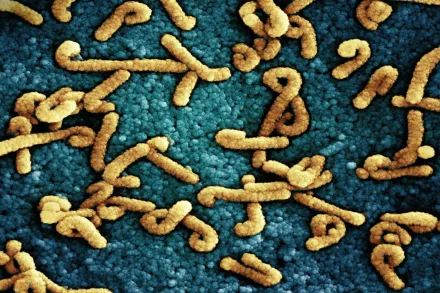
The human body harbors a vast and dynamic community of microorganisms that reside primarily in the digestive tract, forming a complex ecosystem often referred to as the gut microbiota. This microbial world is not a mere passenger but an active partner in health, continuously interacting with the host through metabolism, immune signaling, and protection against invading pathogens. The concept of disease prevention through gut bacteria rests on the idea that a balanced and diverse microbial community can reduce susceptibility to infections, dampen harmful inflammatory processes, influence metabolic pathways, and support systems that keep the body resilient in the face of stress, toxins, and disease agents. This relationship is intricate and context dependent, shaped by genetics, age, diet, environment, and medical history. The growing body of research presents a picture in which gut bacteria contribute to defense in a variety of ways, from strengthening physical barriers to modulating immune responses and influencing distant organs through biochemical messengers. The overarching message is that nurturing a healthy gut microbial ecosystem can tilt the balance toward health, lowering the risk of certain illnesses and improving the body's capacity to respond to challenges without relying solely on external interventions. The following exploration outlines the landscape of gut bacteria as guardians of health, the mechanisms by which they act, and the broader implications for prevention strategies across life stages and clinical contexts.
Understanding the gut microbiota as a complex ecosystem
The gut microbiota is composed of thousands of microbial species, including bacteria, archaea, viruses, and fungi, coexisting in a dynamic equilibrium that can shift in response to diet, medications, and environmental exposures. Each person harbors a unique microbial fingerprint shaped by early-life exposures, mode of delivery at birth, dietary patterns, and cumulative experiences with antibiotics, infections, and stress. Within this community, certain microbes play pivotal roles in maintaining homeostasis by metabolizing nutrients that would otherwise accumulate and by producing metabolites that act as signaling molecules for the host. The microbial network exhibits redundancy, meaning that multiple species can perform similar functions, which contributes to resilience when some members fluctuate or decline. At the same time, the community is vulnerable to disruption when diversity is reduced or when pathogenic organisms gain a foothold, highlighting the importance of maintaining a balanced microbiome as a cornerstone of preventive health. The spatial organization of the gut, from the mucus layer lining the intestinal surface to the luminal contents, provides niches that support specialized microbial activities, complementing the host’s physiology in a remarkable exchange that spans chemical, cellular, and systemic dimensions. In this sense, the gut microbiota is not merely a passive inhabitant but a living mediator of metabolic and immune processes that intersect with many organ systems and influence disease risk in a broad and nuanced way.
The primary mechanisms by which gut bacteria protect against disease
First, there is the barrier function of the gut, a physical and chemical shield that microbes help to reinforce. The intestinal lining is fortified by tight junctions between epithelial cells, mucus produced by goblet cells, and antimicrobial peptides that deter microbial overgrowth. Beneficial bacteria contribute to this barrier by stimulating mucus production and by generating metabolites that nourish colonocytes, the cells lining the gut. One of the most important of these metabolites is butyrate, a short-chain fatty acid produced when dietary fibers are fermented by certain commensal bacteria. Butyrate serves as a primary energy source for colonocytes and enhances the integrity of the mucosal barrier, reducing the likelihood that bacteria or their components leak into the bloodstream and trigger harmful inflammatory responses. By strengthening the barrier, gut bacteria indirectly prevent a spectrum of diseases in which barrier dysfunction plays a role, including inflammatory conditions and some metabolic disorders. This barrier-centric protection intersects with immune readiness, because a robust barrier helps maintain a calm immune environment and prevents chronically activated inflammatory pathways that can contribute to tissue damage elsewhere in the body.
Second, colonization resistance represents a core protective mechanism. The gut is densely populated, and the competition for nutrients and ecological niches is intense. When a healthy and diverse microbiota is present, pathogenic organisms find it difficult to establish themselves, limiting infections such as certain gastrointestinal pathogens. Some commensal bacteria also secrete bacteriocins and other antimicrobial compounds that specifically target invaders, further reducing the risk of pathogen overgrowth. This form of preemptive defense is particularly important in contexts where antibiotic exposure can temporarily reduce microbial diversity, opening a window of vulnerability that could be mitigated by a quickly reestablished colonization of beneficial microbes. The balance between competition and cooperation within this microbial network shapes how well the host resists disease-causing organisms and recovers from perturbations that would otherwise compromise health.
Third, the metabolic output of gut bacteria has profound implications for disease prevention. Short-chain fatty acids such as acetate, propionate, and butyrate modulate host energy balance, immune tone, and inflammatory responses. These metabolites influence the activity of immune cells in the gut-associated lymphoid tissue and beyond, helping to calibrate responses to potential threats without tipping into chronic inflammation. The microbiota also engages in vitamin synthesis and interaction with bile acids, transforming them into signaling molecules that regulate lipid metabolism, glucose homeostasis, and microbial composition itself. This metabolic crosstalk creates a feedback loop in which diet shapes microbial communities, and those communities, in turn, shape how the body processes nutrients and responds to metabolic stress. The result is a more adaptable and resilient system capable of withstanding dietary challenges and environmental stressors that might otherwise promote disease development.
Fourth, immune modulation is a central pillar of microbial-mediated protection. The gut is the largest immune organ in the body, and gut bacteria educate and regulate immune responses by presenting microbial antigens, shaping the balance between pro-inflammatory and anti-inflammatory signals, and promoting the generation of regulatory T cells and secretory immunoglobulin A. These immune adaptations help the host distinguish harmless commensals from harmful pathogens and contribute to immune tolerance, reducing the risk of inappropriate inflammatory reactions that underpin many chronic diseases. The gut microbiota also interacts with microglia and the nervous system through immune-mediated pathways, linking peripheral immune status to central nervous system function and potentially influencing neuroinflammatory processes that can affect brain health and behavior. Collectively, these immune mechanisms form a multilayered defense strategy, where microbial cues fine-tune the immune system to respond appropriately to real threats while maintaining tolerance for beneficial microbes and dietary components.
Fifth, the microbiota is involved in signaling to distant organs through a variety of biochemical messengers. Microbial metabolites and microbial components can travel through the circulation and interact with liver, adipose tissue, muscle, and brain, signaling through receptors and modulating gene expression and metabolic pathways. This gut-to-body communication influences susceptibility to cardiometabolic diseases, liver conditions, and mental health outcomes, underscoring the systemic reach of gut bacteria in disease prevention. The concept of a microbiome-wide impact implies that health interventions aimed at shaping the gut microbial landscape can have far-reaching effects, extending beyond the digestive tract to influence the risk profile for a range of disorders. Understanding these signals helps researchers and clinicians design strategies that harness the microbiota’s preventive potential while minimizing unintended consequences.
Diet, antibiotics, and lifestyle as modulators of the gut ecosystem
Dietary patterns have a powerful and immediate influence on which microbial communities thrive and which functions they perform. Diets rich in diverse plant fibers feed beneficial microbes that produce protective metabolites like butyrate, reinforcing barrier function and promoting immune balance. Conversely, diets low in fiber and high in processed foods can favor microbial configurations associated with inflammation and altered metabolism, thereby changing the host’s disease risk landscape. The interplay between diet and the microbiome also affects the production of signaling molecules derived from bile acids and amino acids, which in turn shape systemic metabolism and inflammatory tone. Healthy dietary choices, therefore, act as a practical means to nurture a protective microbial milieu, whereas poor dietary habits may erode this shield over time. The relationship between nutrition and microbial health is bidirectional; microbes respond to what we eat and, in turn, shape how that food is processed and used by the body, influencing energy balance, nutrient absorption, and metabolic health in a lasting way.
Antibiotics are a critical disruptor of the gut ecosystem. They can dramatically reduce diversity, alter the relative abundance of key species, and temporarily diminish the protective functions that rely on a well-balanced community. The consequences vary with the type of antibiotic, duration of treatment, and individual baseline microbiota. Recovery often involves a reassembly process in which resilient strains repopulate niches and reestablish colonization resistance, but this recovery can take weeks to months and may not fully restore the previous ecosystem before disruption. During this vulnerable window, the host may experience increased susceptibility to infections or metabolic disturbances, illustrating why precision in antibiotic use and consideration of microbiome-supporting strategies are important for disease prevention. Diet, probiotic supplementation, and, in some cases, targeted microbiome therapies can assist in expediting recovery and preserving protective functions after antibiotic exposure.
Lifestyle factors, including physical activity, sleep quality, stress management, and environmental exposures, also shape the gut microbiota. Regular exercise has been associated with a more diverse microbial ecosystem and favorable metabolite profiles, which correspond to improved metabolic health and reduced inflammatory markers. Adequate sleep and stress reduction contribute to a stable neuroimmune environment, potentially influencing how the microbiota communicates with the host’s immune system and nervous system. Exposure to diverse, nature-based environments and contact with a variety of microbes early in life may support maturation of the microbiome that confers long-term resilience. While each individual’s microbial trajectory is unique, these lifestyle patterns tend to promote a habitat in which beneficial bacteria can thrive and perform their protective roles, contributing to a reduced risk of disease across the lifespan.
Probiotics, prebiotics, and emerging therapies for prevention
Probiotic interventions introduce live microorganisms with the aim of enhancing beneficial functions of the gut microbiota. The most commonly studied strains belong to genera such as Lactobacillus and Bifidobacterium, among others, and their effects can include modest improvements in barrier function, immune regulation, and fermentation of dietary fibers. Yet the clinical outcomes of probiotic use are heterogeneous, often dependent on the strain, dose, and the specific health context. It is important to recognize that probiotics are not universal cures; rather, they are targeted agents whose benefits may be meaningful in particular situations, such as after antibiotic use, during certain infections, or for specific inflammatory conditions. The concept of microbial rehabilitation through probiotics is complemented by prebiotics, non-digestible food components that selectively feed beneficial bacteria, thereby promoting a favorable shift in the microbial community and enhancing the production of health-promoting metabolites. The combination of probiotics and prebiotics—synbiotics—holds promise in certain preventive settings, though robust evidence across diverse populations remains an active area of investigation. Fecal microbiota transplantation represents a more radical approach to recalibrating the gut ecosystem, with demonstrated efficacy in select clinical scenarios but accompanied by considerations of donor screening, safety, and long-term effects. As these strategies mature, they offer potential avenues for disease prevention by shaping microbial function rather than simply altering composition. In parallel, research into targeted microbiome-modulating therapies aims to refine interventions that enhance barrier integrity, optimize immune regulation, and steer microbial metabolism toward protective phenotypes. These advances reflect a shift from broad-spectrum approaches to precision microbiome management guided by personalized health profiles.
Clinical evidence across diseases and prevention contexts
A growing body of clinical data links gut microbial composition and function with reduced risk of infection, metabolic disorders, inflammatory diseases, and certain cancers. In the realm of infectious disease prevention, a robust and diverse microbiota can shorten colonization periods for opportunistic pathogens and lessen the severity of illnesses by maintaining barrier integrity and modulating immune readiness. In metabolic disorders, microbiome-derived metabolites interplay with insulin sensitivity and lipid metabolism, offering a biological basis for the observation that diet and microbial ecology influence body weight and cardiometabolic risk. In inflammatory diseases such as ulcerative colitis and Crohn's disease, microbial imbalances correlate with disease activity, and therapies aimed at restoring microbial balance can support disease control, though responses vary among individuals. In the cancer arena, certain bacterial metabolites have been implicated in modulating inflammation and DNA repair pathways, with ongoing research exploring how microbiome manipulation could complement conventional preventive measures. While the evidence is robust in some contexts, it remains mixed or preliminary in others, underscoring the need for personalization and careful interpretation of findings. The field is actively refining our understanding of which microbial configurations and metabolite signatures best predict healthy outcomes and how interventions can produce consistent, long-term preventive benefits for diverse populations.
A crucial aspect of translating microbiome science into prevention strategies involves recognizing that microbial health is self-reinforcing rather than a one-size-fits-all solution. Individual variability means that what protects one person might be less effective in another, depending on genetic background, existing health conditions, dietary patterns, and prior exposures. This nuance emphasizes the importance of comprehensive health approaches that integrate lifestyle optimization, prudent medical care, and evidence-informed microbiome support. It also invites a cautious optimism: while gut bacteria hold significant preventive potential, realizing that potential responsibly requires ongoing research, rigorous clinical trials, and careful consideration of safety, ethics, and equity. By prioritizing well-being through balanced nutrition, modest yet meaningful lifestyle changes, and evidence-based microbiome interventions when appropriate, people can participate in shaping a gut ecosystem that contributes to disease resistance without overreliance on any single strategy.
Safety, ethics, and future directions in microbiome-centered prevention
As the field advances, safety considerations become central to any microbiome-based preventive approach. The introduction of live microbes, whether through probiotics or FMT, necessitates stringent donor screening, oversight, and post-therapy monitoring to minimize risks such as infection or unintended microbial transfer of traits. Ethical considerations include equitable access to emerging therapies, informed consent that clearly communicates uncertainties, and the protection of personal microbiome data, which may reveal sensitive information about health status and lifestyle. Researchers are increasingly focused on understanding long-term effects, particularly how early-life microbiome modulations influence health trajectories across decades. The promise of personalized microbiome management lies in tailoring interventions to an individual’s microbiota profile, lifestyle, and health goals, a task that requires robust bioinformatics, standardized measurement practices, and careful interpretation to avoid overstatements about capabilities. Technological advances in sequencing, metabolomics, and computational modeling are enriching our understanding of microbial networks and enabling more precise predictions of how a given intervention will reshape disease risk. In this evolving landscape, prevention strategies that respect natural microbial diversity, promote resilient ecosystems, and align with patient values hold the greatest potential to reduce disease burden in a sustainable and scalable manner.
Practicing informed prevention in daily life
The practical message for individuals seeking to leverage gut bacteria for disease prevention is that long-term health benefits grow from consistent, evidence-aligned choices rather than dramatic, short-term fixes. Emphasizing a varied, fiber-rich diet that includes a broad spectrum of plant-based foods can nourish a diverse community of beneficial microbes that contribute to barrier function, immune regulation, and metabolic balance. Minimizing unnecessary antibiotic exposure without compromising essential medical care helps preserve microbial diversity and the protective functions it supports. Cultivating healthy sleep patterns, managing stress, and maintaining physical activity contribute to a stable internal environment in which the gut microbiota can thrive and perform its protective roles. When clinically indicated and guided by healthcare professionals, targeted microbiome-focused therapies may be considered as part of a broader preventive plan, particularly after disruption events or in the context of specific health risks. This holistic approach recognizes that building and maintaining a protective gut ecosystem requires attention to diet, medicine, behavior, and the surrounding environment, all of which together shape the health trajectory of an individual.
Concluding reflections on the preventive potential of gut bacteria
The emerging understanding of how gut bacteria contribute to disease prevention reframes the microbiome as an active ally in health maintenance rather than a passive entity. By supporting barrier integrity, enabling colonization resistance, promoting beneficial metabolic signaling, and shaping immune responses, the gut microbiota offers multiple avenues through which prevention can occur. The strength of this protective network lies in its adaptability: a diverse and resilient microbial community can respond to dietary shifts, recover after perturbations, and work in concert with the host to mitigate risk factors across different life stages. While not a substitute for medical care or lifestyle interventions, leveraging the gut microbiota through informed dietary choices, prudent use of antibiotics, and, when appropriate, medically supervised microbiome therapies, represents a meaningful dimension of preventive medicine. As science progresses, the path toward personalized microbiome-informed strategies becomes more tangible, inviting a future in which prevention is increasingly rooted in the partnership between humans and their microbial inhabitants, with consequences that extend from the gut to the whole body.