Seasonal illness touches more than health; it affects daily routines, work and school attendance, and the sense of well being that people carry into the colder and cooler months. The risk of catching a cold, flu, or other respiratory infections tends to rise when people gather indoors for long periods, when air becomes drier and less circulated, and when patterns of social contact shift with holidays and seasonal activities. Yet the good news is that much of what drives seasonal illness is preventable or significantly reducible through thoughtf...
Prevention & Immunity


Omega-3 fatty acids are a group of polyunsaturated fats that play a central role in building and maintaining the structure of cell membranes and in modulating the activity of genes involved in metabolism. The most studied members of this family are EPA and DHA, long chain fatty acids abundant in marine life, and ALA, a shorter chain fatty acid found primarily in plant sources. The body can convert ALA into EPA and DHA, though the conversion is limited and influenced by various dietary factors, making direct dietary sources of EPA and DHA partic...

Understanding the fight against gut infections begins with recognizing the complex ecosystem that lives inside the human digestive tract. The gut is home to trillions of microorganisms that interact with the host in ways that influence digestion, metabolism, immunity, and barrier function. When this delicate balance is disturbed by factors such as antibiotics, stress, poor diet, or exposure to new pathogens, the risk of gastrointestinal infections increases. Probiotics are living microorganisms that, when consumed in adequate amounts, are inten...
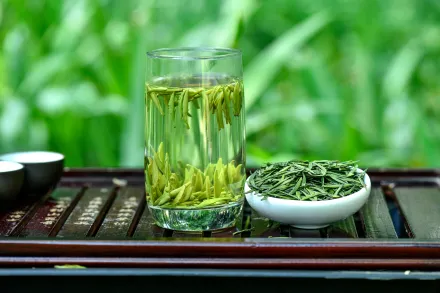
Green tea has long occupied a special place in many cultures as a refreshing beverage with a calm, uplifting effect. Beyond taste and ritual, it has attracted attention from researchers and health enthusiasts for its potential to support the immune system in nuanced ways. The immune system is a complex network of cells, tissues, and signaling molecules that defend the body against pathogens, repair damage, and maintain balance in the internal environment. What makes green tea particularly interesting to scientists is not a single miracle compou...

Flu season arrives with a familiar rhythm each year, bringing with it cool air, crowded spaces, and a sense that everyone around you is sharing a common challenge. The goal of this article is not merely to chase a perfect record of no illness but to offer a thoughtful, practical approach that lowers the odds of catching the flu while allowing you to lead a normal, productive life during the months when viruses are most active. By weaving together evidence based health practices, everyday habits, and informed decision making, you can build a res...
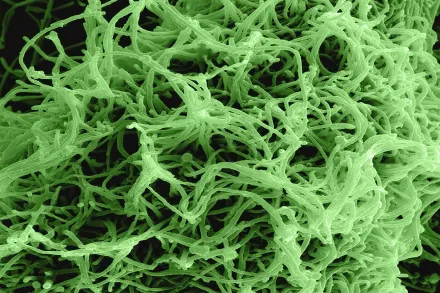
Fiber stands at the intersection of nutrition, physiology, and public health, offering a broad array of effects that extend far beyond simple bowel regularity. This vast category of plant-derived compounds resists human digestive enzymes as it travels through the gastrointestinal tract, where it interacts with the resident microbiome, the lining of the gut, and distant organ systems. In recent decades, researchers have increasingly recognized fiber not merely as a laxative but as a functional nutrient that can influence the risk and trajectory ...

In the vast landscape of human health, the immune system stands as a dynamic and vigilant network that protects the body from a multitude of threats. It is not a single entity but an intricate system comprised of cells, tissues, and signaling molecules that coordinate to detect invaders, mount appropriate responses, and remember past encounters. The functioning of this complex defense relies on a steady supply of nutrients that support the growth, differentiation, communication, and energy needs of immune cells. Vitamins and minerals, often des...

Chronic fatigue is a complex experience that often emerges from a subtle interplay between energy systems in the body, immune signaling, and everyday stressors. When the immune system is in a state of ongoing activation or imbalance, it can consume resources that would otherwise be directed toward repairing tissues, sustaining mitochondrial function, and maintaining steady energy production. The aim of immune supported fatigue prevention is not to suppress immunity but to encourage balanced, resilient immune responses that reduce unnecessary in...
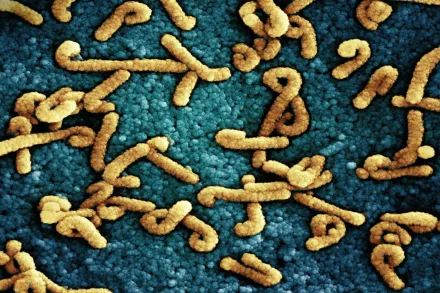
The human body harbors a vast and dynamic community of microorganisms that reside primarily in the digestive tract, forming a complex ecosystem often referred to as the gut microbiota. This microbial world is not a mere passenger but an active partner in health, continuously interacting with the host through metabolism, immune signaling, and protection against invading pathogens. The concept of disease prevention through gut bacteria rests on the idea that a balanced and diverse microbial community can reduce susceptibility to infections, dampe...

Antioxidants have long been celebrated for their role in protecting cells from damage caused by free radicals, and in the realm of immune health they occupy a central position that bridges daily eating patterns with long term resilience. The immune system is not a single organ but a complex network of tissues, cells, and signaling molecules that coordinate defenses, repair injuries, and maintain a delicate balance between attack and tolerance. When the body faces infections or inflammatory challenges, immune cells multiply, communicate through ...