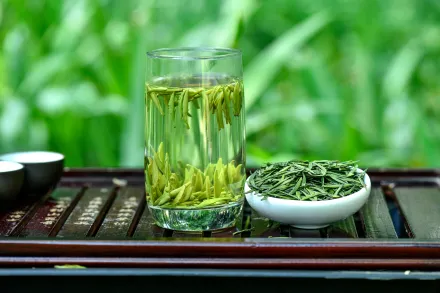
Green tea has long occupied a special place in many cultures as a refreshing beverage with a calm, uplifting effect. Beyond taste and ritual, it has attracted attention from researchers and health enthusiasts for its potential to support the immune system in nuanced ways. The immune system is a complex network of cells, tissues, and signaling molecules that defend the body against pathogens, repair damage, and maintain balance in the internal environment. What makes green tea particularly interesting to scientists is not a single miracle compound but a combination of bioactive substances that can interact with immune pathways without overwhelming the body. This article explores how green tea may contribute to immune health by detailing the science of its components, the mechanisms by which they act, and the practical considerations that help people incorporate it into a balanced lifestyle.
From a historical perspective, the cultivation and consumption of green tea were shaped by regional climates and traditional knowledge about how plant chemistry translates into wellbeing. Modern investigations have begun to map those traditional observations onto measurable physiological effects. The core idea is that the natural compounds in green tea can modulate oxidative stress, influence inflammatory signals, and support the effectiveness of immune cells in a way that complements a healthy diet and regular physical activity. The global interest in green tea as a potential ally for immune health reflects a broader appreciation for plant-derived polyphenols and amino acids that work in harmony with the body's defense systems. The picture that emerges is not one of a cure but of a sustainable, nuanced support that may help the immune system perform its duties with greater balance over time.
In everyday terms, immune health is not about a single action but a constellation of small, continuous adjustments. Green tea provides a steady stream of compounds that are relatively gentle in their effects yet persistent across hours and days. It is not a substitute for medical treatment or a medical diagnosis, but when incorporated thoughtfully, it can be part of a broader approach that includes adequate sleep, moderate exercise, diverse nutrients from a variety of foods, and strategies to reduce chronic stress. In this sense, green tea may contribute to immune resilience by supporting the body's first lines of defense, safeguarding mucosal surfaces, and helping immune cells respond to challenges with measured responses rather than excessive inflammation. The following sections unpack these ideas in more concrete terms, drawing on current scientific understanding and practical guidance grounded in everyday life.
At the level of chemistry, green tea contains a suite of polyphenols, amino acids, caffeine, minerals, and volatile compounds that together create a unique biochemical profile. Among these, catechins stand out as potent antioxidants that can neutralize reactive molecules and influence signaling networks within immune cells. L-theanine, an amino acid present in notable amounts, has been associated with effects on stress and attention, which indirectly support immune function by reducing the impact of chronic stress hormones on immune regulation. Caffeine adds a mild stimulant effect that some people appreciate for focus and alertness, and it also interacts with metabolic pathways that can influence energy availability for immune processes. The combination of these constituents means that green tea can offer a multi-faceted influence on immune health that is greater than the sum of its parts when consumed as part of a balanced lifestyle.
In the sections that follow, we will examine how these compounds operate at the cellular and systemic levels, how evidence translates from laboratory settings to real-world outcomes, and how to incorporate green tea into daily routines in a way that respects individual health needs and preferences. The focus will be on mechanisms such as oxidative balance, inflammatory signaling, gut microbiota interactions, and the way immune cells communicate with each other through cytokines and receptors. By understanding these processes, readers can appreciate why a seemingly simple beverage can be associated with broader patterns of wellness without implying a guaranteed cure or an alternative to medical care when it is needed.
Biochemical foundations: what makes green tea special for immunity
The immune system relies on a delicate balance between defensive activity and controlled inflammation. Green tea contributes to this balance through a spectrum of biologically active molecules that can influence both the redox environment and the signaling relationships among immune cells. The most prominent of these molecules are the catechins, a family of flavonoids that include epigallocatechin gallate, commonly abbreviated as EGCG, along with other related catechins. EGCG is often highlighted in research because of its strong antioxidant capacity and its ability to interact with cell membranes and enzymes involved in immune signaling. These interactions can help modulate oxidative stress and reduce the potential for collateral tissue damage during immune responses, particularly in tissues exposed to environmental stressors or irritants.
Another important component is L-theanine, an amino acid that seems to influence brain chemistry and overall stress responses without causing sedation. Because chronic stress can suppress certain aspects of immune function by altering hormone levels, L-theanine may indirectly contribute to immune resilience by helping to maintain a calmer physiological state. When the body experiences lower levels of stress hormones such as cortisol over time, the immune system can respond more efficiently to infections or challenges without tipping into excessive inflammatory states. The caffeine present in green tea, while modest compared with coffee, can support alertness and mental engagement, which in turn can influence behavior that supports health, such as adherence to medical advice or consistent sleep routines. Caffeine also has nuanced effects on metabolism and energy availability that can influence immune cell function, especially during moderate physical activity or periods of fatigue.
The synergy between catechins and other polyphenols in green tea can contribute to a composite antioxidant effect. Antioxidants help maintain the integrity of cellular components, including those of immune cells, by reducing lipid peroxidation and DNA damage that can otherwise disrupt immune performance. The catechins also interact with signaling pathways such as nuclear factor kappa B (NF-κB) and mitogen-activated protein kinases (MAPKs), which play central roles in inflammatory responses. By modulating these pathways, green tea components can influence the magnitude and duration of inflammatory signals, potentially supporting a more measured and proportionate response to pathogens while still enabling robust defense when needed. These molecular interactions are a centerpiece of why researchers continue to investigate green tea as a possible contributor to immune health.
Beyond direct immune signaling, green tea can influence the gut environment, where a large portion of immune activity takes place. The gut-associated lymphoid tissue is exposed to the bacterial inhabitants of the intestines, and polyphenols can shape the composition and activity of the gut microbiota. This, in turn, can affect the development of immune tolerance, the maturation of immune cells, and the production of local immune mediators. A diverse, balanced microbiome supports a more resilient barrier against pathogens and can reduce low-grade inflammation that sometimes fuels immune dysregulation. Thus, the biochemical foundations of green tea's effects extend from the molecules in the cup to the broader ecosystems within the body that help coordinate a healthy immune response.
Key compounds and their roles
At the heart of green tea's immune-related properties are catechins, particularly EGCG, which stands out for its potent antioxidant activity and its capacity to interact with multiple protein targets. EGCG can bind to enzymes involved in oxidative stress responses and influence the activity of immune cells such as macrophages and dendritic cells, which are responsible for presenting foreign material to the adaptive immune system. This kind of interaction can help shape the quality of the immune response, supporting pathogen clearance while mitigating excessive inflammation that can damage tissues. Other catechins, including epicatechin and epigallocatechin, contribute to a broader antioxidant profile and may help regulate the balance between pro-inflammatory and anti-inflammatory signals during immune challenges.
L-theanine is another key player because it crosses the blood-brain barrier and impacts neurotransmitter systems that influence mood, sleep, and stress. In turn, sleep and stress modulate immune function. When sleep is restorative and stress is managed, the immune system can function with better precision, avoiding prolonged inflammatory states. In addition, L-theanine may have a role in modulating the production of certain cytokines, signaling molecules that direct the behavior of immune cells. The modest caffeine content in green tea also interacts with metabolic processes and can affect energy availability for immune cells during periods of activity. While caffeine is not an immune-specific molecule, its presence influences the overall physiological milieu in which immune responses unfold, especially for those who consume green tea as part of a daily routine that includes physical activity and mental work.
Other components of green tea, such as certain minerals and volatiles, may contribute to the overall experience of a healthy lifestyle. While they may have subtler effects compared with catechins and L-theanine, these constituents can help support hydration, palatability, and consistent consumption, which are practical factors in maintaining any long-term health strategy. Because immune health is not achieved through a single nutrient but rather through a pattern of intake and daily choices, the combined effects of these compounds in green tea can be meaningful when the beverage replaces less healthy options or complements a nutrient-dense diet. The essence of these roles lies in the way green tea interacts with the body's defense networks over time, creating a steady backdrop of support rather than a sudden, dramatic response to a temporary challenge.
How green tea interacts with the immune system
Immune responses require coordination among innate defenses, such as barrier tissues and phagocytic cells, and adaptive defenses, including specialized lymphocytes that recognize specific threats. Green tea compounds appear to influence this coordination in several ways. First, the antioxidant properties of catechins help limit oxidative stress, a factor that can amplify inflammatory signaling and potentially exhaust immune resources when left unchecked. By helping to maintain a healthier redox balance, green tea may support the capacity of immune cells to respond appropriately without triggering excessive inflammation that can hinder healing or tissue integrity.
Secondly, green tea components can modulate the activity of macrophages and dendritic cells, which function as sentinels that capture foreign material and present it to other immune cells. By tempering overzealous responses and supporting antigen presentation when appropriate, green tea may contribute to a balanced immune activation. This is particularly relevant in mucosal sites such as the gut and upper airways, where immune surveillance is continuous and exposure to environmental microbes is frequent. A steady, well-regulated immune tone in these tissues is a cornerstone of resilience against infections without provoking chronic inflammation that can predispose to disease.
Thirdly, the gut microbiome emerges as a critical intermediary through which green tea influences immunity. Polyphenols, including catechins, can alter bacterial communities and microbial metabolites that regulate immune cell development and function. A diverse microbiota fosters the maturation of regulatory T cells and the maintenance of intestinal barrier integrity, both of which are essential for preventing inappropriate inflammatory responses to benign antigens. By shaping the microbial ecosystem, green tea indirectly supports immune homeostasis and reduces the likelihood that harmless exposures escalate into damaging inflammatory attacks.
Finally, the mood and sleep-related effects associated with L-theanine and caffeine can influence immune outcomes through behavioral pathways. Adequate sleep and lower chronic stress are linked with more robust vaccine responses and better infection outcomes in many studies. While green tea is not a substitute for good sleep hygiene or medical care, integrating it into a mindful routine may help people achieve a consistent pattern of rest and recovery that supports immune readiness over the long term.
Clinical and population evidence
Clinical research on green tea and immune health spans laboratory studies, small human trials, and population-based observations. In laboratory contexts, extracts rich in catechins have demonstrated the capacity to reduce inflammatory mediators in cultured immune cells and to limit oxidative damage in cell models. These findings provide a mechanistic rationale for the observed associations in humans, although translating lab results to real-world outcomes requires careful consideration of dosage, bioavailability, and individual variation. The doses used in cell studies often exceed what a person would typically obtain through ordinary consumption, yet they inform understanding of possible biological pathways through which green tea could exert effects.
In human studies, some observational data suggest that habitual green tea consumption is associated with lower incidences of certain infections, including upper respiratory tract infections, compared with non-drinkers or those with lower intake. However, observational studies cannot prove causation, and multiple lifestyle factors may confound results. Randomized controlled trials investigating immune endpoints such as antibody responses to vaccines or incidence of infections are more informative for establishing cause-and-effect relationships, but they are more challenging to conduct for long periods with standardized tea protocols. Nevertheless, when trials have been conducted, modest improvements in immune markers or reductions in symptom duration have been reported in some populations, especially when green tea was consumed regularly as part of a broader healthy lifestyle. These findings point to a potential, supportive role for green tea rather than a definitive remedy for immune-related concerns.
Overall, the evidence supports a nuanced view: green tea can be one element in a multifaceted approach to immune health. Its benefits are likely to be incremental and dependent on consistent consumption, overall diet quality, sleep, stress management, and physical activity. Individuals should interpret research cautiously and recognize that results may vary across different age groups, genetic backgrounds, health statuses, and cultural contexts. For many people, enjoying a few cups of green tea daily can contribute to a sense of well-being while possibly offering subtle, complementary immune support. The key is to integrate this beverage into a holistic pattern of healthy living rather than relying on it as a standalone intervention for disease prevention or treatment.
Practical guidance on consumption for immune support
Practical guidance emphasizes moderation, variety, and mindfulness rather than rigid prescriptions. A balanced approach suggests that most adults can incorporate green tea as part of daily hydration, with an emphasis on moderate consumption that aligns with personal caffeine tolerance and digestive comfort. For many people, three to four cups per day provide a meaningful intake of catechins and L-theanine without approaching limits that might cause sleep disturbance or stomach upset. It is important to consider total caffeine exposure from all sources, particularly for individuals who are sensitive to caffeine, pregnant people, and those with certain cardiovascular or sleep-related conditions. Adjusting the brew strength and timing can help tailor the experience to individual needs while still preserving potential immune-supporting properties.
Brewing technique matters because the extraction of catechins and other compounds depends on water temperature and steeping time. A gentle approach involves using water that is hot but not boiling, typically around seventy to eighty degrees Celsius, and steeping for a couple of minutes. Shorter steeps tend to extract more delicate flavors and fewer catechins, while longer extractions increase polyphenol content but may also heighten bitterness. People who enjoy lighter flavors can opt for shorter immersion, while those seeking stronger antioxidant exposure can extend the steeping slightly, bearing in mind personal tolerance. Fresh, properly stored green tea leaves or bags help maintain the integrity of the compounds that contribute to immune-related effects. Proper storage in a cool, dry place minimizes degradation that could diminish flavor and potential health benefits over time.
Beyond cup size and timing, variety matters. Different green tea varieties, such as those processed with distinct leaf ages and kiln temperatures, offer subtle differences in aroma, texture, and bioactive content. Choosing a mix of teas or rotating among familiar favorites provides sensory richness and helps maintain a sustainable habit. Hydration is also a practical consideration; green tea can contribute to daily water intake, which supports physiological processes including immune surveillance and mucosal health. When consumed as part of a wider daily routine that includes other nutrient-rich foods, green tea acts as a complement rather than a stand-alone solution, reinforcing healthy choices across meals and activities.
For individuals who have iron deficiency or anemia, it may be beneficial to separate green tea consumption from meals to minimize tannin-related interference with iron absorption. Consulting with a healthcare professional can provide personalized guidance, especially for people with preexisting conditions, those taking certain medications, or those who are undergoing treatment for illness. In healthy adults, awareness about timing, caffeine sensitivity, and overall dietary balance can help optimize the immune-related advantages of green tea while avoiding unintended effects. This balanced perspective reinforces the idea that green tea is most effective as part of a broader, thoughtful approach to health rather than as a solitary intervention.
Safety considerations and who should be cautious
Safety considerations emphasize reasonable intake and awareness of individual differences. Green tea is generally regarded as safe for most adults when consumed in moderate amounts. However, excessive consumption can lead to caffeine-related side effects such as sleep disturbance, jitteriness, and upset stomach. For some individuals with anxiety disorders or sensitivity to caffeine, even smaller amounts can be problematic. In addition, high doses of green tea catechins have been associated with rare liver-related adverse events in susceptible individuals, underscoring the need for moderation and medical consultation if someone experiences unusual symptoms after consuming green tea or green tea extracts.
Iron absorption is another consideration, because tannins in tea can interfere with the uptake of non-heme iron from plant-based foods. People who rely heavily on plant-derived iron sources or have low iron stores may wish to drink green tea between meals rather than during meals to minimize potential interference. Pregnant and breastfeeding individuals should approach caffeine intake with caution and discuss limits with a healthcare provider, particularly if there are other sources of caffeine in the daily routine. Those who take medications that interact with liver enzymes or are undergoing treatment for chronic conditions should consult a clinician about potential interactions, since green tea constituents can influence drug metabolism in some cases. In everyday life, listening to one’s body, starting with moderate portions, and seeking professional advice when uncertain are prudent strategies to enjoy green tea safely while supporting immune health.
Green tea alongside other lifestyle factors
Immune health emerges from a tapestry of habits, and green tea earns its place within that tapestry when combined with other well-established strategies. Adequate sleep supports immune memory and the effective function of immune cells, while regular physical activity helps circulation and the delivery of immune signals to tissues throughout the body. A diet rich in colorful fruits and vegetables provides a spectrum of vitamins, minerals, and phytonutrients that work in concert with green tea’s polyphenols to maintain the redox balance and support antibody production. Stress management, including mindfulness practices, social connections, and adequate leisure time, helps blunt chronic activation of stress hormones that can dampen immune resilience over the long term. When these elements are aligned, green tea can be a pleasant, sustainable part of a lifestyle that promotes immune health rather than relying on a single intervention to achieve results.
Hydration, digestion, and gut health also intersect with immune performance. Foods and beverages that promote a diverse microbiome can enhance immune tolerance and improve barrier function in mucosal tissues. Green tea contributes to this ecological balance through polyphenols that interact with microbial communities and by offering a noncaloric, hydrating beverage option. People who incorporate green tea into a domain of wellness practices may notice not only potential immune-related benefits but also improvements in mood, energy, and focus, which help sustain healthy choices across days and weeks. The practical takeaway is to view green tea as one friend among many in the journey toward resilient health, rather than a single solution that resolves every challenge the body's defense system may face.
Addressing myths and common questions
There are several widely circulated ideas about green tea and immunity, some of which overstate what the science currently supports. One common myth is that green tea by itself can prevent illness or cure disease. While there is evidence suggesting potential supportive effects, it is more accurate to view green tea as a complementary item within a broader health strategy. Another misconception is that all green tea products offer identical benefits. In reality, processing methods, harvest times, and storage conditions influence the content and bioavailability of catechins and other compounds, so quality and freshness matter. A further question concerns whether green tea can replace vaccinations or prescribed medications. It cannot; vaccines and medicines serve specific, evidence-based purposes and must be chosen in consultation with healthcare professionals. The best approach is to enjoy green tea as part of a diverse, nutrient-dense diet that supports the immune system while following medical guidance for disease prevention and treatment.
Many readers wonder about the idea of high-dose green tea extracts as a more potent option. While concentrated extracts can deliver significant amounts of catechins, they may also raise safety considerations, particularly for the liver in susceptible individuals. Whole-leaf tea or tea bags consumed as part of a varied diet tends to offer a gentler, more balanced exposure that is easier to integrate into daily life. The bottom line is that responsible consumption emphasizes moderation, respect for personal tolerance, and a preference for quality over quantity when choosing green tea products. This approach keeps expectations aligned with the current body of evidence and avoids overstatement or sensational claims that can mislead readers seeking practical guidance.
Future directions and ongoing research
Research into green tea and immune health continues to unfold, with scientists exploring how individual differences in genetics, microbiome composition, and lifestyle factors shape responses to tea polyphenols. Advanced techniques in nutrition science, biochemistry, and immunology are helping to clarify how catechins, L-theanine, and caffeine interact with specific immune pathways in humans. New studies aim to determine optimal intake levels for different populations, assess long-term safety across diverse groups, and identify potential synergies with other dietary patterns such as the Mediterranean or plant-forward diets. As our understanding grows, guidance may become more personalized, enabling people to tailor green tea consumption to their unique immune health goals and overall wellness strategy while remaining mindful of safety and evidence-based expectations.
In the meantime, the practical message remains consistent: green tea can be a flavorful, culturally rich component of a healthy lifestyle that supports immune health as part of a broader framework. It offers an array of bioactive compounds with plausible mechanisms that align with current understandings of how the immune system maintains balance. By combining scientific insight with mindful, moderate consumption and attention to overall health habits, individuals can enjoy the potential benefits of green tea without overreaching beyond what the evidence supports. The ongoing exploration of green tea’s role in immune health invites curiosity and thoughtful experimentation, encouraging people to observe how small, consistent choices accumulate into meaningful, lasting wellness outcomes.