Flu season arrives with a familiar rhythm each year, bringing with it cool air, crowded spaces, and a sense that everyone around you is sharing a common challenge. The goal of this article is not merely to chase a perfect record of no illness but to offer a thoughtful, practical approach that lowers the odds of catching the flu while allowing you to lead a normal, productive life during the months when viruses are most active. By weaving together evidence based health practices, everyday habits, and informed decision making, you can build a resilient routine that protects you and those around you without becoming all consuming or unrealistic. The ideas here emphasize steady, repeatable actions that fit into real life, acknowledging that immunity is influenced by many factors and that no single measure guarantees perfect protection.
Influenza viruses spread primarily through droplets when an infected person talks, coughs or sneezes, and they can also reach you by touching surfaces that carry the virus and then touching your nose, mouth, or eyes. The dynamics of transmission are influenced by how close you are to others, how often you interact with people who are ill, and the environmental conditions that affect viral survival. In crowded settings such as public transportation, classrooms, or busy workplaces, the chance of encountering contaminated surfaces increases, which makes deliberate efforts to reduce exposure all the more important. A nuanced understanding of how the virus travels helps you tailor your daily routines so that protective behaviors become second nature rather than burdensome obligations imposed during a short season.
The most powerful shield against influenza is vaccination. Getting an annual flu shot significantly lowers your risk of illness, reduces the severity of disease if you do become infected, and helps protect people who cannot be vaccinated for medical reasons. Vaccination is especially important for those who are in frequent contact with vulnerable individuals, such as grandparents, caregivers, and healthcare workers. It is not solely about personal protection; it strengthens the community’s defenses by reducing the overall amount of virus circulating in the population. Even after vaccination, it is prudent to continue a set of protective habits, because no vaccine is 100 percent effective and influenza viruses continually evolve. The process of getting vaccinated should be viewed as a clear standard of care that integrates with other routines rather than a one off gesture that stands alone.
Where you live and how you access healthcare influence the timing and convenience of vaccination. Some people can receive the shot at a primary care clinic, a pharmacy, or a community health center, and many systems offer free or low cost options through public health programs. Planning ahead for vaccination means scheduling early, calibrating expectations about the possible side effects, and recognizing that even if you have concerns you should discuss them with a trusted clinician. A calm, informed conversation about the vaccine can demystify the process and help you decide on the best option for your age, health status, and lifestyle. In addition to the shot, there are nasal spray vaccines for certain age groups in some seasons, and a clinician can guide you toward the choice that aligns with your preferences and health needs.
Beyond vaccination, daily hygiene practices form the backbone of flu season defense. Regular hand washing with soap and warm water for at least twenty seconds is a cornerstone habit, and it becomes more effective when you actually rinse the hands thoroughly and dry them completely. If soap and water aren’t readily available, an alcohol based hand sanitizer with at least sixty percent alcohol can reduce the number of germs on your hands, but it is not a perfect substitute in every situation, especially when hands are visibly dirty. The goal is to keep hands clean and to avoid touching your face, particularly your mouth, nose, and eyes, which are common entry points for viruses. Developing a routine of frequent hand hygiene reduces the likelihood that viruses that have been picked up from surfaces are transferred to your mucous membranes and gives you a practical line of defense in ordinary daily settings.
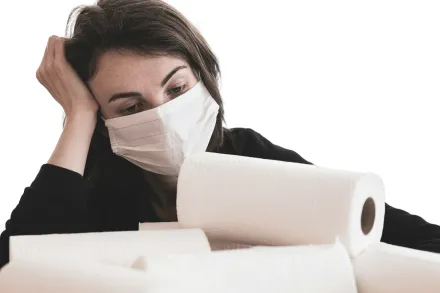
Mask use can provide an additional layer of protection, particularly in situations where you cannot avoid close contact with many people, such as crowded indoor events or when caring for someone who is ill. A well fitted mask that covers both the nose and mouth can reduce the emission of infectious droplets from the wearer and also limit exposure to pathogens for the wearer in high risk environments. It is important to choose masks that are appropriate for the setting, wear them consistently when indicated, and replace them when damp or soiled. While masks are not a stand alone solution, layered use of masks together with vaccination and good hygiene can meaningfully reduce the risk of transmission, especially during peak periods of respiratory illness spread. In addition, practicing good respiratory etiquette—covering coughs and sneezes with a tissue or the inside of the elbow and disposing of tissues properly—helps protect others around you as well as yourself, reinforcing a culture of care rather than isolation or blame in communities facing flu season.
Managing exposure to illnesses also means making thoughtful decisions about where you spend your time. If you or someone in your household is feeling unwell, staying home from work, school, or social activities is a responsible choice that protects coworkers, classmates, and friends. Balancing the value of daily responsibilities with the risk of spreading infection requires honest self assessment, especially during periods of high viral circulation. When you are sick, limiting contact with others, resting, and seeking medical advice when symptoms worsen or fail to improve after a reasonable period are prudent steps. The goal is not to punish yourself for missing activities but to protect the people who are most at risk and to shorten the duration of illness through appropriate care and rest. By viewing illness as a shared problem with a practical path to reduce impact, you can maintain your responsibilities while still prioritizing health and safety for yourself and those around you.
Quality sleep is a powerful, often underestimated contributor to immune resilience. During sleep the body conducts repair processes that strengthen immune function, support the production of infection fighting molecules, and help regulate inflammatory responses. Chronic sleep deprivation can blunt these defenses and render you more susceptible to viral infections, including influenza. Establishing a regular sleep schedule, optimizing the sleep environment, and avoiding late night stimulants can pay dividends during flu season. Pairing sufficient rest with moderate physical activity during the day and a balanced diet creates a synergy that supports both protection against illness and quicker recovery if illness occurs. Viewing sleep as a non negotiable pillar rather than a luxury is a practical mindset that yields broad health benefits beyond flu season alone.
Nutrition plays a vital role in shaping immune function. A broad palette of fruits, vegetables, whole grains, lean proteins, and healthy fats provides a spectrum of vitamins, minerals, and bioactive compounds that support immune cells and gut health. Prolonged dietary patterns that emphasize diverse foods help ensure you receive antioxidants, omega three fatty acids, vitamin C, zinc, and other nutrients known to contribute to resilient immune responses. Hydration supports mucosal barriers in the respiratory tract, which act as a first line of defense against invading pathogens. While no single nutrient can prevent the flu, consistently nourishing the body with a varied and colorful diet strengthens baseline health and fosters a steadier response to infections. In addition, reducing ultra processed foods and added sugars can help maintain stable energy levels and immune competence over the long haul.
Physical activity complements sleep and nutrition by improving circulation, lowering inflammatory signals, and promoting a healthier immune profile. Moderate exercise, such as brisk walking, cycling, or swimming, for regular intervals during the week supports heart health and may contribute to a more robust immune response. The type and intensity of activity should align with your current fitness level and any medical considerations, with emphasis on consistency rather than extreme bursts of effort. Regular movement also reduces stress, which in turn supports immune function because chronic stress can tilt the immune balance toward vulnerability. The goal is to cultivate a sustainable pattern of activity that you enjoy and can maintain through the months where viruses are most active, rather than attempting dramatic, unsustainable programs that quickly fade away when life gets busy.
Hydration is another practical habit with multiple benefits. Consistent fluid intake helps maintain mucosal moisture in the nose and throat, which can improve barrier function against viral particles. Water is best for most people, while unsweetened beverages such as herbal tea or infused water can help with flavor variety. While it is possible to drink too much water, particularly in situations of high exertion, a steady intake that matches your body’s needs tends to support energy, concentration, and respiratory health. For individuals who experience symptoms such as fever or sweating more than usual, increasing water intake can offset fluid loss and support recovery. The aim is to keep a steady baseline of hydration that supports all bodily processes, including those that defend against infections.
In some populations, certain supplements may offer modest support when used appropriately and under medical guidance. Vitamin D has been explored for its potential role in modulating immune responses, particularly in individuals who have low baseline levels due to limited sun exposure or other factors. While supplementation should not replace a balanced diet or vaccination, a clinician can advise on whether a supplement plan is appropriate for you. Zinc, when taken onset early in a respiratory infection, has been investigated for its potential to shorten duration in some cases, though it is not a universal remedy and excessive intake can cause adverse effects. If you consider supplements, consult a healthcare professional to determine safe dosages and to ensure there are no interactions with medications or medical conditions. This careful approach helps ensure that supplements fit into an overall plan rather than becoming a substitute for proven strategies such as vaccination, sanitation, and rest.
The living environment exerts a strong influence on how easily viruses spread within a household or workplace. Adequate ventilation reduces the concentration of airborne particles and helps maintain indoor air quality, especially in spaces that are occupied for extended periods. Opening windows when feasible, using exhaust fans, and avoiding stagnant air in rooms with heavy foot traffic can make a noticeable difference over time. In humid climates or seasons where air tends to be dry, maintaining a comfortable indoor humidity level—ideally somewhere around forty to sixty percent—can support mucosal defenses without encouraging mold growth. Implementing simple air flow improvements is a practical way to complement vaccination, hand hygiene, and other protective behaviors without imposing a heavy burden on daily routines.
Routine cleaning and disinfection play a supporting role in reducing the presence of germs on frequently touched surfaces. A practical approach focuses on high touch areas such as doorknobs, light switches, countertops, and shared devices. Regular cleaning with soap and water removes many contaminants, while targeted disinfection with approved products adds a layer of protection, particularly during times of high viral circulation. It is important to follow product directions for contact time and to allow surfaces to dry fully before use. Cleaning routines that become habitual in the home and workplace multiply the benefits of other protective measures by reducing the overall microbial load in shared environments, which lowers the chance that you will encounter a virus on a surface and subsequently transfer it to your face or to others you interact with.
Handling laundry and personal items with care may seem mundane, yet it matters during flu season. Used clothing, bedding, and towels can carry respiratory secretions if someone in the household is ill, so separating and washing contaminated fabrics promptly helps reduce exposure. Hot water washing and thorough drying can inactivate many pathogens, and drying cycles with heat are a practical enhancement. It is reasonable to wash hands after handling soiled items and to avoid rubbing your eyes or touching your face during the process. In shared living situations, clear routines about laundry and the use of separate towels or personal items can minimize cross contamination while maintaining a sense of normalcy and dignity for all household members. Thoughtful hygiene around shared objects, from cooking utensils to electronic devices, reinforces the protective system you are building without turning daily life into a constant medical exception from routine activities.
Public and workplace environments require a balanced approach that protects health without eroding social connections and productivity. When you ride public transit, attend meetings in enclosed spaces, or spend extended periods in indoor venues, practical strategies such as choosing less crowded times when possible, keeping a respectful distance from others who appear unwell, and ensuring good personal hygiene contribute to a healthier experience for all. Employers and institutions can support health by enabling flexible arrangements, encouraging sick employees to stay home without penalty, and promoting a culture that does not stigmatize genuine illness. Individuals can contribute by planning ahead, respecting shared spaces, and maintaining small but meaningful routines such as wiping down shared surfaces or requesting better air circulation when you notice stuffiness. A healthy environment is not about fear but about practical risk reduction through mindful choices that align with both personal and collective well being.
Protecting the most vulnerable members of the community—young children, older adults, pregnant people, and individuals with chronic conditions—requires extra care and thoughtful planning. Vaccination reminders, careful hand hygiene, and minimizing exposure to large gatherings during peak viral activity periods are especially important for households with high risk individuals. In addition, keeping a well supplied home with essentials such as clean tissues, safe medications as advised by a clinician, and a communication plan for illness can reduce stress and facilitate swift, appropriate responses if someone becomes ill. This careful vigilance is not a sign of over precaution but a practical strategy that acknowledges the realities of shared spaces and health disparities. By extending protective habits to the most vulnerable, you contribute to a healthier community where everyone has a better chance to stay well throughout flu season and beyond.
When warning signs appear, knowing when to seek medical advice can prevent complications and provide reassurance. If fever is persistent or very high, if shortness of breath or chest pain occurs, if confusion or severe dehydration develops, or if symptoms fail to improve after several days, professional medical evaluation becomes important. For individuals with underlying health issues such as heart disease, diabetes, or lung conditions, a quicker consultation with a clinician may be prudent even for seemingly mild symptoms. An informed approach involves monitoring your symptoms, understanding what changes warrant medical attention, and using professional guidance to optimize recovery while avoiding unnecessary therapies. This careful triage respects your time and health, reduces unnecessary hospital visits, and ensures that those who need urgent care receive it promptly and safely.
In daily life, being mindful of coughs and sneezes as well as general respiratory etiquette creates a culture of respect and care for others. Wearing a mask during peak illness periods in crowded indoor spaces, covering the mouth and nose with a tissue or inner elbow, and disposing of tissues responsibly are small acts that have outsized benefits for the people around you. This etiquette is not about fear but about thoughtful consideration for the health of coworkers, classmates, family members, and neighbors, especially during times when people are more prone to catching viruses from close proximity. Small habits, when practiced consistently, accumulate into a broad shield that helps keep communities healthier and more resilient through months of fluctuating viral activity.
Public health messaging sometimes includes myths that can distract from proven practices. It is not possible to contract influenza from a simple exposure to cold air, yet crowded indoor environments during winter can make transmission more likely if protective measures are neglected. Vaccines do not cause influenza in otherwise healthy individuals, and the benefits of annual vaccination extend beyond personal protection to community protection. Antibiotics are ineffective against viruses like influenza and should be used only when a clinician determines that a bacterial infection is present. Distinguishing between fact and rumor requires careful attention to credible sources and evidence, and adopting a steady, multi faceted approach to prevention is a practical way to navigate flu season without becoming overwhelmed by conflicting information. By focusing on reliable strategies and avoiding sensational shortcuts, you can protect your health and contribute to a more informed public conversation about respiratory illness prevention.
Preparing for flu season is not a one week effort but a year round commitment that pays dividends during the months when viruses are most active. Building a sustainable routine that includes vaccination, good hygiene, mindful exposure management, balanced nutrition, quality sleep, regular physical activity, and a supportive home and work environment creates a robust shield against influenza. This approach acknowledges that immunity is shaped by complex interactions among biology, environment, and behavior, and it emphasizes practical steps that fit into everyday life. Rather than postponing protection until an outbreak is declared, adopting these habits gradually and consistently leads to a healthier cycle of months with fewer disruptions from illness and a greater sense of agency in maintaining wellness for yourself and others.
In closing, the path to avoiding illness during flu season is a composite of proven measures, personal responsibility, and communal cooperation. It is about making wise choices in vaccination, hygiene, and daily routines while remaining flexible enough to adapt to changing circumstances and new information. By prioritizing evidence based practices and integrating them into a coherent lifestyle pattern, you equip yourself to face the season with confidence rather than fear. Your effort matters not only for your own health but also for the well being of the people you touch on a daily basis. When protection becomes part of who you are and how you live, staying well during flu season becomes a natural outcome of steady commitment and thoughtful care for the shared health of the communities you inhabit.