The immune system is a vast and dynamic network that defends the body against a constant stream of microscopic invaders, while also repairing tissues and supporting daily health. Regular walking acts as a gentle, accessible form of movement that enhances this system’s readiness without overstressing it. With consistent daily movement, the circulatory system improves, bringing immune cells to sites where they are needed and aiding in the surveillance process that detects and neutralizes threats before they can cause illness. This nudges the body...
Prevention & Immunity


Inflammation is a natural response that helps the body heal and defend itself during injury or infection, yet when it becomes chronic it can contribute to a cascade of health problems ranging from heart disease and diabetes to certain forms of cancer and neurodegenerative disorders. The foods we choose to eat every day can influence the balance between pro inflammatory signals and protective, anti inflammatory pathways. By embracing a diet that emphasizes whole foods rich in healthy fats, fiber, phytonutrients, and a broad spectrum of micronutr...
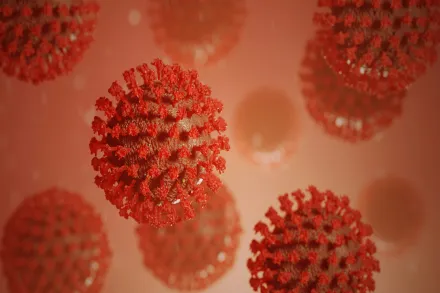
Viral infections pose a persistent challenge to health across communities, seasons, and ages. While science continues to unravel the intricate details of how viruses invade, replicate, and spread, there remains a broad and practical space for natural strategies that can lower the likelihood of becoming infected and lessen the severity of illness if exposure occurs. This article explores a comprehensive approach that blends nutrition, sleep, physical activity, environmental stewardship, hygiene practices, and mindful daily routines into a cohesi...
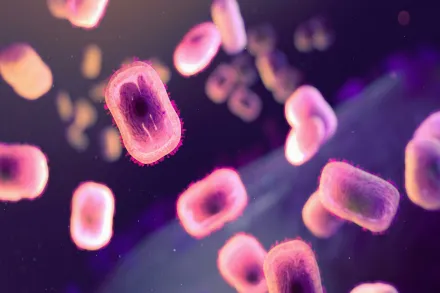
In times of heightened stress, whether caused by work pressures, health concerns, or major life transitions, the immune system often bears the burden. The body’s defenses can become less vigilant when the mind is overwhelmed, while at other times stress can disrupt sleep, eating patterns, and physical activity. This combination can create a cycle where fatigue, illness, and more stress feed into each other. Understanding how stress affects immunity is the first step to breaking that cycle and building a practical set of habits that support resi...
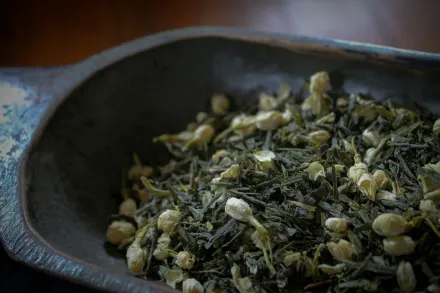
Herbal teas have long occupied a special place in traditional medicine and daily wellness routines around the world. Beyond their soothing aroma and comforting warmth, certain blends are celebrated for supporting the immune system through a combination of hydration, plant compounds, and gentle, sustained nourishment for the body's defence mechanisms. The idea behind immune-boosting teas is not to replace medical treatment but to complement healthy habits such as balanced nutrition, sufficient sleep, regular activity, and stress management. The ...

Zinc is an essential trace element that participates in hundreds of biological processes, serving as a catalytic cofactor for more than two hundred enzymes and as a structural component of thousands of proteins. It plays a fundamental role in DNA replication and repair, gene expression, and cellular signaling, influencing everything from growth and development to metabolic regulation. In the immune system, zinc supports the development and function of immune cells, helps maintain the integrity of mucosal barriers such as the skin and the lining...
In the modern world the immune system stands as a remarkable network that continually surveys the body, detects intruders, and coordinates responses that seek to prevent illness while maintaining a healthy balance. This article explores natural strategies to support immune function through everyday choices, environmental awareness, and evidence informed lifestyle habits. Rather than promising instant miracles, it offers a thoughtful, sustained approach to resilience, recognizing that immune health is shaped by a complex interplay of nourishment...

At first glance sleep might appear as a simple daily rest, a pause in the busy cadence of life that allows the body and mind to recharge. Yet beneath the quiet surface lies a dynamic, reciprocal relationship between sleep and the immune system that shapes how the body defends itself against pathogens, heals from injuries, and maintains a steady state of health across the lifespan. The quality of sleep, not merely its duration, influences the strength and efficiency of immune responses. When sleep is restorative, the immune system maintains a po...

The immune system is not a single entity that can be switched on or off at will. It is a sophisticated network comprising gut microbiota, skin barriers, specialized white blood cells, and intricate signaling pathways that coordinate defense against infections, repairs after injury, and maintains a delicate balance to prevent outbursts of inflammation. In everyday life, many factors influence how well this system functions, including sleep quality, nutrition, physical activity, hydration, stress levels, and environmental exposures. This article ...

Understanding how the immune system works and how the mind interacts with bodily processes opens a window into a discipline that has matured beyond anecdotes and into measurable science. The immune system is a vast network, with walls and corridors that defend against intruders, repair damaged tissue, and coordinate responses that keep the body in balance. It includes frontline sentinels of innate immunity, such as barrier defenses and quick responders, along with deeper memory systems of adaptive immunity that tailor responses to familiar thre...