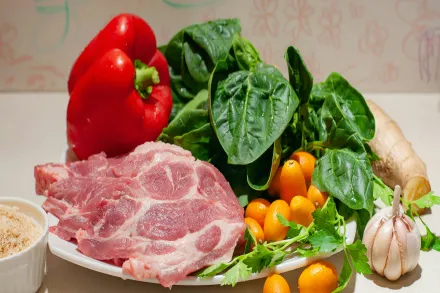
Inflammation is a natural response that helps the body heal and defend itself during injury or infection, yet when it becomes chronic it can contribute to a cascade of health problems ranging from heart disease and diabetes to certain forms of cancer and neurodegenerative disorders. The foods we choose to eat every day can influence the balance between pro inflammatory signals and protective, anti inflammatory pathways. By embracing a diet that emphasizes whole foods rich in healthy fats, fiber, phytonutrients, and a broad spectrum of micronutrients, it is possible to support the body’s ability to manage inflammatory processes with less interference from harmful environmental factors. This article explores the mechanisms by which common foods affect inflammation, highlights key ingredients that have demonstrated anti inflammatory properties, and offers practical guidance for weaving these elements into everyday meals in a way that is nourishing, enjoyable, and sustainable over the long term.
Understanding Inflammation and Why Diet Matters
In its acute form, inflammation is a protective mechanism that mobilizes immune cells to damaged tissue, helping to remove harmful agents and start the healing process. However, when the inflammatory response lingers, it can become a chronic condition that subtly alters cellular signaling and tissue function. Diet plays a pivotal role in this regard because nutrients act as cofactors and modulators of inflammatory pathways. For instance, certain fatty acids participate directly in the construction of signaling molecules that influence the activity of enzymes and transcription factors responsible for inflammatory gene expression. Likewise, a rich supply of colorful plant compounds can dampen oxidative stress and modulate the gut microbiome, which in turn shapes the immune system’s responses. This interplay between nutrients, gut ecology, and immune signaling creates a powerful opportunity to reduce low grade, long lasting inflammation through everyday food choices that are flavorful and satisfying rather than austere or restrictive.
Beyond the biochemistry, there is a practical dimension to diet and inflammation. A pattern of eating that emphasizes minimally processed foods, plenty of vegetables and fruits, high quality proteins, whole grains, and a variety of spices not only supports anti inflammatory processes but also improves metabolic health more broadly. The goal is not to chase a single “superfood” but to cultivate a dietary environment that provides steady sources of beneficial fats, fiber, micronutrients, and phytonutrients while limiting additives, refined sugars, and highly processed products that can exacerbate inflammatory responses. This perspective aligns with well established dietary patterns that researchers have studied for decades and continues to be refined as new evidence emerges about how foods interact with a dynamic network of inflammatory mediators.
Key Anti-Inflammatory Foods and How They Work
Among the most consistently supported anti inflammatory options are fat sources that deliver omega three fatty acids, particularly from fatty fish such as salmon, mackerel, and sardines, as well as plant based options like flaxseeds and walnuts. These fats contribute to the production of anti inflammatory compounds and help temper the activity of pro inflammatory cytokines. In addition, extra virgin olive oil stands out for its combination of monounsaturated fats and polyphenols such as oleocanthal, which resembles the action of certain anti inflammatory drugs in a gentler, dietary form. The culinary versatility of olive oil makes it a cornerstone of meals that emphasize balance rather than deprivation, allowing a broad array of vegetables, grains, and proteins to harmonize in a way that reduces inflammatory stress on the body.
Colorful fruits and vegetables provide a wide spectrum of polyphenols, flavonoids, and carotenoids that act as antioxidants and signaling modulators. Berries, cherries, citrus fruits, leafy greens, and cruciferous vegetables contribute compounds that can lower oxidative stress and influence the activity of transcription factors like NF kappa B, which governs the production of inflammatory mediators. Spices and herbs such as turmeric with its curcumin component, ginger with its gingerol derivatives, garlic with allicin, and a variety of herbs provide additional bioactive substances that tend to reduce inflammatory signaling pathways in tissues including the gut, blood vessels, and brain. While the precise effects may vary between individuals, the overall pattern suggests that a broad plant centric approach, rich in color and aroma, supports a healthier inflammatory profile over time.
Nuts and seeds bring a combination of healthy fats, fiber, and micronutrients that contribute to a calmer inflammatory milieu. Walnuts, almonds, chia seeds, and flaxseeds introduce polyunsaturated fats and plant compounds that work synergistically with other lifestyle factors to support heart health and metabolic regulation. Whole grains such as oats, barley, and brown rice provide fiber that feeds the gut microbiome and aids in maintaining steady blood sugar, both of which influence inflammatory signaling. Legumes, including lentils and beans, add plant protein and additional fiber that can modulate gut bacteria and improve satiety, helping to mitigate postprandial spikes in inflammation associated with rapid digestion of refined carbohydrates.
Fermented foods like yogurt, kefir, sauerkraut, and kimchi introduce beneficial microbes that support gut barrier integrity and microbial diversity. A healthy gut microbiome is linked to a more regulated immune response and fewer inflammatory spikes, partly by producing short chain fatty acids during fiber fermentation that nourish colon cells and influence inflammatory pathways. Tea and coffee, consumed in moderate amounts, provide polyphenols and bioactive compounds that have been associated with lower markers of inflammation in various populations. Dark chocolate with high cacao content offers flavanols that can also modulate vascular function and inflammatory processes, illustrating how even treats can be aligned with anti inflammatory goals when chosen thoughtfully and consumed in balance.
In addition to these foods, vegetables like mushrooms bring unique bioactive molecules that exert anti inflammatory effects. Mushrooms such as maitake and shiitake contain beta glucans and other polysaccharides believed to influence immune function in a way that supports restraint and balance rather than hyperactivity. Garlic and onions supply sulfur containing compounds that may help regulate inflammatory responses and support cardiovascular health. The cumulative effect of combining these foods across meals creates a dietary environment that gently moderates inflammatory signals without requiring extreme dietary restrictions, allowing for a sustainable approach that people can maintain across seasons and life events.
It is important to note that individual responses vary and that strengthening anti inflammatory patterns is about consistency as much as intensity. A diet that regularly incorporates these foods, in modest portions and with attention to preparation that preserves nutrients, can be both satisfying and effective. Cooking techniques that favor gentle heating, minimal processing, and the retention of heat sensitive nutrients help to maximize the anti inflammatory potential of meals. Pairing foods thoughtfully—such as combining a serving of fatty fish with vegetables rich in polyphenols and a drizzle of olive oil—can enhance overall absorption and biological impact compared with isolated ingredients eaten separately. The aim is a culinary approach that feels natural and enjoyable while nurturing the body’s capacity to manage inflammatory processes over the long term.
The Mediterranean Pattern and Other Healthy Diets
The Mediterranean pattern is often highlighted for its emphasis on plant based foods, olive oil as a primary fat source, moderate fish and poultry, dairy in modest amounts, and a focus on fresh produce and whole grains. Numerous studies have observed associations with lower levels of inflammatory biomarkers, improved lipid profiles, and better glycemic control among populations following this pattern. Yet the health benefits of anti inflammatory eating extend beyond a single diet; DASH, or Dietary Approaches to Stop Hypertension, and Nordic style eating have overlapping features that support vascular health and immune regulation. The unifying thread is a shift away from refined carbohydrates and ultra processed foods toward nutrient dense options that support the gut microbiome, stabilize energy levels, and reduce oxidative stress. In practical terms this translates to meals that prioritize vegetables and fruits, a diverse array of legumes and whole grains, healthy fats, lean protein sources, and spices rich in anti inflammatory compounds, all cooked in a way that preserves flavor, texture, and nutrition.
Emerging research emphasizes the gut microbiome as a mediator between diet and inflammation. Fiber and resistant starch from whole grains and legumes feed beneficial bacteria, leading to the production of metabolites that regulate immune function and help reinforce the integrity of the intestinal barrier. Inflammation is not an isolated event confined to a single organ; it is a systemic response that can be shaped by dietary patterns, gut ecology, and metabolic health. Therefore, adopting a dietary pattern that emphasizes variety, color, and minimally processed ingredients offers a practical strategy for many people to reduce chronic inflammatory signaling while still enjoying meals that feel culturally familiar and personally satisfying.
Practical Ways to Build Anti-Inflammatory Meals
In daily cooking, small, consistent choices accumulate into meaningful changes. Begin with a foundation of high quality fats such as extra virgin olive oil, allowing it to gently flavor vegetables during sautés or to finish a dish with a light drizzle that preserves delicate polyphenols. Prioritize fatty fish a couple of times per week or incorporate plant based omega three sources like flaxseed or chia into smoothies, yogurt, or cereals. Build plates with a generous portion of vegetables, especially leafy greens and cruciferous varieties, ensuring a spectrum of colors across the week to maximize the range of phytonutrients. Include a source of protein that aligns with personal preferences, whether it is legumes, fish, poultry, or modest amounts of cheese or yogurt, to support satiety and muscle health while moderating inflammatory responses.
Spice up meals with turmeric, ginger, garlic, pepper, and oregano, taking care to pair them with a healthy fat to enhance absorption of fat soluble compounds. A simple approach to a nourishing dish could be a bowl that features a base of whole grains, a generous layer of steamed or roasted vegetables, a protein legume or fish, and a finishing touch of olive oil infused with lemon and herbs. Snacking on a handful of nuts or a serving of fresh fruit can bridge meals while contributing healthy fats and fiber that promote steady energy and a calmer inflammatory profile. The key is balance and variety, rather than chasing a single perfect recipe, so that the diet remains enjoyable and sustainable across weeks and seasons.
In everyday practice, preparation methods matter. Gentle steaming, sautéing with modest heat, and minimal high temperature charring help preserve the delicate nutrients that influence inflammation. When possible, choose whole grains over refined options to keep fiber content high, and favor fresh over overly processed products. Fermented foods bring an extra dimension to meals by supporting gut diversity, while beverages like tea and coffee provide polyphenols that can contribute to broader anti inflammatory benefits when consumed in moderation. Remember that quality ingredients and mindful seasoning can elevate a simple dish into a nutrient rich meal that nourishes both body and mind, making anti inflammatory eating a pleasure rather than a burden.
Beyond the plate, pairing meals with lifestyle patterns that reinforce anti inflammatory effects can magnify benefits. Regular physical activity, adequate sleep, and stress management all interact with food choices to shape the inflammatory landscape of the body. A mindful approach to eating, with attention to portion sizes, hunger cues, and the timing of meals, supports metabolic stability and helps prevent postprandial spikes in inflammatory markers. In this sense, diet becomes part of a broader health strategy rather than a single intervention. By viewing food as medicine in a comprehensive sense, individuals can foster a sustainable relationship with nutrition that respects both science and personal enjoyment.
Finally, consider the social and cultural context in which food is consumed. Meals shared with family and friends, prepared with affection and curiosity, tend to be more satisfying and easier to maintain as a long term habit. The anti inflammatory value of foods emerges not only from their biochemical properties but also from the ways they are integrated into daily life: planning ahead, experimenting with new recipes, and appreciating seasonal produce. This holistic view emphasizes that inflammation can be influenced by what happens in the kitchen and at the table as much as by what happens in the lab, and it invites a sustainable, joyful approach to nourishing the body while supporting vascular and immune health over many years.
Daily Habits and Lifestyle That Enhance Anti-Inflammatory Effects
While food is a central component, inflammation is shaped by a constellation of lifestyle factors that interact with each other. Adequate, quality sleep is essential for maintaining hormonal balance and reducing stress related inflammation. Regular physical activity, even when moderate, improves circulatory efficiency and enhances the body’s ability to manage inflammatory responses to daily stressors. Mindfulness practices, breathing exercises, and social connection contribute to lower chronic stress levels, which in turn dampen the release of inflammatory mediators. A consistent meal pattern—avoiding long gaps between meals and limiting ultra processed foods—helps stabilize blood sugar and insulin, both of which influence inflammatory signaling pathways. In short, anti inflammatory eating is most effective when paired with a lifestyle that supports metabolic resilience and emotional well being.
Hydration is another often overlooked factor. Water supports cell function and nutrient transport, and it can influence the experience of satiety and energy, thereby reducing cravings for processed snacks that may trigger inflammatory responses. Moderation in alcohol consumption is advised, as excessive intake can promote inflammation and oxidative stress, whereas some studies suggest that moderate use of certain beverages, like red wine in very small amounts, may confer some anti inflammatory compounds in the context of a healthy overall pattern; however, this should be weighed against personal health risks and preferences. The underlying message is balance and personalization, recognizing that each person’s response to food and lifestyle choices may differ based on genetics, gut microbiota, medical history, and current health status.
Beyond biology, practical routines contribute to sustained improvements. Planning meals ahead of time reduces reliance on convenience foods that can be high in sodium, sugars, and unhealthy fats. Keeping a well stocked pantry and fridge with anti inflammatory staples makes it easier to assemble nutritionally rich meals on busy days. Cooking with family or friends can transform eating into a social and cultural event that reinforces positive habits. By creating a supportive environment around food, individuals increase their likelihood of maintaining nutrient rich patterns that help regulate inflammatory processes and promote long term health outcomes.
In practice, the integration of anti inflammatory foods into a daily routine should feel natural rather than forced. Small, repeated actions—adding a handful of berries to breakfast, finishing a meal with a piece of fruit, simmering vegetables with olive oil and garlic, or swapping refined grains for whole grains—accumulate into meaningful benefits over time. When individuals notice subtle improvements in energy, mood, and digestive comfort, it reinforces the motivation to continue. The science behind these changes is a growing area of study, yet the experiential evidence—how good meals taste, how fulfilling cooking can be, and how recipes adapt to seasonal availability—remains a compelling driver for sustainable dietary choices aimed at reducing chronic inflammation.
Understanding Individual Variability and Safety Considerations
People respond differently to foods due to a combination of genetics, microbiome composition, existing health conditions, medications, and overall dietary patterns. For some, high intake of certain spices or supplements could interact with medications or exacerbate specific conditions, particularly for individuals taking anticoagulants or antiplatelet drugs, where turmeric or garlic might have additive effects. Pregnant individuals may also need to adjust certain components of their diet, and those with a history of kidney stones, gout, or other metabolic concerns should tailor their choices with professional guidance. When considering high intensity dietary changes, it is prudent to proceed gradually, monitor how the body responds, and seek medical advice if there are signs of adverse reactions or if there are ongoing symptoms such as unusual fatigue, persistent abdominal discomfort, or changes in weight that are unexplained. The aim is safety and personalization, ensuring that anti inflammatory eating supports health without compromising existing medical treatments or conditions.
Supplements, while helpful in some contexts, can never fully replace a diet rich in whole foods. A multivitamin cannot replicate the complex matrix of fiber, phytochemicals, and gut microbes found in a diverse plant based diet. Some extracts from spices or concentrated compounds may be beneficial in certain circumstances, but they should be viewed as adjuncts to a balanced eating pattern rather than standalone cures. It is also important to be mindful of hidden sources of sugar, salt, and unhealthy fats that can creep into processed products marketed as health oriented. The healthiest strategy remains one of varied, colorful, minimally processed foods, prepared with care, and adjusted to personal preferences and cultural traditions.
Finally, inflammation is a dynamic process influenced by age and life stage. Children, adults, and elders may experience different needs and tolerances when adopting anti inflammatory patterns. For older adults, attention to protein adequacy alongside anti inflammatory plant foods becomes critical for maintaining muscle mass and mobility while still supporting immune function. For athletes or very active individuals, protein and carbohydrate timing around workouts can influence inflammatory responses and recovery. The common thread across all these scenarios is listening to the body, adjusting portions and meal timing as needed, and embracing a long term, flexible approach rather than rigid rules. Through thoughtful choices, most people can experience meaningful improvements in inflammatory health while maintaining enjoyment and satisfaction in their meals.
Shopping Strategies and Pantry Staples
A practical framework for building an anti inflammatory kitchen begins with choosing high quality fats, an assortment of vegetables and fruits, and a steady supply of whole grains and legumes. Stocking olive oil in the pantry, preferably a dark bottle and stored away from heat, helps maintain its polyphenol integrity for cooking and finishing dishes. A reliable source of fatty fish or quality plant based omega three additions ensures a regular intake of essential fats. Keep a variety of nuts and seeds on hand for snacks and toppings that provide satiety and nutritional density. Fresh greens, berries, peppers, tomatoes, onions, and cruciferous vegetables should rotate with the seasons to deliver a spectrum of phytonutrients. Spices such as turmeric, ginger, cumin, garlic powder, and black pepper can flavor meals with minimal added salt, enhancing both taste and health value. Fermented foods enrich the pantry with probiotic options that can support gut health and immune balance, while herbal teas and green or black tea provide antioxidants that complement daily hydration habits.
In terms of practicality, plan meals around a few reliable combinations rather than chasing exotic ingredients every week. A simple system might include a base of whole grains or legumes, a protein source, a generous array of vegetables, and a healthful fat. If fresh produce is limited, frozen vegetables retain most nutrients and can be just as beneficial when incorporated into meals. Canned fish, such as sardines or salmon packed in water or olive oil, can be a convenient protein option when time is short, and dried beans are an affordable, fiber rich staple. By cultivating a pantry that reflects anti inflammatory goals, people can prepare a wide variety of meals with confidence, reduce dependence on highly processed foods, and maintain a satisfying culinary repertoire even during busy periods.
Beyond nutrition, practical habits such as washing and handling foods safely to preserve nutrients, portioning meals to avoid overeating, and keeping a log of meals or moods can help identify patterns that either support or hinder inflammatory balance. A mindful approach to shopping and cooking recognizes that food choices are not isolated acts but part of a broader lifestyle that shapes health outcomes. In this view, the kitchen becomes a laboratory of everyday practice where evidence based principles meet personal taste, culture, and creativity, enabling a sustainable path toward reduced chronic inflammation and enhanced well being across the lifespan.
Embracing a Lifelong Anti-Inflammatory Approach
The journey toward a consistently anti inflammatory way of eating is not a sprint but a gradual, evolving practice. It is built on curiosity, variety, and respect for the body’s signals. Embracing a range of colorful vegetables, nutritious fats, whole grains, and a spectrum of flavorful spices supports a body that is better prepared to respond to daily challenges without tipping into unhealthy levels of inflammation. Over time, this approach tends to yield improvements in energy, digestion, and mood, and may contribute to healthier aging by supporting metabolic function, vascular health, and immune resilience. Making room for occasional indulgence while maintaining a core pattern of nutrient dense foods helps sustain motivation and enjoyment, which are essential for lasting dietary change. The overarching principle is simple: treat food as a cornerstone of wellness, savor it, learn from it, and let it adapt with you as life unfolds. In this way, anti inflammatory eating becomes not a temporary diet but a practical, meaningful, and enjoyable lifestyle choice that supports health in a comprehensive and lasting fashion.