Vitamin A stands as a cornerstone nutrient in the orchestra of immune defense, an essential factor that influences how the body recognizes and responds to threats while preserving the integrity of the barriers that guard internal tissues. This fat soluble vitamin exists in several forms, each with distinct roles in physiology. Retinol, a preformed version found predominantly in animal derived foods, serves as a ready source of vitamin A that tissues can utilize directly. Provitamin A carotenoids, primarily beta carotene, come from plant foods a...
Prevention & Immunity
Across many medical and psychological disciplines, researchers have increasingly explored how mental states and bodily processes influence one another in the intricate network that sustains health. Mindfulness practices, which cultivate a nonjudgmental awareness of present-moment experience, sit at an interesting crossroads of psychology and physiology. While mindfulness is not a substitute for medical treatment, it can act as a form of self-regulation that helps balance the body’s response to stress, which in turn can influence immune system f...

In daily life the simple act of washing hands is often treated as a routine gesture rather than a potential shield against illness, yet the foundational science behind clean hands reveals a profound truth that echoes through medicine, education, food preparation, and community health. The skin of the hands serves as a dynamic interface between the external environment and the internal body, hosting a diverse ecosystem of microorganisms that range from harmless residents to opportunistic pathogens. When we engage in proper handwashing, we disrup...
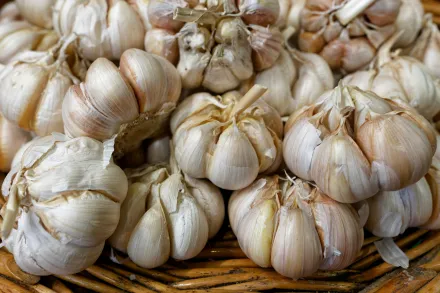
Garlic has been prized for centuries as a culinary staple and a traditional remedy, but modern science has begun to illuminate the ways in which its chemical complexity supports immune resilience. The most famous and biologically active component is allicin, produced when the bulb is crushed or chopped and alliin, a sulfur-containing amino acid, comes into contact with the enzyme alliinase. This enzymatic reaction rapidly converts alliin into allicin, a volatile compound with broad antimicrobial properties and a capacity to influence immune sig...
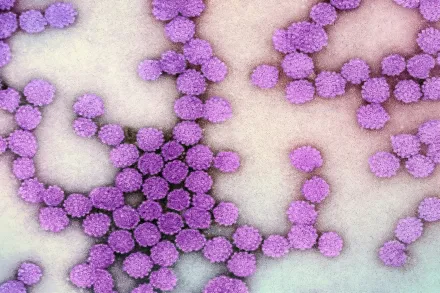
Many readers know that viruses move through communities with surprising speed, but the underlying mechanics involve a web of factors more subtle than simple contagion. Environmental conditions, human behavior, and the state of the immune system all contribute to how readily a virus can spread and how severe the illness might become for those exposed. In this discussion we explore how natural strategies, grounded in everyday choices, can help reduce the likelihood of outbreaks and lessen their impact when they occur. The idea is not to promise a...
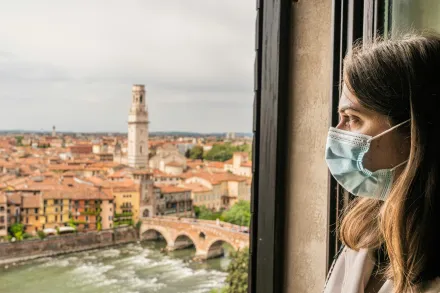
Travel introduces a multitude of shifting conditions that can challenge the body's defense systems in ways that are not usually experienced in daily life. The immune system functions as an integrated network that includes barriers such as the skin and mucous membranes, innate defenses like inflammation and phagocytic cells, and adaptive responses that remember specific pathogens. When you travel, stress from changes in schedule, altered sleep patterns, and exposure to new environments can temporarily dampen these defenses. In addition, proximit...
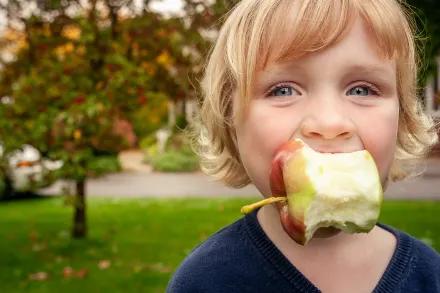
The immune system of children is a dynamic and evolving network that learns to recognize and respond to countless microorganisms from early life onward. Unlike adults, children often experience more frequent viral illnesses such as colds and flu, which is a normal part of immune maturation. Nutrition plays a central role by supplying the building blocks that support the growth and function of immune cells, mucosal barriers, and the intricate communication signals that coordinate defense mechanisms. A well nourished body tends to mount quicker a...
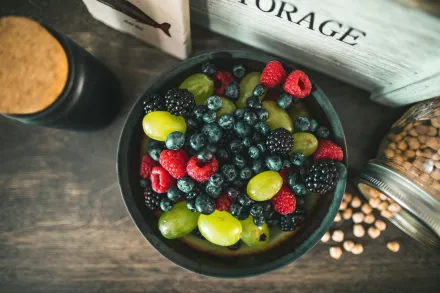
In the realm of health and nutrition, immune memory stands as a quiet guardian that remembers previous encounters with pathogens and responds more swiftly upon re exposure. The idea that certain foods can influence this memory is not about a magic bullet but about a layered interaction among nutrients, the gut microbiome, and the cellular machinery that governs how memory B cells and memory T cells are formed, maintained, and recalled. When we eat a diverse array of nutrient dense foods, we support the energy economy of immune cells, promote an...
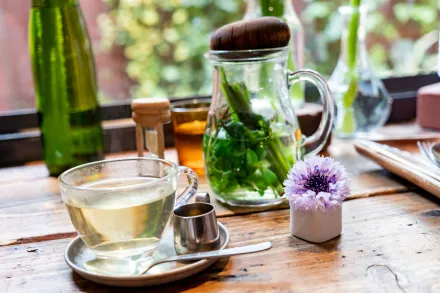
Across civilizations, people have turned to the green world for solace when the body fights off infections or battles a seasonal wave of illness. The appeal of herbal remedies during cold and flu seasons rests not on miracle cures but on the recognition that plants offer a rich array of bioactive compounds that can support the body's natural defenses and ease uncomfortable symptoms. In many cultures, folk traditions carried forward by families, healers, and local apothecaries formed a living pharmacopoeia, a repository of knowledge about which ...
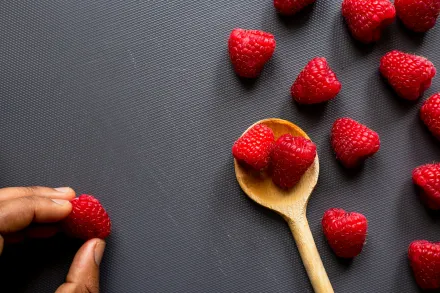
The immune system is a dynamic network that relies on proper nutrition to function at its best, and superfoods are not magical pills but rich sources of compounds that can support resilience. In everyday terms, these foods deliver a combination of vitamins, minerals, fiber, prebiotics, probiotics when applicable, and a spectrum of phytochemicals that modulate inflammatory pathways and reinforce barrier defenses. The mind behind immune strength is not simply a single nutrient but a well balanced orchestra where antioxidants curb oxidative stress...