Understanding Vitamin C and Its Role in the Body
Vitamin C, also known as ascorbic acid, stands as a multifunctional nutrient that the human body cannot synthesize on its own. This reality makes it an essential component of a balanced diet, demanding regular intake through foods or supplements when necessary. The molecule operates as a crucial cofactor for several enzymatic reactions, most notably the synthesis and stabilization of collagen, the protein that supports connective tissues, blood vessels, skin, bones, and teeth. Beyond structural roles, vitamin C participates in the manufacturing of neurotransmitters such as dopamine and norepinephrine, contributes to wound healing, and assists in the formation of carnitine, a molecule that helps transport fatty acids into energy-producing pathways. Its antioxidant capacity is another central feature, enabling vitamin C to scavenge reactive oxygen species and regenerate other antioxidants, such as vitamin E, thereby supporting cellular health across many tissues.
Because vitamin C is water soluble, the body does not retain large stores for long periods. Instead, it must be replenished regularly through the diet, and the amount retained can be influenced by factors such as age, overall health, smoking status, and exposure to environmental stressors. The concentration of vitamin C in foods varies widely, with some fruits and vegetables delivering dense, readily absorbable amounts, while others provide more modest quantities. The balance of intake over time matters as much as the quantity consumed in a single meal, since steady patterns help maintain steady plasma levels and ongoing protection against oxidative stress and resource depletion in tissues that rely on this vitamin for maintenance and repair.
Daily Requirements and Dietary Needs
Dietary guidelines for vitamin C typically emphasize a daily intake that supports normal immune function, collagen synthesis, and antioxidant defenses. For most healthy adults, the recommended intake falls within a range that reflects age, sex, and physiological state, with higher needs suggested for individuals exposed to greater oxidative stress or increased physical demands. While extreme deficiency is rare in many communities, suboptimal intake can accumulate over time and influence skin health, wound healing, and mineral absorption, particularly iron. The body’s regulatory mechanisms do not permit a rapid, unlimited increase in vitamin C absorption, so consuming a consistent amount from diverse dietary sources tends to produce the most reliable long-term benefits. The tolerable upper intake level exists to prevent rare instances of adverse effects from very large supplemental doses, though reaching these levels through ordinary meals is uncommon in most populations.
Smokers often have higher requirements due to increased oxidative stress and accelerated metabolic turnover of ascorbate, which means including a wider variety of vitamin C-rich foods, or slightly larger portions, can be advantageous for this group. Age also influences needs, with older adults sometimes benefiting from attention to vitamin C intake to support skin integrity and vascular health. In clinical or specialized settings, healthcare providers may tailor recommendations to individual circumstances, but for the general population, a steady intake through a mix of fruits, vegetables, and fortified products helps meet the body’s demands without relying on supplements alone.
Food Sources Rich in Vitamin C
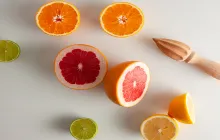
A broad spectrum of plant foods supplies vitamin C, and each category offers a different combination of nutrients, fiber, and phytochemicals that complement the vitamin’s effects. Citrus fruits like oranges, grapefruits, and mandarins are well known for their bright vitamin C content and carry a synergy with other antioxidants and flavonoids that can enhance absorption and utilization. Pears, apples, and stone fruits contribute modest levels but can be part of a varied pattern that keeps meals interesting. Bell peppers, particularly the red and yellow varieties, boast high concentrations in a compact, crunchy form that makes them convenient for snacking and cooking. Berries, including strawberries, raspberries, and blueberries, deliver not only vitamin C but a wealth of polyphenols that support cardiovascular health and metabolic balance.
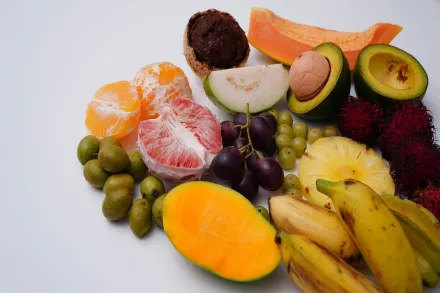
Green leafy vegetables such as spinach and kale provide vitamin C alongside a rich array of micronutrients and fiber. Cruciferous vegetables like broccoli, Brussels sprouts, and cauliflower offer a substantial dose in addition to compounds that may have synergistic health effects. Tomatoes contain vitamin C as well as lycopene and other carotenoids that contribute to eye health and skin protection. Tropical and subtropical fruits such as kiwi, guava, papaya, and mango stand out for their especially high concentrations, making them efficient sources for people who prefer fresh fruit as a primary vitamin C staple. Including a diverse mix of colorful produce ensures not only robust vitamin C intake but also a broad spectrum of phytonutrients that support overall well-being.
Bioavailability and Cooking Tips
Vitamin C is sensitive to heat, light, and prolonged exposure to air, so how you prepare and store foods matters for maximizing absorption and preserving nutritional value. Gentle cooking methods such as light steaming, microwaving for brief periods, or rapid stir-frying can minimize losses compared with long boiling, which leaches ascorbic acid into cooking water. Eating raw vegetables and fruits that are safe to consume in their uncooked form can dramatically increase the amount of vitamin C you receive in a meal. If you cook, consider using the cooking water in soups or sauces to recover some of the dissolved vitamin C. Keeping produce intact until just before eating helps reduce surface area exposure to air, and consuming fruits and vegetables soon after cutting minimizes oxidative degradation.
In addition to preparation, storage conditions influence vitamin C retention. Refrigeration slows enzymatic degradation and microbial activity, while exposure to sunlight accelerates nutrient loss. When choosing produce, fresher items generally deliver higher levels of ascorbic acid, but certain fruits and vegetables may continue to accumulate vitamin C slightly after harvest, depending on the storage environment. Pairing vitamin C-rich foods with iron-rich plant or animal foods can optimize nutrient status, as the ascorbic acid enhances non-heme iron absorption in the digestive tract, a compatibility that can be particularly important for people who rely on plant-based iron sources.
Immune System Support
The immune system is a complex network that defends the body against pathogens, and vitamin C plays multiple roles within that system. It supports the function of immune cells, including neutrophils, phagocytes, and natural killer cells, which rely on antioxidant protection to operate effectively in stressful environments. Vitamin C helps modulate inflammatory responses and promotes the integrity of epithelial barriers, which serve as the first line of defense against microbial invasion. While vitamin C is not a cure for infectious diseases, adequate intake supports the immune system's capacity to respond to challenges, and continuing evidence suggests that populations with higher vitamin C status may experience shorter durations of colds and better symptom management when illness occurs on a background of sufficient nutrient intake.
Moreover, plasma levels of ascorbate reflect dietary intake and physiological demands; during illness or physiological stress, the body mobilizes vitamin C to support immune processes and tissue repair. This dynamic underscores the importance of maintaining regular consumption patterns rather than relying on intermittent, high-dose supplementation. The broader effect is a more resilient immune environment that can respond to environmental challenges more efficiently, particularly when paired with other immune-supportive nutrients and healthy lifestyle habits.
Skin Health and Collagen Synthesis
Collagen is a structural protein essential for skin elasticity, wound healing, and the strength of connective tissues. Vitamin C acts as a cofactor for prolyl and lysyl hydroxylases, enzymes that stabilize the collagen triple helix by enabling proper cross-linking of collagen fibers. This biochemical process supports skin integrity, reduces bruising, and contributes to the resilience of blood vessels that nourish the skin. The antioxidant action of vitamin C also helps protect skin cells from oxidative stress caused by ultraviolet radiation, pollution, and lifestyle factors such as smoking. With sustained nutritional support, the skin can maintain its barrier function, hydration, and youthful appearance, while the healing of minor injuries may proceed more efficiently as collagen synthesis continues to operate at a steady pace.
In practical terms, consuming a variety of vitamin C-rich foods as part of a daily routine can complement topical skin care and other lifestyle measures. The synergy between oral nutrients and external skin care becomes more evident when people adopt dietary habits that emphasize color-rich produce and whole foods. Over time, a consistent pattern of intake aligns with healthier skin texture, improved wound repair after minor injuries, and a lower risk of chronic micro-damage that can accumulate with age and environmental exposure.
Antioxidant Actions and Chronic Disease Risk
As an antioxidant, vitamin C donates electrons to neutralize reactive oxygen species, thereby reducing oxidative stress that underpins cellular aging and certain chronic diseases. This protective mechanism can help preserve DNA integrity and support healthy endothelial function, which is essential for vascular health. While many studies indicate associations between higher vitamin C status and reduced risk of conditions such as cardiovascular disease and certain cancers, establishing a direct cause-and-effect relationship is complex. Diets rich in fruits and vegetables, which deliver vitamin C alongside a broad spectrum of other phytochemicals, may collectively contribute to health benefits, rather than vitamin C alone dictating risk reductions.
Beyond cardiovascular health, maintaining adequate ascorbate levels supports metabolic processes and inflammatory regulation. In populations with limited access to nutrient-dense foods, vitamin C deficiency can emerge alongside other micronutrient gaps, amplifying health risks. Therefore, ensuring a regular intake through varied fruit and vegetable choices remains a practical strategy for supporting long-term wellness, especially when integrated with overall healthy eating patterns that emphasize legumes, whole grains, healthy fats, and lean proteins.
Iron Absorption and Anemia Prevention
One of the unique and practical roles of vitamin C is its ability to enhance non-heme iron absorption from plant-based foods and fortified products. Non-heme iron, found in grains, legumes, and vegetables, is less readily absorbed than heme iron from animal sources. Ascorbic acid improves iron solubility and facilitates its uptake by intestinal cells, thereby contributing to better iron status in individuals who rely on plant-derived iron or who have increased iron needs due to growth, menstruation, pregnancy, or certain medical conditions. Consuming vitamin C-rich foods alongside iron-rich foods in the same meal can maximize absorption; for example, pairing citrus or berries with beans, lentils, or leafy greens creates a nourishing combination that supports energy levels and overall health.
Understanding this interaction helps in dietary planning, particularly for vegetarians and vegans who may face higher requirements for iron intake. While vitamin C can boost absorption, it does not replace the role of other iron-rich foods or medical guidance when addressing anemia. A well-balanced pattern can contribute to improved iron status over time, though evaluation by a healthcare professional remains important if symptoms of iron deficiency or fatigue persist.
Vitamin C and Exercise Performance
Vitamin C interacts with exercise in several ways, primarily through its antioxidant role and its support of immune health during periods of high physical stress. Regular physical activity increases the production of reactive oxygen species, and adequate vitamin C helps shield tissues from oxidative damage that can accompany intense training or long-duration workouts. Some studies suggest that maintaining sufficient vitamin C status may reduce muscle soreness and accelerate recovery in certain populations, while others show limited effects on performance adaptations when vitamin C intake is already adequate through a normal diet. The nuance is that vitamin C is not a performance-enhancing supplement in the way that some specialized compounds might be; its value lies in supporting recovery, reducing unnecessary oxidative strain, and maintaining general health so athletes can train consistently and safely.
For people who engage in endurance sports or maintain high training loads, ensuring consistent consumption of vitamin C through fruits and vegetables can be a practical step toward supporting immune resilience and reducing the risk of exercise-induced illnesses that can interrupt training cycles. It is important to balance this with overall nutrition, hydration, sleep, and stress management, as these factors collectively influence adaptation and performance more than any single nutrient alone.
Special Considerations for Different Populations
Pregnant individuals, older adults, children, and people with certain digestive or metabolic conditions may have distinct vitamin C needs or sensitivities that influence dietary choices. In pregnancy, vitamin C supports collagen formation in the developing tissues of the fetus and assists in maternal tissue maintenance, while still requiring attention to overall calorie and nutrient balance. For older adults, maintaining skin integrity, vascular health, and cognitive resilience can benefit from steady vitamin C intake, although interactions with medications or chronic illnesses should be considered. Children require age-appropriate portions that reinforce healthy eating patterns, and early introduction to a variety of fruits and vegetables can lay the foundation for lifelong habits. Those with conditions affecting absorption, such as intestinal disorders, may need tailored guidance to maximize Vitamin C availability from their meals, often in consultation with a healthcare provider or dietitian.
In all populations, emphasis on whole foods rather than fortified products provides a broader nutritional context and fosters a diet rich in fiber, minerals, and beneficial phytochemicals. Understanding personal health history and nutritional status helps ensure vitamin C intake complements other goals such as iron sufficiency, bone health, and cardiovascular risk reduction. When needed, supplements can be used judiciously under professional supervision, particularly if dietary intake falls short and there is a documented deficiency or an increased physiological requirement.
Higher Vitamin C Intake: Potential Benefits and Risks
While meeting or exceeding daily recommendations through a varied diet tends to be safe for most people, there can be marginal benefits and minor risks associated with higher intakes. Some individuals may experience temporary digestive discomfort, such as abdominal cramps or loose stools, with large oral doses of vitamin C. Persistent, very high intake over long periods has occasionally been linked to kidney stone formation in susceptible individuals, particularly those with a history of calcium oxalate stones. However, these scenarios are uncommon at intake levels achieved through food alone and are more often related to substantial supplement use. Therefore, the practical approach is to rely primarily on food-based sources and reserve high-dose supplementation for specific medical guidance, rather than assuming universal advantages from megadoses.
Community nutrition strategies often emphasize food-first approaches that leverage the natural distribution of vitamin C across a spectrum of fruits and vegetables. This approach reduces the risk of excessive intake while maximizing the array of micronutrients and fiber that accompany ascorbate in plant foods. In populations at risk for deficiency due to limited access to fresh produce, targeted programs that improve fruit and vegetable availability can yield meaningful improvements in health outcomes, particularly when integrated with education about storage, preparation, and meal planning that preserves nutrient density.
Practical Ways to Include Vitamin C-Rich Foods Daily
In everyday meals, the inclusion of vitamin C-rich foods can be both delicious and practical without requiring drastic changes to habitual patterns. A breakfast that features citrus segments or a kiwi on the side alongside a yogurt bowl with berries, oats, and a handful of nuts creates a fresh start with ample ascorbate. A midday custom could involve a colorful salad loaded with bell peppers, tomatoes, spinach, and a light vinaigrette containing lemon juice, which not only boosts flavor but enhances iron absorption from accompanying greens or grains. For dinner, stir-fries or roasted vegetables that include broccoli, peppers, or Brussels sprouts provide warmth and texture, while remaining nutrient-dense. Snacks built around fresh fruit, citrus wedges, or dustings of powdered pepper over roasted vegetables are simple strategies that maintain vitamin C intake across the day.
Beyond meals, meal planning benefits from variety and seasonality. When certain fruits are in peak season, using them as the centerpiece of a dish or dessert ensures higher vitamin C content and better flavor. Preparing sauces and dressings that use fresh herbs, citrus zest, and fruit juices can elevate ordinary dishes with minimal cooking time, preserving ascorbate while delivering a satisfying sensory experience. A lifestyle that values produce quality, proper storage, and open, colorful plates tends to yield consistent vitamin C intake as part of a broader, health-promoting dietary pattern.
Storage, Freshness, and Shelf Life
Where and how produce is stored can influence vitamin C retention just as much as cooking does. Lightly refrigerating fruits and vegetables slows down the degradation process, while keeping them in breathable bags or containers helps reduce moisture loss and microbial growth. Some fruits, like citrus, retain their vitamin C content well at room temperature for a brief period, but for long-term storage, refrigeration is generally advisable. In contrast, leafy greens and herbs often benefit from being washed, dried, and stored in perforated plastic bags to preserve crispness and reduce nutrient loss. The key is to minimize exposure to heat and air while ensuring that the produce is ready to consume when needed. If fruit is cut in advance, placing it in an airtight container and consuming it within a short window can help preserve ascorbate levels for a more substantial portion of the day.
Shopping with intention also helps maintain vitamin C intake. Selecting a mix of colorful produce from different groups ensures a continuous supply of ascorbate alongside other nutrients, while seasonal choices often provide better flavor and cost efficiency. A practical habit is to plan meals that center on one or two vitamin C-rich items per day, ensuring that none of the options overlap too heavily with foods that may hinder nutrient absorption or contribute excess calories. This approach supports a nutritious, manageable diet without overwhelming daily routines.
Myths and Facts about Vitamin C
There are several common beliefs about vitamin C that deserve clarification. For instance, the idea that taking large doses of vitamin C can prevent the common cold has nuance; while some individuals may notice shorter symptoms or reduced duration in certain circumstances, evidence is mixed and inconsistent across populations. Another frequently repeated claim is that vitamin C alone can radically change health outcomes; in reality, the nutrient works best as part of a comprehensive dietary pattern that includes a variety of antioxidants, fiber, and essential minerals. It is also sometimes suggested that all vitamin C is rapidly absorbed regardless of intake; in truth, absorption efficiency declines at higher intake levels, and the body regulates how much enters the bloodstream. Understanding these nuances helps people make informed decisions about how to integrate vitamin C into their diets.
Additionally, the myth that all citrus fruits are equally beneficial overlooks the broader landscape of vitamin C sources. While citrus remains a robust contributor, other fruits and vegetables offer comparable or higher amounts per serving, and many provide complementary nutrients that enhance overall health. Recognizing the value of a diverse, plant-forward dietary pattern helps individuals enjoy the flavors and textures they prefer while meeting nutritional goals. When considering fortified products or supplements, it is important to weigh the added nutrients, potential interactions, and the guidance of healthcare professionals to ensure safety and appropriateness for personal health circumstances.
Integrating Vitamin C with Other Nutrients
Vitamin C does not act in isolation within the body; its effectiveness is enhanced when combined with other nutrients that support immune function, tissue repair, and antioxidant activity. A notable example is the interaction with iron, where vitamin C boosts the absorption of non-heme iron from plant-based foods, thereby supporting oxygen transport and energy production. Pairing iron-rich foods like beans, lentils, fortified cereals, or leafy greens with vitamin C sources such as citrus juice, peppers, or strawberries creates a practical and tasty strategy to address iron status. The synergy extends to vitamin E, another lipid-soluble antioxidant, with vitamin C regenerating oxidized vitamin E and extending its protective effects in cell membranes. This cross-talk demonstrates why a varied, colorful plate often yields more substantial health benefits than a single-nutrient focus.
In practical terms, combining foods creatively—such as a quinoa bowl with roasted peppers, spinach, and a squeeze of lemon, or a bean salad with tomatoes, cilantro, and diced citrus—can enhance nutrient interactions while maintaining appealing flavors. This holistic approach recognizes that nutrients influence each other’s absorption and function, and it invites people to enjoy meals that satisfy both taste and health goals without resorting to restrictive or monotonous dietary patterns. Ultimately, the best outcomes come from a daily rhythm of diverse vegetables, fruits, legumes, whole grains, and lean protein sources that collectively support metabolic health and resilience.