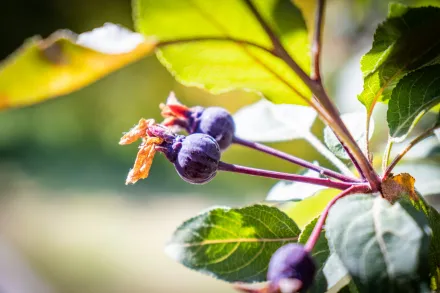
Elderberry, scientifically known as Sambucus, has traveled through centuries of traditional healing, weaving its way into folk remedies and modern nutritional discussions alike. In contemporary wellness narratives, it is celebrated for its potential to support immune function and help the body respond to common seasonal challenges. The appeal lies not only in its historical pedigree but also in a growing body of evidence about the plant's bioactive compounds and the ways these compounds may interact with the body's defenses. Rather than offering a single magic bullet, elderberry is best understood as a plant with a complex profile that can contribute to a balanced immune response when used thoughtfully, within the context of overall diet and healthy living. The conversation about elderberry sits at the intersection of traditional knowledge, phytochemistry, and modern clinical inquiry, inviting a nuanced exploration of how this berry and its extracts might fit into strategies for maintaining resilience in the face of everyday health stressors. To appreciate the potential benefits, it is helpful to start with what elderberries are, how they are processed, and what makes their chemistry distinctive for immunity, before moving into the practicalities of use, safety considerations, and the evolving science that continues to shape our understanding of this common yet remarkable fruit.
What elderberry is and how it relates to immune health
Elderberry refers to the berries and flowers of the Sambucus plant, varieties of which have long been valued for culinary and medicinal uses. The fruit carries a dark indigo hue when ripe, a color that is thought to reflect a rich concentration of plant pigments called anthocyanins, a class of flavonoids associated with anti-inflammatory and antioxidant activities. Immunity is not a single switch that flips on or off; it is a dynamic network of defenses that vigilantly patrols the body, identifying invaders, coordinating responses, and repairing tissue when needed. In this framework, elderberry may influence several aspects of immune readiness. By providing a blend of phytochemicals, elderberry might help modulate inflammatory signaling pathways and support cellular components that participate in antiviral defenses. For many people, incorporating elderberry through foods, juices, syrups, or teas is a way to tap into these bioactive properties as part of a balanced dietary pattern rather than as a stand-alone remedy. The practical implication is that elderberry can be a complementary element of a broader strategy aimed at sustaining immune vitality across seasons marked by stressors such as cold and flu exposure, environmental shifts, and lifestyle changes.
Traditional uses and cultural context
Across different cultures, elderberry has appeared in remedies and culinary traditions for generations. In various herbal traditions, the blossoms have been prepared into infusions or syrups, while the ripe berries have been consumed in jams, chutneys, or tinctures after careful processing to reduce the potential for plant compounds that can cause mild gastrointestinal upset if ingested raw. Historically, people have trusted elderberry not only for its flavor but also for its perceived ability to support seasonal well being. This tradition continues in modern practice where individuals increasingly seek natural options that complement science-based medical care. The enduring appeal lies in the combination of a familiar fruit, a storied past, and a plausible biological basis for immune support, all of which can coexist with a person’s values and health goals. In addition, traditional uses have often highlighted the importance of quality sourcing and careful preparation, reminding modern readers that the context of preparation and the form of consumption matter when evaluating potential benefits for immunity.
Active compounds and how they might influence immunity
The chemistry of elderberry is rich and multifaceted. The berries contain anthocyanins and other flavonoids that contribute color and potential bioactivity. In some preparations, the flowers also provide unique phytochemicals that may work in concert with the berries. Beyond these pigments, elderberry includes phenolic acids and other constituents that can interact with cellular signaling pathways involved in inflammation and immune regulation. From a mechanistic perspective, these compounds may influence how immune cells such as macrophages and natural killer cells respond to pathogens, and they may also modulate the overproduction of inflammatory mediators that can accompany illness. It is important to interpret these signals with nuance. Immune function is not a simple on/off switch, and the effects of elderberry are best understood as part of a broader pattern of intake that supports resilience rather than promising a cure. The emphasis remains on quality, dosage, and consistency, along with awareness of the body's individual responses. When elderberry is prepared in a way that preserves its bioactive profile, it can contribute to a spectrum of favorable biological effects that several researchers find plausible and worth further exploration within rigorous study designs.
Formulations and modes of use
A practical advantage of elderberry is the variety of formulations available to consumers. Fresh or dried berries, syrups, gummies, lozenges, teas, and tinctures provide different pathways for incorporating elderberry into daily routines. Processing methods—such as gentle heating, decoction, or fermentation—can influence the stability and accessibility of bioactive compounds, so understanding the type of product and its manufacturing approach can help people make informed choices. For some individuals, elderberry syrup offers a comforting, easy-to-dose option that can be blended with other ingredients or used directly. For others, standardized extracts or lozenges may be preferred for practicality during travel or busy periods. Importantly, the choice of product should take into account sugar content, alcohol presence in tinctures, and any additives that may interact with personal health considerations, such as diabetes management or dietary restrictions. The goal is to select a formulation that is consistent with overall health plans while maintaining enjoyment and ease of incorporation into daily life.
Evidence from clinical and observational studies
Research on elderberry and immune health spans laboratory investigations, animal studies, and human clinical trials. Some randomized trials and observational studies have explored the potential for elderberry to influence the duration and intensity of respiratory infections, including those caused by viruses that commonly spread in communities. A recurring theme in the literature is that elderberry may contribute to a shorter illness course and a milder symptom profile in certain circumstances, particularly when used early in the course of symptomatic infections. However, the results vary, and not all studies demonstrate statistically significant benefits. This variability underscores the importance of cautious interpretation and the need for high-quality trials that clearly define dosing, timing, and participant characteristics. In practice, many clinicians and researchers view elderberry as a supportive option that may complement standard care when used appropriately, rather than as a substitute for medical evaluation or treatment for serious illnesses. When considering elderberry, it is prudent to weigh the totality of evidence, including the quality of the products used, and to be mindful of individual health status and potential interactions with medications.
Antiviral properties and inflammatory signaling
A strand of evidence suggests that elderberry may influence viral replication in laboratory models and modulate inflammatory signaling in ways that could be beneficial during viral illnesses. The idea is not that elderberry sterilizes infections, but that certain constituents may interfere with viral entry or replication and help the body mount a coordinated response. Additionally, the plant's phytochemicals may affect cytokine production, a central feature of the immune response. As with other nutraceuticals, these effects are context dependent and best understood as part of an integrated approach to health that includes rest, hydration, nutrition, and medical guidance when needed. While the laboratory findings are promising, translating these observations into definitive clinical recommendations requires careful, large-scale human studies. Until then, the emphasis remains on prudent use, appropriate timing, and attention to how elderberry interacts with other elements of a person's medical plan.
Safety considerations and potential side effects
Like all botanical products, elderberry is not without potential drawbacks. Most individuals tolerate properly prepared elderberry products well, but some people may experience mild gastrointestinal symptoms, particularly when consumed in high amounts or when the product contains concentrated extracts. Allergic reactions, though uncommon, can occur in individuals with sensitivities to plants in the Sambucus family. As in any supplement or natural remedy, quality matters; poor processing or adulteration with other plant parts may introduce unwanted compounds. Pregnant or breastfeeding individuals, people with autoimmune conditions, or those taking immunomodulatory medications should consult healthcare professionals before introducing elderberry into their routine. It is also important to pay attention to how elderberry is prepared, because raw berries and some parts of the plant in uncooked form contain substances that can be undesired or harmful if consumed in large quantities. Responsible use involves choosing reputable products, following dosage guidelines, and staying attuned to how the body responds over time.
Dosage considerations and timing
Dosage guidelines for elderberry vary by product type, age, and overall health status. In general, standardized extracts and syrups come with directions that reflect the concentration of active compounds. The timing of use can be as important as the dose. Some people prefer starting supplementation at the onset of seasonal changes or after identifying early symptoms, while others use elderberry more regularly as part of a healthy routine. It is wise to adjust intake based on individual tolerance and to avoid excessive use. As with any wellness strategy, consistency is valuable, but it is also prudent to reassess periodically in consultation with a healthcare professional, especially if there are existing medical conditions or ongoing treatments. For families with children, dosing should follow pediatric-specific guidelines and product instructions, with careful supervision and avoidance of raw plant parts that may carry risk for younger individuals.
Quality, sourcing, and authenticity considerations
The quality of elderberry products hinges on several factors, including the plant source, harvest season, processing methods, and third-party testing. Wildcrafted or cultivated berries may differ in flavor, pigment content, and overall phytochemical profile, so consumers often compare products based on their intended use, whether for culinary enjoyment or immune support. Authenticity is enhanced when products clearly disclose the plant species, the part used (berries, flowers, or extracts), the concentration of active compounds, and the absence of contaminants. Purity testing and certification schemes can help identify products that meet quality standards. In addition to laboratory verification, consumers can look for transparent supply chains, reasonable harvesting practices, and responsible production that respects ecological balance. A thoughtful approach to sourcing supports both the efficacy of elderberry products and the broader goals of sustainability and informed consumption. Emphasizing quality helps ensure that the immune-related benefits are derived from a product that aligns with safety, consistency, and consumer confidence.
Special considerations for children and older adults
Children and older adults may have different needs and tolerances when it comes to elderberry. In pediatric contexts, it is especially important to use formulations designed for younger age groups and to adhere strictly to dosing instructions for children. While some studies suggest favorable outcomes for common colds in children, caregivers should monitor for adverse effects and seek professional guidance if symptoms persist or worsen. For older adults, considerations include potential interactions with medications, existing chronic conditions, and the cumulative effects of polypharmacy. In all cases, elderberry should be integrated as part of a comprehensive approach to immunity that respects individual health status, preferences, and medical advice. It is also prudent to discuss elderberry use with a healthcare provider for those who are immunocompromised or who have conditions that may affect how the body responds to plant-based therapies.
Practical integration into daily life
Incorporating elderberry into daily life can be as simple as choosing a product that suits personal taste and lifestyle while ensuring alignment with health goals. For some, a morning supplement or a vitamin-like syrup serves as a gentle reminder to prioritize immune-friendly practices. For others, elderberry may appear in culinary preparations such as sauces or desserts, providing a flavorful way to enjoy its distinctive berry character. The key to practical integration is to maintain balance with other nutrient-dense foods, to avoid excessive sugar content when using syrups, and to pair elderberry with a variety of fruits, vegetables, and whole grains that bolster overall health. Mindful consumption supports a sustainable habit rather than a temporary intervention, reinforcing the idea that immune vitality benefits from a broad, consistent approach rather than isolated choices. This perspective encourages individuals to view elderberry as one component of a holistic wellness routine rather than a singular solution to immune challenges.
Mechanisms in play: a integrated view
From a holistic standpoint, the potential immune benefits of elderberry can be framed as a constellation of interacting mechanisms. Antioxidant activity helps shield cells from oxidative stress that can accompany illness and aging. Anti-inflammatory effects may temper excessive inflammatory responses that sometimes accompany respiratory infections, contributing to more comfortable symptom experiences. Antiviral properties observed in laboratory studies raise the possibility of interference with viral replication, particularly in the early stages of infection. Immune modulation, rather than outright stimulation, may support a balanced response by aiding the actions of immune cells while reducing collateral tissue damage. These mechanisms are not mutually exclusive; rather, they operate in concert within the body's dynamic immune network. An integrated view acknowledges that elderberry is a complex botanical product whose effects arise from a network of compounds acting on multiple biological targets, with timing and context playing pivotal roles in determining the clinical relevance of observed effects.
Ecological and sustainability considerations
As interest in elderberry grows, attention to sustainable sourcing and ecological impact becomes increasingly important. Responsible cultivation and harvesting practices help ensure that elderberry populations remain robust while ecosystems are protected. For consumers, choosing products from producers who emphasize sustainable farming, careful collection, and transparent environmental stewardship aligns with broader values around health and responsibility. A sustainable approach also supports the long-term availability of high-quality elderberry products for future generations, making it possible to enjoy the potential immune benefits while contributing to environmental well-being. This connection between personal health choices and planetary health reflects a growing understanding that well-being is interconnected with the world we inhabit, encouraging mindful decisions that honor both science and stewardship.
Interplay with medications and existing health conditions
For individuals taking prescription therapies or managing chronic conditions, elderberry should be considered within the broader context of medication interactions and safety. While elderberry is generally well tolerated when used appropriately, there is potential for interactions with certain drugs, particularly those that influence the immune system or metabolic pathways. Diabetes medications, anticoagulants, and immunosuppressants, among others, may require professional guidance to determine whether elderberry is appropriate or whether dosage adjustments are advisable. In people with autoimmune disorders or compromised immune systems, a careful consultation with a healthcare provider is especially prudent to ensure that the addition of elderberry does not inadvertently affect disease activity or treatment efficacy. This thoughtful approach emphasizes collaboration with healthcare professionals to balance traditional wisdom with modern medical oversight, ultimately supporting patient safety and well-being.
Closing perspective: weaving elderberry into a balanced immune strategy
The story of elderberry in immunity is one of a long lineage that intersects with contemporary science. It offers a narrative of potential benefits rooted in phytochemistry, traditional practice, and carefully designed clinical inquiry. While elderberry is not a universal remedy and cannot replace medical care when it is needed, it can be a tasteful and thoughtful addition to a comprehensive approach to immune health. Embracing elderberry with attention to quality, dose, timing, and safety allows individuals to explore its possible advantages while remaining grounded in evidence, personal experience, and shared medical guidance. In this way, elderberry becomes part of a broader toolkit aimed at nurturing resilience, supporting recovery, and maintaining vitality across the seasons, rather than a singular guarantee of protection from illness. The journey toward optimal immunity is multifaceted, and elderberry may well fit into a diverse array of habits and choices that individuals curate to meet their unique health goals and life circumstances.