White blood cells form the backbone of the body's defense system, a dynamic army trained to recognize invaders, identify threats, and mobilize responses that limit infection and disease. The production of these critical cells begins in the bone marrow, where stem cells differentiate into diverse lineages that include neutrophils, lymphocytes, monocytes, eosinophils, and basophils. The vigor of this hematopoietic process depends on a delicate balance of nutrients, energy, and cellular signals. Diet plays a particularly important role, not by pro...
Prevention & Immunity


The cold and flu seasons are recurring reminders that the human body operates within an intricate web of exposure, defense, and adaptation. While vaccines, antiviral medications, and professional medical care play important roles, a substantial portion of illness risk is shaped by everyday choices that influence immune readiness and the body’s capacity to repel invading pathogens. Natural strategies to prevent colds and influenza are not about a single magic bullet but about cultivating a resilient baseline through sleep, nutrition, movement, h...
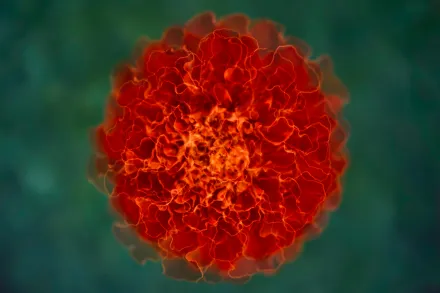
Turmeric has been valued for centuries in culinary and traditional medicine, celebrated for its vivid color, distinctive aroma, and a reputation for supporting vitality. In modern times, interest in turmeric has expanded beyond the kitchen into the realm of science and public health, where researchers seek to understand how this bright spice can contribute to immune resilience. The curiosity around turmeric arises not from a single miracle ingredient but from a constellation of bioactive compounds that interact with immune cells, inflammatory p...

Infections arise when harmful microbes such as bacteria, viruses, fungi, or parasites breach the body's defenses and begin to multiply. While modern medicine provides tools to treat infections, many preventive strategies can be adopted through daily choices that strengthen the body's natural resilience. The aim of natural prevention is not to replace medical advice, but to support the immune system, reduce exposure to pathogens, and create conditions in which the body's defenses can operate more effectively. A comprehensive approach blends hygi...

Walking, a low impact and widely accessible activity, interacts with the immune system in several meaningful ways. The immune system is a complex network of cells, tissues, and signals that protect the body from infection, help repair damaged tissue, and coordinate responses to diverse challenges. Regular movement appears to modulate the balance between inflammation and immune efficiency. In the context of daily walking, the body receives subtle, consistent stimuli that can support the surveillance capabilities of immune cells, improve circulat...

As people age, the immune system undergoes a series of transformations that can influence how the body defends itself against infections, responds to vaccines, and recovers from illness. This reality is not a fixed sentence but a dynamic process shaped by genetics, lifestyle, chronic conditions, medications, and environmental exposure. Understanding these shifts helps aging adults approach immunity with a broader perspective that combines prevention, smart choices, and collaboration with healthcare providers. The goal is not to stop aging but t...
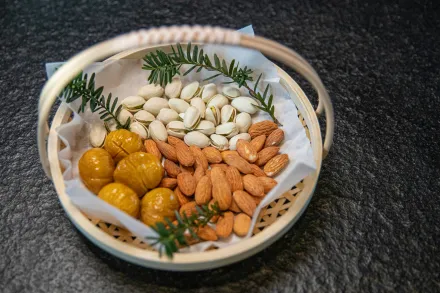
The body relies on an intricate network of defense mechanisms to resist illness, and at the core of this network are micronutrients that guide, energize, and regulate immune cells. Micronutrients are required in small amounts, yet their impact on health can be profound. They participate in a wide array of biochemical pathways that sustain the integrity of barriers such as the skin and the mucous membranes, prime immune cells to recognize invading pathogens, and modulate inflammatory responses that can either contain infection or, if imbalanced,...

Understanding how nutrition intersects with the body’s defenses against infections begins with recognizing that food is not merely fuel but a source of signals, resources, and microbiological balance that shape how the immune system responds to threats. The complex network of cells, tissues, and molecules that guard against invading organisms relies on a steady supply of nutrients to maintain readiness, repair damaged tissues, and mount effective responses when microbes challenge the body's barriers. In everyday terms, what you eat can influenc...

Inflammation is a natural defense mechanism that the body uses to respond to injury, infection, and cellular stress. In its acute form, it serves a protective purpose, recruiting immune cells, ramping up blood flow, and activating repair processes that help restore tissue integrity. Yet when inflammation becomes chronic, it can turn against the body, contributing to the development and progression of a long list of conditions, from cardiovascular disease to insulin resistance and mood disturbances. This paradoxical duality makes the study of in...

The immune system is not a single entity but a symphony of cells, tissues, and signaling molecules that act in concert to defend the body against disease. For many people, immune health feels mysterious, yet the choices we make every day about nutrition, sleep, activity, stress, and environment exert real influence on how robust that defense appears in practice. Recognizing this connection empowers us to adopt lifestyle patterns that support resilience rather than leaving immunity to luck. When we align daily habits with what science describes ...