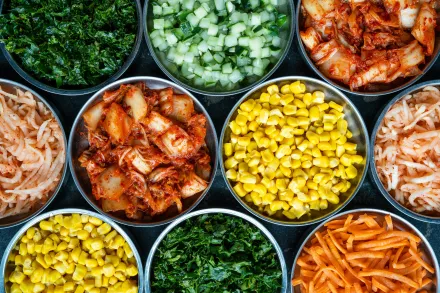
The dynamic link between diet and the immune system
Food is not merely fuel for the body; it acts as a signal that helps calibrate immune responses. The immune system relies on a delicate balance between surveillance against pathogens and tolerance toward harmless substances, a balance influenced by the availability of building blocks for immune cells and signaling molecules. Antibodies, the specialized proteins that tag invaders for destruction, are produced by B cells and plasma cells in lymphoid tissues. The efficiency of this production depends on many nutritional inputs, including adequate protein for amino acids, vitamins that serve as enzymatic cofactors, minerals that regulate cell division and maturation, and dietary patterns that support a healthy gut ecosystem. In this broad landscape, certain foods emerge as particularly influential because they supply the precise nutrients that antibodies need to assemble, shed their protective coatings, and adapt to encounters with evolving microbes. When meals consistently provide diverse and nutrient-dense ingredients, the immune system can maintain readiness without tipping into excessive inflammation, a state that can interfere with antibody quality and function. This introductory overview invites a deeper exploration of how specific nutrients and foods shape the humoral arm of immunity, the process by which antibodies are generated, matured, and deployed in defense of the body.
The science behind antibodies and nutrition
Antibodies are large, complex proteins that recognize foreign substances with remarkable specificity. Their production begins with B lymphocytes that, upon activation, differentiate into antibody-secreting plasma cells. The maturation of this system is tightly linked to the availability of essential nutrients that serve as substrates for protein synthesis and as cofactos for enzymes that regulate gene expression, cell division, and antibody assembly. Nutrition also shapes the environment in which immune cells reside, including the gut-associated lymphoid tissue where a significant portion of immune activity occurs. A steady supply of high-quality protein provides the amino acids necessary to construct heavy and light chains, the two polypeptide components that form the antibody molecule. Lipids supply energy and structural components that support cell membranes, while micronutrients such as zinc, selenium, iron, copper, and vitamins A, C, D, E, and the B-complex participate in countless biochemical pathways that enhance lymphocyte proliferation, support oxidative balance during rapid cell growth, and influence signaling cascades that decide whether B cells become antibody-secreting cells. The interaction between the gut microbiome and the immune system further modulates antibody production by shaping mucosal immunity, influencing the balance of pro- and anti-inflammatory signals, and generating metabolites that can affect immune cell function. In short, nutrition does not merely supply raw materials; it orchestrates the tempo and quality of antibody responses, particularly during infections, vaccinations, and periods of recovery from illness.
Key nutrients that support antibody production
A robust antibody response hinges on a diverse set of nutrients that work in concert. Protein intake supplies the essential amino acids needed to assemble immunoglobulins, while minerals such as zinc and selenium support the maturation of immune cells and protect antibodies from oxidative damage during synthesis. Iron participates in the energy metabolism of highly active immune cells, and copper helps in the development of immune tissues. Vitamins also play indispensable roles: vitamin A supports mucosal integrity and immune cell differentiation, vitamin C acts as an antioxidant and a cofactor in collagen stability that preserves barrier function, vitamin D regulates immune cell signaling and antibody production, and the B vitamins participate in metabolic reactions that fuel immune responses. Omega-3 fatty acids, though not directly part of antibodies, help modulate inflammatory tone and can influence the signaling environment in which B cells operate. A diet that includes a variety of colorful fruits and vegetables, lean proteins, whole grains, and healthy fats provides the mosaic of nutrients needed for antibody production to function effectively while maintaining immune balance. Adequate fiber and fermented foods support a diverse gut microbiota, which in turn fosters robust mucosal immunity and the production of secretory IgA that forms the first line of defense in the gut and other mucosal surfaces.
Foods rich in high-quality protein and amino acids
Healthy antibody production requires a steady supply of amino acids culled from dietary protein. Foods that deliver complete or high-quality proteins contain all the essential amino acids in appropriate proportions. These include animal-based sources such as lean poultry, fish, eggs, and dairy, as well as plant-based options like soy, quinoa, buckwheat, and a well-combined set of legumes with grains. Within the dietary pattern, consistent protein intake ensures that B cells have the materials they need to synthesize the heavy and light chains of antibodies and to assemble the immunoglobulin molecules that will patrol the bloodstream and tissues. Moreover, protein-rich meals help sustain the energy-intensive process of lymphocyte activation, clonal expansion, and antibody secretion that accompanies responses to vaccines and infections. When meals are protein-dense and evenly distributed across the day, there is a smoother supply chain for immune system machinery, reducing the risk of stagnation or delayed antibody production during critical windows of immune challenge.
Zinc, iron, selenium, and other trace minerals
Trace minerals occupy pivotal roles in the immune orchestra. Zinc supports thymic function and lymphocyte development, and it participates in signaling pathways that drive B cell maturation and antibody class switching, a process that expands the functional repertoire of antibodies. Iron is essential for the energy needs of rapidly dividing cells, including those in the immune system, and ferritin stores can influence inflammatory signaling. Selenium contributes to the activity of glutathione peroxidases, enzymes that protect immune cells from oxidative stress during activation and antibody synthesis. Copper participates in the maintenance of connective tissue and the maturation of immune structures, while manganese, iodine, and other trace elements contribute in subtler ways to immune regulation. Foods containing these minerals include seafood, especially shellfish and fish, lean meats, eggs, whole grains, legumes, nuts and seeds, and fortified cereals. A balanced intake of these nutrients supports not just the quantity of antibodies produced but the integrity and function of those antibodies in pathogen neutralization and pathogen recognition.
Vitamin A, carotenoids, and mucosal immunity
Vitamin A and its relatives influence the health of mucosal surfaces where antibody production is highly active. Adequate stores of vitamin A help preserve the epithelial barriers of the respiratory and gastrointestinal tracts, creating an environment where B cells can encounter antigens and undergo affinity maturation in the context of a well-regulated mucosal immune response. Carotenoids, the colorful pigments in many fruits and vegetables, act as antioxidants and can be converted into active retinoids that support immune cell differentiation. A diet rich in orange, red, and green vegetables and fruits supplies these important compounds. By maintaining mucosal integrity and supporting the education of B cells in mucosal-associated lymphoid tissues, vitamin A and carotenoids contribute to the production of antibodies that are effective in the initial encounters with inhaled or ingested pathogens, a critical step in preventing systemic spread of infections.
Vitamin C, bioflavonoids, and antibody-supporting antioxidants
Vitamin C stands out for its role in supporting phagocytic function, protecting immune cells from oxidative injury, and contributing to the maintenance of a healthy mucosal barrier. Its presence in fruits such as berries, citrus fruits, and kiwifruit, as well as vegetables like bell peppers and leafy greens, provides a dependable supply to pairs of immune cells working to neutralize invaders. Bioflavonoids accompany vitamin C in many fruits and vegetables, offering additional antioxidant and anti-inflammatory benefits that can indirectly improve the microenvironment in which antibodies develop. While vitamin C itself does not directly command plasmablast differentiation, it contributes to the overall resilience of immune cells during peak antibody production phases, helping to sustain antibody output during infections or after vaccination when the demand for robust humoral responses is highest.
Vitamin D and immune modulation
Vitamin D acts as a regulator of immune function, influencing the activity of various immune cell types including B cells, T cells, and antigen-presenting cells. The presence of vitamin D receptors on immune cells means that vitamin D status can sway antibody production and the quality of the antibody response. Fatty fish, fortified foods, and, in some cases, dietary supplements contribute to serum 25-hydroxyvitamin D levels, which can influence how vigorously B cells proliferate and differentiate during immune challenges. It is important to note that while adequate vitamin D supports immune function, extremely high intakes can have adverse effects, and individual needs vary with sun exposure, geographic location, skin type, and health status. A balanced approach that prioritizes natural food sources while respecting recommended guidelines tends to support a favorable environment for antibody generation without compromising safety.
Probiotics, prebiotics, and gut-mediated antibody production
The gut is a formidable immune organ, housing a large portion of the body’s antibody-producing cells and shaping the specificity of the humoral response. Probiotics—live beneficial bacteria found in fermented foods and certain dairy products—can support a diverse microbiome that educates immune cells toward balanced responses. Prebiotics, which are dietary fibers that nourish beneficial bacteria, promote the growth of these microbes and can influence the production of secretory IgA, a key antibody class in mucosal surfaces. Fermented foods such as yogurt, kefir, sauerkraut, and miso can contribute to microbial diversity and mucosal immunity, while fibers from fruits, vegetables, whole grains, and legumes feed commensal species that produce short-chain fatty acids with anti-inflammatory properties. Integrating these foods into meals supports a gut environment where B cells receive appropriate stimuli to mature into antibody-secreting plasma cells that can adapt to microbial challenges encountered in daily life.
Omega-3 fatty acids and immune signaling
Omega-3 fatty acids, notably EPA and DHA, influence immune function by modulating inflammatory signaling and cell membrane dynamics without directly becoming antibodies. Their role lies in shaping a conducive environment for antibody production by supporting balanced inflammatory responses and ensuring that immune cells maintain functionality during periods of high activity. Foods rich in omega-3s include fatty fish such as salmon, mackerel, and sardines, as well as plant sources like flaxseeds, chia seeds, and walnuts. Regularly including these fats in meals can contribute to a steady, well-regulated immune response, which complements the antibody-producing machinery without overwhelming it with unchecked inflammation.
Dietary patterns that cultivate a resilient antibody response
Beyond individual nutrients, the overall dietary pattern matters for antibody production. Patterns that emphasize a diverse and colorful array of plant foods, lean proteins, healthy fats, and minimally processed ingredients tend to support immune health more effectively than meals that are heavy in refined carbohydrates and added sugars. A plate that blends leafy greens, cruciferous vegetables, brightly colored fruits, whole grains, and ample high-quality protein provides steady energy and substrates required for immune cell function. Hydration plays a quiet but vital role, ensuring that lymph fluid is properly circulated and that mucosal surfaces remain moist and capable of producing protective antibodies. A pattern that includes regular meals, mindful portion control, and attention to nutrient density helps preserve the delicate equilibrium between antibody production and immune regulation, facilitating responses that are strong enough to counter pathogens yet restrained enough to avoid collateral tissue damage during infections or inflammatory episodes.
Antibody production across life stages and circumstances
Different life periods demand distinct nutritional emphases to support antibody production. In early life, growth and immune system maturation require ample protein, iron, zinc, and vitamins to shape a robust initial antibody repertoire. In adulthood, maintaining balance between energy intake and micronutrient sufficiency helps sustain vaccine responses and infection defenses. During pregnancy and lactation, nutrient needs rise for both the mother and the developing fetus or infant, with attention to protein quality, iodine, iron, folate, and vitamin D to support immunoglobulin production and offspring defense systems. In aging populations, maintaining nutrient adequacy becomes crucial to counteract immunosenescence, the gradual decline in immune competence, which can dampen antibody responses to vaccines and infections. Athletes and individuals with physically demanding routines may benefit from a carefully planned protein and antioxidant-rich diet to support recovery and maintain robust antibody production during training and competitions. These stage-specific considerations highlight that diverse, nutrient-dense foods remain foundational across the lifespan, with adjustments guided by health status and professional advice when necessary.
Practical strategies for maximizing antibody-friendly meals
To translate nutrition science into everyday meals, one can structure habits around consistent protein sources, a spectrum of fruits and vegetables, whole grains, and healthy fats. Emphasizing color and variety helps ensure coverage of essential vitamins and minerals. Cooking methods that preserve nutrients, such as steaming vegetables to retain vitamin C and folate, gentle sautéing of proteins to maintain amino acid integrity, and minimal processing to keep fiber intact, support the immune-enhancing potential of foods. Mindful meal timing, such as distributing protein evenly across meals and pairing micronutrient-rich foods with proteins, can improve absorption and utilization of minerals like zinc and iron. Routine preparation of meals at home, rather than relying exclusively on ultra-processed options, may contribute to more stable energy levels and a more consistent supply of substrates for antibody production, particularly during periods of vaccination or illness when the immune system is actively mounting a response. In addition, minimizing excessive alcohol intake and limiting highly processed fats can reduce inflammatory noise that could otherwise obscure the nuanced signaling required for high-quality antibody responses.
Foods to emphasize for different health scenarios
When aiming to support antibody production during vaccination, it is prudent to focus on meals that provide high-quality protein, adequate zinc, selenium, and vitamin C, along with prebiotic fibers to support gut health. In the face of a common cold or flu season, maintaining hydration, balanced meals, and consistent nutrient intake can help sustain the immune system as antibodies are mobilized to neutralize pathogens. For individuals with restricted diets, careful planning is necessary to ensure all essential nutrients are covered, potentially with fortified foods or targeted, clinician-guided supplementation. Pregnant individuals should prioritize iron, folate, iodine, and omega-3 fats to support both maternal and fetal immune development. Older adults may benefit from protein-rich meals, calcium and vitamin D for bone health alongside immune support, and attention to micronutrients that maintain lymphocyte function. Across these situations, the overarching principle remains the same: a stable supply of nutrients that support energy production, cellular growth, and the specific biology of antibody generation enhances the likelihood that the humoral response will be effective when it is most needed.
Practical cooking tips to preserve immune-supporting nutrients
Preserving the integrity of immune-supporting nutrients begins with choosing fresh, minimally processed ingredients and employing cooking techniques that reduce nutrient loss. Gentle heating, shorter cooking times, and methods such as steaming, poaching, or light roasting help retain vitamins and antioxidants in vegetables and fish. When preparing legumes and whole grains, soaking and proper cooking unlock mineral bioavailability and reduce antinutrient factors that might otherwise hinder absorption. Pairing vitamin C-rich foods with iron-containing plant sources can improve iron uptake, an important consideration for tissues that require iron for rapid cell division during immune responses. Storing produce appropriately and consuming a wide variety of plant foods across the week ensures a steady influx of micronutrients and phytochemicals that can support antibody production. Finally, mindful food safety practices reduce the risk of infections that could demand acute antibody resources, allowing the immune system to allocate energy toward defense rather than combatting additional pathogens.
Safety considerations and the role of supplements
While foods are the preferred source of nutrients for supporting antibody production, supplements have a role in addressing documented deficiencies or specific medical guidance. It is important to use supplements judiciously and under professional supervision, because excessive intake of certain nutrients can disrupt immune function or interact with medications. For example, very high doses of zinc can interfere with copper absorption, and excessive fat-soluble vitamins may accumulate in the body with potential adverse effects. Supplements should not be viewed as a substitute for a balanced, nutrient-rich diet; instead, they may complement a healthy eating pattern for individuals at risk of deficiencies or with particular health conditions. When considering supplementation, consultations with healthcare providers or registered dietitians help ensure appropriate dosing, safety, and relevance to personal health goals. In the broader context, emphasis on whole foods remains the most reliable strategy to support antibody production while maintaining overall well-being.
Sample day of immune-supporting meals (narrative spread)
Begin the day with a breakfast that blends high-quality protein, fiber, and colorful produce. A plate might feature eggs cooked to preference, paired with a slice of whole-grain bread and a serving of sautéed leafy greens, with berries on the side for a dose of vitamin C and antioxidants. A drizzle of olive oil adds healthy fats that support cellular health and inflammation regulation. Midmorning and afternoon snacks can include yogurt or kefir with chopped fruit and a handful of nuts, providing probiotics, calcium, and a source of plant-based protein. Lunch could center on a piece of fatty fish such as salmon, accompanied by a quinoa and vegetable medley rich in carotenoids and vitamin C, with a squeeze of lemon to boost flavor and nutrient absorption. Dinner might bring a lean protein like chicken or legumes, a generous portion of steamed vegetables, and a whole grain such as barley or bulgur, offering fiber, minerals, and B vitamins essential for energy metabolism. Throughout the day, hydration supports the movement of immune cells, and a modest inclusion of seaweed or fortified dairy can contribute iodine and vitamin D, respectively, to the overall plan. This imagined day demonstrates how thoughtful combinations of protein, micronutrients, and gut-friendly foods can create a steady environment in which antibodies are produced efficiently and effectively while maintaining general health and well-being.