The immune system is a dynamic network that protects the body from infections, repairs tissues, and interacts with metabolic and hormonal processes. As people age, this network undergoes a gradual transformation often described as immunosenescence, a term that captures the waning vigor of immune cells, slower responses to unfamiliar pathogens, and a shift in the balance between pro inflammatory and anti inflammatory signals. In older adults, the liver, spleen, bone marrow, and lymphatic tissues each contribute to these changes, and subtle alter...
Prevention & Immunity


Omega-3 fatty acids occupy a central place in the architecture of the human immune system, shaping how cells communicate, recognize invaders, and marshal appropriate responses. The two most studied marine omega-3s, eicosapentaenoic acid and docosahexaenoic acid, are not only structural components of cell membranes but also precursors to a family of lipid mediators that actively regulate inflammation. In parallel, the plant-derived alpha-linolenic acid serves as a metabolic reservoir that can be converted, albeit modestly in humans, into EPA and...

Every season more people ask how to reduce the risk of catching a cold without turning to synthetic remedies. The common cold is caused by a variety of viruses, most often rhinoviruses, and it exploits subtle opportunities to invade the body's defenses. While no method guarantees absolute prevention, a thoughtful combination of daily habits, mindful nutrition, and gentle lifestyle adjustments can significantly lower the likelihood of infection and shorten the duration when exposure occurs.

Fiber is a fundamental component of the human diet that extends beyond the simple role of adding bulk to stool. While much attention around fiber centers on digestive regularity, research over recent decades has illuminated a broader landscape in which fiber interacts with immune function, metabolic health, and the body's ability to defend itself against pathogens. In this article, we explore how different forms of dietary fiber influence immune health, the mechanisms by which fiber and microbes in the gut communicate with immune cells, and pra...

In the intricate environment of living cells, a delicate balance governs the chemical reactions that sustain life. A central player in this balance is oxygen, which enables efficient energy production through aerobic metabolism. Yet oxygen's very mobility also creates reactive byproducts that can disrupt normal cellular function when produced in excess or when the cell’s defenses are overwhelmed. This state, commonly referred to as oxidative stress, arises when the generation of reactive oxygen species and related molecules outpaces the capacit...

The human immune system is a complex network of cells, tissues, and chemical signals that constantly surveils the body for invaders and damaged cells. Its performance is influenced not only by genetics and age but by everyday choices, especially what we eat. Nutrition can modulate the activity of immune cells, support the barrier functions of the skin and mucous membranes, and influence inflammatory mediators that help coordinate defense. In practical terms, this means that a consistent pattern of nutritious intake can help the body respond mor...

The immune system does not operate in isolation from the rest of the body, and the brain does not exist without cues from the immune milieu. Throughout history scientists have observed that emotions, stress, sleep, and behavior can influence how efficiently the body detects and responds to threats. In modern research, the connection between mental health and immunity is understood as a continuous exchange of signals that coordinate defense, repair, and adaptation. This exchange is mediated by hormones, neural circuits, and immune mediators that...

Sleep is not merely a passive state of rest but a dynamic, biologically meaningful process that shapes the efficiency and responsiveness of the immune system. During the hours of darkness, the body refines its defenses by orchestrating a coordinated exchange of signals between the nervous system, the endocrine system, and immune cells. In this nightly dialogue, immune cellsSuch as natural killer cells, T cells, and macrophages acquire enhanced mobility and functional readiness, while the production and release of signaling molecules called cyto...
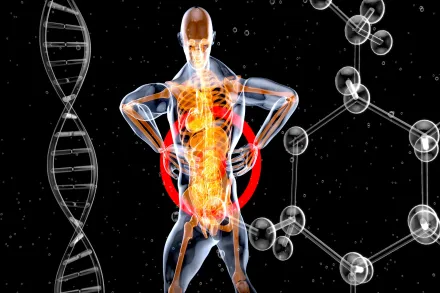
Inflammation is a natural and essential response of the body's immune system to injury, infection, and stress. It is a complex cascade of cellular signals aimed at removing harmful stimuli and initiating healing. In its acute form, inflammation serves a protective purpose, helping tissues recover after damage by promoting blood flow, recruiting immune cells, and supporting repair processes. Yet when inflammation becomes chronic or uncontrolled, it can contribute to a wide range of health problems, including cardiovascular disease, metabolic dis...

In the human body, the immune system works as a vigilant network of cells, tissues, and signaling molecules defending against infections and disease. Diet plays a powerful role in supporting this system, and a substantial body of research points to the importance of antioxidants as allies in maintaining immune readiness. Antioxidants are compounds that help neutralize free radicals and reduce oxidative stress, which, when uncontrolled, can disrupt cellular function and inflammatory balance. By consuming a variety of foods rich in natural antiox...