In childhood, the risk of infection is shaped by how germs move from one person to another, how the body's defenses respond, and the environments children encounter daily. In homes, preschools, and playgrounds, droplets from coughing or sneezing, contact with contaminated surfaces, and close physical proximity create numerous opportunities for germs to spread. The same pathogens may cause mild colds in some children while producing more serious illness in others depending on age, health status, and the presence of underlying conditions. By recognizing these pathways, families can design practical routines that limit exposure without restricting activity or joy.
Young children have dynamic immune systems that adapt quickly, but they may respond more vigorously to some infections while being slower to mount defenses against others. This is why infection risk is not uniform across age groups and why simple preventive steps can have a meaningful impact. Environmental factors such as crowded spaces, poor ventilation, and inconsistent cleaning can magnify the spread of viruses that cause colds, flu, stomach upsets, and skin problems. Understanding these nuances helps families focus on measures that combine effectiveness with practicality.
Exposure to pathogens can be reduced by limiting contact with sick individuals, ensuring good hygiene, and maintaining clean surfaces. These measures do not require perfection but rather consistency and attention to routine. In many cases, small changes, practiced daily, accumulate into a sizable reduction in illness episodes, missed school days, and the emotional burden that illness often carries for families.
Consistent Hand Hygiene in Everyday Life
Regular handwashing with soap and water remains one of the most effective barriers against infection in children. Teaching young people to rub hands for at least twenty seconds, covering the backs of the hands, between fingers, and under nails, builds habits that endure beyond childhood. When water is unavailable, an alcohol-based sanitizer with adequate concentration can help, though it should never replace washing for visibly dirty hands.
Establishing routine moments for hand hygiene—before meals, after using the bathroom, after playing outside, and after returning indoors—helps normalize the practice. In busy households, visual reminders or simple cues can guide children, while adults model the behavior with clear, calm demonstrations. The goal is not to police every movement but to create predictable patterns that children can perform independently as they grow.
Proper technique matters as much as frequency. Wet hands with clean water, apply soap, lather for the full recommended time, and rinse thoroughly before drying with a clean towel or air drying. Old or shared towels can harbor germs, so individual towels that are washed regularly reduce recontamination. In daycare and school contexts, organizers should ensure soap supplies and accessible sinks to support consistent practice.
Vaccinations and Immunity
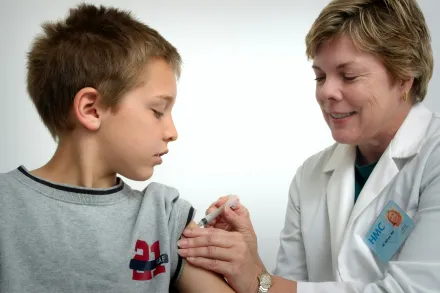
Vaccinations are a cornerstone of infection prevention that protects children by training the immune system to recognize and respond to specific pathogens. They reduce the likelihood of severe illness and also limit transmission to family members and peers. Adhering to the recommended immunization schedule helps maintain population immunity in classrooms, playgrounds, and community spaces, even when the environment presents frequent exposure to certain diseases.
Parents often face questions about scheduling and safety. In general, vaccines undergo rigorous testing and ongoing monitoring to ensure safety and effectiveness across diverse populations. Delays may be appropriate in some medical situations, but in many cases timely vaccination is the prudent choice, as it provides protection during early, high-risk years when children are most vulnerable to infections that can lead to complications.
Combining vaccination with other preventive practices creates a layered defense. While vaccines lower the risk of infection in the first place, good hygiene, clean living spaces, and healthy lifestyle choices further reduce the chance that a child contracts a disease and passes it on to others. For families with special health concerns, discussing individualized immunization plans with a pediatrician can clarify any uncertainties and lay a clear path forward.
Healthy Nutrition and Immune Resilience
Nutrition plays a vital role in supporting the immune system as it develops in childhood. A varied diet that includes fruits, vegetables, proteins, whole grains, and healthy fats provides essential vitamins and minerals that help the body defend itself against infections. Consistent meals and balanced snacking support steady energy, which in turn contributes to better recovery when illness arises. Hydration also matters, as fluids help mucus membranes function as a first line of defense against invading organisms.
For infants and toddlers, breastfeeding offers unique immune benefits through antibodies and other bioactive components that help protect against common infections. As children grow, introducing diverse foods and tolerating texture changes encourages a robust microbiome and resilient digestion. When families face dietary limitations, a pediatrician or dietitian can help tailor a plan that preserves nutrient adequacy while respecting cultural preferences and budget constraints.
Maintaining a focus on wholesome foods supports not only immediate infection resistance but long-term health. Limiting ultra-processed items that contribute to inflammation and imbalanced gut flora is a practical step many households can adopt. Regular family meals and shared cooking activities can reinforce healthy choices and contribute to a sense of security and routine that benefits immune function through stress reduction and improved sleep harmony.
Sleep, Stress, and Immune Function
Sleep is a powerful regulator of immune competence. Children who obtain enough restful sleep each night tend to experience fewer infections and recover more quickly when illness arises. Sleep supports the orchestration of immune responses, promotes energy for daytime activities, and helps regulate mood and behavior, all of which influence how well a child tolerates infections when they happen. Creating a consistent bedtime routine, with a calm environment and predictable expectations, supports healthy immune aging from early life.
Stress, even in mild forms such as school transitions or family disruption, can temporarily dampen immune efficiency. Families can foster resilience by maintaining routines, encouraging open communication, and providing opportunities for play and physical activity that help regulate stress hormones. While it is not possible to eliminate all stress, a stable home environment with predictable routines reduces the impact of everyday challenges on a child’s immune system, promoting better overall health and fewer illness days across the year.
Physical activity provides another layer of support. Regular movement strengthens cardiovascular health, aids in maintaining a healthy weight, and contributes to better sleep quality. For children, movement is often integrated through play and sports rather than formal workouts, which makes it an enjoyable, sustainable habit. Balanced amounts of activity with adequate rest create a foundation that correlates with a robust immune response and a lower risk of persistent or recurrent infections.
Home Environment and Cleanliness
Cleanliness at home reduces opportunities for germs to spread and helps maintain a comfortable living space for children. Regularly cleaning frequently touched surfaces such as doorknobs, light switches, countertops, and toy surfaces can lower the viral load present in the environment. It is not necessary to disinfect with harsh chemicals every day, but a thoughtful routine that matches the level of exposure and the age of the children can make a meaningful difference in infection risk and in the comfort of a household during sick seasons.
Ventilation plays a crucial role in reducing the concentration of airborne pathogens. Opening windows when weather permits, using fans to circulate air, and ensuring that central heating and cooling systems are well maintained contribute to a environment where germs are less likely to linger. Humidity levels matter too; environments that are overly dry or overly damp can irritate airways and influence susceptibility to certain infections. A balanced approach helps children breathe easier and reduces the frequency of respiratory symptoms that lead to medical visits.
Housing quality, dampness, and mold growth are linked to respiratory issues in children. Addressing leaks, using dehumidification when necessary, and promoting clean, dry spaces in bedrooms support healthier lungs and fewer infections. In households with pets, regular cleaning of bedding and grooming of animals can further reduce exposure to allergens and microbial agents that may contribute to illness in some sensitive children. A thoughtful maintenance plan that considers the unique needs of the family is an important component of infection prevention.
Childcare and School Settings
In daycare centers and schools, children share spaces, toys, and materials that facilitate the exchange of germs. Policies that encourage staying home when visibly sick, avoiding the return to group settings during contagious phases, and educating children about cough etiquette help disrupt the chain of transmission. Programs that emphasize routine hand hygiene and regular cleaning of shared surfaces complement these policies by reducing the overall exposure risk for every child.
Health literacy and communication are important in educational environments. Parents, caregivers, and school staff benefit from clear guidance on recognizing early signs of illness, differentiating between mild discomfort and red flags, and knowing when to seek medical advice. Schools can support families by providing accessible information about illness policies, vaccination clinics, and resources for families who may face barriers to care. A collaborative approach creates safer spaces for learning and social development without stigmatizing illness.
Creating predictable routines in the day, including time for rest, meals, outdoor play, and quiet activities, supports the child’s immune health. When transitions are smooth and stress is minimized, children are less likely to experience immune challenges triggered by anxiety or fatigue. For families, keeping a well-stocked plan for illness management at home reduces last-minute decisions and helps maintain regular participation in school activities while protecting the health of others in the classroom.
Outdoor Play and Safe Practices
Outdoor time offers several advantages for infection prevention. Fresh air reduces the concentration of airborne pathogens and supports respiratory health, while sunlight can aid in maintaining vitamin D levels that contribute to immune function. When children play outside, they also engage in physical activity and social interaction that support overall well-being. Parents can encourage safe play by ensuring appropriate clothing, sun protection, and hydration during hot days.
Hygiene remains important outdoors as well. Children should wash hands after touching shared equipment, after using the restroom if indoors, and before eating. Sunscreen helps protect skin during extended outdoor time, and helmets or protective gear reduce injuries that could complicate recovery if an infection occurs. Supervisors should supervise activities in a way that balances risk with freedom, offering opportunities for exploration and learning without exposing children to unnecessary hazards.
Supervised water activities require attention to cleanliness and safe equipment. In pool settings or natural water sources, children should be reminded of rules that prevent accidental ingestion of water and reduce contact with potentially contaminated surfaces. Regular handwashing after water play supports immune health and reinforces a habit that minimizes illness risk across settings. A well-planned outdoor routine strengthens resilience by combining physical activity, social learning, and environmental exposure in a controlled manner.
Respiratory Infection Prevention
Preventing respiratory infections centers on reducing how germs spread through droplets and contaminated surfaces. Encouraging children to cover their mouth and nose when coughing or sneezing and providing tissues encourages respectful and hygienic behavior. Teaching coughing etiquette as a norm rather than a rule fosters empathy and responsibility in young people and reduces the dispersion of infectious particles in classrooms and homes.
Ventilation and air quality influence how long viruses linger in indoor spaces. Whenever feasible, opening windows and ensuring good air exchange helps dilute airborne pathogens. In crowded environments, dedicated spaces for kids who feel unwell can prevent the spread to healthy peers while families arrange appropriate care. When illnesses become more frequent, consulting a pediatrician for tailored guidance can help families feel supported rather than overwhelmed by conflicting advice.
Protective measures such as staying home when fever is present, after a diagnosed illness, or when the child is too unwell to participate safely in activities, support the health of the whole group. It is important for caregivers to balance the need to limit exposure with the child’s social and educational development, making thoughtful decisions about when to maintain routines and when to slow them down to allow recovery. Clear communication among families and schools reinforces consistent practices that reduce infection risk over time.
Gastrointestinal Infection Prevention
Gastrointestinal infections can spread quickly in households and settings where meals are shared, so food safety practices matter. Washing hands before handling or eating food, cleaning utensils and surfaces after food preparation, and separating raw from cooked foods reduce the chance that harmful organisms are transmitted. Families should store foods at safe temperatures and follow basic guidance about keeping perishable items refrigerated to minimize the growth of bacteria that can cause illness.
Clean water and proper sanitation support digestion and immune function. Children should be encouraged to drink from safe sources and to brush teeth regularly, which prevents bacterial colonization that can complicate recovery from infections. In daycare centers or schools, regimens that promote clean utensils, sanitized tables, and careful food handling help minimize outbreaks and keep children engaged in learning rather than sidelined by illness.
When illness does occur, parents benefit from prompt management at home and clear thresholds for seeking medical care. Mild dehydration, persistent vomiting, or high fever require medical attention to ensure appropriate hydration and to monitor for potential complications. The aim is to manage most cases at home with supportive care while recognizing when professional evaluation is necessary to prevent more serious outcomes and to protect the health of others in the household and community.
Skin Infections and Wound Care
Skin infections and wounds are common in children due to active play and exploration. Practicing good hygiene for cuts and scrapes, including gentle cleansing and covering wounds, reduces the risk of secondary infection and minimizes the spread to others. Parents should assess wounds for signs of redness, swelling, or discharge and seek medical advice if these indicators appear or if fever accompanies a skin infection.
Sharing personal items such as towels, razors, or brushes should be discouraged to limit dermal transmissions of bacteria and fungi. Regular nail trimming and hand washing after outdoor play and sports discourage the growth of germs under nails where dirt can accumulate. When children swim or use communal facilities, proper post-activity hygiene helps prevent skin irritations and infections and supports a healthy daily routine that aligns with active lifestyles.
In some cases, skin infections may require topical or oral treatment under medical guidance. A clinician can determine whether an antibiotic, antifungal, or simple wound care is appropriate based on the presentation and history. Following prescribed regimens carefully and completing any course of therapy as directed supports recovery and reduces the risk of recurrent infections, especially in children with a tendency toward skin problems or eczema where the skin barrier is more vulnerable.
Travel and Exposure Reduction
Travel introduces new environments, foods, and germ exposures that can challenge a child’s immune system. Before embarking on trips, families can review vaccination status, plan for safe food and water practices, and bring along essentials such as hand sanitizer and a small first aid kit. Being prepared helps maintain routines for hygiene and health, even when schedules shift or access to familiar resources is limited.
During trips, selecting accommodations with clean practices, controlling for moisture and cleanliness, and avoiding known risk hotspots can reduce exposure to infectious agents. When staying in crowded spaces such as hotels or transit hubs, hand hygiene and surface cleaning become practical habits that minimize the chance of illness, enabling children to continue enjoying experiences without unnecessary interruptions.
Upon returning home, children may need a brief period to readjust to local routines and environments. Reintroducing regular sleep and meal schedules, with attention to hydration and cleanliness, supports a smooth transition and helps prevent the cascade of infections that sometimes follows a disruption in daily life. Thoughtful planning and simple preventive actions empower families to travel with confidence while protecting the health of the child and those around them.
When to Seek Medical Advice and Antibiotic Stewardship
Knowing when to seek medical advice can relieve worry and prevent unnecessary illness escalation. Parents should monitor for warning signs that may indicate a more serious infection, such as persistent high fever, trouble breathing, severe dehydration, chest pain, or a sudden change in mental status. If a child exhibits any of these red flags, prompt evaluation by a healthcare professional is important to rule out complications and to receive appropriate care.
Antibiotics are valuable tools for certain bacterial infections but are not effective against viruses. Responsible use of antibiotics requires medical guidance to prevent adverse effects and the development of resistance. Families can contribute to stewardship by following the pediatrician’s instructions, avoiding pressure to have antibiotics for viral illnesses, and discussing concerns about antibiotic safety and duration of therapy during each visit. This collaborative approach helps preserve antibiotic effectiveness for individuals who truly need them while ensuring the child receives appropriate treatment when necessary.
Even when a doctor prescribes medication, supportive care remains essential. Adequate rest, oral fluids, gentle nutrition, and a comfortable environment aid recovery and reduce the burden of illness. Clear communication with caregivers, along with a careful plan for follow-up if symptoms worsen or fail to improve, ensures that management remains responsive to the child’s evolving needs. This patient-centered approach supports healing while safeguarding public health through prudent medical practice.
Long-Term Habits for Lifelong Health
Establishing durable health habits in childhood creates a foundation for reduced infection risk across the lifespan. Routine hand hygiene, vaccination adherence, balanced nutrition, regular physical activity, and sufficient sleep all contribute to a stronger immune system and a reduced incidence of preventable infections. When these practices are woven into daily life, they become automatic and less burdensome as children grow older.
Parents and caregivers play a central role by modeling healthy behaviors and by creating environments where safe practices are feasible and enjoyable. Simple actions such as sharing kitchen hygiene tasks, planning family activities that emphasize outdoor play, and encouraging curiosity about how the body responds to illness foster a proactive mindset. Over time, children internalize these habits and carry the advantages into adolescence and adulthood, reducing long-term health risks and supporting resilience in the face of common infections.
Continued attention to public health guidance, ongoing dialogue with healthcare professionals, and a willingness to adapt routines to evolving circumstances all contribute to a culture of health within families. By valuing prevention as part of everyday life rather than as an isolated effort, families empower children to navigate environments that can be rich with social interaction and learning while maintaining robust defenses against infection. This approach honors both personal well-being and community health, ensuring that children can explore, grow, and thrive with confidence.