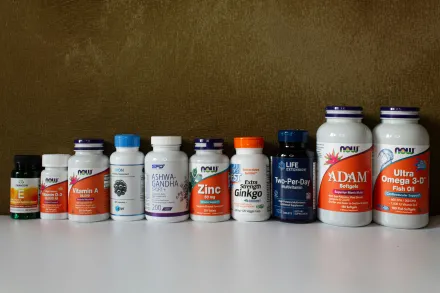
The immune system is a remarkable network that spans multiple bodily systems, coordinating cellular defenders, signaling molecules, and barrier tissues to protect the body from harm. In recent years many people have turned to natural supplements as a complement to a balanced diet, a healthy sleep schedule, regular physical activity, and effective stress management. This article explores how reputable, well-supported natural options can fit into a broader wellness plan aimed at supporting resilience, particularly during times of seasonal change, increased exposure to pathogens, or periods of heightened stress. It is important to recognize that supplements are not magic bullets; they function best when used in conjunction with foundational health practices, appropriate medical care when needed, and attention to safety and quality. When used thoughtfully, natural supplements can help maintain immune equilibrium, support normal inflammatory responses, and promote overall well being without replacing essential medical therapies or advice from a healthcare professional.
Foundational vitamins and minerals
At the core of immune health are certain vitamins and minerals that support the function of immune cells, the integrity of mucosal surfaces, and the regulation of inflammatory processes. Vitamin C is renowned for its involvement in the production and function of various immune cells, its contribution to the maintenance of epithelial barriers, and its antioxidant properties that can limit oxidative stress during immune challenges. Vitamin D plays a central role in modulating both innate and adaptive immune responses, helping to calibrate the activity of macrophages and T cells while supporting the health of respiratory tract defenses. Zinc serves as a critical cofactor for countless enzymes and transcription factors that influence cell replication and signaling, which can affect the pace of immune cell production and the maintenance of barrier defenses. Selenium, another essential trace element, supports antioxidant enzymes and immune function in ways that can influence resilience under stress or infection. Together these foundational nutrients form a platform upon which other natural supports can operate, and they are commonly found in a variety of foods and fortified products as well as in targeted supplements when dietary gaps exist.
Herbal and botanical allies
Herbal traditions have long offered a broad spectrum of botanicals believed to support immune responses, often with attention to specific timeframes such as the early stages of a seasonal challenge or a period of increased exposure to pathogens. Echinacea, a plant historically used to support the body during the onset of illness, is frequently studied for its potential to reduce symptom duration and severity when taken at the right time and in appropriate forms. Elderberry, with its dark pigments and bioactive compounds, has been explored for its capacity to influence inflammatory signaling and to support a balanced immune response without overstimulation. Astragalus, a staple of traditional herbal medicine, is thought to influence cellular signaling pathways involved in defense readiness, while Andrographis and certain other botanicals may offer complementary effects when used judiciously. It is essential to understand that the benefits of these plants can be influenced by the preparation method, dosage, individual health status, and potential interactions with medications. People with autoimmune conditions or those taking immune-modulating drugs should seek guidance from a clinician before incorporating certain botanicals into their routine, and quality sources with standardized active constituents can help reduce variability in effects and safety concerns.
Probiotics and gut health
The gut houses a vast community of microorganisms that interact closely with the immune system, shaping both barrier integrity and immune signaling. Probiotics—live beneficial bacteria or yeast strains—offer the potential to support gut balance and help manage inflammatory responses that can influence systemic immunity. Strains that have been studied in relation to immune health often emphasize stability, viability through digestion, and the ability to colonize the gut sufficiently to enact beneficial changes. In addition to selecting specific strains, attention to overall dietary fiber intake supports a diverse gut microbiome, which in turn can promote robust mucosal defenses. Probiotic use is not a substitute for medical care, but it may be part of a broader strategy to support immune homeostasis when combined with a nutrient-rich diet, regular physical activity, and adequate rest. For individuals with certain medical conditions or those who are immunocompromised, professional guidance is particularly important to avoid unintended consequences.
Omega-3 fatty acids and anti-inflammatory balance
Omega-3 fatty acids, notably those from fish oil and certain algae sources, exert broad anti-inflammatory effects that can help maintain a balanced immune response. By influencing cell membrane composition and the production of signaling molecules called eicosanoids, these fats can modulate the intensity and duration of inflammatory processes without suppressing essential defense mechanisms. For individuals facing chronic low-grade inflammation or those seeking cardiovascular and cognitive co-benefits alongside immune support, omega-3s offer a practical dietary supplement. It is prudent to choose high-quality, well-tested products to minimize contaminants such as heavy metals, and to consider the overall dietary patterns, including the use of plant-based omega-3 sources that are converted in the body to active forms at varying efficiencies. As with other nutrients, omega-3 supplementation should be aligned with personal health needs and professional guidance when appropriate.
Mushroom extracts and adaptogens
Medicinal mushrooms and certain adaptogenic herbs have gained popularity for their potential to influence immune function and stress resilience. The best known immune-related mushroom species, such as Reishi, Turkey Tail, and Maitake, contain polysaccharides and other bioactive compounds that may support immune cell activity and cytokine balance. These extracts are commonly used as part of a broader monthly or seasonal routine and are often combined with herbal companions to address multiple facets of immune health. Adaptogenic herbs, including varieties such as adaptogenic roots and berries, aim to help the body adapt to stressors and maintain equilibrium in the face of physical or mental challenges. While personal experiences with these products can vary, a growing body of research points toward potential benefits in modulating immune responses and supporting resilience when used consistently and at appropriate dosages. Safe use requires attention to formulation quality, potential interactions with medications, and contraindications for certain medical conditions, which is why consulting a healthcare professional is advisable when integrating mushroom extracts or adaptogens into a longer-term plan.
Polyphenols and antioxidants
Natural compounds known as polyphenols, including catechins from green tea, quercetin from fruits and vegetables, and resveratrol from grape skins, have garnered attention for their antioxidant and anti-inflammatory properties. These compounds help neutralize reactive molecules that can accumulate during immune activation and may support cellular defenses in a context of balanced signaling. Diets rich in colorful fruits, vegetables, whole grains, and beverages with polyphenolic content can augment the intake provided by standard meals, potentially enhancing the body's readiness to respond to challenges without tipping toward excessive inflammation. When considering supplements, it is important to evaluate the bioavailability of polyphenols, as this can influence the actual amount reaching tissues of interest, and to be mindful of interactions with medications that alter metabolism or absorption. A holistic approach that includes plant-based foods alongside targeted extracts can help maximize benefits while minimizing risks.
Curcumin and anti-inflammatory compounds
Curcumin, the principal curcuminoid in turmeric, has drawn attention for its ability to modulate several inflammatory pathways and to act as an adaptive anti-inflammatory agent in the body. Beyond its culinary uses, curcumin supplements are often explored for their potential to support immune balance, particularly in settings where inflammatory responses require gentle regulation. The bioavailability of curcumin can be limited when taken alone, so many formulations pair it with bioenhancers or with phospholipids to improve absorption. While some studies report modest benefits in immune-related outcomes, it is prudent to approach curcumin as part of a broader plan that emphasizes not only immune support but also joint health, digestion, and cardiovascular considerations where appropriate. As with all supplements, personalized dosing, quality sourcing, and potential interactions with anticoagulants or other medications should be discussed with a clinician to ensure safe and synergistic use.
Garlic and ginger for daily defense
Garlic and ginger are culinary staples with a long history of traditional use for supporting immune function and digestion. Garlic contains sulfur-containing compounds that may help modulate immune cell activity and offer antimicrobial properties in certain contexts, while ginger provides anti-inflammatory and soothing effects that can support resilience during colds or minor inflammatory states. These herbs are generally well tolerated in food and in some standardized supplements, yet their potency can vary depending on preparation methods and processing. Regular culinary use can contribute to a supportive baseline while targeted extracts may provide a more concentrated contribution when needed, all while respecting individual digestive tolerance and potential interactions with anticoagulants or antihypertensive medications. Incorporating these foods into daily meals can complement other immune-supportive strategies without requiring drastic changes in lifestyle.
Quality, safety, and supplementation strategy
In a marketplace rich with options, choosing supplements thoughtfully becomes an act of practical self-care. Quality indicators such as third-party testing, transparent ingredient lists, standardized active constituents, and clear labeling about potency and expiration can help individuals select products with greater reliability. It is wise to look for products that avoid unnecessary fillers, artificial additives, and conflicting excipients, and to verify that a brand complies with regulatory standards in the region where the product is sold. Establishing a supplementation strategy involves considering baseline nutrient intakes, identifying any potential gaps through diet review or laboratory testing when appropriate, and aligning choices with personal health goals and the advice of healthcare providers. Some individuals may benefit from short-term use during periods of heightened exposure or stress, while others may pursue a longer-term pattern that emphasizes maintenance of general immune function. Adverse effects, allergies, and interactions with medications should be carefully monitored, and any new supplement regimen should be introduced gradually to observe tolerance and response. Thorough research and careful planning can transform supplementation from a reaction to a proactive, balanced part of daily life.
Lifestyle integration and practical choices
Natural immune support thrives when supplementation is nested within a comprehensive lifestyle framework. Adequate sleep, consistent physical activity, hydration, stress management, and social connections all influence immune readiness, signaling, and recovery. Nutrient-dense meals that emphasize plant-centered choices, lean proteins, healthy fats, and whole grains provide the broad nutritional base that supports immune function. Mindful exposure to nature, regular sun for vitamin D synthesis when appropriate, and a pattern of meals that spreads nutrient intake across the day can help optimize assimilation and utilization of immune-supporting compounds. A personalized approach recognizes that each person may respond differently to the same supplement, shaped by genetics, age, existing health conditions, and concurrent medications. Therefore a measured, informed exploration with professional guidance, listening to bodily signals, and adjusting as needed can make natural immune support a sustainable and enriching part of daily life rather than a short-term experiment. It is through steady, thoughtful choices that the body’s internal defenses can operate with greater harmony and resilience over the long term, even as new research continues to illuminate the complex choreography of immune function.
Ultimately, the goal of natural immune support is to bolster the body’s natural defenses while respecting the delicate balance that keeps immune reactions efficient without becoming excessive. By combining foundational nutrients with well-chosen botanicals, microbial allies, and smart lifestyle habits, individuals can create a resilient framework that adapts to changing demands. It is a journey that invites curiosity, careful evaluation of evidence, and ongoing dialogue with healthcare professionals to ensure safety, relevance, and alignment with personal health objectives. The best outcomes often arise from integrated approaches, where nutrition, rest, activity, and mindful use of supplements work together to sustain well-being across seasons and life’s many twists and turns.